


I’ll go over the top AI tools for token demand modeling in this post. These tools assist traders and investors in precisely forecasting token demand by analyzing on-chain data, market patterns, and investor behavior.
These AI technologies offer practical insights for making wise choices in the volatile cryptocurrency market, from watching wallet activity to keeping an eye on market sentiment and security.
What are AI Tools for Token Demand Modeling?
AI tools for token demand modeling are sophisticated software systems that estimate the demand for cryptocurrencies or tokens by analyzing market movements, on-chain data, and investor behavior using artificial intelligence. In order to spot trends that can point to purchasing or selling pressure, these technologies monitor wallet activity, liquidity flows, social mood, and network health.
These AI tools assist traders, investors, and institutions in making data-driven decisions, optimizing investment strategies, and more accurately predicting market movements in the ever-changing cryptocurrency ecosystem by fusing predictive analytics, risk assessment, and behavioral insights.
Why Use AI Tools for Token Demand Modeling
Evaluating Trends of Token Demand: AI tools utilize both historical and current streams of information to analyze demand and predict potential price fluctuations.
Predicting Market Trends: Understand the buying/selling pressure by tracking wallet activities, accumulation, and movements of smart money.
Improving Action Plans: Data-guided insights assist traders and investors in decision making.
Analyze Risk and Token Demand: While Certik Skynet and Slow Mist are not AI tools, they can analyze token demand and identify gaps and threats that would negatively impact it.
Strategic Optimization of Portfolios: AI tools help determine and improve the returns by combining behavior analysis, sentiment, and on-chain data to token balance
Key Point & Best AI Tools for Token Demand Modeling List
| AI Tool | Key Points |
|---|---|
| Nansen AI | On-chain analytics platform; provides wallet labeling, DeFi insights, NFT tracking, and smart money movements. |
| Santiment AI | Market sentiment and social analytics; tracks on-chain, social media, and development activity to forecast trends. |
| SlowMist AI | Blockchain security AI; monitors vulnerabilities, detects fraud, and provides threat intelligence. |
| CryptoQuant AI | On-chain and market analytics; focuses on exchange flows, miner activities, and liquidity metrics for trading insights. |
| Gauntlet AI Simulation | Risk modeling and simulation platform; stress-tests DeFi protocols and predicts systemic risks. |
| CertiK Skynet AI | Continuous smart contract monitoring; detects anomalies and vulnerabilities in real-time to prevent exploits. |
| Messari Intelligence AI | Crypto market research and analytics; delivers real-time data, metrics, and institutional insights. |
| Glassnode AI Metrics | On-chain data analytics; tracks network health, investor behavior, and market trends. |
| Halborn AI Security | Cybersecurity for blockchain projects; monitors smart contracts, infrastructure, and threat vectors. |
| AnChain.AI Behavioral Suite | AI-driven transaction monitoring; detects fraudulent behavior, money laundering, and suspicious activity on-chain. |
1. Nansen AI
Token demand modeling is a common application for Nansen AI, a potent on-chain analytics tool. It offers useful insights into investor behavior and liquidity trends by tagging wallets, monitoring smart money flows, and examining DeFi transactions.

By spotting patterns in token distribution or accumulation, traders and analysts may precisely predict demand.
Best AI Tools for Token Demand Modeling: Nansen’s comprehensive analytics dashboards are essential for institutional and individual investors looking for a data-driven method of token demand prediction because they allow users to analyze new projects, comprehend network activity, and gauge possible price movements.
Nansen AI Features, Pros & Cons
Features:
- Smart money tracking and wallet labeling
- Analytics of on-chain data for the NFT and DeFi ecosystems
- Monitoring liquidity and token flow
- Alerts and dashboards in real-time
- Analysis of historical trends
Pros:
- Valuable insights on the behavior of investors
- Predicts demand of tokens and trends in the market
- Dashboards that are intuitive for quick analyses
- Both retail and institutional users can use it
- Comprehensive coverage of Ethereum-based projects
Cons:
- Subscription plans are costly
- Beginners will find the data overwhelming
- Focus on Ethereum only
- Social sentiment analysis is lacking
- Advanced metrics might require learning how to interpret them
2. Santiment AI
Santiment AI focuses on the analysis of the market’s sentiment and its behavior. It combines analytics on the blockchain, social media, and developers, and applies behavioral analytics. It focuses on market psychology for modeling token demand, analyzing market behavior in terms of hype, FOMO, and periods of accumulation and distribution.
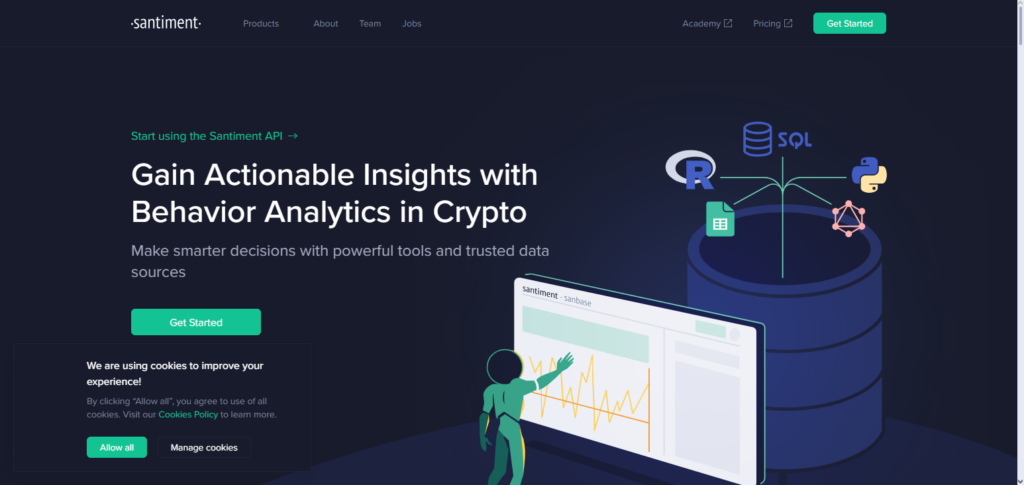
It’s possible to use sentiment analytics in addition to on-chain data to determine the potential demand for a given token. Being one of the Best AI Tools for Demand Modeling of Tokens, Santiment provides traders with sophisticated tools for modeling demand to visualize trends, whale shifts, and community analytics to anticipate demand and demand shifts for tokens.
Santiment AI Features, Pros & Cons
Features:
- Analysis of market sentiment from on-chain and social data
- Monitoring of news, social, dev, social
- Visualization of historical trends
- Alerts and dashboards that you can customize
- Metrics for token performance
Pros:
- Reliable for market psychology and hype cycles
- Good for prediction of trends in the short and long run
- Excellent tools for visualization
- Users receive alerts for token demand and holistic analysis in real-time
- Analysis of token demand in a holistic manner
Cons:
- Most of the features require a paid plan
- There is a greater challenge with learning how to interpret sentiment
- Defi-specific analytics are scarce
- Data may have lag during peak market scenarios
- Mostly concentrated on large tokens
3. SlowMist AI
By maintaining trust in token ecosystems, SlowMist AI indirectly assists token demand modeling, even if its primary function is blockchain security. Token liquidity and investor confidence may be impacted by its AI’s detection of smart contract vulnerabilities, exploits, and fraudulent activity.

SlowMist assists stakeholders in anticipating possible shifts in demand as a result of perceived network safety by examining risk trends and security incidents. Acknowledged as one of the Best AI Tools for Token Demand Modeling, SlowMist’s insights guarantee that modeling takes security risk elements into account, assisting investors in avoiding overestimating demand for tokens vulnerable to malicious attacks or exploits.
SlowMist AI Features, Pros & Cons
Features:
- Identify vulnerabilities in smart contracts
- Monitoring of exploits and fraud
- Threat alerts and intelligence
- Audits of blockchain security
- Security with DeFi integrations
Pros:
- In token ecosystems, trust and security are enhanced
- Hack and exploit risk are minimized
- Detection of anomalies in real-time
- Various blockchains are supported
- Targeted for security planning at institutions
Cons:
- Security-focused, with little market insight
- Not very helpful for analytics of token demand
- Services offered are costly
- Some beginners find dashboards difficult
- Little to no analysis based on social sentiment
4. CryptoQuant AI
CryptoQuant AI tracks exchange flows, miner activity, and liquidity patterns while providing thorough on-chain and market data. Since exchange inflows and outflows frequently indicate buying or selling pressure, these indicators are essential for comprehending token demand patterns.
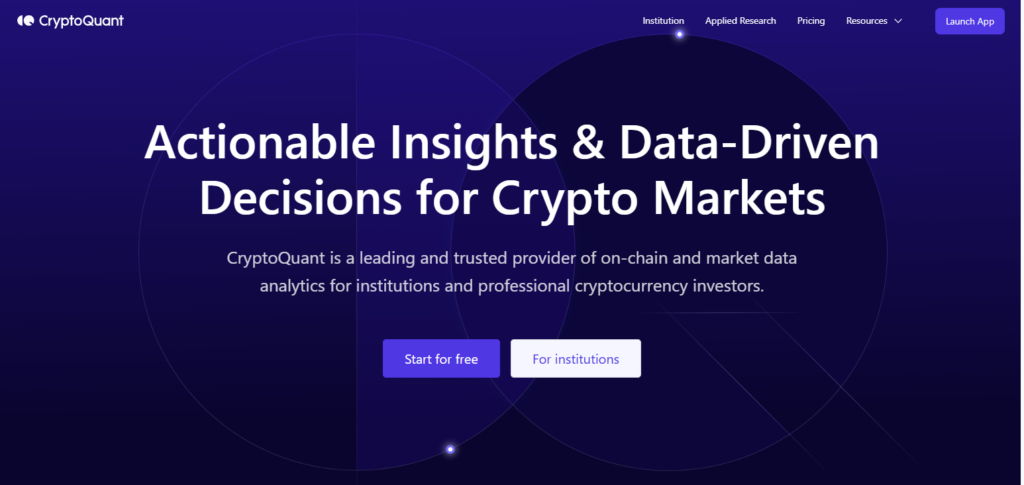
Its AI-powered indicators show changes in market mood, whale movements, and accumulation periods. CryptoQuant, which is widely recognized as one of the Best AI Tools for Token Demand Modeling, allows traders to integrate real-time and historical data to estimate demand, evaluate market depth, and develop strategies for opening or closing positions based on quantitative evidence.
CryptoQuant AI Features, Pros & Cons
Features:
- Monitoring and reporting on exchange flow and liquidity
- Tracking wallets and miner activity
- Alerts on major activities from crypto whales
- Dashboards with on-chain analytics
- Analytics in real-time and historical records
Pros:
- Excellent predictive analysis on token demand and supply
- Immediate data for optimizing trades and managing risk
- Analytics in real-time from diverse blockchains
- Alerts for market volatility
- Decision-making for institutions and retailers
Cons:
- Challenging interface for beginners
- Need to have paid plans for additional features
- Primarily major blockchains are focused on
- Incomplete Insights for Sentiment Analysis
- Data needs to be evaluated in an effective manner
5. Gauntlet AI Simulation
For DeFi and token ecosystems, Gauntlet AI Simulation is excellent at risk modeling and scenario-based analysis. It forecasts how tokens might function in various market scenarios by modeling network stress, liquidity shocks, and protocol interactions.

These simulations offer crucial information about possible volatility and market responses for token demand modeling. Gauntlet, one of the Best AI Tools for Token Demand Modeling, helps estimate how token demand may change in response to both internal and external factors by enabling analysts to test strategies before committing capital, predict the impact of major trades, and comprehend systemic risk.
Gauntlet AI Simulation Features, Pros & Cons
Features:
- Simulation and stress testing of DeFi protocols
- Risk analytics and modeling
- Forecasts for token behavior for specific scenarios
- Analysis of systemic risk and liquidity
- Integration with smart contracts for evaluation
Pros:
- Predictive insights on token demand are valuable
- Assists in modeling different market scenarios
- Detects and forecasts systemic risk
- Valuable for institutional choice-making
- Facilitates strategic planning in DeFi systems
Cons:
- Difficult for novice users
- Only concentrates on DeFi initiatives
- Significant expense for full access
- Limited data for social media or sentiment
- Must be acquainted with technical aspects for interpretation
6. CertiK Skynet AI
CertiK Skynet AI focuses on smart contracts monitoring and detects anomalies in real time. For token demand modeling, Skynet assists investors in analyzing token ecosystems reliability by recognizing fluctuations. These fluctuations may cause a loss of trust, liquidity. Tokens that provide assurances of higher security typically attract more holders and, as a result, greater demand.
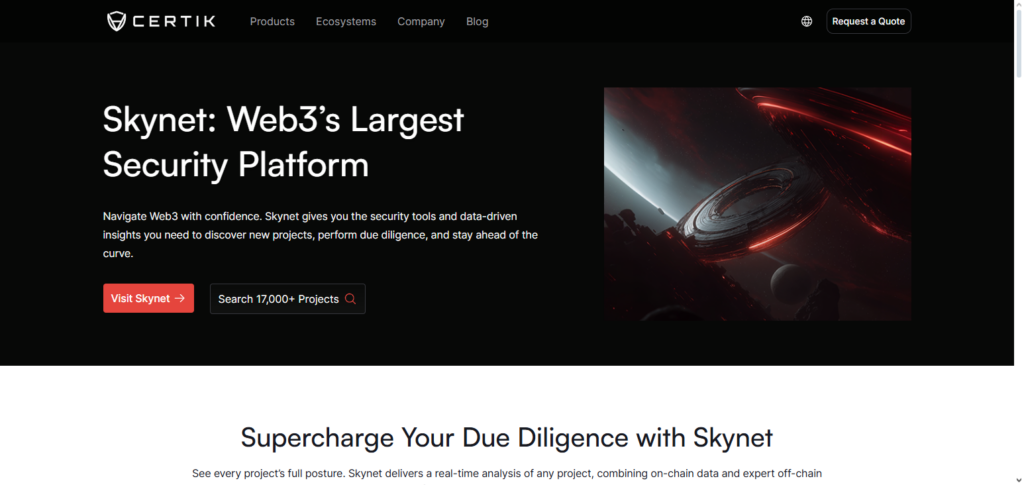
CertiK Skynet is one of the most recognized services in the Best AI Tools for Token Demand Modeling. Continuous monitoring CertiK provides analysts with a more holistic approach, considering risk events that could affect investor confidence and predicting demand by incorporating on-chain activity and security metrics.
CertiK Skynet AI Features, Pros & Cons
Features:
- Smart contract monitoring
- Detection of anomalies and exploits
- Dashboards for continuous security
- Notifications for hacks
- Monitoring for blockchain and DeFi integrations
Pros:
- Enhances confidence of investors in tokens
- Diminishes occurrence of security problems
- Monitoring in real time for quick response
- Supports various blockchain networks
- Reporting for stakeholders is straightforward
Cons:
- Minimal market analytics, security-focused
- Lack of features with predictive modeling
- Monitoring at an advanced level of paid subscriptions is necessary
- Complex dashboards for advanced users
- Not meant for Social Sentiment or Demand Forecasting
7. Messari Intelligence AI
Messari Intelligence AI offers real-time data, market research, and analytics of institutional quality. For token demand modeling, it provides research on trading volumes, market capitalization, and fluctuations in supply as well as the behavior of investors. Analysts obtain this data to determine high demand tokens and anticipate market trends.
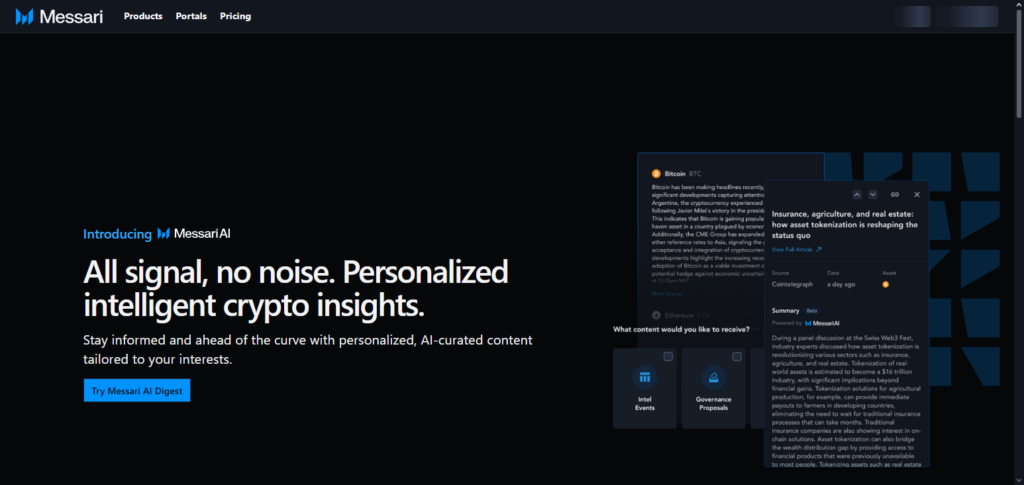
Messari is among the Best AI Tools for Token Demand Modeling and its dashboards provide in-depth analyses on trends, regulations, and performance that helps investors analyze tokens with high anticipated demand, identify dominant macro demand drivers, and invest in tokens that may result in significant growth.
Messari Intelligence AI Features, Pros & Cons
Features:
- Market Research and Token Analytics
- Live Price and Volume Tracking
- Data Insights at Institutional Level
- Historical Trends and Comparative Analyses
- Alerts & Reporting
Pros:
- Excellent Research for Proposed Institutional Users
- Forecasts Demand Trends for Tokens
- Dashboards are Easy to Understand
- Researches New & Emerging Tokens (and Projects)
- Comparative Performance Analytics
Cons:
- Full Access Requires a Paid Subscription
- Wallet-Level On-Chain Tracking is Minimal
- Social Sentiment Analysis is Minimal
- Not Ideal for Retail Small Traders
- Complex Analytics Have a Steep Learning Curve
8. Glassnode AI Metrics
Glassnode AI Metrics offers comprehensive on-chain analytics, monitoring investor activity, network health, and liquidity metrics. Glassnode finds accumulation zones, long-term holding patterns, and transactional activity that indicate possible changes in token demand. Predictive analytics based on past trends are made possible by its AI-powered insights.
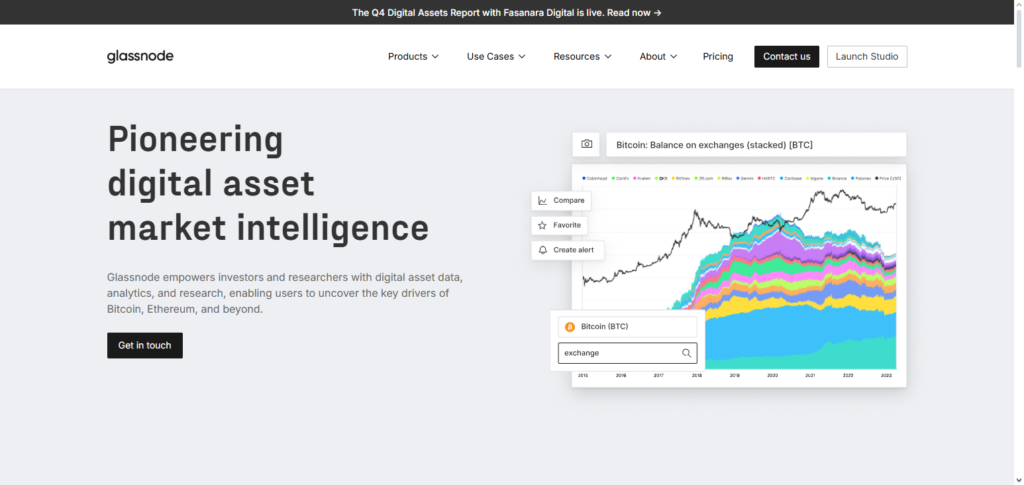
Glassnode, which is regarded as one of the Best AI Tools for Token Demand Modeling, gives traders the ability to measure investor mood, assess market cycles, and accurately predict token popularity, providing institutional and retail investors with useful information for strategic planning.
Glassnode AI Metrics Features, Pros & Cons
Features:
- Tracking On-Chain Metrics
- Analysis of Network Activity & Health
- Accumulation & Investor Behavior Tracking
- Live Dashboards
- Visualization of Historical Trends
Pros:
- Actionable Insights Provided for On-Chain Data
- Demand Forecast for Tokens
- Excellent Visualization
- Supports Retail & Institutional Users
- Market Activity Real-Time Monitoring
Cons:
- Focus is on Major Tokens and Bitcoin
- Full Access Requires Paid Subscription
- Social Sentiment Tracking is Limited
- Beginner Users may find Complex Metrics Advanced
- Not Focused on Security
9. Halborn AI Security
Halborn AI Security monitors infrastructure, threat vectors, smart contracts, and blockchain cybersecurity. Despite being mainly security-focused, its data influences token demand modeling by pointing out possible weaknesses that can erode investor confidence. Demand for tokens with robust security support is probably going to increase.

Halborn’s analysis, which is included in the Best AI Tools for Token Demand Modeling, enables modelers to incorporate security confidence indicators into demand projections by fusing technical, behavioral, and risk-based insights to present a realistic picture of market confidence and token adoption potential.
Halborn AI Security Features, Pros & Cons
Features:
- Monitoring of smart contracts and underlying infrastructure
- Alerts and detection of threats
- Security remediation
- Dashboards of risk assessments
- Detection of anomalies
Pros:
- Builds confidence in token initiatives
- Loss from exploits is mitigated
- Monitoring of blockchain transactions in real-time
- Multiple blockchain ecosystems are supported
- Security insights of institutional quality
Cons:
- Security is the main focus, while demand modeling is scant
- Analytics pertaining to on-chain transactions are limited
- High expense to conduct paid services
- Complex dashboards for those with limited experience
- No focus on predictive analysis and sentiment
10. AnChain.AI Behavioral Suite
AnChain.AI Behavioral Suite uses AI to keep an eye on on-chain transactions and identify suspicious activity, wash trading, and fraud. Because market manipulation directly impacts investor perception and token popularity, these findings are crucial for token demand modeling. Analysts can more accurately determine true demand by eliminating unusual activities.
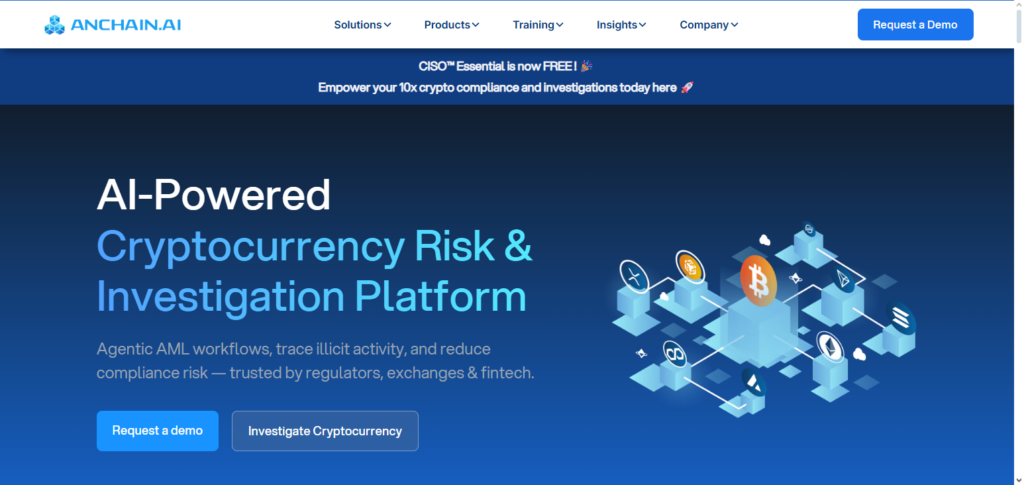
AnChain.AI, which is regarded as one of the Best AI Tools for Token Demand Modeling, offers behavioral analytics that improve demand models and guarantee that forecasts accurately reflect adoption trends rather than inflated activity. This increases the accuracy of token demand forecasts for both short-term trading and long-term investment strategies.
AnChain.AI Behavioral Suite Features, Pros & Cons
Features:
- Monitoring of behavior with on-chain transactions
- Detection of fraud and money laundering
- Alerts for potentially suspicious activities
- Dashboards of behavioral analytics
- Reports and notifications that are customizable
Pros:
- Detection of fabricated volume and manipulation of the market
- Enhanced precision of modeling the demand for tokens
- Behavioral insights that are actionable
- Enhanced confidence of investors and compliance
- Active detection of suspicious behavior
Cons:
- Lack of insight into social sentiment
- Focus on fraud and behavioral analytics predominantly
- Full features only available on paid plans
- Beginners face complex configurations
- Predictive modeling of tokens less emphasized
Conclusion
In conclusion, a combination of on-chain analytics, market sentiment analysis, and security insights is needed to effectively estimate token demand in the quickly changing cryptocurrency world.
While platforms like Gauntlet AI Simulation and CertiK Skynet AI offer predictive modeling and real-time security monitoring to evaluate risk factors affecting demand, tools like Nansen AI, Santiment AI, and CryptoQuant AI offer deep visibility into investor behavior, wallet activity, and liquidity trends.
Furthermore, AnChain, Glassnode AI Metrics, and Messari Intelligence AI.AI Behavioral Suite uses behavioral analytics and institutional-grade data to improve projections. By incorporating these Top AI Tools for Token Demand Modeling, traders, analysts, and organizations can more confidently predict market moves, optimize strategies, and make data-driven decisions.
FAQ
What are AI tools for token demand modeling?
AI tools for token demand modeling are software platforms that analyze on-chain data, market trends, and investor behavior to forecast the demand for cryptocurrencies or tokens. They combine analytics, predictive modeling, and behavioral insights to help traders and institutions make informed decisions.
Why is token demand modeling important?
Token demand modeling helps investors anticipate market movements, identify high-demand tokens, and plan trading or investment strategies. Accurate demand forecasts reduce risk, optimize portfolio allocation, and highlight potential opportunities in the crypto market.
Which are the best AI tools for token demand modeling?
Some of the top tools include Nansen AI, Santiment AI, CryptoQuant AI, Gauntlet AI Simulation, CertiK Skynet AI, Messari Intelligence AI, Glassnode AI Metrics, SlowMist AI, Halborn AI Security, and AnChain.AI Behavioral Suite. Each offers unique insights ranging from on-chain analytics to security and sentiment analysis.
How do these tools forecast token demand?
They analyze historical transaction data, wallet movements, liquidity flows, social media sentiment, developer activity, and network health. Some tools also simulate market scenarios or monitor security risks, combining multiple factors to produce accurate predictions of token demand.