

I’ll go over safe and effective ways to move cryptocurrency across exchanges in this post. Traders frequently switch bitcoin exchanges in search of better deals, reduced costs, or new features.
To prevent errors, it is crucial to comprehend the proper procedures, networks, and security checks. The procedure, advice, and best practices for safe cryptocurrency transfers are described in this tutorial. “
What is Crypto Transfer?
The process of transferring bitcoin using blockchain technology from one wallet, user, or exchange to another is known as a crypto transfer. It entails choosing the appropriate blockchain network, entering the wallet address of the recipient, and verifying the transaction.

Once sent, the transaction is entered onto the blockchain and confirmed by network nodes. Transfers of cryptocurrency can take place between decentralized platforms, exchanges, and personal wallets.
Depending on the blockchain being utilized, there may be network or withdrawal costs associated with each transfer. Users must thoroughly confirm wallet addresses and networks before sending money to ensure safe and successful transfers because blockchain transactions are typically irreversible. “
How to Transfer Crypto Between Exchanges

Example: How to Transfer Crypto Between Exchanges (Step-by-Step)
Let’s use the straightforward example of moving USDT from Binance to Coinbase.
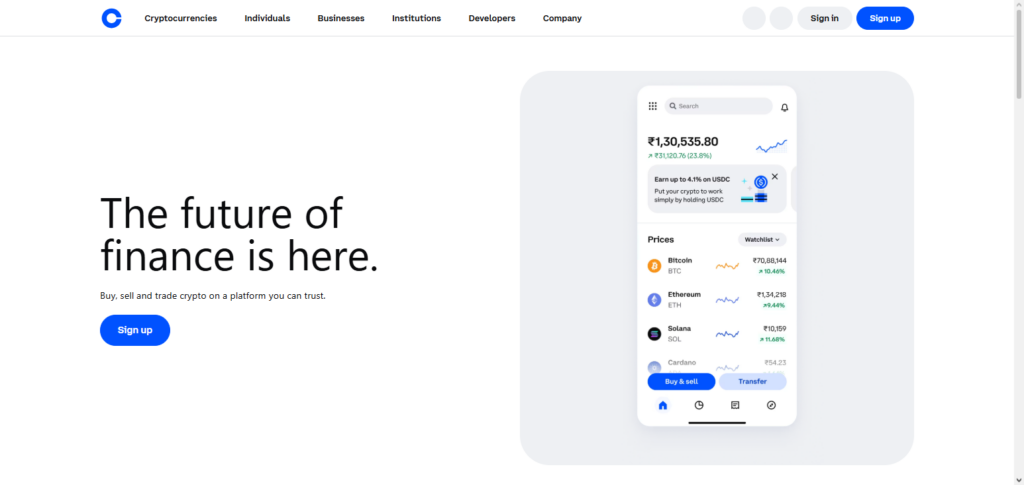
Step 1:access the Receiving Exchange by logging in.
Go to the Assets or Deposit area after logging into your Coinbase account.
Step 2: Choose the Cryptocurrency
From the list of cryptocurrencies you wish to receive, select USDT (Tether).
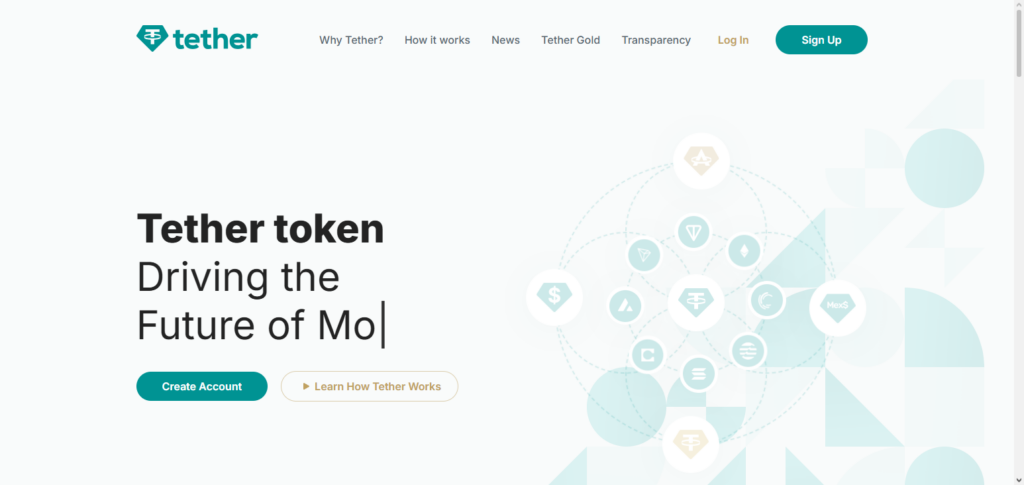
Step 3: Copy the deposit address
For USDT, Coinbase will create a wallet deposit address. Carefully copy this address. Additionally, some coins can need a sticker or reminder.
Step 4: Proceed to the Sending Exchange
Open your cryptocurrency wallet’s Withdraw section after logging into your Binance account.
Step 5: Paste the deposit address
Enter the Coinbase USDT deposit address in Binance’s recipient address field.

Step 6: Select the Appropriate Network
Choose the appropriate blockchain network (such as BEP-20, TRC-20, or ERC-20). The network needs to be the same as the one that Coinbase supports.
Step 7: Input the Amount
Enter the desired transfer amount in USDT. The withdrawal fee and total amount received will be displayed by Binance.
Step 8: Verify the Transaction
Finish the security check, such as the 2FA authentication, SMS code, or email confirmation.
Step 9: Await Blockchain Verification
The transaction will be processed on the blockchain following confirmation. The money will show up in your Coinbase wallet after the necessary confirmations are finished.
Reasons to Transfer Crypto Between Exchanges
Obtaining Additional Trading Pairs
Different cryptocurrency trading pairings are available on different exchanges. Traders can access new markets and trading opportunities by moving funds.
Opportunities for Arbitrage
The same coin may have different prices on different exchanges. In order to profit quickly from price disparities, traders move their cryptocurrency to another exchange.
Reduced Trading Charges
Lower trading or withdrawal costs are available on certain exchanges. To lower overall transaction and trading expenses, users can move their money.
Enhanced Liquidity
Larger exchanges can execute trades more quickly and at better prices since they frequently have higher liquidity.
Obtaining New Features
Some exchanges offer services that might not be found on other platforms, such as staking, futures trading, margin trading, or launchpad projects.
Enhanced Safety
For improved security and fund protection, users may transfer money from smaller, less safe exchanges to bigger, more reliable platforms.
Quicker Transactions
Certain exchanges facilitate cheaper transfer choices or speedier blockchain networks, which improves the efficiency of money transfers.
Management of Portfolios
To better arrange and manage their digital assets across various platforms, investors can move cryptocurrency across exchanges.
Fees Involved in Crypto Transfers
Fees for Blockchain Networks
A network fee must be paid to blockchain miners or validators who process and verify each cryptocurrency transfer. The blockchain network and congestion levels affect this cost.
Fees for Exchange Withdrawals
When you move bitcoin from their platform to another wallet or exchange, the majority of exchanges impose a set or variable withdrawal fee.
Deposit Charges (Uncommon Situations)
Depending on the cryptocurrency or network being utilized, certain platforms may impose modest fees even though many exchanges offer free deposits.
Conversion Charges
The exchange may impose a trading or conversion fee if you convert one cryptocurrency to another before transferring (for instance, converting Bitcoin to USDT).
Fees for Network Speed
In order to expedite transaction confirmation during network congestion, several blockchains permit users to pay additional fees.
Costs of Hidden Spreads
Exchanges may have a spread between purchase and sell prices when trading or selling cryptocurrency prior to transfer, which raises the price indirectly.
Fees for Third-Party Wallets
There may be extra processing or service costs if you transfer cryptocurrency using third-party wallets or payment services.
Safety Tips for Secure Crypto Transfers
Verify the wallet address twice.
Before sending cryptocurrency, be sure the recipient’s wallet address is correct. A minor error in the address can cause money to be lost forever.
First, send a small test transaction.
Send a tiny test transaction to make sure the network and address are correct before making a big transfer.
Pick the Appropriate Blockchain Network
Ensure the sending and receiving exchanges support the same network (such as ERC-20, TRC-20, or BEP-20). Money can be lost if the incorrect network is used.
Turn on two-factor authentication (2FA).
To provide an additional degree of security while making withdrawals, enable 2FA security on your exchange accounts.
Verify the Memo or Tag Requirements
Certain cryptocurrencies need a destination code, tag, or memo. The transfer may be delayed or prevented if this information is forgotten.
Steer clear of unprotected or public Wi-Fi
To lower the danger of hacking or phishing attacks, always conduct cryptocurrency transfers using a private, secure internet connection.
Check the Exchange Platform
To avoid phishing or fraudulent websites, make sure you are using the exchange’s official website or app.
Monitor Your Purchase
Until your transfer is confirmed, keep an eye on its status using the blockchain transaction ID (TXID).
Best Exchanges for Fast Crypto Transfers
Binance
Binance is well-known for its fast withdrawal processing and fast trading engine. When transferring cryptocurrency between exchanges, users can select quicker and more affordable transfer alternatives thanks to the platform’s compatibility for numerous blockchain networks.
Kraken
Kraken is well-known for its dependable and safe withdrawal process. Crypto withdrawals are frequently completed in 5 to 10 minutes, which makes them a viable choice for quick transfers.
Coinbase
With quick cryptocurrency withdrawals and speedy funding opportunities for some users, Coinbase is a beginner-friendly exchange. Depending on the network, significant coin transactions frequently finish in a matter of minutes.
OKX
OKX facilitates fast and inexpensive asset transfers across numerous chains by supporting numerous blockchain networks and Layer-2 solutions like Arbitrum and Optimism.
Bybit
Bybit processes withdrawal requests frequently throughout the day, and many users receive funds within 10–30 minutes after initiating a transfer.
KuCoin
KuCoin supports hundreds of cryptocurrencies and generally processes withdrawals within 15–30 minutes, making it suitable for traders who move funds between exchanges regularly.
Common Mistakes to Avoid
Sending to the incorrect wallet address
One of the most frequent errors is entering the wrong wallet address. Funds sent to the incorrect address are typically not recoverable since blockchain transactions are irreversible.
Selecting the Incorrect Network
The transfer may fail or result in lost money if you choose a blockchain network that isn’t supported by the destination exchange.
Disregarding Tag or Memo Requirements
Certain cryptocurrencies need a destination ID, tag, or note. If this information is overlooked, the transaction may be delayed or the money may be lost.
Failing to Send a Test Transaction
Errors are more likely when a big volume is sent without first being tested. To make sure everything is right, a quick test transfer is helpful.
Failing to Verify Transfer Fees
Higher fees are levied by certain networks or exchanges. Unexpected expenses may arise if the fees are not reviewed before shipping.
Sending Tokens That Are Not Supported
Making a cryptocurrency deposit that the receiving exchange does not support could result in lost money or difficult recovery procedures.
Pros & Cons
| Pros | Cons |
|---|---|
| Allows access to more trading pairs and markets on different exchanges | Network and withdrawal fees can increase transfer costs |
| Enables arbitrage opportunities when prices differ across exchanges | Sending to the wrong wallet address can result in permanent loss of funds |
| Helps traders move assets to exchanges with lower trading fees | Transfers can be delayed due to blockchain congestion |
| Allows users to access special features like staking, margin, or futures trading | Choosing the wrong blockchain network may cause transaction failure |
| Improves portfolio management by spreading assets across multiple platforms | Some exchanges require memo/tag details which can cause issues if missed |
| Users can move funds to more secure or trusted exchanges | Transactions are usually irreversible once confirmed on the blockchain |
| Supports faster trading by moving funds where liquidity is higher | Withdrawal limits or verification requirements may slow transfers |
Conclusion
For traders and investors seeking better trading possibilities, reduced costs, or access to new features, moving cryptocurrency across exchanges is a routine procedure. Users can move their cryptocurrency swiftly and safely by carefully verifying the wallet address, choosing the appropriate blockchain network, and verifying transaction details.
Before sending big sums of money, it is also advised to send a modest test transaction. Costly errors can be avoided by being aware of the fees, transfer times, and security procedures. Crypto transfers between exchanges can be effective, safe, and helpful for managing digital assets if the proper procedures and safety measures are taken.
FAQs
How do I transfer crypto from one exchange to another?
To transfer crypto, copy the deposit address from the receiving exchange, go to the withdrawal section of the sending exchange, paste the address, choose the correct network, enter the amount, and confirm the transaction.
How long does it take to transfer crypto between exchanges?
The transfer time depends on the blockchain network and exchange processing time. Most transactions take a few minutes to 30 minutes, but during network congestion it may take longer.
What is the cheapest way to transfer crypto between exchanges?
Using blockchains with low transaction fees such as TRC-20, BEP-20, or other low-cost networks can reduce transfer costs compared to more expensive networks.
Can I cancel a crypto transfer after sending it?
No. Most blockchain transactions are irreversible once confirmed. That is why it is important to double-check the wallet address and network before sending.