
In this article, I will explore the top NFT-backed subscription services and examine how they’re changing the way we access digital content, communities, and creator memberships.
These services offer NFT-based passes instead of traditional subscriptions, giving users true ownership and allowing creators to control their content. This service model improves transparency and flexibility while offering more value to users over time across the Web 3.0.
Key Point & Best NFT-Backed Subscription Services (Pay Using NFTs)
| Platform | Category / Function | Core Features (Key Points) |
|---|---|---|
| Audius | Decentralized Music Streaming | • Artist-owned music platform • Token-based rewards • No intermediaries |
| Mirror.xyz | Web3 Publishing & Funding | • On-chain articles • Crowdfunds via NFTs • Decentralized ownership of content |
| Unlock Protocol | Membership & Access Control | • NFT-based memberships • Paywall & gating tools • On-chain subscription management |
| Zora Protocol | NFT Marketplace Protocol | • Permissionless minting • Creator-friendly royalties • Optimized, low-cost transactions |
| Manifold Memberships | Creator Tools for NFTs | • Customizable membership NFTs • Creator storefronts • Analytics + token-gated utilities |
| Collab.Land | Token-Gated Community Tool | • Automated access control • Works with Discord/Telegram • Supports NFTs + ERC20 tokens |
| Royal.io | Music Royalty NFTs | • Fans buy royalty shares • On-chain revenue splits • Artist-first ownership model |
| NiftyKit Memberships | NFT Creator Platform | • Easy no-code minting • Membership contracts • Custom drops + token gating |
| Metaplex (Solana) | NFT Protocol on Solana | • Decentralized storefronts • Candy Machine minting • Low-cost Solana auctions |
| Lens Protocol | Decentralized Social Graph | • User-owned profiles • Modular social interactions • On-chain content + follower graph |
1. Audius
Audius has been at the forefront of the best NFT-backed subscription services as it revolutionizes the tokenization of music access with full control by the creators.
Fans do not have to adhere to old restrictive business models as they can pay to unlock premium content, community access, or exclusive songs by simply holding specific NFTs.
This allows the artists to completely control how they wish to profit off their music while fans get a permanent, on-chain access pass.
Audius is a one of a kind service as it decentralized music, hosts it, and seamlessly provides subscriptions without a middleman, all while providing the fans true ownership and the creators flexible monetization.
Pros & Cons Audius
Pros:
- Decentralized, which gives each artist their own control of the platform.
- NFT-based subscriptions are ownable by fans for permanent access.
- Provides a fair division of revenue.
Cons:
- Content is only streamable in the music genre.
- NFT adoption for non-crypto users is complicated.
- Limited network scalability results in slow streaming.
2. Mirror.xyz
NFT-backed subscription services like Mirror.xyz make membership, writing and publishing an on-chain asset that belongs to users. Users can buy and hold an NFT that unlocks…
\n\nWith this model, reflective authors retain control of how they distribute and monetize while keeping full control of how they engage with their audiences, making this model far more appealing than centralized options.
What makes this model reflective and powerful is the publishing and Web3 intertwined systems.
This allows authors to turn content into access passes that can be verified and traded. It’s a first of its kind model, where subscription services are transformed into a digital asset rather than renting a temporary access to the service.
Pros & Cons Mirror.xyz
Pros:
- NFT holders can unlock exclusive content.
- NFTs enable creator monetization along with the crowdfunding feature.
- Transparency is offered with decentralized ownership.
Cons:
- The target audience is writers and bloggers.
- Users need to have a crypto wallet.
- More significant supporters might be affected by gas fees on some blockchains.
3. Unlock Protocol
Because Unlock Protocol was made primarily for tokenized access, memberships, and recurring benefits powered by NFTs, it’s one of the best NFT-backed subscription services. NFT holders do not have to go through the traditional monthly payments or login systems to access special content, events, or communities.
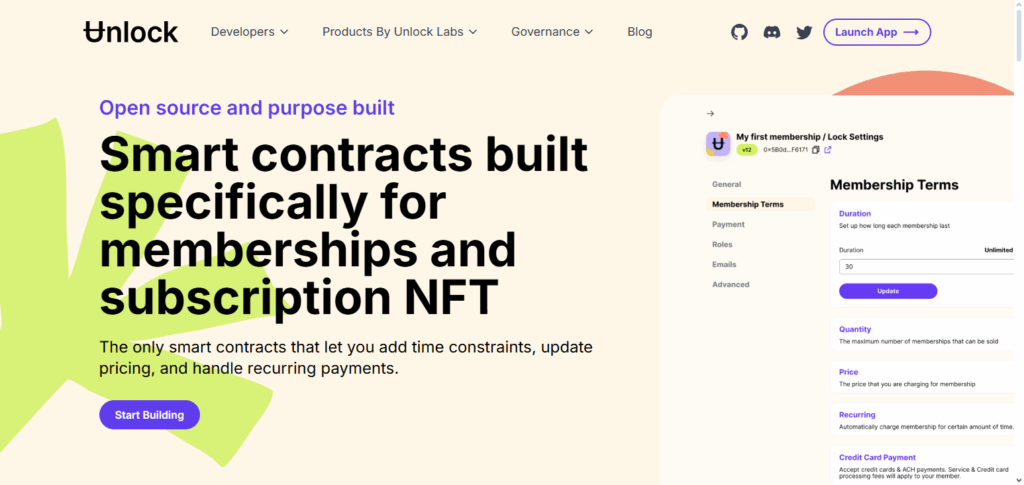
They have a key that allows them to unlock the services. Each creator has the freedom to decide how long, how much, the renewal logic, and what benefits to give the membership NFTs.
This is what makes Unlock Protocol one of the best in it’s class. No other service has the boundless and unrestricted systems. Any app, platform, or website is able to integrate this NFT powered subscription service in an instant. User memberships are not restricted to one platform, and they don’t have to worry about losing it’s accessibility.
Pros & Cons Unlock Protocol
Pros:
- NFT membership options available for applications and websites.
- Users can customize the membership.
- Integrates in a snap and is open-source.
Cons:
- Optimal use depends on some technical setup.
- More blockchain knowledge is needed for creators.
- Limited adoption is seen outside of Web3 communities.
4. Zora Protocol
Because it allows creators to transform access, benefits, and unique experiences into dynamic, on-chain assets, Zora Protocol is regarded as one of the top NFT-backed subscription services.
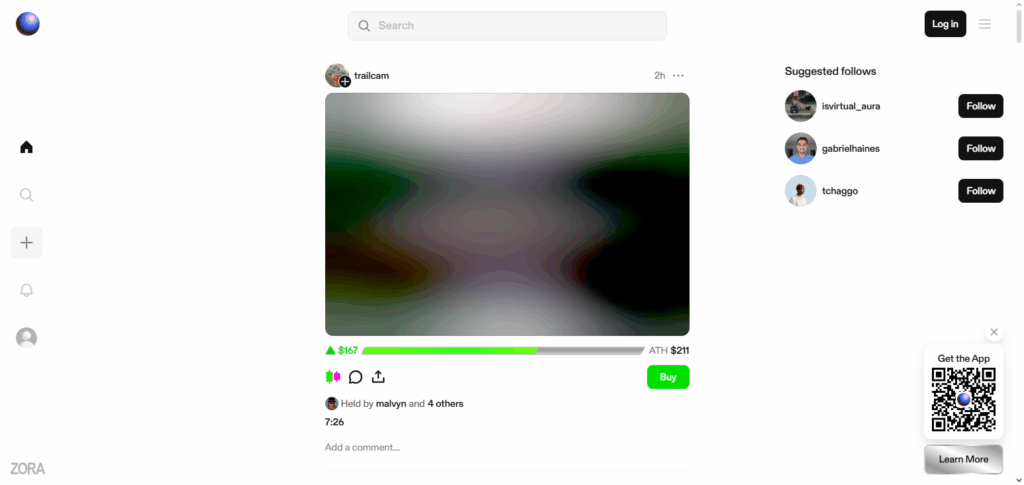
Creators can issue NFTs, which function as subscription passes and provide holders with continuous benefits as long as they own the token, in place of depending on centralized systems. Zora’s distinctive strength is its robust protocol architecture and flexible,
permissionless minting, which let producers create their own rules, tiers, and utilities without the need for middlemen. Because of its open marketplace, which guarantees that these access NFTs are transparent, liquid, and verifiable, subscriptions become more robust, marketable, and really user-owned.
Pros & Cons Zora Protocol
Pros:
- Users can mint subscriptions without permission.
- High royalties for creators are offered with low-cost transactions.
- Multiple tiers are available with various utilities.
Cons:
- Focused on Ethereum, which results in high gas fees.
- Those who lack technical know-how may struggle to use the software.
- The functions pertaining to the built-in marketplace are limited when it comes to subscriptions.
5. Manifold Memberships
Manifold Membership is one of the best NFT-backed subscription services because it allows creators to design, automate, and implement on-chain membership access in their entirety and to whatever level of customization they desire.

Instead of rigid subscription services, creators can offer customized membership NFTs that grant access to exclusive content, private communities, special drops, and/or ongoing perks.
The biggest differentiator from other services is the creator smart contracts that keep every membership completely customizable, visible on-chain, and permanently tied to the creator. This allows creators to build subscription models with a variety of on-chain utility and VIP experiences users can hold, trade, or collect.
Pros & Cons Manifold Memberships
Pros:
- The smart contracts can be modified completely by the user.
- Ability to customize membership perks without coding.
- On-chain access and ownership can be verified by anyone.
Cons:
- A certain degree of Web3 knowledge is essential.
- The platform is smaller and therefore has fewer collaborations.
- There is a need for marketing aimed at NFTs to get subscribers.
6. Collab.Land
Collab.Land’s seamless integration of token ownership with real-time access to communities, content, and member-only benefits makes it one of the top NFT-backed subscription businesses.
Users validate access by holding particular NFTs in place of traditional subscription payments, making membership a portable and verifiable digital asset.
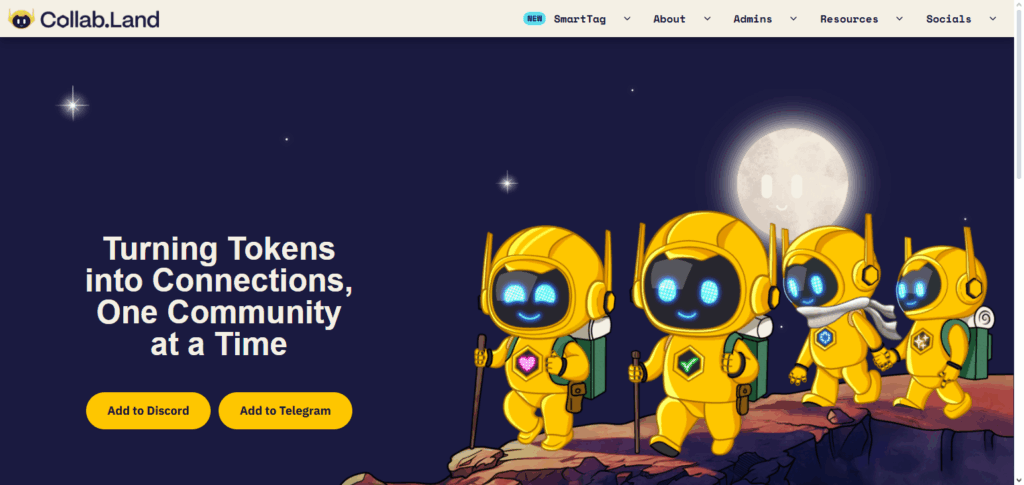
The distinctive feature of Collab.Land is its automatic token-gating system, which allows for fast role assignment, renewals, and access control without the need for manual management by integrating directly with platforms like Telegram and Discord.
This enables creators to reward true fans while upholding a safe, on-chain membership economy by making community subscriptions more transparent, user-owned, and seamless.
Pros & Cons Collab.Land
Pros:
- Community membership that includes token-gated access for users.
- Integrates to use the platform for Discord and Telegram.
- Memberships that are managed manually are not needed.
Cons:
- Less emphasis is placed on content.
- Changes can happen to platform APIs that the system depends on.
- The tokens a user has affects the user’s subscription flexibility.
7. Royal.io
Because it converts music access and fan involvement into verifiable, on-chain assets, Royal.io stands out as one of the top NFT-backed subscription services.
Fans can hold NFTs that provide continuous perks like exclusive tracks, behind-the-scenes content, or even a portion of music earnings in place of paying regular fees.
This establishes a subscription paradigm in which temporary access is replaced with ownership.
With tokenized rights and long-term benefits, Royal.io’s fan-as-partner approach gives fans a direct say in an artist’s success. In a way that traditional platforms cannot match, this gives memberships greater significance, transparency, and financial empowerment for both artists and fans.
Pros & Cons Royal.io
Pros:
- NFTs can be subscribed to for sharing music royalties.
- Engagement and monetization with fans is direct.
- Holders of the NFTs can periodically benefit.
Cons:
- Financial royalties and music are the only things that can be shared.
- There is an infinite amount of ownership for users to blockchain assets.
- Demand may control liquidity on NFTs.
8. NiftyKit Memberships
One of the greatest NFT-backed subscription businesses is NiftyKit Memberships, which enables entrepreneurs to introduce completely customisable membership passes without requiring outside developers or technical expertise.
By merely possessing a membership NFT, supporters can access exclusive content, drops, or communities without having to make regular payments.
NiftyKit’s no-code smart contract approach, which allows developers to specify responsibilities, rewards, and utilities while maintaining complete control of their contracts, is what makes it so powerful.
This guarantees that memberships are adaptable, portable, and openly administered on-chain, providing fans with genuine digital ownership and creators total control over the evolution of their subscription experience.
Pros & Cons NiftyKit Memberships
Pros:
- NFT memberships can be made without coding.
- Gated content and perks can be dropped and the options are customizable.
- The smart contracts are completely creator owned.
Cons:
- A more mainstream audience is needed to embrace the technology as their focus is NFTs.
- There is a need for marketing effort to attract subscribers.
- More recent developments and developments around integrations have been limited.
9. Metaplex (Solana)
One of the greatest NFT-backed subscription services is Metaplex on Solana, which allows producers to quickly and affordably issue membership NFTs that grant continuous access to content, privileges, or community advantages.
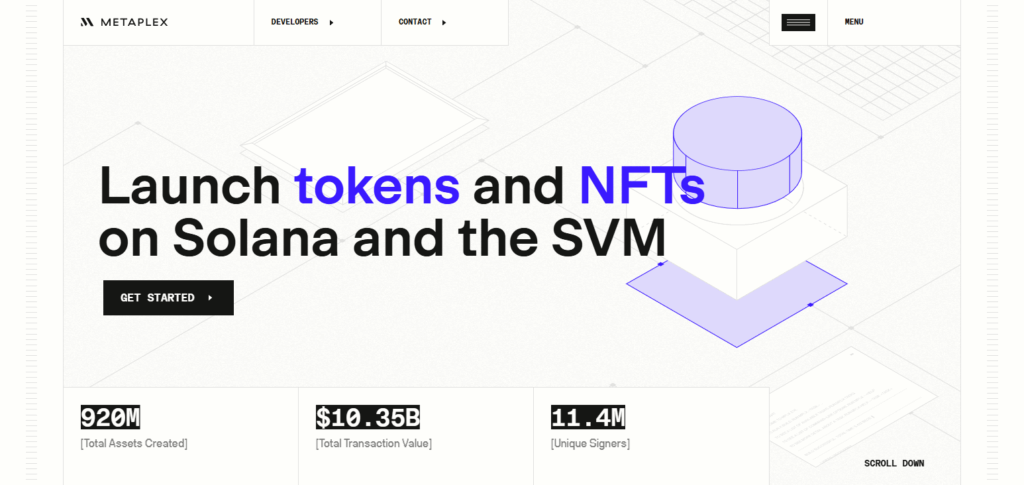
Users only need to hold a subscription NFT instead of utilizing conventional payment methods, making access portable and user-owned. Metaplex’s distinct edge stems from its high-performance Solana infrastructure, which facilitates frictionless verification, scalable membership drops, and low-cost minting.
For very little money, creators can create time-based passes, evolving utilities, or subscription levels. This preserves complete on-chain transparency while making NFT-based memberships more affordable, effective, and long-lasting than Ethereum-based alternatives.
Pros & Cons Metaplex (Solana)
Pros:
- NFT subscriptions on Solana are cheap and fast.
- Scalable membership drops and minting.
- Flexible utilities and tiers for subscriptions.
Cons:
- Solana network outages are unguardable.
- Participants need Solana tokens and wallets.
- Non-Solana NFTs are unsupported.
10. Lens Protocol
Because it converts social interactions into fully tokenized, user-owned experiences, Lens Protocol is among the top NFT-backed subscription services. Creators can issue follow NFTs, access NFTs, or gated content passes that serve as continuous membership tokens in place of platform-controlled subscriptions.
The exclusive rights to premium posts, exclusive communities, or unique creator benefits are granted to holders of these NFTs.
Lens’s modular social graph, where all interactions—following, collecting, and subscribing—are saved on-chain and transferable between apps, is what gives it its special power. By ensuring that subscriptions aren’t restricted to a single platform, this decentralization gives users genuine digital access rights and producers ownership of their audience.
Pros & Cons Lens Protocol
Pros:
- NFT subscriptions for decentralized social graphs.
- Seamless portability across apps and platforms.
- On-chain content and user-owned profiles.
Cons:
- More oriented for social content – other content types less ideal.
- More Web3 understanding needed for full participation.
- Full utility requires widespread adoption for dependency to work.
Conclusion
By substituting actual digital ownership for transient, platform-controlled access, the finest NFT-backed subscription services transform the relationship between artists and users. These platforms enable supporters to access continuous benefits just by possessing an NFT, whether for writing, music, memberships, or social communities.
This paradigm allows authors much more control over price, benefits, and audience interactions while doing away with middlemen and introducing transparent on-chain verification.
Simultaneously, users receive tradable, portable, and cross-ecosystem verifiable access passes. When taken as a whole, these developments demonstrate how NFT-powered subscriptions are creating a digital economy that is more user-owned, flexible, and open.
FAQ
NFT-backed subscription services allow users to access premium content, communities, or benefits by holding a specific NFT instead of paying recurring monthly fees. The NFT acts as a digital access pass stored on-chain.
Traditional subscriptions require continuous payments and rely on centralized platforms. NFT subscriptions provide permanent, user-owned access as long as the NFT is held, making access portable, tradable, and censorship-resistant.
Yes. Some platforms issue time-bound NFTs with built-in expiration dates, while others offer lifetime memberships. Creators can customize duration based on their subscription model.