


In this article, I will discuss the How to Set Up Bridging with Hash Time-Locked Contracts (HTLC).
HTLCs are important for cross-chain transactions as they allow for trustless and secured transfers of assets by enabling locking until required conditions are fulfilled.
Bridging with HTLCs facilitates secure transfers of assets across blockchain domains which is an easier and a more decentralized method for transferring assets between diverse ecosystems.
What is Bridging?
Bridging in blockchain is the term used when describing the movement of assets or information between two distinct and autonomous blockchain networks.

It enables the user to transfer tokens, smart contracts or any other digital asset from one blockchain to another without any hindrances.
By providing links between networks, bridging solutions aids blockchain scalability which permits the functioning of decentralized finance (DeFi) applications or other activities that span multiple blockchains.
This improves the ease with which blockchains can be utilized while also increasing the flexibility allowing enhancing the system.
How To Set Up Bridging Using Hash Time-locked Contracts

Here’s an example of how to set up bridging using HTLC (Hash Time-locked Contracts) for securely cross-chain transactions:
Step-by-Step Guide
Understanding the Basics of HTLC
HTLCs utilize a combination of hash locks and time locks as a means of guaranteeing that funds are only transferred under certain predefined conditions. If the conditions are not satisfied within a specific time frame, the funds are automatically sent back to the original sender, the conditions are not fulfilled within the stipulated time.
Deploy Smart Contracts on Both Chains
Design and deploy HTLC smart contracts on both the source and destination blockchains. These contracts will be responsible for locking and unlocking the associated funds.
Issuing a Secret Hash
The sender creates a secret and its hash. The sender will make the secret and its hash; the latter being the hash for the condition which will unlock the funds disbursed.
Lock Funds on the Source Chain
The sender locks the funds on the HTLC smart contract on the source blockchain. The contract will prescribe a set of rules which obligate the recipient to availing the secret/puzzle solution (the hash’s pre-image) the funds will be locked.
Mirror the contract on the destination chain
An equivalent HTLC smart contract is made on the destination blockchain. It uses the same mechanism with the hash condition for releasing the funds.
Disclose the Secret
The provider gives out secrets to withdraw the balance in the destination chain. This action simultaneously unlocks the secret for the source chain.
Withdraw Funds from the Source Chain
The sender unlocks the revealed secret to withdraw the funds from the source chain, therefore completing the transaction.
Track and Confirm
Track the execution of the transaction on both chains via tracking websites which allow you to check the status of a blockchain.
Other Place Where Set Up Bridging Using Hash Time-locked Contracts
Connext
Connext is a platform that allows smooth bridging between blockchains in a decentralized manner through Hash Time-Locked Contracts (HTLCs).

Connext employs HTLCs for secure and trustless cross-chain transfers, eliminating the risks of fraud and double spending.
Its distinctive method incorporates off-chain technology, improving scalability while still retaining robust security. This framework makes faster and more efficient transactions possible, positioning it as a leader in the emerging sphere of blockchain interoperability.
Avalanche Bridge
Avalanche Bridge implements secure and speedy transfers between Avalanche Network and Ethereum using Hash Time-Locked Contracts (HTLCs).
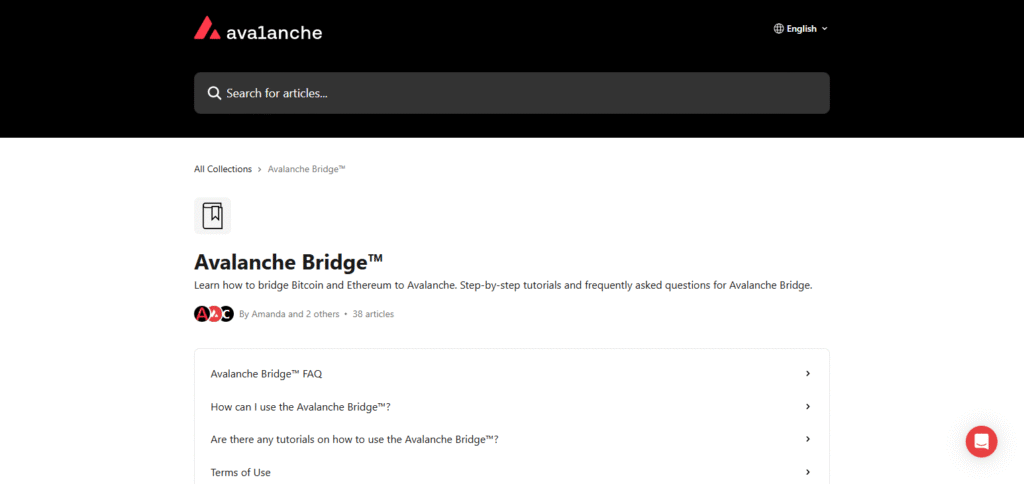
By employing HTLCs, the bridge guarantees the transfer of assets only when both signing conditions are met, which removes any possibility of malicious activities.
The bridge’s particular solution is in offering low-cost, high-speed transactions, which is convenient for users who want to move their assets between different ecosystems.
Benefits of Using HTLC for Blockchain Bridging
Security
Prior to the transfer of assets taking place, HTLCs enforce specific conditions to be met that guarantee only valid transactions which mitigates fraudulent activities.
Trustlessness
HTLCs allow parties to connect bypassing any intermediary, nurturing a more secure and decentralized environment.
Alteration of The Same Principal
After HTLCs fulfill the requirements that were needed to be locked in place, they guarantee that the funds cannot be accessed to spend more than once.
Efficiency
Cross chain transfers are expedited at greatly reduced costs and increased scalability leading to overall enhancement of user experience in blockchain ecosystems which is facilitated by HTLCs.
Risk & Considerations

Risks
Strain of Time: A revealing of pre-image after a certain point of time will lead to a roll back of funds which in turn leads to added transactional loss.
Risk From Security: Failing to observe Protocols while deploying HTLC or mistakes in algebraic logic leads to risk which violates the primary essence of these contracts.
Heavy Costs of Transactions: Transfers bridging different Chains may necessitate operational transactions that incur additional costs which over time affects the system.
Problems Central to Coordination Between Chains: Executing the same operation on both Blockchains is not trivial and there are multiple standards which can make coordination error-prone.
Errors Made By a User: Pre-image being cryptographic in nature can lead to failure of deploy contract by omission or submission or generation leading toward monetary issues.
Considerations
Robust Implementation: Ensure HTLCs are implemented with strict security protocols, following industry standards with thorough testing or audit procedures to avoid any possible exploits or loopholes.
Time-lock Period: Set a reasonable period for the time-lock that provides adequate duration for the parties to unveil the pre-image but does not expose the arrangement for too long.
Cost Analysis: Study the transaction costs associated with the efficiency of the bridging process to determine if proceeding further makes economic sense.
Reliable Communication: It is important that both parties coordinate in a punctual and secure manner to ensure that all steps of the bridge process happen seamlessly.
Backup Plans: Analyze proposals for resolving issues of this nature, typically involving fund reclamation or resolution through governance adjudication.
Pros & Cons
| Pros | Cons |
|---|---|
| Security: Ensures only valid transactions occur, reducing fraud risks. | Time Lock Expiration: Transactions may fail if conditions are not met before the time lock expires. |
| Trustlessness: Removes the need for intermediaries, enhancing decentralization. | Smart Contract Vulnerabilities: Potential bugs in the contract code can introduce security risks. |
| Prevention of Double-Spending: Prevents the same asset from being spent multiple times. | Network Failures or Delays: Blockchain congestion or downtime may delay transactions. |
| Efficiency: Facilitates faster, low-cost, and scalable cross-chain transfers. | Incorrect Hashes: Hash mismatches can cause transactions to fail, requiring careful validation. |
| Scalability: Allows for seamless bridging across multiple blockchains. | Liquidity Issues: Insufficient liquidity can disrupt the bridging process and hinder successful transfers. |
Conclusion
In summary, I discussed setting up bridging with the use of Hash Time-Locked Contracts (HTLC). Cross-chain transactions are made secure and trustless through the use of HTLCs, as the movement of assets takes place only when certain predefined conditions are satisfied.
Even though they provide a greater level of security, increased efficiency, and fraud mitigation, users should be concerned about the possible risks including time lock expiration and network latency.
Regardless of these issues, there remains no doubt that HTLCs are an important element for different blockchains to work together effortlessly.