


I’ll talk about whether meme coins are dying or simply changing in this post. Memes have gained international attention after first being perceived as lighthearted, hype-driven tokens like Dogecoin and Shiba Inu.
Their role in the cryptocurrency market is changing from pure speculation to creative, community-driven digital assets as they integrate with DeFi, NFTs, and gaming.
What Are Meme Coins?
Meme coins are a distinct class of cryptocurrency that started out mostly as jokes or online memes but have become extremely famous as a result of viral marketing and community buzz.
Memes frequently lack intrinsic value or usefulness, in contrast to conventional cryptocurrencies like Bitcoin or Ethereum, which are made for utility, security, or decentralized finance.
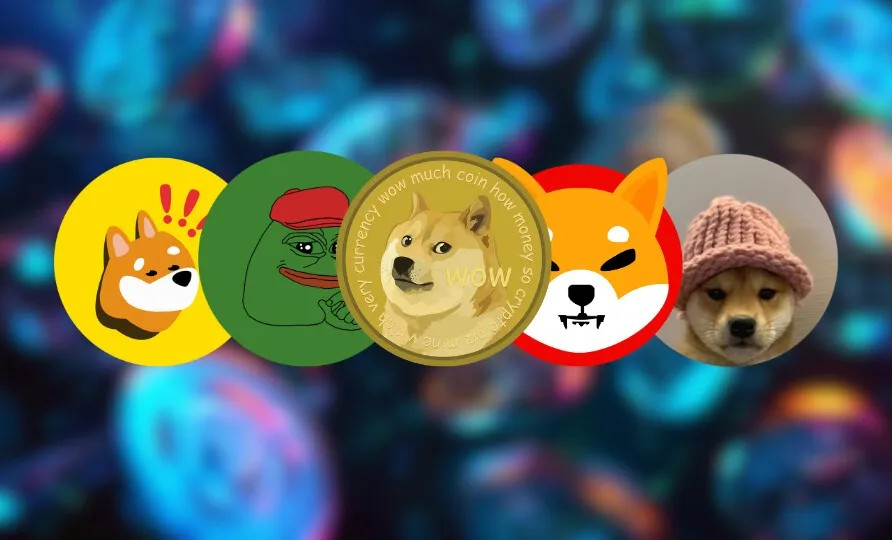
Social media trends, celebrity endorsements, and online communities that support them are the main factors that drive their worth. Two well-known examples are Dogecoin and Shiba Inu, which began as amusing tokens before becoming cultural icons.
Even if they are speculative, several meme coins are developing and integrating into gaming ecosystems, DeFi platforms, and NFTs, demonstrating that these tokens may be used for purposes more than mere amusement or fad investments.
Are Meme Coins Dead or Just Evolving?
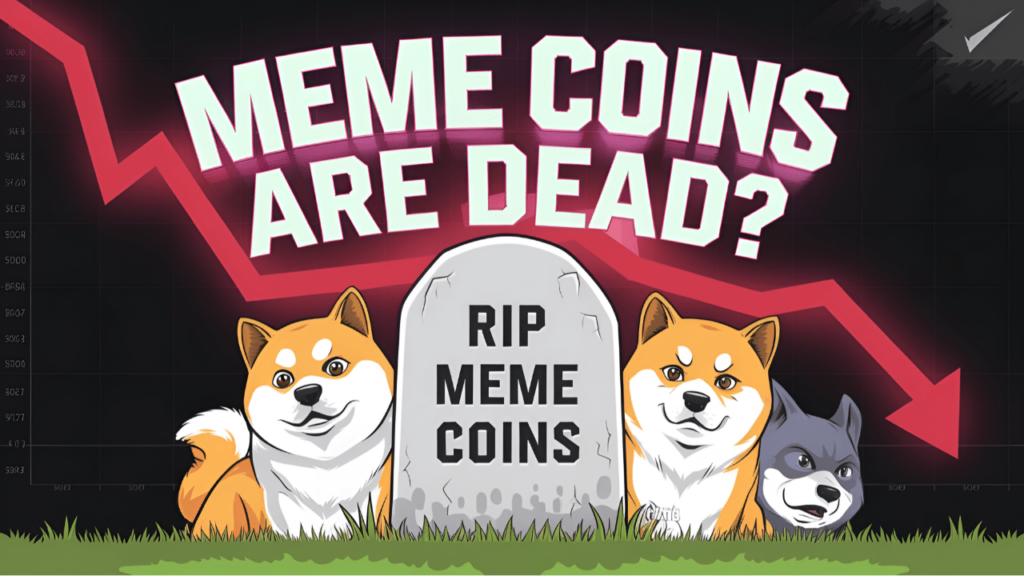
Although they are still very much alive, meme coins are definitely changing. Tokens like Dogecoin and Shiba Inu flourished in the early 2020s solely on the basis of excitement, virality on social media, and celebrity endorsements; they frequently saw sharp, erratic price fluctuations.
Today, the scene has evolved: new initiatives are including genuine value, like DeFi functionalities, NFT partnerships, and play-to-earn gaming ecosystems, while other older meme currencies have stalled or lost interest.
Although communities continue to be the key motivator, investors are now more interested in sustainable tokenomics, governance features, and innovation than in sheer speculation.
Memes are changing from joke assets to community-driven, experimental tokens with possible real-world uses in 2026, demonstrating that they are developing rather than going extinct.
Factors Driving Evolution of Meme Coins
Linkage to DeFi Services
Meme coins have begun allowing holders to stake, provide liquidity, and yield farm, meaning that holders have real financial incentives beyond mere speculation.
Associated NFTs
Meme coins have the potential to be linked to the purchase of exclusive NFTs, which can act as digital collectibles and build the community.
Gamification & Play-to-Earn
Meme coins can be used in conjunction with blockchain video games, allowing players to earn and spend the coins within the gaming ecosystem, thereby increasing the overall adoption.
Tokenomics
New meme coins are designed in such a way that they offer innovative burning, rewarding, and governance systems that are intended to give the meme coins a more sustainable future and encourage positive participation from the community.
Community Governance
meme coins have begun becoming more decentralized and community owned, as community members now actively determine the future of the coin, its partners, and its development.
Media Coverage & Celebrity Sponsorship
Endorsements and media coverage of the coins generate hype, which encourages the purchase of the coins from new investors, further increasing adoption.
Adherence to Regulations
Meme coins that follow a regulatory framework are seen as more legitimate, and present less risk from a legal standpoint to investors.
Current State of Meme Coins in 2026
Compared to their initial boom phase, meme coins now hold a more nuanced position in the cryptocurrency industry in 2026. Many of the original meme coins are still in use today, with devoted communities and high trade volume, even though some have suffered a decline in interest and price fluctuation.
With deeper utility links, like as decentralized banking capabilities, NFT integrations, and blockchain gaming ecosystems, newer meme tokens have emerged.
The meme currency industry’s market capitalization has become increasingly divided; some initiatives continue to thrive on sentiment and social media excitement, while others gain traction by providing tangible use cases or community-driven governance.
All things considered, meme coins are no longer just speculative innovations; rather, they are a reflection of the wider crypto ecosystem’s increasing structural sophistication as well as their enduring cultural appeal.
Historical Rise and Fall of Meme Coins
Meme coins started out as playful experiments; Dogecoin, a joke based on the well-known “Doge” meme, first appeared in 2013. These tokens were mostly used as entertaining, community-driven digital assets at first, with little to no significant uptake.
Fueled by social media buzz, celebrity endorsements (most notably Elon Musk for Dogecoin), and the overall cryptocurrency bubble, the first significant spike took place between 2020 and 2021.
Memes attained previously unheard-of market capitalization during this time, drawing interest from the general public as well as from individual investors.
However, as speculation fueled by enthusiasm proved unsustainable and many tokens lacked usefulness, their quick ascent was followed by steep drops. NFT partnerships, DeFi capabilities, and game inclusion in more recent meme coins indicate evolution rather than total collapse, despite the ecosystem’s adaptation.
Risks and Challenges
High Volatility
Unsurprisingly, investments are unpredictable and extremely risky. The prices are likely to go up and down numerous times.
Speculative Nature
Most meme-based coins are likely to have little to no value, with meme coins driven by meme-based engagement and social media.
Regulations
Governments have started placing regulations on meme coins, and meme coins could face bans across certain jurisdictions.
Developer Oversight
In complete meme coins/decentralized finance, there is little to no over scope on the development of the coin, leading to increased vulnerability to hacks, scams, and rug pulls.
Market Competition
There are thousands of meme coins within the meme coin space, leading to saturated and overly competitive markets.
Limited Real-World Adoption
Meme coins often have little use and little real-world application, offering little outside of entertainment.
Community Engagement
The community within a coin often are the driving force behind the coin. If community engagement declines, the value of the coin will likely follow.
Future Outlook
In 2026, meme coins appear to be a developing area within the cryptocurrency ecosystem rather than a passing fad. Utility-focused meme currencies are becoming more popular thanks to DeFi integration, NFTs, and blockchain games, whereas pure hype-driven tokens may still experience instability and sporadic collapses.
Although communities continue to serve as the foundation, investors now anticipate improved governance, tokenomics, and other practical uses. As regulatory clarity improves and safer participation channels become available, mainstream usage may rise.
All things considered, meme coins are probably going to develop into hybrid assets that combine elements of a functional cryptocurrency and a cultural phenomena, providing both entertainment value and real-world use. This will mark the maturation of what were previously thought to be solely speculative digital assets.
Conclusion
The popularity of meme coins is still growing. What started out as amusing, fad-driven tokens like Dogecoin and Shiba Inu has developed into a more intricate ecosystem with a growing emphasis on practical uses, community governance, and utility.
New projects are incorporating DeFi capabilities, NFTs, and game elements, demonstrating innovation beyond simple amusement, whereas some older meme coins have declined due to lack of adoption or excessive speculation.
Communities and investors now prioritize governance, sustainability, and tokenomics over viral buzz alone. Memes are a cross between culture and functionality in 2026, demonstrating that they are changing to fit the changing bitcoin scene rather than going extinct.
FAQ
What are meme coins?
Meme coins are cryptocurrencies that originated from internet jokes or memes. They are usually community-driven and often gain value through social media hype rather than intrinsic utility.
Are meme coins still relevant in 2026?
Yes. While some older meme coins have faded, many continue to thrive with active communities and new projects integrating DeFi, NFTs, and gaming features.
Why do meme coins experience high volatility?
Their prices are largely driven by speculation, social media trends, and community sentiment, making them more prone to sudden spikes and crashes than traditional cryptocurrencies.
Can meme coins have real-world utility?
Yes. Modern meme coins are evolving by offering staking, governance, NFT collaborations, and in-game uses, moving beyond purely entertainment-driven tokens.
Are meme coins a good investment?
They can be profitable but are high-risk. Investors should research the community, tokenomics, and project roadmap before investing and treat them as speculative assets.