


In this article, I will talk about the Best Cross-chain NFT Aggregator Apps. There is seamless trading of NFTs across various blockchains.
This gives users better liquidity, lower fees, and quicker transactions. I will describe important aspects of the top platforms so you can select the most suitable one for efficient cross-chain NFT swapping and trading.
Key Point & Best Cross-chain NFT Aggregator Apps List
| Platform | Key Feature |
|---|---|
| 1inch Network | Decentralized exchange aggregator with reduced slippage |
| Matcha | Simple interface and aggregation for better liquidity |
| KyberSwap | Multi-chain liquidity and low fees for token swaps |
| Atlas DEX | Cross-chain decentralized exchange with fast settlement |
| Rango Exchange | Cross-chain swaps with support for numerous blockchains |
| Synapse | Cross-chain liquidity hub for DeFi and bridging assets |
| Stargate Finance | Cross-chain asset transfers with instant finality |
| Hop Protocol | Cross-chain token transfers using a multi-hop routing mechanism |
| Orbit Bridge | Fast cross-chain bridging with support for a variety of tokens |
1.Rubic
Rubic is regarded as one of the best cross-chain NFT aggregator applications. Users can trade NFTs from numerous networks without needing to switch platforms due to the effortless integration Rubic provides across blockchains, making it stand out even more.
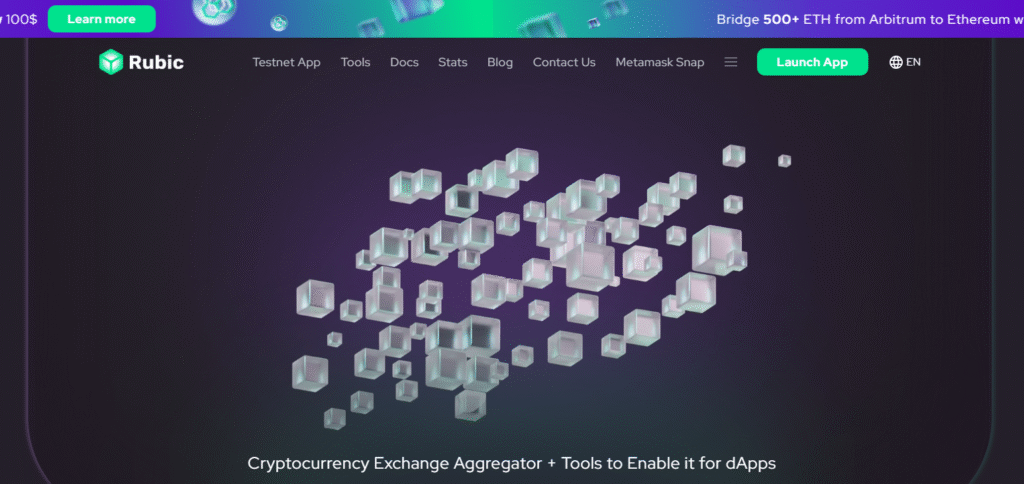
It is the number one choice due to it’s interface, transaction costs, and security. Moreover, Rubic’s capability of aggregating liquidity from several chains makes NFT liquidity fast, ensuring hassle-free trading and collection anywhere, anytime.
Pros & Cons Rubic
Pros:
- Multiple blockchains are supported allowing cross-chain NFT trading.
- Seamless experience due to fast transactions and low fees.
- Provides journeys for novice and experienced traders using a simplistic navigable interface.
Cons:
- Smaller blockchain networks have limited support, and may restrict access for users.
- During peak periods of high traffic, Rubic may experience occasional delays.
- New users may be overwhelmed by advanced features.
2.1inch Network
1inch Network is a renowned cross-chain NFT aggregator app owing to its liquidity aggregation and routing algorithm capabilities.
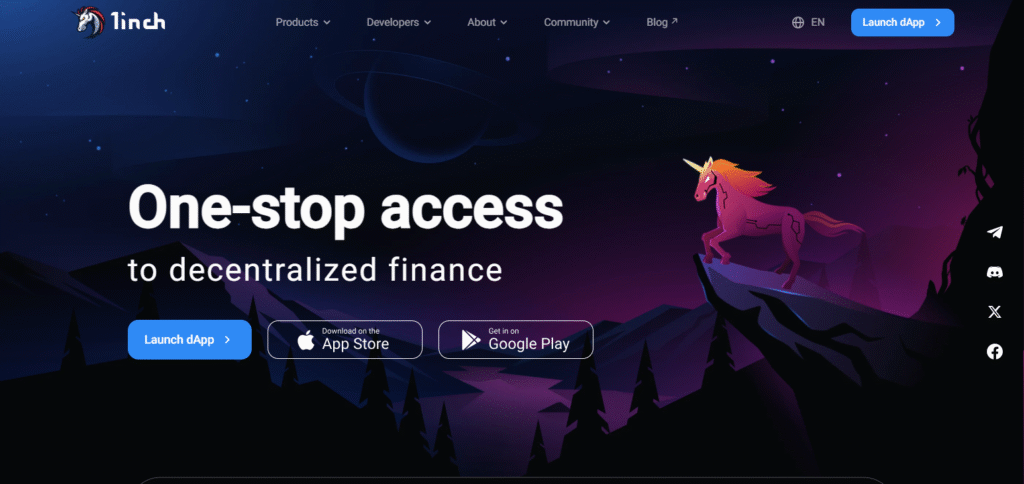
It aggregates numerous decentralized exchanges providing users with the best price and slippage across multiple blockchains.
The platform’s features, such as gas and transaction fee optimization, make it a reliable center for NFT trading. 1inch connects different liquidity pool networks which ensures effortless and affordable cross-chain transactions, perfect for NFT users.
Pros & Cons 1inch Network
Pros:
- Aggregates liquidity from multiple decentralized exchanges guaranteeing the best prices.
- Slippage from inefficient routing algorithms is minimized.
- Gas spending, and transaction costs are minimized.
Cons:
- An experienced look may be too much for newcomers using the app for the first time.
- Some chains do not host a collection-specific NFT across multiple spans.
- Certain advanced features may have a high barrier for entry.
3.Matcha
Matcha is known as one of the leading cross-chain NFT aggregator applications because of its smooth design and compatibility with numerous blockchains.
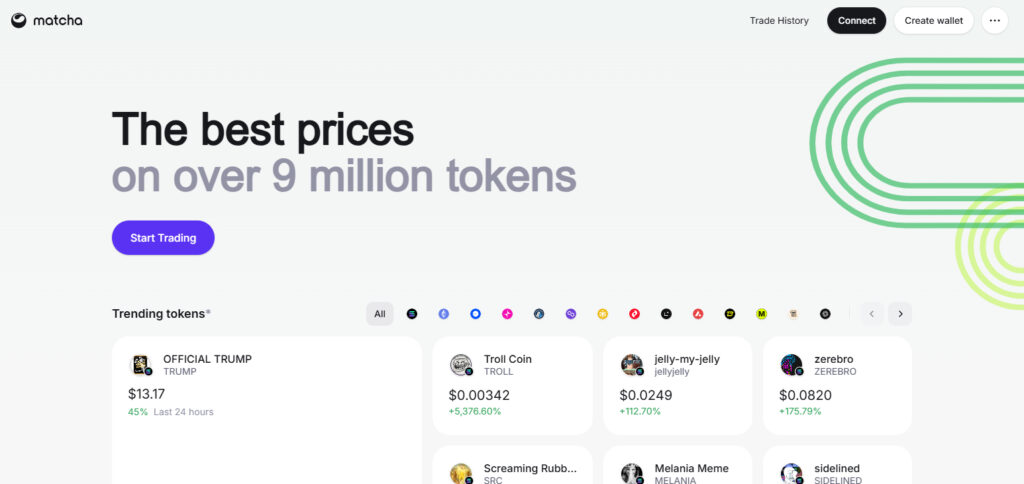
What differentiates Matcha from its competitors is smart order routing, which strategically looks for the best price across different liquidity providers.
This guarantees slippage of no more than the absolute minimum and optimal efficiency for users, all within the smoothest trading environment. Low fees coupled with extensive token support makes Matcha an attractive platform for NFT collectors and traders.
Pros & Cons Matcha
Pros:
- Best pricing options available as liquidity from various places are aggregated.
- Multiple and numerous blockchain networks are supported making cross-chain trades easy.
- Simple interface making it easy for novices to use.
Cons:
- Not particularly useful for advanced traders due to limited features.
- Certain NFT ecosystems have restricted access.
- Compared to some decentralized options, the fee structure may be deemed too expensive.
4.KyberSwap
KyberSwap is the first and best-in-class NFT aggregator app that has received the most accolades for its multi-chain liquidity and low-fee token swaps.
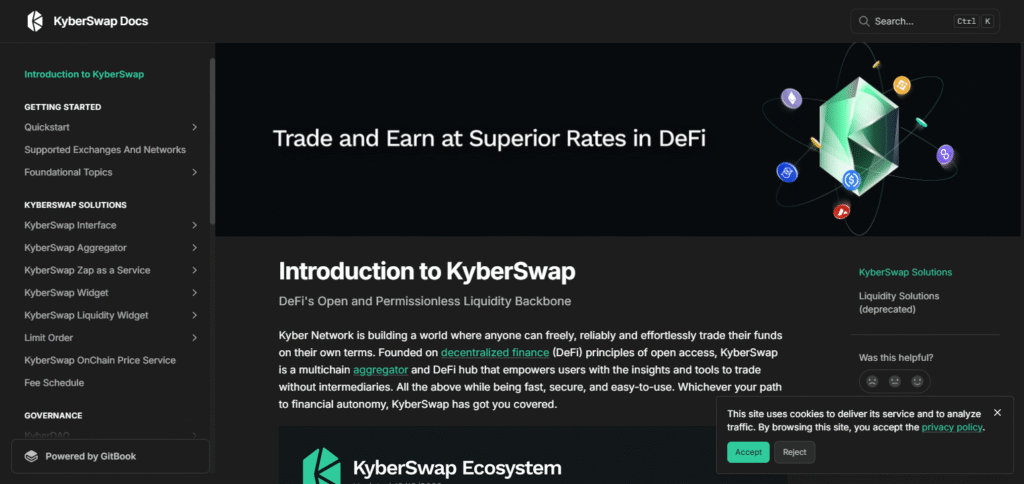
It excels in offering a decentralized exchange aggregator that pulls together liquidity from a wide range of decentralized exchanges to facilitate trading of s NFT at the best prices.
With supporting multitude of blockchains, KyberSwap is able to execute transactions almost instantaneosly which provide a pleasant and efficient user experience trading NFT on cross-chain.
Pros & Cons KyberSwap
Pros:
- Best token swap prices are guaranteed via multi-chain liquidity aggregation.
- Minimal fees and swift secure transaction processing.
- Multi-chain and multi-asset support make it flexible.
Cons:
- Newer, more niche NFT networks have limited access.
- High-volume trading sessions can lead to congestion.
- Navigation ease on the user interface requires improvement.
5.Atlas DEX
Atlas DEX is a remarkable cross-chain NFT aggregator app which permits super fast token swaps when compared to its competitors.
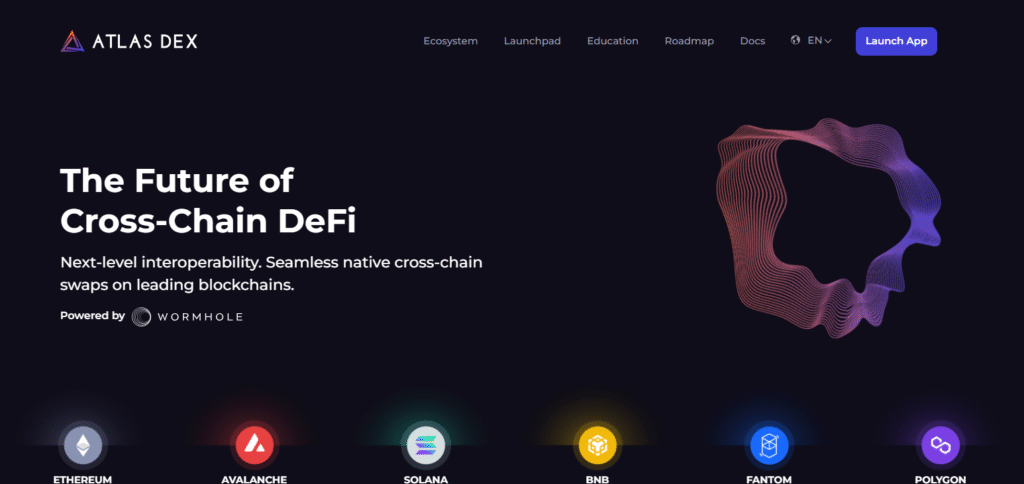
Its major highlight is permitting rapid settlements on cross-chain interoperability which enables the user to effortlessly trade the NFTs across different chains.
The Atlas DEX offer the users a simple interface which combined with low fees and high liquidity make a favorable choice for traders across different networks, who are after hassle-free and speedy transactions.
Pros & Cons Atlas DEX
Pros:
- Quick NFTs trading due to efficient and fast settlements.
- Supports numerous blockchain networks with cross-chain interoperability.
- Improved trading experience due to low fees and a robust liquidity.
Cons:
- Other platforms have wider franchise collections compared to their limited NFT collection.
- Not feature rich, falls behind the competition on more advanced options.
- A smaller user base than the larger aggregator platforms.
6.Rango Exchange
Rango Exchange stands out as a cross-chain NFT aggregator app, offering effortless cross-chain swaps and unparalleled versatility.
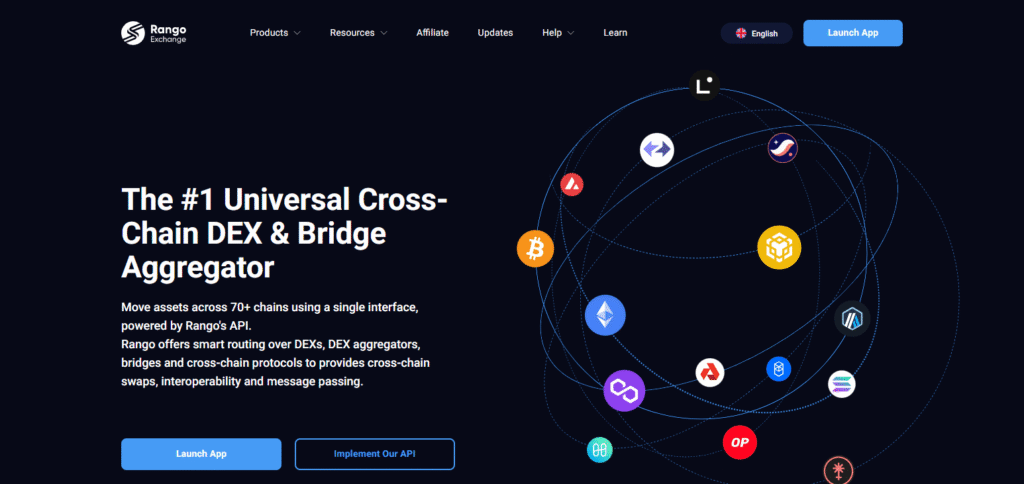
What sets Rango apart is its compatibility with numerous blockchains, enabling users to trade NFTs across different networks without compatibility concerns.
Rango’s smart routing optimally computes cost efficiency for users and reliable, fast transactions renders Rango as a trusted platform for NFT traders. Additionally, the platform is user-friendly and boasts low transaction fees which furthers strengthens customer satisfaction. This enhances Rango’s reputation as a go-to platform.
Pros & Cons Rango Exchange
Pros:
- Enables seamless cross-chain NFT swaps with wide blockchain compatibility.
- Low fees and fast transactions.
- Cross-chain asset transfer is simplified with the intuitive interface.
Cons:
- Some chains have limited NFT support.
- Smaller platforms suffer from congestion during peak times.
- Lesser-known tokens are offered compared to bigger platforms.
7.Synapse
Synapse captures the limelight as the preeminent cross-chain NFT aggregator app with its powerful liquidity protocol that ensures cross-chain asset transfers are smooth and efficient.
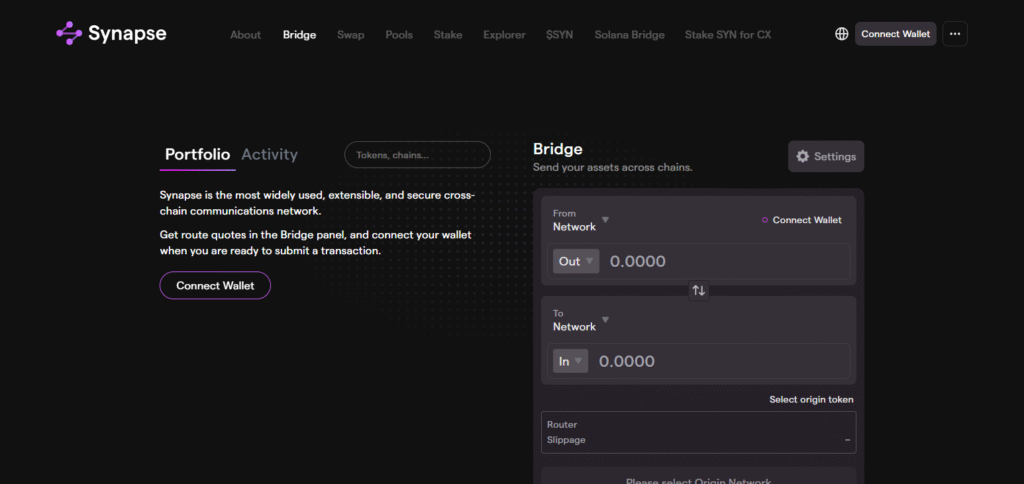
What differentiates Synapse is its unique bridging features which enable effortless movement of assets by NFT traders across multiple blockchains.
With an unmatched emphasis on minimal transaction fees and rapid completion of tasks, alongside security guarantees, Synapse offers unparalleled user satisfaction. The vast number of blockchains Synapse can connect to enable it to serve as a one-stop shop for all NFT lovers.
Pros & Cons Synapse
Pros:
- Provides cross-chain liquidity focusing on NFT and token transfers.
- Low costs and quick completion of transactions.
- Decentralized systems with high security guarantee protection while trading.
Cons:
- Selective NFT collections are supported on limited chains.
- Slower than usual response time in congested and busy networks.
- Understanding advanced features is hard for new users.
8.Stargate Finance
Stargate Finance is regarded as one of the premier NFT aggregator apps because of its cross-chain liquidity bridge offering instant finality.
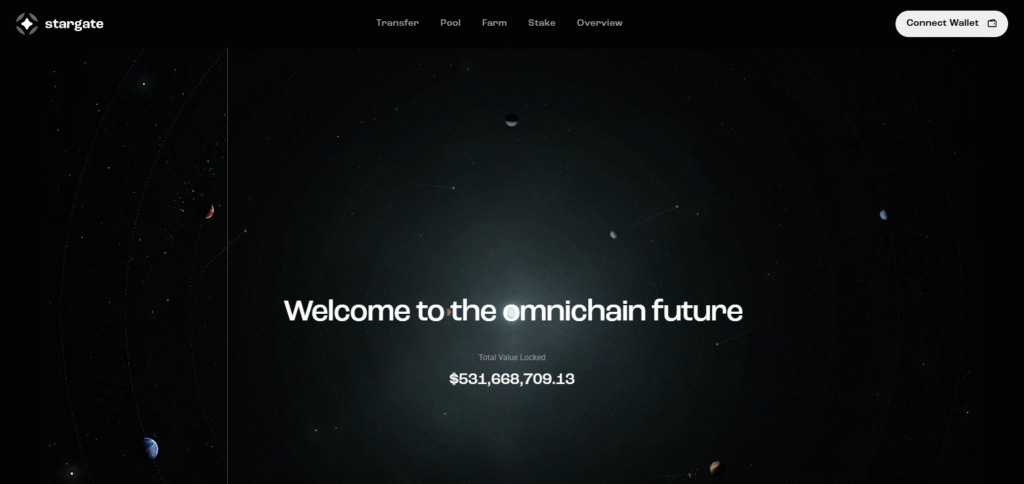
The attribute that distinguishes Stargate is the effortless, one-click transfers it permits programmers for assets including NFTs across blockchains.
This enhances user experience by providing instant transaction processing at low costs. Because of the platform’s security and optimal routing, traders looking to swap the NFTs across various networks instantly and cheaply can rely on the platform.
Pros & Cons Stargate Finance
Pros:
- There are no transaction delays, and cross-chain interactions happen seamlessly.
- Accessing and trading NFTs is straightforward and done through an intuitive interface.
- Cost-efficient due to low fees and high liquidity.
Cons:
- On smaller networks, NFT collections are not available for integration.
- Reduced performance during peak demand periods.
- Some work still needs to be done as the platform is in its developing phase.
9.Hop Protocol
Hop Protocol has outmatched its competitors with multi-hop routing systems that facilitate effortless access to multiple blockchains, making it an industry leader in cross-chain NFT aggregators.
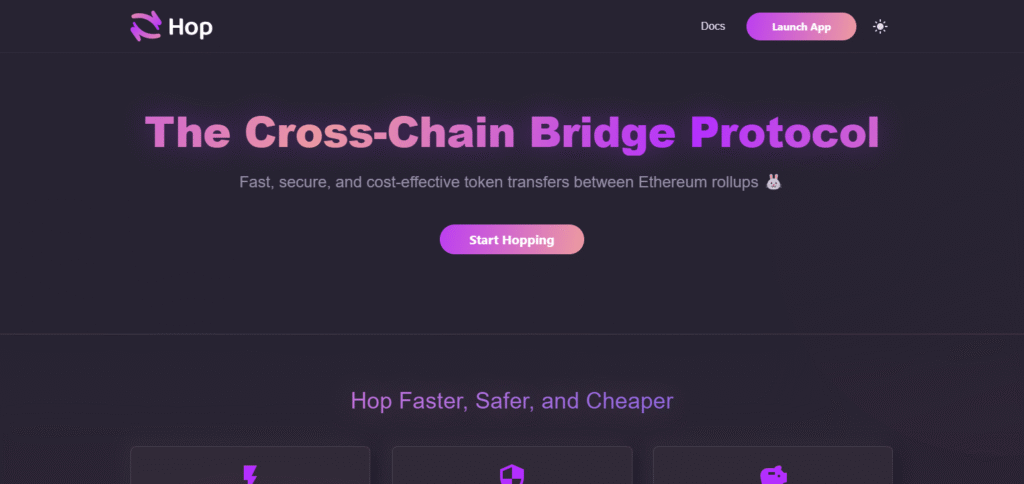
Traders are able to swap NFTs quickly and efficiently due to unrivaled transaction speeds, comprehensive security protocols, and low fees.
Hop Protocol prioritizes liquidity and borderless interoperability which allows traders to access and liquidate their NFTs across networks seamlessly, enhancing user experience.
Pros & Cons Hop Protocol
Pros:
- Transfers of NFTs between different blockchains are done faster and more efficiently through multi-hop routing.
- Cost-effective fee structure with quick transaction execution.
- Optimum trading conditions due to high liquidity on supported blockchains.
Cons:
- May be lacking popular NFTs on specific chains.
- Multi-hop routing is complex and better suited for advanced users.
- This platform is still new and tends to have a small user base unlike older competitors.
10.Orbit Bridge
Orbit Bridge is an advanced cross-chain NFT aggregator app that provides seamless transfer of tokens between different blockchain networks.
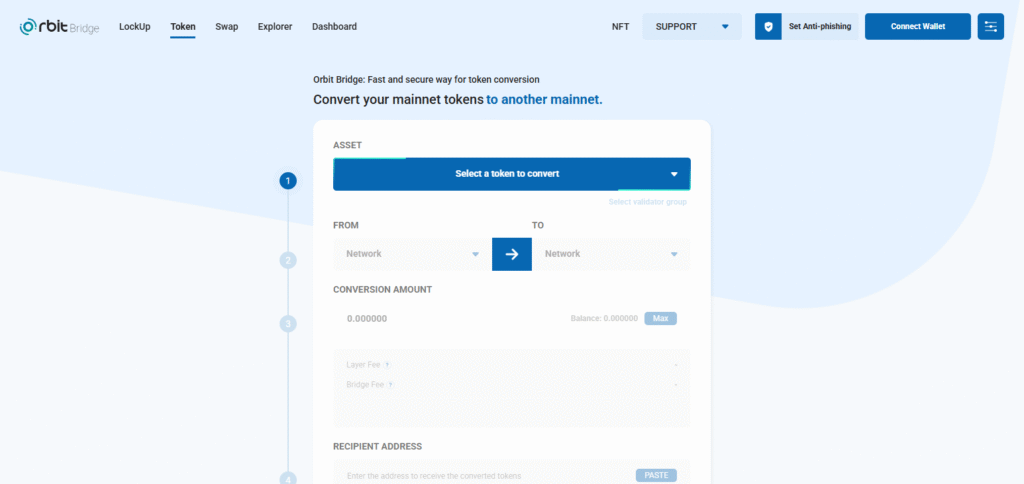
Orbit Bridge stands out from the rest due to is ability to provide fast, secure and low-cost cross-chain transactions, making it perfect for powering NFT trading which requires rapid asset transfers.
Orbit Bridge’s support for multiple blockchains ensures easy access and trading of NFTs, offering a dynamic and seamless trading experience with improved liquidity.
Pros & Cons Orbit Bridge
Pros:
- Quick and inexpensive cross-chain transactions for NFTs.
- Enhanced liquidity due to multiple supported blockchain networks.
- A secure technology that focuses on effortless transferring of assets.
Cons:
- Limited accessibility to some well-known collections of NFTs.
- During peak hours, they can experience slow processing times.
- For new traders, navigating the system is a bit more complex than it should be.
Conclusion
To summarize, the most innovative Fossil cross-chain NFT aggregator applications Rubic, 1inch Network, Matcha, KyberSwap, Atlas DEX, Rango Exchange, Synapse, Stargate Finance, Hop Protocol, Orbit Bridge provide distinct services that cater to the needs of the users augmenting their experience when trading NFTs.
These platforms offer everything required for hassle free and secure cross blockchain NFT swaps, whether it’s cross-chain interoperability, low service costs, high liquidity, or speedy transactions.
The selection of the platform, however, like many others, depends on personal preferences; in this case, the desired level of speed, fees, or the blockchains to be supported.