


In this article i will discuss the How Anyone Can Run a Blockchain Node. Running a node used to be limited to people with access to expensive computer systems or sophisticated technical skills.
Now, due to the availability of inexpensive devices like the Raspberry Pi, or even cloud hosting, running it is a breeze. All of these options increase participation and thereby help decentralize, strengthen, and secure blockchain networks.
What Is a Blockchain Node?
A blockchain node is a computer that participates in a blockchain network by storing, validating, and sharing data. Nodes maintain a copy of the entire blockchain ledger, ensuring transparency and security.

They verify transactions, add new blocks, and help keep the network decentralized by communicating with other nodes. Different types of nodes exist, such as full nodes which store the complete blockchain and lightweight nodes which only store essential data. Overall, nodes are crucial for the blockchain’s operation and integrity.
How Anyone Can Run a Blockchain Node

Operating a blockchain node can enhance security, decentralization, and transparency of the network. Here’s how a user can configure and operate a Bitcoin full node to join the system.
Example: Running a Bitcoin Full Node
Prepare Your Hardware & Network
Make sure that you have access to a computer with an internet connection, at least 500GB of storage, and 8GB RAM.
A wired Ethernet connection is advisable for boost uptime and dependability.
You can choose to run the node on the dedicated machine or on a cloud-based server.
Download & Install Bitcoin Core
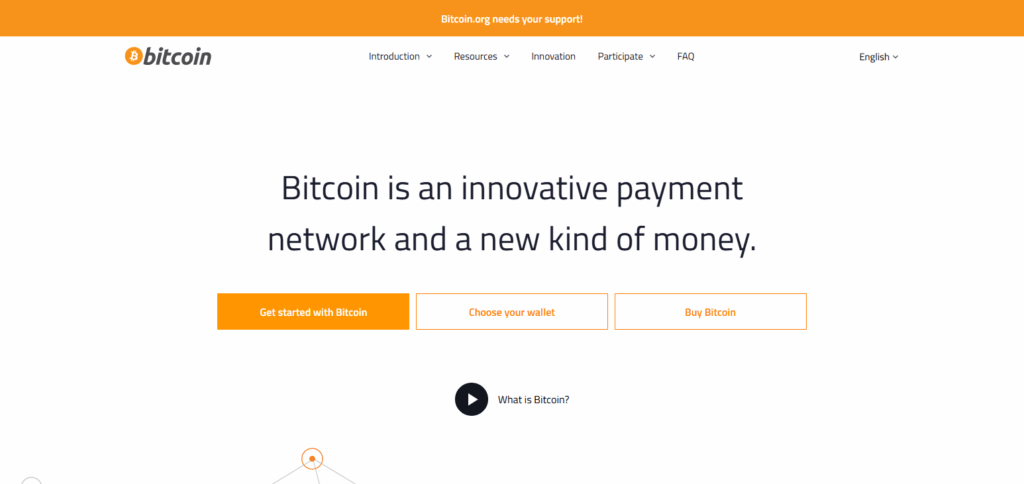
Download the official Bitcoin Core software from bitcoin.org.
Configure the software to run as a full node, which requires installation of Blockchain data synchronization.
Ensure that port forwarding is set up to permit communication with other nodes (default port: 8333).
Sync the Blockchain
Start Bitcoin Core to download the complete Blockchain record, which is approximately 500GB and increasing.
System Optimization is key: Storage devices and RAM must sustain constant updates associated with blockchain data.
Enable Security & Privacy
Implement a firewall to manage unauthorized access.
Running a Tor network offers additional privacy options when running node, if needed.
Update Bitcoin Core to improve functionality and fix security vulnerabilities on a regular basis.
Verify & Maintain the Node
Utilize internal systems or third party monitoring tools to log and track performance.
Assist with the upkeep of system and internet link uptime to strengthen the decentralized network of Bitcoin.
Participate in governance discussions on Bitcoin to remain aware of proposals made to the network.
Other Place Where Anyone Can Run a Blockchain Node
Raspberry Pi
Raspberry Pi’s affordability, size, and low energy consumption make running a blockchain node accessible to anyone. Unlike conventional computers, it uses little space and power.
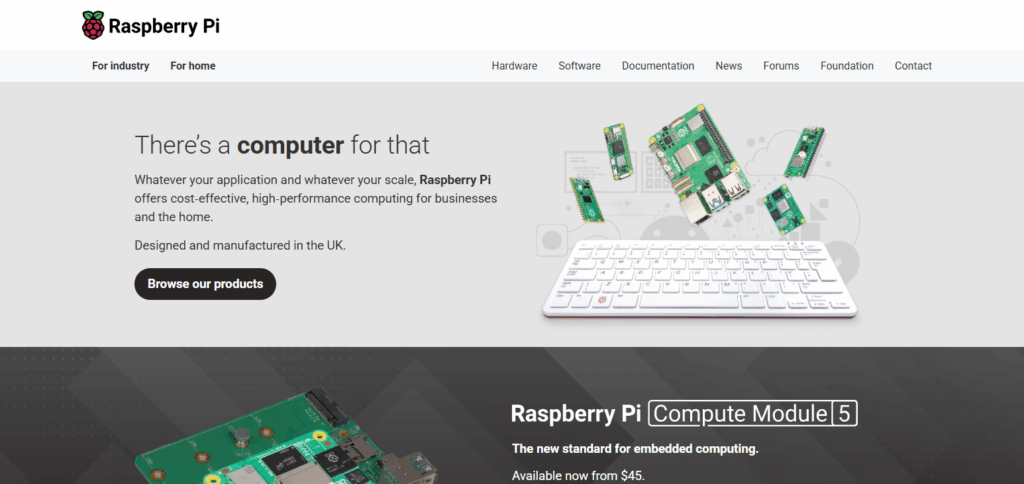
This means that anyone can join and contribute to blockchain networks without having to spend a fortune on new hardware.
Its simple configuration and active community assistance inspires novices and enthusiasts, empowering them to partake in decentralized participation which has been made easier and more accessible than ever before. This ease of use is what enables people to join and operate blockchain nodes.
Why Running a Blockchain Node Matters
Enhancement of Security: A node verifies all transactions and blocks which stops fraud and maintains the integrity of the network.
Supports Decentralization: Having more nodes means that no single entity can have disproportionate control which increases trust and the blockchain’s resilience.
Improves Transparency: A public account ledger that is transparent to all participants is maintained by nodes which promotes trust.
Allows Participation of Users in Governance: Participating in running a node enables users to take part directly in consensus and governance.
Data Protection: Loss or tampering of data is avoided by nodes who store the terra data copies of the blockchain.
Prerequisites for Running a Blockchain Node
Reliable Internet Connection
Constant and stable access to sync with the node and communicate.
Adequate Hardware
The CPU, RAM and Storage must be enough to process and store the blockchain.
Power Supply
Must be uninterrupted so that the node is running 24/7.
Baltic Software
The client software that was installed must be correctly set up for the particular client.
Technical Knwoledge
Command line and networking logic should be basic.
The Future of Running Nodes and Decentralization
Prospects for operating blockchain nodes suggest better technological accessibility and deeper decentralization.
Lightweight node technology and efficient hardware will further reduce resource expenditure, enabling increased participation. Global node deployment will be simplified through cloud and edge computing.
Increased node participation will enhance the security, transparency, and resilience of the network. This enhanced participation strengthens the fundamental promise of true decentralization and empowers communities across the globe.
Alternatives and Simplified Options

Lightweight nodes
Known as SPV nodes, this type of node verifies only the transaction headers which saves storage space and allows for easier execution on low-spec devices.
Hosted node services:
Businesses already have fully equipped cloud nodes that users can simply access, so users do not have to deal with the setup or upkeep.
NaaS (Node-as-a-Service)
This model provides fully managed nodes which are accessed through APIs making it seamless for developers and companies.
Mobile wallet nodes
Some mobile wallets have implemented simplified node functionalities allowing for user participation without the full requirements of a node.
Pros & Cons
| Pros of Running a Blockchain Node | Cons of Running a Blockchain Node |
|---|---|
| Enhances network security and trustworthiness | Requires significant hardware resources |
| Supports decentralization and reduces censorship | Can be complex to set up and maintain |
| Provides full control over transaction validation | Needs stable, continuous internet connection |
| Increases transparency by maintaining the ledger | Consumes considerable electricity and bandwidth |
| Empowers users to participate in governance | Potential security risks if not properly secured |
Conclusion
To sum up, advances in technology as well as options such as Raspberry Pi and cloud hosting enable practically anyone to run a blockchain node.
These methods lower costs and simplify the setup, thus removing traditional barriers. Individuals actively control their participation while helping secure networks, support decentralization, and control trust when running a node.
This democratization fortifies the blockchain systems, which makes the systems more resilient and inclusive for everyone.