

The Best AI Agent Tools for DAO Operations, which assist decentralized organizations in automating governance, improving decision-making, enhancing contributor coordination, and optimizing operational efficiency, will be covered in this post.
For contemporary Web3 communities, these AI-powered solutions enable more intelligent voting, data-driven insights, equitable reward distribution, and scalable DAO management.
Why It Is AI Agent Tools for DAO Operations Matter
Automates Governance Processes: DAO decision-making is often slowed down by manual workloads. AI driven agent tools can create proposals, conduct analyses, provide insights for voting, and make reports. This can accelerate the DAO decision-making process while also reducing the manual workloads.
Improves Decision-Making Quality: AI tools provide analyses of historical records, voter actions, and voter feelings. This helps DAOs to achieve better and more comprehensive governance decisions.
Enhances Operational Efficiency: AI agents perform repetitive tasks to remove administrative bottlenecks. Contributors can then focus on strategy, innovation, and community growth.
Scales DAO Management: DAOs can grow, and AI tools allow for the scaling of operational processes. This is done without the negative impacts of increased centralization or operational complexity.
Increases Transparency & Accountability: Governance activities, treasury spending, and contributor activity can all be monitored with AI driven analytics and dashboards. This increases the visibility and accountability of the DAOs.
Optimizes Contributor Coordination: AI tools improvement task distribution and performance monitoring. They also promote equitable reward distribution to all members of the decentralized team.
Reduces Governance Fatigue: Proposals and key insights can be summarized so that DAO members are able to focus on the relevant information without losing themselves in the details.
Strengthens Community Engagement: DAOs can develop better engagement plans with predictive analytics to close participation gaps based on previous analyses.
Supports Fair Incentive Systems: AI tools mitigate reputation scoring and reward allocation bias, ensuring that all members are accurately recognized for their contributions.
Future-Proofs DAO Operations: The evolution of DAOs is certain, and with the aid of AI agent tools, the adaptability and intelligence needed to stay competitive and sustainable will be available.
Key Point & Best AI Agent Tools for DAO Operations List
| DAO AI Platform | Key Point |
|---|---|
| DAOstack Alchemy | AI-powered DAO governance framework that improves proposal quality and decision efficiency through reputation-based voting. |
| Metropolis AI | Uses AI-driven analytics to optimize DAO treasury management and predict governance outcomes. |
| Colony AI | Automates DAO task allocation and rewards using AI-based reputation and contribution tracking. |
| Snapshot + AI Plugins | Enhances off-chain voting with AI insights for proposal sentiment analysis and voter behavior forecasting. |
| Tally AI | Provides AI-assisted on-chain governance tracking with real-time proposal monitoring and compliance alerts. |
| Boardroom AI | Aggregates multi-DAO governance data and uses AI to deliver actionable voting and risk insights. |
| DeepDAO AI | AI-powered DAO intelligence platform offering deep analytics on governance activity, treasury health, and participation trends. |
| SuperDAO AI Agents | Deploys autonomous AI agents to manage DAO operations, proposals, and community engagement. |
| Charmverse AI | Combines AI knowledge management with DAO collaboration tools for smarter documentation and governance workflows. |
| Coordinape AI | Uses AI-enhanced peer evaluation to fairly distribute rewards based on contribution impact. |
1. DAOstack Alchemy
DAOstack Alchemy is a governance framework and toolkit that uses modular governance primitives to assist communities in creating and running decentralized autonomous organizations (DAOs).
Participating members can more effectively define collective governance thanks to its support for reputation-based voting, scalable decision-making, and proposal generation. In order to filter noise and emphasize interesting offers, Alchemy’s architecture employs a holographic consensus model.
AI agents can then be used to summarize proposals and identify trends. Integrating AI can further automate proposal analysis, reveal insights, and suggest governance actions for DAO participants, making it one of the top AI agent tools for DAO operations.
DAOstack Alchemy Features, Pros & Cons
Features
- Voting based on reputation
- Governance structure is modular
- UI for tracking and creating proposals
- Holographic consensus
- Smart contract integration
Pros
- Decision-making is based on reputation
- Governance is less noisy due to consensus
- Simple workflow for proposals
- Customizable and open-source
- Excellent community support for tools
Cons
- Needs knowledge on governance design
- Out-of-the-box native features are limited
- For non-technical people, there is a complex onboarding process
- Relies on accurate reputation
- Without AI integration, it’s less effective
2. Metropolis AI
Metropolis DAO is a construction and investment decentralized strategic organization that integrates artificial intelligence, virtual beings, and Web3 tech. It operates at the conjunction of decentralized governance and intelligence. Metropolis is unique because, rather than using classic tooling suites, it collaborates with contributors, devs, and investors to provide a unified framework for managing AI-centric projects.
It promotes the application of AI to improve forecasting, resource distribution, and community strategies, which makes it unique in the DAO ecosystem. Metropolis, an AI agent tool for DAO operations looks to the future with the hope that machine reasoning will assist in building and refining DAOs into more flexible and technologically advanced communities.
Metropolis AI Features, Pros & Cons
Features
- DAO ecosystem focusing on AI
- Tools for strategic forecasting
- Modeling for resource allocation
- Governance support for investments
- AI collaboration & virtual beings
Pros
- Ideal for DAOs that rely on AI for strategy
- Planning is improved due to predictive analytics
- Excellent for the vision of the fusion of AI and Web3
- Supports planning for the distant future
- Resource choices driven by the community
Cons
- Limited use of DAOs for the niche focus
- It is complex for novices
- Coordination on a daily basis has fewer tools
- The depth of governance differs
- It takes a lot of engagement from the people to contribute
3. Colony AI
Colony is a dynamic DAO that fosters building, collaboration, and the distribution of rewards based on task completion and contribution. He implements systems based on reputation, which allows participants to gain a reputation through their contributions and subsequently gain the ability to influence governance and payouts.

With Colony, the work of decentralization is simplified through task allocation, progress monitoring, and fund management without the need for complex smart contracts. This also makes DAO management operationally more simplistic.
With AI features such as automated task recommendations and smart reputation features, Colony is one of the best AI agent tools for DAO operations by minimizing manual coordination and enhancing the efficiency of contributor systems.
Colony AI Features, Pros & Cons
Features
- Automation of task assignment
- Reward system based on reputation
- Hierarchy & domains of work
- Dashboards to track contributions
- Payment systems integrated
Pros
- Ideal for decentralized distribution of work
- Less management friction
- Fair rewards system
- Progress tracking vis visually
- Applicable for teams of dispersed contributors
Cons
- Gaming of reputation systems
- Not inherently AI-native
- Reward systems need fine-tuning
- Little to no predictive governance
- Integration burden
4. Snapshot + AI Plugins
Because it allows for gasless voting using adaptable tactics like token ownership, delegation, or custom criteria, Snapshot is a well-liked off-chain voting tool that is extensively utilized throughout DAO ecosystems.
By lowering financial obstacles, it makes governance scalable and accessible for communities.
Snapshot can provide deeper analytics like sentiment analysis, voter turnout projection, and risk alerts when combined with AI plugins, assisting DAOs in comprehending community sentiment and probable results prior to the conclusion of elections.
These AI insights make Snapshot + AI Plugins one of the top AI agent solutions for DAO operations, improving engagement and strategic decision-making.
Snapshot + AI Plugins Features, Pros & Cons
Features
- Cost-free off-chain voting
- Support for custom strategies
- Sentiment analysis using AI
- Prediction of voter behavior
- Ecosystem of plugins
Pros
- Extremely cheap votes
- Improved analytics on decisions
- Voting strategies are customizable
- Enhanced insight on voters
- Simple integration with DAOs
Cons
- Less security due to off-chain
- AI plugins can complicate things
- Minimal on-chain governance
- Plugins are proprietary
- Not all DAOs support plugins
5. Tally AI
Tally is an on-chain governance dashboard that uses common governor smart contracts to streamline proposal tracking, voting, and analytics across DAO ecosystems.
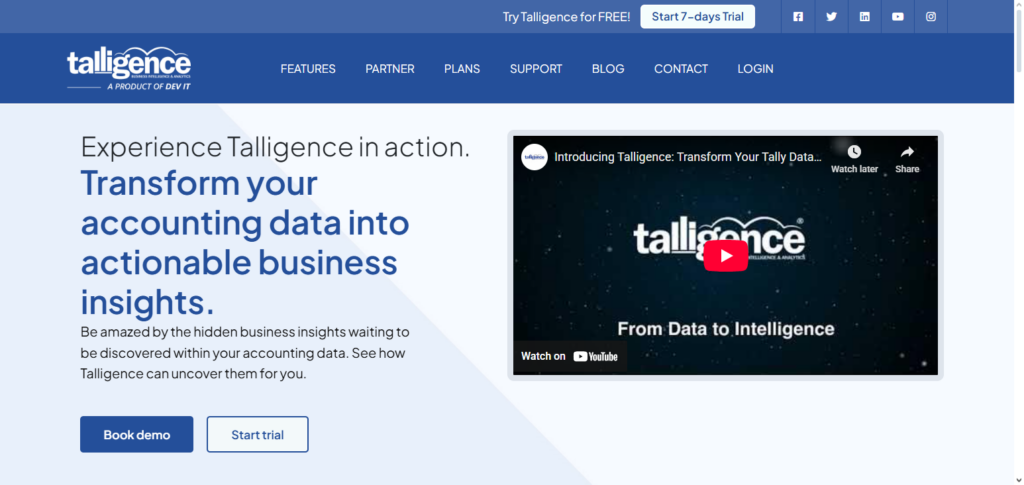
Transparency and accountability are supported by its interface, which provides users with real-time visibility into governance status, voter engagement, delegation channels, and proposal outcomes.
Tally AI becomes one of the best AI agent tools for DAO operations with AI-enabled improvements like trend detection, proposal quality scoring, and predictive governance analytics, assisting contributors in making well-informed decisions supported by sophisticated insights rather than just raw on-chain activity.
Tally AI Features, Pros & Cons
Features
- Dashboards of on-chain governance
- Tracking of proposal statuses
- Metrics of voter participation
- Analytics on delegation
- Alerts & insights powered by AI
Pros
- Visibility of governance in real-time
- Assists in the monitoring of voting patterns
- Alerts on trends to assist in decision making
- Good support for multiple DAOs
- Excellent transparency in governance
Cons
- The data on-chain isn’t always up to date.
- Needs users to link wallets.
- Obtaining analytics can be challenging.
- Little context is provided off-chain.
- Insights provided by AI may require additional instruction.
6. Boardroom AI
Boardroom is a governance aggregator and management dashboard that combines voting, proposals, and analytics across multiple DAOs and blockchains. It offers delegates and participants the ability to streamline the management of governance activities, analyze voting results, and strategize synchronously.
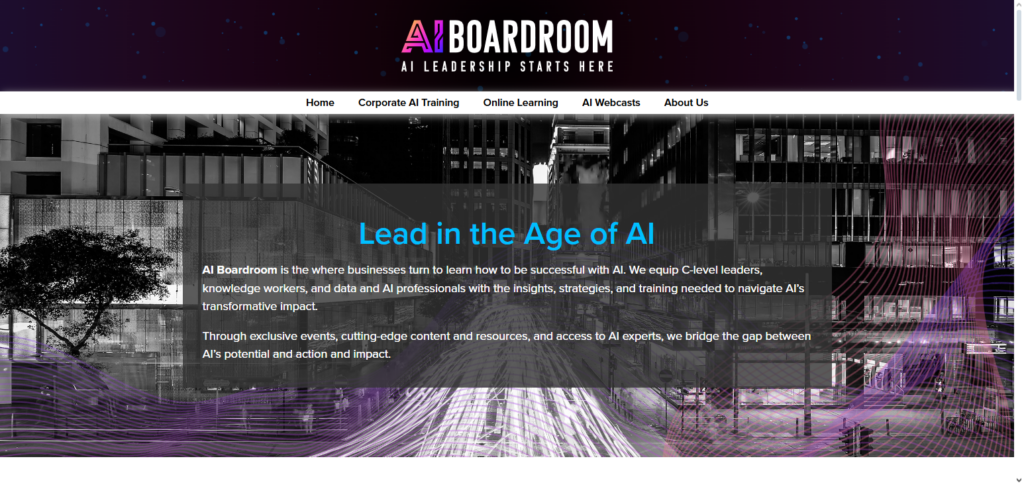
Additional Artificial Intelligence (AI) features, such as automated proposal summarization, trend forecasting, and cross-DAO risk assessment, make Boardroom AI one of the top AI agent tools for DAO operations and offers predictive insights for decentralized governance systems. It streamlines data integration, which improves the quality of decisions and fosters long-term alignment.
Boardroom AI Features, Pros & Cons
Features
- Platform for Cross-DAO governance.
- Voting results aggregation.
- Analysis of risk and trends.
- Managing delegation.
- Tools for comparing proposals.
Pros
- Merged governance across multiple networks.
- Insight on trends is very good.
- Assists in the coordination of delegates.
- Confidence in decisions is enhanced.
- Dashboards with in-depth analytics.
Cons
- The complexity of the dashboard.
- Users that are not very experienced may feel overloaded.
- Some features require payment.
- Difficulties with cross-chain synchronization.
- The quality of AI inferences is reliant on the availability of data.
7. DeepDAO AI
DeepDAO is an intelligence service that provides analytics on governance layers of engagement across DAOs, treasury spendings, and voting in thousands of DAOs.
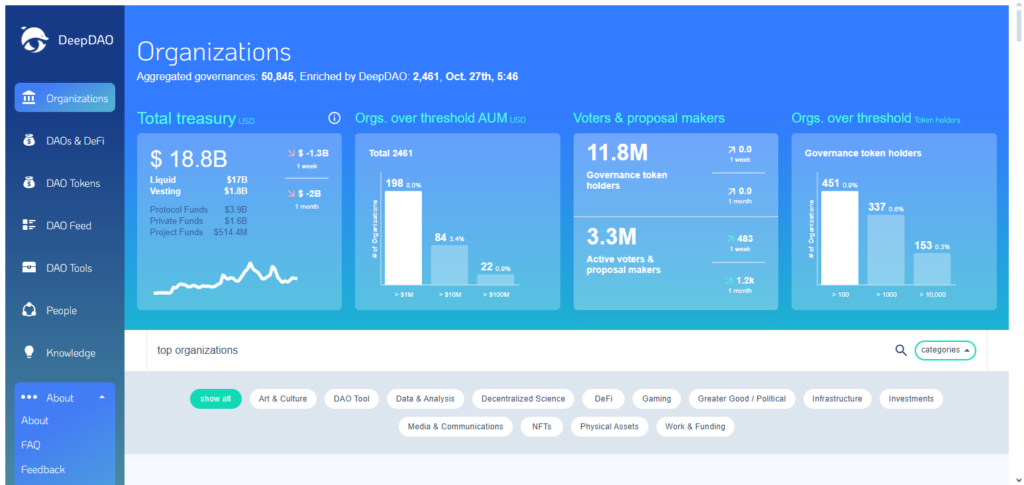
It synthesizes fragmented on-chain and off-chain information and provides insights dashboards on voter distribution, budget spendings, engagement, governance score, and activity.
With the additional features of AI in forecasting and anomaly detection, DeepDAO AI qualifies as one of the best DAO operations AI tools, assisting communities in identifying and mitigating risks, performance benchmarks, and forecasting. Its analytics serve transparent and data-driven governance analytics for both new and experienced DAO participants.
DeepDAO AI Features, Pros & Cons
Features
- Suite for governance analytics.
- Charts for the health of the treasury.
- Metrics on the involvement of voters.
- Heatmaps of proposals.
- Forecasting by AI.
Pros
- Strong analytics for DAO.
- Trends of engagement are highlighted.
- Helps in recognizing the risks of governance.
- Planning is assisted by forecasting.
- Benchmarking for DAO.
Cons
- Data can be overwhelming.
- The ability to analyze is required.
- Forecasts are not always accurate.
- Work automation is limited.
- There could be costs for subscription.
8. SuperDAO AI Agents
SuperDAO uses AI agents to automate routine operational activities in DAO ecosystems, such creating proposals, summarizing conversations, or interacting with community members.
Based on past data and measurements, these autonomous agents can speed up governance cycles, lessen administrative burden, and offer practical suggestions.
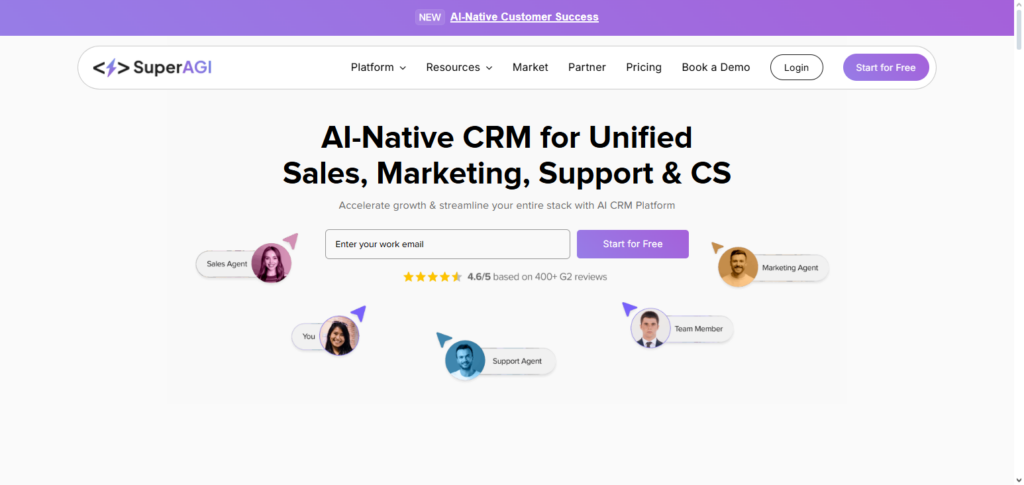
SuperDAO AI Agents stand out as some of the greatest AI agent solutions for DAO operations as AI continues to develop in decentralized settings.
They assist organizations in navigating everyday coordination, streamlining decision loops, and enhancing involvement without requiring human work from contributors.
SuperDAO AI Agents Features, Pros & Cons
Features
- Proposals of AI writing autonomously
- Bots for engagement in the community
- Automation of repetitive processes
- Tools for summarization of feedback
- Engines for recommendations that are intelligent
Pros
- Contributor time is saved
- Speeds up governance cycles
- Reduces administrative overhead
- Offers actionable insights
- Enhances contributor experience
Cons
- AI can misunderstand context
- Needs to be monitored
- Dependent on training data
- Not out-of-the-box DAO-agnostic
- Complicated integration
9. Charmverse AI
CharmVerse is a cooperative platform created to integrate token-gated environments with community administration, governance procedures, onboarding, and proposal workflows. It makes it simpler for DAOs to plan and carry out operations in one location by providing forums, member directories, and organized decision frameworks.
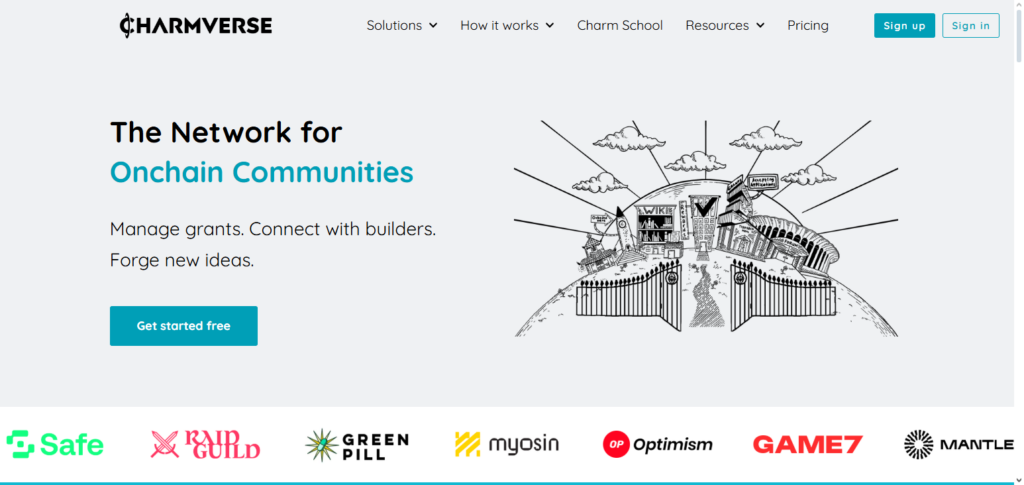
Charmverse AI becomes one of the top AI agent tools for DAO operations with AI improvements including automated proposal templates, engagement tracking, and intelligent grant review tools. These improvements improve communication, streamline governance, and support sustainable community growth.
Charmverse AI Features, Pros & Cons
Features
- Integrated tools for DAO communities
- Templates and workflows for proposals
- Directories of members
- Tracking of interactions
- Documentation aided by AI
Pros
- Communication centralization
- Onboarding hurdles reduction
- Workflows for smart governance
- Fosters connections among members
- Ideal for expanding DAOs
Cons
- Incomplete tools for governance
- AI varies by plan
- May duplicate other tools
- Needs configuration
- Value varies by size of community
10. Coordinape AI
Coordinape is a decentralized coordination tool that uses peer voting to distribute contributor rewards in a transparent and equitable manner. Each cycle, members encourage fair incentive allocation by giving tokens to contributors they think should be acknowledged.
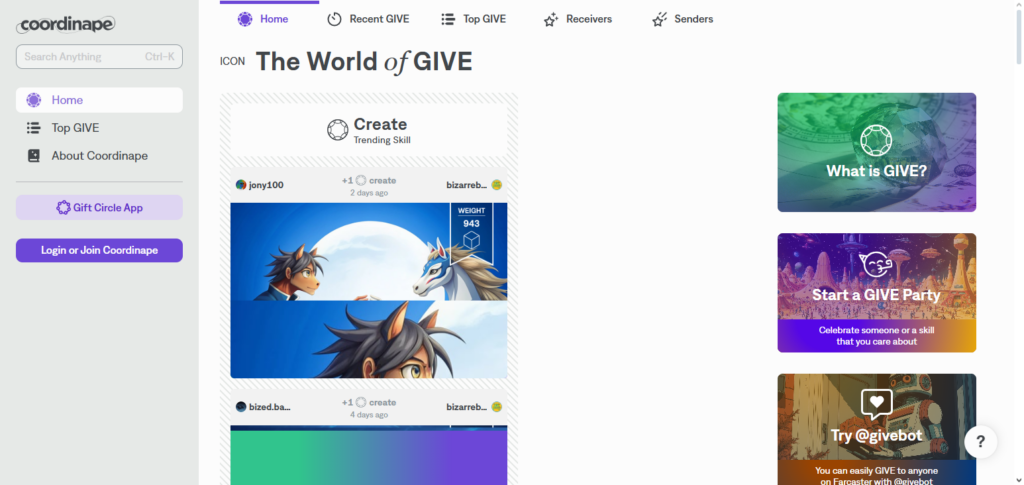
Coordinape AI becomes one of the best AI agent tools for DAO operations when it is enhanced with AI features like contribution scoring, performance prediction, and bias mitigation. This helps communities better identify and reward meaningful contributions while reducing subjective bias and gamification of incentives.
Coordinape AI Features, Pros & Cons
Features
- Rewards allocation by peers
- Scoring of contributions
- Dashboards for cycle planning
- Analytics for bias mitigation
- Metrics for recognition enhanced by AI
Pros
- Rewards for fair contributor
- Promotes teamwork
- Less subjective bias
- Scoring by AI increases fairness
- Functions across models of DAO
Cons
- Scoring by peers can be subjective
- Needs participation
- AI scoring leaves room for improvement
- Features for governance are limited
- Cycles need to be structured
Comparison Table
| Tool Name | Primary Use Case | AI Role | Best For | Governance Type |
|---|---|---|---|---|
| DAOstack Alchemy | DAO governance framework | Proposal filtering & reputation analysis | Scalable decision-making | On-chain / Hybrid |
| Metropolis AI | Strategic DAO management | Forecasting & resource modeling | AI-focused DAOs | Hybrid |
| Colony AI | Contributor coordination | Task & reward optimization | Work-based DAOs | Hybrid |
| Snapshot + AI Plugins | Voting & governance | Sentiment & outcome prediction | Gasless voting DAOs | Off-chain |
| Tally AI | Governance tracking | Proposal & voting analytics | On-chain governance | On-chain |
| Boardroom AI | Multi-DAO governance hub | Cross-DAO insights & trends | Delegates & analysts | Hybrid |
| DeepDAO AI | DAO intelligence & analytics | Participation & treasury analysis | Data-driven DAOs | Analytics |
| SuperDAO AI Agents | DAO automation | Autonomous agents & workflows | Operational automation | Hybrid |
| Charmverse AI | Community & governance ops | Smart documentation & engagement | Growing DAOs | Hybrid |
| Coordinape AI | Reward distribution | Bias-reduced contribution scoring | Fair incentive DAOs | Off-chain |
Conclusion
By lowering manual labor and increasing decision accuracy, AI agent technologies are quickly changing how DAOs function, govern, and grow.
Through intelligent proposal analysis, voting insights, and data-driven transparency, platforms such as DAOstack Alchemy, Colony AI, Snapshot with AI plugins, Tally AI, Boardroom AI, and DeepDAO AI improve governance.
In the meantime, daily operations, contributor coordination, and reward distribution are streamlined using SuperDAO AI Agents, Charmverse AI, and Coordinape AI.
When combined, these solutions allow for more effective treasury and governance administration, more intelligent automation, and more equitable participation.
Adopting the best AI agent technologies for DAO operations is becoming crucial for sustainability, scalability, and long-term community success as DAOs become more sophisticated.
FAQ
AI agent tools are software systems that use artificial intelligence to help DAOs automate governance tasks, analyze data, improve decision-making, manage contributors, and enhance operational efficiency. These tools can generate insights, summarize proposals, forecast outcomes, and streamline reward distribution.
DAOs are decentralized and often have many contributors, proposals, and governance events. AI agent tools reduce manual workload, increase transparency, improve participation analysis, and help communities make faster, data-driven decisions. They help avoid bottlenecks and scale operations without adding centralized control.
Yes. Charmverse AI integrates governance structures with community engagement features like member directories, forums, and proposal workflows — helping DAOs coordinate both communication and operational execution.
Many AI tools include prediction features that analyze historical data, sentiment, and governance patterns to forecast proposal outcomes, voter engagement, and risk signals. Tools like Snapshot with AI Plugins, Tally AI, and DeepDAO AI offer these predictive insights.
AI-enhanced dashboards and analytics help DAOs identify participation gaps, highlight influential contributors, and tailor engagement campaigns. This leads to broader, more effective involvement from the community.