


In this article, I will focus on Hidden Crypto Careers No One Talks About-Careers that are Critical Yet Overlooked in the Blockchain and Cryptocurrency Sphere.
While the majority’s attention is on the developers and the traders, these functions are behind the curtain, making certain that the projects are secure, compliant, and successful.
Hidden opportunities abound from compliance officers to DAO strategists, and these functions cater to a broad range of skill sets.
What is Hidden Crypto Careers?
Hidden Crypto Careers highlights the positions in the cryptocurrency and blockchain space that don’t involve programming and are easily ignored.
Although crypto jobs are mostly associated with developers, other jobs in marketing, community management, compliance-legal, teaching, content, operations, and business development exist and are vital for the success, maintenance, and active participation of users in crypto initiatives.
The positions entail soft skills and strategic analysis, but fundamental blockchain knowledge is necessary. With the widening of the crypto environment, the so-called hidden jobs, which do not include technical aspects, are easily the most accessible.
How To Choose Hidden Crypto Careers No One Talks About
Identify Your Skills and Interests
- Determine your strengths within the areas of marketing, writing, finance, legal, and community management.
- Pick positions that suit your interests and your best skills.
Research the Crypto Industry
- Get to know the various projects, platforms, and blockchain sectors.
- Know where the non-technical roles are available.
Explore Emerging Roles
- Find positions like NFT community manager, crypto content creator, regulatory advisor, or partnership manager.
Check Job Listings on Specialized Platforms
- Find hidden opportunities on CryptoJobsList, Web3. Career, and AngelList.
Network in Crypto Communities
- Participate in Discord servers, Telegram groups, and Twitter threads that discuss blockchain careers.
- Reach out to people already in those jobs.
Upskill and Stay Updated
- Follow suitable crypto circles to learn DeFi, NFTs, and norms to stay relevant.
- To elevate your resume, pursue certificates in blockchain, digital marketing, or project management.
Start Small and Build Experience
- Obtain real experience through freelancing, contributing to various crypto projects, or volunteering.
- This demonstrates your potential and helps you to be recognized for a full-time job.
Key Point & Hidden Crypto Careers No One Talks About List
| Role | Key Points / Responsibilities |
|---|---|
| Crypto Compliance Officer | Ensures projects follow regulations, manages risk, drafts policies, and liaises with regulators. |
| Tokenomics Analyst | Designs and analyzes token economies, studies supply-demand models, and optimizes incentives. |
| Blockchain UX Designer | Creates user-friendly interfaces for crypto apps, wallets, and dApps, improving user experience. |
| DAO Governance Strategist | Develops governance models for DAOs, proposes voting mechanisms, and ensures fair decision-making. |
| Crypto Recruiter | Sources and hires talent for crypto projects, focusing on technical and non-technical roles. |
| Web3 Growth Hacker | Drives user adoption through creative marketing, community engagement, and growth strategies. |
| Smart Contract Auditor | Reviews smart contract code, identifies vulnerabilities, and ensures security and reliability. |
| Crypto Economist | Analyzes market trends, evaluates economic impact of tokens, and advises on financial strategies. |
| Web3 Legal Consultant | Provides legal guidance on crypto projects, ICOs, NFTs, DeFi compliance, and intellectual property. |
1. Crypto Compliance Officer
A Crypto Compliance Officer is an essential, albeit typically unrecognized, position within the blockchain sector, making it a truly hidden crypto role. Unlike developers or traders, compliance officers focus on the legal side and make sure that crypto projects follow regulations, implement fraud prevention mechanisms, and mitigate legal exposure.

It is this lack of visibility that renders the position “hidden,” yet the role is critical to project legitimacy and confidence on the part of investors. They write the internal guidelines, engage in real-time discussions with the authorities, and oversee the transactions to identify any possible suspicious activities.
What makes this career distinct is the intersection of law, finance, and blockchain, providing the compliance officer with a unique and balanced career in a highly unstable market.
Crypto Compliance Officer Features
- Regulatory Compliance: Makes sure crypto projects follow all aspects of KYC, AML, and global data protection laws applicable to the crypto projects and blockchain.
- Legal Risk Evaluation: Evaluates transactions and token launches to assess potential losses and legal risks.
- Internal Compliance Policies: Develops training and internal policies to ensure the organization is compliant with policies and rules.
2. Tokenomics Analyst
A Tokenomics Analyst is a less popular but still essential position in the cryptocurrency ecosystem, making this a hidden crypto career that few people discuss. Unlike developers and marketers, tokenomics analysts examine and construct the economic model of a crypto project, addressing the token’s supply, distribution, incentives, and utility.
This position remains “hidden” because the influence is largely procedural, impacting the continued sustainability of the project instead of attracting immediate public focus.
This career’s distinct worth comes from the necessity to understand and apply economics, finance, and blockchain to enhance a token’s performance and adoption, and to secure its long-term sustainability, making this role essential for any serious crypto project.
Tokenomics Analyst Features
- Project Economic Models: Researches the economics of the project, which includes the token supply, demand, and incentive structures, to optimize the project’s overall economic model.
- Token Performance Analysis: Analyzes the liquidity and overall market behavior of the project’s token and the stakeholders.
- Advisory on Strategic Decisions: Guides the projects on token economics with respect to distribution, staking, and governance models.
3. Blockchain UX Designer
Blockchain UX Designers are crucial but frequently unsung heroes within the crypto ecosystem, making this a concealed career option that few talk about.
While the primary focus may be on developers and traders, UX designers are the ones building the seamless and intuitive interfaces on dApps, wallets, and blockchain systems, which are essential for customer satisfaction and user onboard.

This career is “hidden” because designers work behind the curtain and are praised for unobtrusive success.
The interesting challenge presented in this role is integrating design with a more practical understanding of blockchain, as the simplification of intricate decentralized technologies for the users is a key determinant for the widespread use of crypto services.
Blockchain UX Designer Features
- Interface Creation: Develops user interfaces for blockchain applications and crypto wallets and ensures a user-centered design approach.
- Crypto Complexity Handling: Simplifies crypto transactions and complex interactions to ensure user-friendliness.
- Usability Models: Makes wireframes and prototypes and conducts testing to enhance usability for potential users.
4. DAO Governance Strategist
The role of a DAO Governance Strategist is often overlooked in the blockchain ecosystem, classifying it as an unrecognized career in crypto.
Unlike developers and marketers, these individuals work on the creation of appropriate governance structures for decentralized autonomous organizations (DAOs), making certain that community votes are rational, operate smoothly, and stay aligned with the evolving objectives of the project.
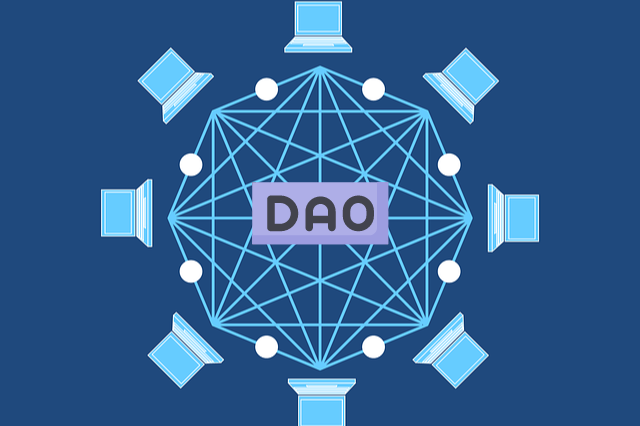
This role is hidden since it affects the allocation of control and votes, but it does not produce any tangible results.
It also involves the integration of sociology, economics, and blockchain technology for the design of autonomous governance structures, which has increased its value for fully operational decentralized entities.
DAO Governance Strategist Features
- Structured Decisions: Develops and establishes voting and governance structures for the organization.
- Interest Alignment: Ensures the objectives of token holders, participants, and stakeholders are congruent.
- Participatory Governance: Develops and implements strategies for decision-making that foster participatory governance.
5. Crypto Recruiter
A Crypto Recruiter is an often-overlooked yet crucial role in the blockchain industry, making it a hidden crypto career.
Unlike developers or traders, crypto recruiters specialize in identifying, attracting, and hiring talent for both technical and non-technical positions within crypto projects, ranging from blockchain engineers to community managers.
This role is “hidden” because their work happens behind the scenes, and team quality rather than public achievements measure success.
The unique value lies in understanding the fast-evolving crypto ecosystem, assessing specialized skill sets, and connecting the right talent to the right projects, ensuring that startups and DAOs can grow effectively and sustainably.
Crypto Recruiter Features
- Talent Acquisition: Scouts and employs expert blockchain and crypto-related professionals.
- Industry Networking: Develops networking relationships with candidates and crypto communities.
- Cultural Fit Assessment: Assesses if candidates can thrive in the lite and fast-structured and crypto-focused workplace.
6. Web3 Growth Hacker
A Web3 Growth Hacker is an essential but relatively obscure role within the cryptocurrency and blockchain domain, making it a career few people talk about.
Unlike traditional marketers, Web3 growth hackers concentrate on using innovative, analytical approaches to accelerate user adoption and engagement for decentralized apps, NFT initiatives, or DeFi platforms.

This role is “hidden” for the most part because the impact of their work is behind the scenes and is assessed using analytics, not fame or acknowledgment.
What makes the role special is the blend of marketing skills with solid knowledge of blockchain, tokens, and community dynamics to drive effective scaling of projects within a competitive, decentralized environment.
Web3 Growth Hacker Features
- User Acquisition: Creates viral marketing strategies that target and attract users to decentralized networks.
- Community Engagement: Develops and cultivates devoted communities around social networks and decentralized platforms.
- Data-Driven Strategy: Analyzes data to optimize the customer onboarding process and improve retention rates.
7. Smart Contract Auditor
A Smart Contract Auditor has the most relevant yet overlooked position in the cryptocurrency industry, making it a disguise crypto career.
Unlike developers or traders, who receive the glory, auditors meticulously scrutinize smart contracts for vulnerabilities, bugs, and flaws in the code to secure blockchain implementations to determine their reliability.

It is “hidden” because their work is of a preventative nature, and the success of their role is calibrated in the most counter intuitive terms—evaded hacks or exploits—rather than tangible outputs.
What makes this position unique is the interface of programming and crypto security, offering the audit, the most vital security for users, investors, and blockchain integration.
Smart Contract Auditor Features
- Code Review: Analyzes the smart contract code to identify weaknesses and potential exploits.
- Security Reporting: Produces audit documentation that outlines weaknesses and proposes actionable remediation.
- Compliance Check: Validates that smart contracts comply with the project requirements and any applicable laws.
8. Crypto Economist
A Crypto Economist is a unique and sometimes neglected niche within the vast expanse of the blockchain industry, contributing to what is considered a hidden crypto career.
Unlike developers and traders, crypto economists spend their time studying and assessing market dynamics, creating token models, and advising on fiscal sustainability strategies. This role remains hidden.

This is due to their enormous invisible impact. They drive the success of a given project, albeit one whose success is not public-facing.
The interesting aspect of this career is the marriage of economic theory and financial data, coupled with blockchain to maximize token economic utility, estimate market potential, and assist projects in developing economically viable and operationally efficient ecosystems.
Crypto Economist Features
- Market Analysis: Tracks and assesses the trends within the crypto marketplace and the applicable economy.
- Policy Advisory: Consults on crypto-related legislation and crypto adoption policies for governments and other organizations.
- Financial Modeling: Develops financial models for tokens and other blockchain financial systems and DeFi networks.
9. Web3 Legal Consultant
A Web3 Legal Consultant is invaluable in the blockchain ecosystem but tends to be an ignored position, and therefore, hidden crypto career.
Unlike developers and traders who are in the limelight, these individuals try to make the first attempt at understanding the complicated and still developing world of cryptocurrencies, DeFi, NFTs, and token offerings through a legal lens.

This career is “hidden” because most legal crypto consultants are trying to prevent issues in the first place, advising businesses on how to legally structure their projects instead of legally repairing a project after the fact.
The unique value of blockchain legal consultants is the combination of legal and technological business savvy, shielding projects, investors, and communities from ill-advised innovation while offering guidance in an innovative space.
Web3 Legal Consultant Features
- Legal Compliance: Assists in navigating licensing and other legal structures relevant to IPs and compliance regulations.
- Contract Drafting: Drafts legal contracts for token sales, partnerships, and decentralized autonomous organizations (DAOs).
- Risk Mitigation: Analyzes emerging crypto and blockchain technology and assesses potential legal challenges of new markets.
Conclusion
Invisible crypto careers form the foundation of the entire blockchain ecosystem and perform essential functions that go beyond the well-known developer and trader professions.
A few among the many careers that provide security, utility, expansion, and adherence to regulations include Crypto Compliance Officer, Tokenomics Analyst, Blockchain UX Designer, DAO Governance Strategist, and Web3 Legal Consultant.
These roles remain “hidden” because the scope of their work is often strategic, behind the scenes, or preventative, but nonetheless necessary for the longevity of the crypto undertaking.
These professions promote diversity of different talent to positively transform the world of blockchain and provide immense value in our fast-streaming digital age.
FAQ
Hidden crypto careers are essential roles in the blockchain and cryptocurrency ecosystem that are often overlooked, such as compliance officers, tokenomics analysts, and DAO governance strategists. They support projects behind the scenes rather than in high-profile technical or trading positions.
They are hidden because their impact is strategic, preventative, or behind-the-scenes, meaning success is often measured by what doesn’t happen (like security breaches) rather than visible achievements.
Individuals with diverse skills—law, finance, design, marketing, economics, or governance—can pursue these roles without being developers or coders.
Yes. As blockchain projects grow, roles in compliance, governance, UX design, legal consultation, and growth strategy are increasingly vital.