

This article explains the process of recovering a stuck bridging transaction. Delays or failures in bridging transactions can occur due to network congestion, technically problematic cross-chain bridges, or low gas fees.
This article details methods to recover the assets, provides necessary steps, safety tips, and preventative measures to help ensure safe transfers of your crypto assets.
What is Bridging Transaction?
A bridging transaction refers to cryptocurrency transactions to move assets across different blockchains using a cross-chain bridge. Every blockchain has its own unique protocols, meaning that tokens native to one chain cannot directly exist on another. Bridges mitigates this situation by locking tokens on the source chain then minting or releasing equivalent tokens on the destination chain.

A practical example would be transferring Ethereum (ETH) on the Ethereum network and receiving wrapped (or pegged) ETH on the Binance Smart Chain (BSC) after locking ETH on Ethereum.
These transactions support DeFi applications and blockchain interoperability while letting the user harness the different functionalities of various networks. However, they can get stuck, partially sent, or delayed because of network congestion, poorly set gas prices, or various problems inherent in the bridge which require specific and complex mitigation to prevent loss of assets.
How to Recover a Stuck Bridging Transaction
Example: Recovering a Stuck ETH Bridging Transaction
Step 1: Check Transaction Status
- Check Etherscan and input your transaction hash.
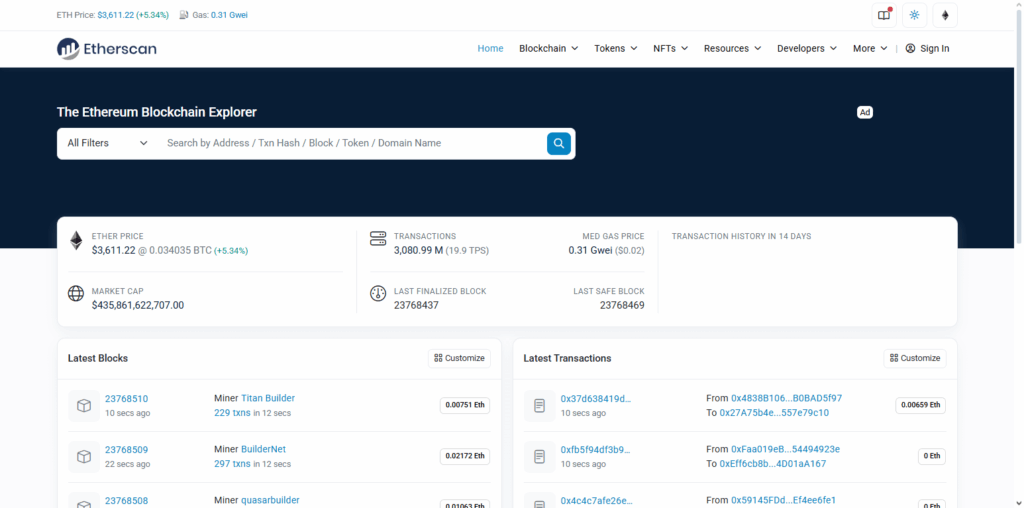
- Check if the transaction is pending, failed, or successful.
- If it’s pending for an unusually long time, recovery is needed.
Step 2: Confirm Network Fees
- Sometimes transactions are stuck due to low gas fees.
- Check the gas price and compare it with the current recommended gas fees at ETH Gas Station.
Step 3: Attempt to “Speed Up” the Transaction
- Go to your wallet (e.g. MetaMask).

- Find the pending transaction in your activity history.
- Click “Speed Up” and adjust the gas fee to a higher recommended value and confirm the transaction.
- This tells the network to prioritize it.
Step 4: Cancel the Transaction (If Necessary)
- If it’s pending and speeding up the transaction doesn’t work, you can try canceling:
- In your wallet, click “Cancel” for the pending transaction.
- When canceling a transaction, make sure to set a higher gas fee than previously set so that the cancel request gets processed.
- If all goes well, the transaction will be canceled, and the money will stay in your wallet.
Step 5: Bridge Recovery and Customer Support
- Some bridges have a manual recovery feature.
- Go to the bridge site and the section called “Transaction History” or “Support” and follow the steps to help recover stuck transactions.
- Some bridges let you reclaim the funds or safely re-initiate the bridge.
Step 6: Verify your funds
- After recovery or re-submission, always check the source and destination wallets.
- Confirm that the bridged assets have returned to you, or check that the funds arrived in the wallet you bridged to.
Step 7: Future Transactions
- Always check network congestion before you bridge.
- Use the gas fees that are recommended.
- Always send a small test amount before sending large amounts.
Safety Tips During Recovery
Use Official Platforms Only
Always bridge and access the wallet through official website or application to avoid phishing scams.
Double-Check Addresses
Make sure source and destination wallet addresses are correct before re-submitting or accelerating the transaction.
Avoid Suspicious Recovery Tools
Don’t use third-party tools or unofficial scripts that claim to “unstick” your transactions.
Monitor Gas Fees Carefully
Overpaying on gas will waste funds and underpaying will keep the transaction stuck.
Keep Private Keys Secure
Don’t share private keys or seed phrases, even for support, as compromised keys will lead to loss of funds.
Backup Wallet Data
Secure and keep backup of your wallet and recovery phrases before attempting recovery steps.
Verify Network Status
Confirm there are no issues with the blockchain network or bridge to avoid repeated failed attempts.
Start Small for Testing
If re-submitting, consider sending a small test amount first to ensure the process works safely, and your funds are secure.
Common Reasons a Bridging Transaction Gets Stuck
Network Congestion
High traffic on the source or destination blockchain can delay confirmation of transactions.
Low Gas or Transaction Fees
If the gas fee is too low, miners may prioritize other transactions, leaving yours pending.
Bridge Technical Issues
Cross-chain bridges may experience downtime, bugs, or delays in processing transactions.
Wallet Synchronization Problems
If your wallet isn’t fully synced with the blockchain, it may show pending or failed status incorrectly.
Incorrect Transaction Details
Wrong recipient address or chain selection can cause the bridge to fail or stall.
Smart Contract Errors
Some bridges rely on smart contracts that may malfunction or reject transactions under certain conditions.
Cross-Chain Compatibility Issues
Not all tokens or chains are fully compatible, which can result in stuck or failed transfers.
Pros & Cons
| Pros | Cons |
|---|---|
| Enables cross-chain asset transfers, allowing use of tokens on multiple networks. | Can get stuck or delayed due to network congestion or technical issues. |
| Supports DeFi and interoperability, expanding investment and trading opportunities. | Gas fees can be high, especially on congested networks like Ethereum. |
| Facilitates access to lower-fee networks or faster blockchains. | Requires careful attention to wallet addresses and chains to avoid errors. |
| Allows portfolio diversification across multiple blockchains. | Some bridges may have security vulnerabilities or smart contract risks. |
| Provides liquidity options across different ecosystems. | Recovery of stuck transactions can be complex for beginners. |
Preventing Stuck Transactions in the Future
In the future, planning and taking steps to avoid stuck bridging transactions is essential. Check across blockchains and choose the least congested networks to transfer during times of low congestion to reduce potential delays.
Setting gas prices to the recommended gas prices or higher can help to prioritize the transfer. Designated and well-tested connectors should be reliable and safe. For large transfers, test transfers should be reduced to confirm everything works.
For transfers, extra precautions should be taken to confirm wallets, chains, and tokens are compliant to avoid potential roadblocks. Following these tips greatly reduce the chances of stuck bridging transactions to ensure the networks and grids are secure while moving assets.
Conclusion
To summarize, recover stuck bridging transactions with care, patience, and the right approach. Most stuck transactions can be untangled safely by checking the transaction status, confirming network fees, and using wallet functions such as “Speed Up” and “Cancel.”
By using the bridge’s official recovery tools, and adhering to other security practices mentioned, you can ensure the safety of your funds.
Taking the other suggested measures, such as observing network congestion, starting with suggested gas fees, and performing small test transfers, help avoid issues in the future. Addressing stuck transactions allows you to safely continue bridging assets across blockchains.
FAQ
A stuck bridging transaction occurs when a crypto transfer between two blockchains fails to complete or remains pending for an extended period, often due to network congestion, low gas fees, or bridge technical issues.
It’s usually safe to wait 15–30 minutes on busy networks. If the transaction remains pending longer, you can attempt recovery steps like speeding up, canceling, or using the bridge’s recovery tool.
Typically, funds are not lost if the transaction is stuck; they remain in your wallet or the bridge’s escrow. Proper recovery steps will usually allow you to reclaim or re-initiate the transfer.
Most wallets, like MetaMask, allow you to “Speed Up” a transaction by increasing the gas fee, which prioritizes it on the blockchain and helps it confirm faster.
Some bridges offer manual recovery tools on their platforms to reclaim funds or re-initiate transfers safely. Always use official tools and avoid third-party scripts.