

In this post, Ill discuss the How to Redeem Staked Tokens Early, step by step, what fees you might face, and some smarter workarounds.
When youve locked up your crypto for staking but suddenly need it back before the term ends, this short guide shows your options and ways to lose as little as possible.
What is Staked Tokens?
Staked tokens are the crypto coins you set aside in a network so it can keep track of transactions and stay secure. By doing this, you help the system work and, in exchange, you usually get more tokens as a reward. This practice, called staking, shows up most often in blockchains that use proof-of-stake (PoS) or delegated PoS models.

Although staking can turn into easy extra money over time, the coins you lock up normally stay frozen for a set stretch, and you usually cant move or sell them until that period ends-or until the network lets you pull them out early, sometimes at a cost or with a waiting phase.
How to Redeem Staked Tokens Early

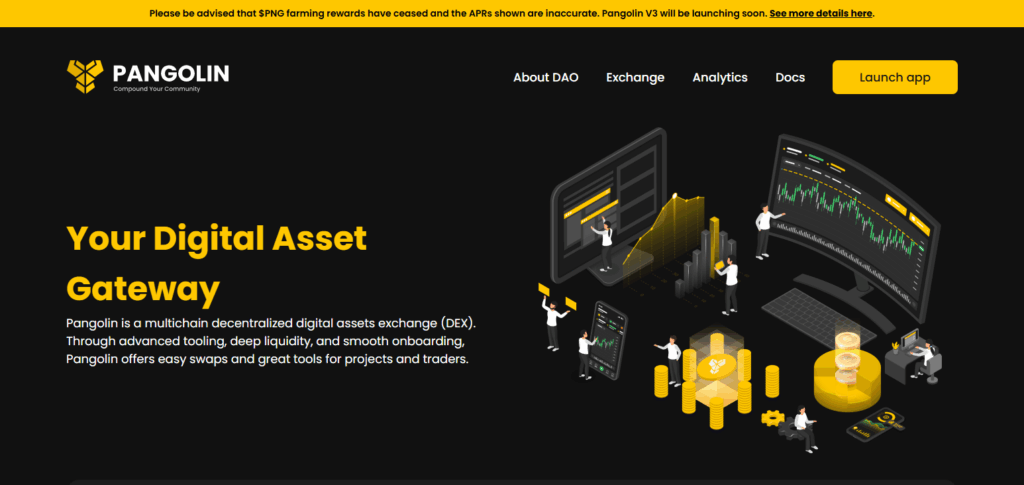
Here’s a quick guide on bringing back your locked tokens early from Pangolin, one of the busiest DEXes on Avalanche.
How to Redeem Staked Tokens Early on Pangolin
Connect Your Wallet
Head over to Pangolin’s site and link an Avalanche-ready wallet like MetaMask.
Access the Staking Page
Click into the “Farms” or “Stake” area where you first put your tokens to work.
Select Your Staked Pool
Locate the exact pool that holds the tokens you want to pull out.
Check Early Withdrawal Policy
Look at the info card; some pools let you exit early but charge a fee or lock you out for a little while.
Initiate Early Unstake
Hit the “Withdraw” or “Unstake” button and approve the pop-up in your wallet.
Confirm Fees or Penalties
If pulling out early costs something, you’ll see that amount taken before the tokens leave the pool.
Receive Tokens
As soon as the chain confirms the move, the tokens will show up in your wallet, and the early exit is done.
Alternatives to Early Redemption
Liquid Staking
Sign up with Lido or Rocket Pool, stake your tokens, and get a liquid copy like stETH. You can swap, lend, or farm with that liquid token.
Staking Derivatives
On Binance, Coinbase, and other big exchanges, turn your staked assets into tradable derivatives. That way, you avoid the waiting time of un-staking.
Secondary Markets
List your tokenized staked assets on P2P sites or DeFi exchanges that allow people to buy and sell them.
Flexible Staking Programs
Pick a service that charges no penalties or has very short lock-up periods, so you can pull out your funds quickly.
Collateralized Loans
Instead of selling, use your staked tokens as collateral to borrow stablecoins. This keeps earning rewards while giving you fast funds to spend.
Tips to Minimize Loss During Early Redemption
Review Platform Policies First: Before you hit that redeem button, skim the fine print on un-staking penalties, reward forfeitures, and unbonding periods.
Redeem Just Before Reward Payouts: Wait until just after a full reward cycle, then redeem, so you dont lose any unrealized income.
Use Liquid Staking Options: Pick services that give you liquid tokens like stETH or rETH, so you can trade while still earning.
Compare Penalty Structures: Different platforms charge different fees for early cash-out; choose one with the lightest penalty.
Redeem Partial Amounts: Only withdraw the portion you really need, which keeps the bulk of your stake untouched.
Monitor Market Conditions: If a coins price is at a peak, sell then to balance out any loss the penalty causes.
Avoid Panic Selling: Pause for a few hours; often, delaying a day or two unlocks more rewards or cuts the fee.
Security and Risk Considerations
Beware of Phishing Scams: Only use official websites or apps of staking platforms to dodge fake sites that steal your login info.
Double-Check Smart Contracts: Before locking tokens in DeFi, check that the protocol has been audited and proven safe.
Avoid Third-Party Middlemen: Steer clear of unknown brokers or OTC deals when unstaking; they usually cost you cash or tokens.
Use Hardware Wallets: When possible, manage staked coins with a hardware wallet for an extra layer of protection.
Confirm Transaction Details: Read over each redemption step before hitting confirm so mistakes don’t turn into losses.
Watch for Slashing Risks: Some blockchains slash a slice of your stash for early or wrong unstaking-know those rules first.
Stay Updated on Platform Changes: Follow announcements and roadmap upgrades that could change how, or when, you redeem tokens.
Pros & Cons
| Pros | Cons |
|---|---|
| Immediate access to liquidity | Loss of staking rewards or interest |
| Useful during market downturns | Early redemption penalties or fees |
| Allows flexibility for urgent needs | May trigger unbonding or waiting periods |
| Avoids risk in case of project failure | Potential slashing risk (on some networks) |
| Enables switching to better staking options | Reduces overall return on investment |
| Can help capitalize on market opportunities | Limited support for early redemption on some platforms |
Conclusion
Redeeming staked tokens early can give you quick cash when bills pop up or crypto prices swing wildly. Yet doing so usually costs you rewards, spills a few fees, or locks you out for a short spell.
Knowing how your platform works, looking into liquid staking, and keeping your keys safe trim those risks. Before you act, always balance the fast fix against the bigger pay-off you miss by untethering your stake.