

In this article, I will discuss the How to Run a Node for Passive Income. Operating a blockchain node is an excellent way to receive steady rewards and support decentralized systems at the same time.
For blockchain devotees or even strategic long-term investors, setting up a node can provide dependable returns if properly managed.
What is Node?
A node is defined as a computer or server that connects to a blockchain network for maintaining the distributed ledger and validating transactions. A node has a copy of the blockchain and interacts with other nodes to maintain data accuracy and security.
Nodes have different roles over different blockchains such as full validation, staking, governance, etc. They also enable decentralization and reliability of the network. By running a node, users are able to actively participate in supporting and securing the blockchain infrastructure.
How to Run a Node for Passive Income

Example: Starting an AVAX Validator Node
Stake the Required AVAX
- You have to stake a minimum of 2,000 AVAX (which translates to about ₹45–₹50 lakh in mid-2025)
- This serves as collateral to become a validator and earn rewards.
Set Up Your Hardware
- Recommended specs:
- CPU: 8-core or higher
- RAM: 16GB minimum
- Storage: 1TB+ SSD
- Internet: Stable broadband with high uptime
- A VPS (Virtual Private Server) or a dedicated machine can be used.
Install Avalanche Node Software
- Configure and download the AvalancheGo client from Avalanche GitHub.
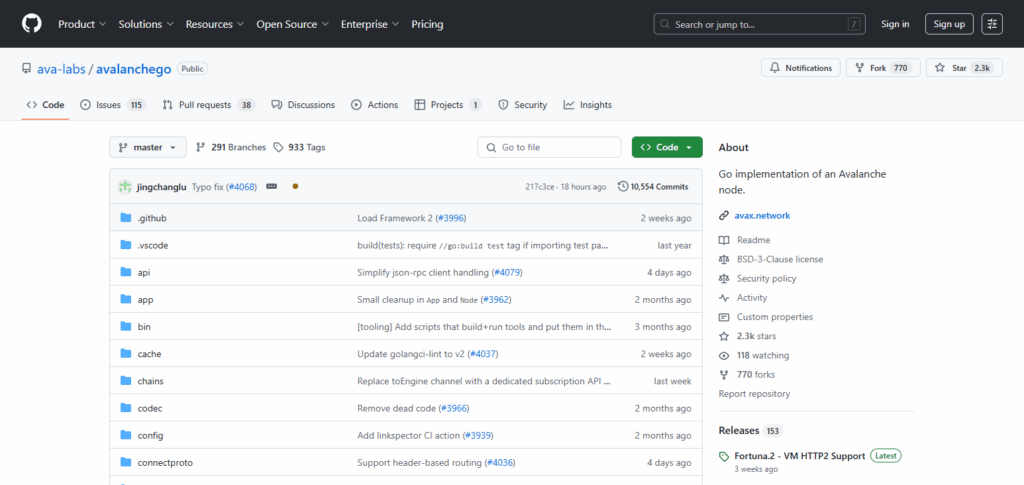
- Make sure to sync your node with the blockchain so it’s online consistently.
Start Validating
- Your node will validate transactions as long as it remains active and staked.
- Rewards are provided for honest participation and uptime, usually around 8-10% APY.
Monitor & Maintain
- Track performance using Avax.network or NodeWatch dashboards.

- Make sure your node remains online over 80% of the time; otherwise, you risk missing out on rewards.
Why Run a Node for Passive Income
Regular Income Potential: Nodes accrue rewards through transaction fees and staking incentives on a consistent basis.
Aid Blockchain Networks: A node operator helps secure the network and supports the decentralization of the blockchain.
Less Volatile than Trading: Node operations are much more stable in terms of earnings compared to day trading.
Growth Potential: Nodes require little to no consistent operational oversight after initial setup, allowing them to effortlessly keep pace with network growth.
Sovereign Control: Full authority over the funds and infrastructure is retained.
Risks and Challenges
Technical Complexity
A prerequisite is knowledge of server setup, security, and command line skills.
Downtime Penalties
Some networks implement penalties (such as slashing) for offline nodes or those exhibiting errant behavior.
High Initial Costs
Significant capital investment in tokens and reliable hardware is often a prerequisite for validator or masternode.
Market Volatility
Fluctuation in crypto prices can affect the value of earned rewards.
Security Threats
Nodes with improper configurations can be hacked or suffer data loss.
Ongoing Maintenance
Performance optimization requires constant monitoring and updates.
Tips to Maximize Your Node Income
Select Networks with Greater Incentive: Participate in blockchains that offer considerable rewards and have vibrant ecosystems.
Maintain Continuous Operations: Make use of remote servers or hosting solutions to guarantee 100% up time to avoid penalties.
Enforce Best Security Practices On Your Node: Apply the latest software updates, configure firewalls, and set multi-factor authentication.
Reinvest Earnings: Expand her node operations or use inbuilt compounding mechanisms through staking to enhance yields.
Track Business Metrics: Track reward rates, errors, and uptime through the use of monitoring tools and alerts.
Participate in Node Communities: Get information from forums, Discord groups, or developer publications to keep up to date.
Legal and Tax Considerations

Taxable Income: Most countries consider node rewards as taxable income, necessitating reporting.
Capital Gains: Realized tokens may incur capital gains tax liability depending on their appreciation.
Regulatory Compliance: Operating nodes may require licensing or registration in certain places.
Record Keeping: For audits, detailed logs of earnings, transactions, and node activity should be kept.
KYC/AML Laws: Identity verification may be needed from some blockchain networks or service providers.
Consult a Professional: Legal or tax advice should be tailored to the specific jurisdiction’s crypto laws.
Pros & Cons
| Pros | Cons |
|---|---|
| Generates steady passive income | Requires technical knowledge and setup |
| Supports and secures blockchain networks | Downtime or misbehavior may lead to penalties |
| Full control over your assets and node | High initial investment in hardware or tokens |
| Potential for long-term earnings | Rewards depend on network and market conditions |
| Enhances decentralization and privacy | Legal and tax complexities in some jurisdictions |
| Scalable with low maintenance once set up | Constant updates and monitoring are required |
Conclusion
In 2025, managing a crypto node could become an effective method of making passive income and providing support to blockchain networks. Although the potential gains are significant and can even scale upward, there is a need for technical configuration, continuous upkeep, and initial investment.
Its legal compliance, node protection, and network selection all play critical roles in the transforming the operation of nodes into dependable cryptocurrency income. For sustained achievements, begin with small setups, educate yourself, and gradually expand your setup.