

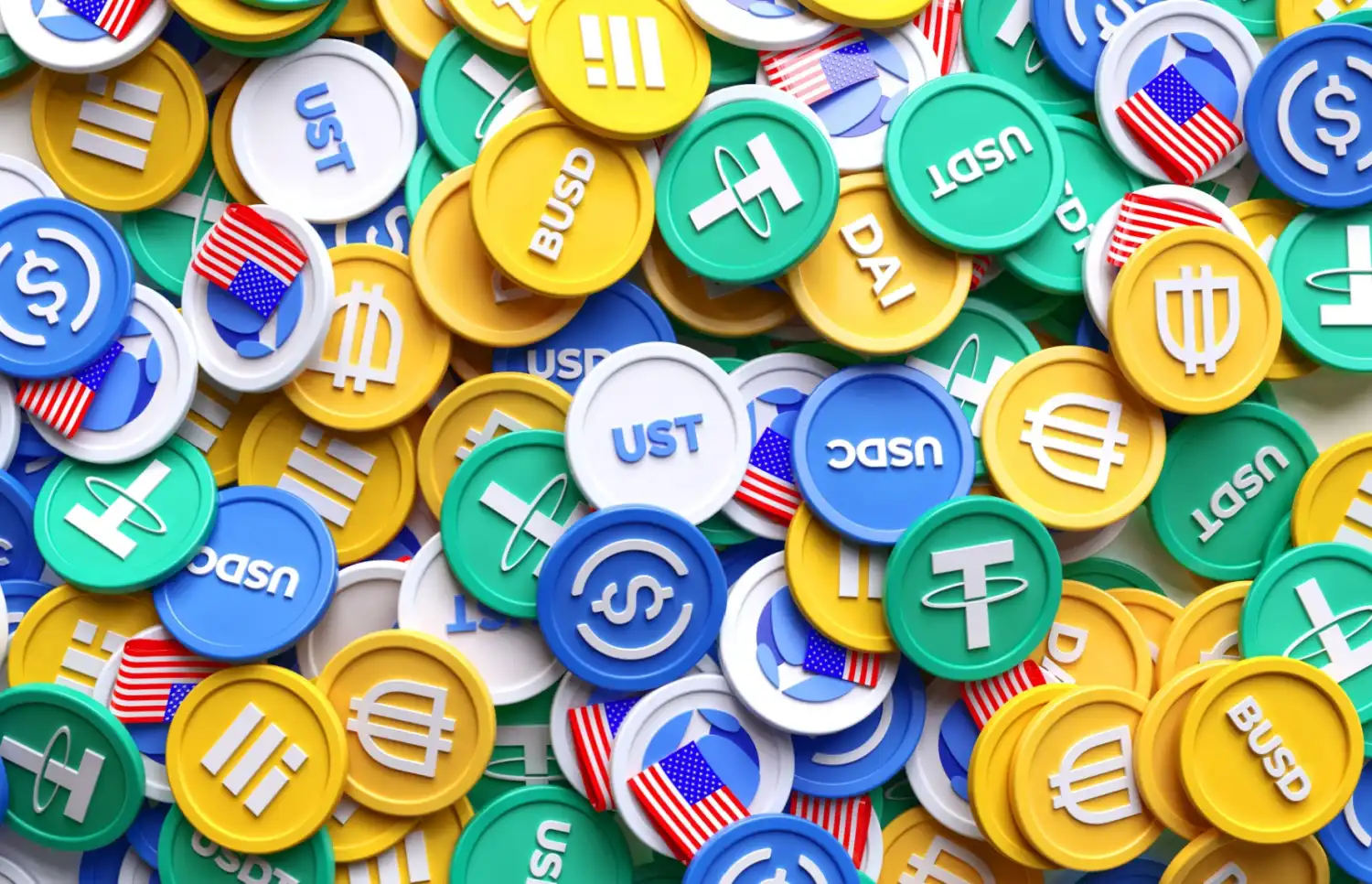
In this article, I will introduce you to an innovation in global business transactions, Stablecoin Payments. Stablecoins have the potential to dramatically improve payment methods for businesses. They have the ability to improve the speed and cost of transactions and increase transparency when compared to the payment methods currently available. Stablecoins also have the ability to remove intermediaries to facilitate seamless cross-border payments and treasury management, along with enabling the automation of financial processes. By 2026, as more regulations are created to establish clarity in the world of finance, stablecoin payments help to bring blockchain technology to mainstream finance.
What Are Stablecoin Payments?
Stablecoins are digital currencies linked to actual currencies (such as the U.S. dollar or Euro) to maintain stable pricing over the long term. Relative to the volatility of other forms of cryptocurrency, stablecoins are a good option for real-world transactions due to their stable value.
Companies who need to pay foreign transactions often use stablecoins for instant, low cost transactions with around the clock service and no intermediary. Transactions done on blockchain networks provide faster traceability, security and reduce the time for reconciliation. Smart contracts allow businesses the ability to automate their payment settlements, while stablecoins give treasury teams flexibility in their liquidity management.
Using stablecoins poses a challenge for businesses until regulatory compliance, the custody of stablecoins and the integration into existing systems are resolved. The uses for stablecoins are efficient and global, ranging from remittances, B2B payments and e-commerce.
How to Start Accepting Stablecoin Payments
Understanding Stablecoins
Research Stablecoins, fiat currencies (e.g. USD, EUR), and payments integration.
Deciding on a Stablecoin
Select from USDC, USDT, DAI as the widely accepted options. Consider regulations and liquidity when selecting.
Creating a Wallet
Create a cryptocurrency wallet to store and receive stablecoins. Decide if you want a custodial or non-custodial wallet.
Integrating Payment Infrastructure
Select Coinbase Commerce, BitPay, and/ or Stripe’s crypto rails and integrate them to create a payment processing system.
Inserting Payment Buttons
Add stablecoins payment buttons to your website, POS system, or invoicing program.
Compliance
Be knowledgeable about your KYC/AML obligations, compliance, and tax reporting.
Training Staff
Train staff on your finance and operations teams on how to handle crypto transactions safely.
Testing the System
Test the system by making several small test payments and evaluate the time, cost, and integration.
Monitoring and Managing Incoming Payments
Convert USD stablecoins to USD if necessary for accounting and payroll.
Increasing Adoption
Begin using stablecoins to pay suppliers and settle cross border payments.
Why Businesses Are Using Stablecoin Payments in 2026

Instant Settlement
- Fast Settlement – Stablecoin payments clear transactions in a few minutes compared to multi-day banking settlement cycles.
- Available Anytime – Stablecoin payments can be set up anytime and can bypass banking hour cutoffs.
Cost Efficiency
- Lower Fees – Several businesses report savings in excess of 10% on cross-border B2B transactions by eliminating the need for correspondent banking and foreign exchange spreads.
- Transaction Simplification – Blockchain transparency eliminates the need for complex accounting and ultimately reduces balances.
Liquidity Management
- Improved Working Capital – Faster settlement of cross-border transactions minimizes value tied up in the global supply chain.
- Corporate Treasury – Corporates employ stablecoins for intra-firm transfers and corporate liquidity pools.
Regulatory Frameworks
- Clarified Frameworks – MiCA in Europe and the U.S. GENIUS Act provide more definitive regulation and improve enterprise confidence.
- Regulatory Compliance – Businesses can integrate stablecoin use with KYC/AML.
International Reach
- International Payments – Stablecoins eliminate legacy payment rails and provide faster and cheaper international payments.
- payments in developing countries – Stablecoins provide payment options where traditional banking infrastructure is lacking.
Business Adoption
- Pending Adoption – EY-Parthenon reports that more than half of the companies that do not currently use stablecoins intend to adopt them within the next 6-12 months.
- Integration by payment processors – Stablecoin payment rails are being integrated by payment processors Visa, Mastercard, and Stripe.
How Stablecoin Payments Work for Businesses
Customer payment in stablecoin
A business customer, during checkout, selects a stablecoin (USDC, USDT, DAI, etc.) and makes payment from their digital wallet.
Settlement on blockchain
A transaction is recorded on the blockchain (e.g. Ethereum, Solana). This process brings transparency and cannot be altered.
Confirmation in seconds
Confirmations of payments are done in seconds, which means that there are no delays in processing payments as a result of a bank or any other intermediary.
Funds received by business
The stablecoins are transferred to the business’ wallet or the payment gateway.
Automation by smart contracts
Sophisticated programs (smart contracts) can automate various processes tied to business operations, including payment of invoices, business refunds, or payment of business supplier invoices.
Conversion to cash
Stablecoins can be retained by a business for liquidity or sold for cash using an exchange (or a digital payment processor) for localcurrency.
Compliance and reporting
Payment processors integrate various controls and reporting for compliance, including checks against money laundering (AML) and controls for ‘know your customer’ (KYC).
Integration with treasury
Stablecoins can be used for transfers across borders to subsidiaries, payment for payroll, and management of liquidity.
Where Stablecoin Payments Make the Most Sense
| Use Case | Why It Makes Sense |
|---|---|
| Cross‑border B2B | Instant settlement, lower FX fees, bypass correspondent banks |
| E‑commerce | Global reach, reduced chargebacks, faster checkout |
| Remittances | Cheaper transfers, 24/7 availability, access in emerging markets |
| Treasury transfers | Liquidity pooling, intra‑company settlements, working capital efficiency |
| Supplier payments | Faster reconciliation, reduced banking delays, programmable smart contracts |
| Payroll in global teams | Instant salary disbursement, reduced conversion costs, borderless reach |
| Subscription services | Automated recurring payments via smart contracts, reduced processing fees |
| Financial services | Integration with fintech platforms, faster lending/settlement cycles |
Stablecoin Payment Models Businesses Can Choose

Stablecoin payment models provide businesses with the flexibility to lean into their preferred aspect of digital currency for transactions. Transacting customers can send stablecoins directly to a business-controlled wallet for an instant and transparent transaction, but the model requires an appropriate custody solution.
Another option is payment gateways such as Coinbase or BitPay, which provide a simple option to include stablecoin checkout on websites or point-of-sale systems. The gateways also assist with the necessary compliance and currency conversion. Many services offer custody solutions where the provider manages a customer’s wallet and conducts necessary compliance and regulatory functions.
The larger enterprises utilize stablecoin models to facilitate intra-group settlement and funding. Each model involves a trade-off of control vs. compliance and efficiency. This flexibility allows a business to select a stablecoin model based on the operational and regulatory needs of the specific business.
Compliance and Regulatory Requirements
KYC/AML Verification
Businesses are obligated verify customer identities and monitor transactions to prevent money laundering and other criminal activities.
Licensing Obligations
Based on the location, a money transmitter license, or registration with a financial authority, may be required.
Tax Reporting
For bookkeeping and compliance with corporate taxes, and for the reporting of capital gains, stablecoin transactions must be recorded.
Customer Protection
Regulations mandate allowing customers to receive information to help them resolve disputes, ensuring that customer funds remain safe, and disclosing clear and concise information about the fees charged.
Data Privacy
Compliance with the GDPR or CCPA requires secure customer data.
Cross-border Rules
International payments must comply with local currency controls and anti-terror financing laws.
Stablecoin Issuer Compliance
Businesses must confirm that stablecoins used in transactions comply with a regulatory framework (e.g., MiCA, or U.S. stablecoin acts).
Key Stablecoin Payment Infrastructure
| Component | Role in Payments |
|---|---|
| Stablecoin issuers | Provide regulated, fiat‑backed stablecoins (e.g., USDC, USDT, DAI) |
| Digital wallets | Store, send, and receive stablecoins securely |
| Payment gateways | Integrate checkout options for e‑commerce and POS systems |
| Blockchain networks | Enable settlement and transaction recording (Ethereum, Solana, Polygon) |
| Smart contracts | Automate recurring payments, refunds, and supplier settlements |
| Custodial services | Manage compliance, custody, and conversion to fiat |
| Compliance tools | Handle KYC/AML checks, tax reporting, and regulatory alignment |
| Treasury systems | Optimize liquidity pooling, intra‑company transfers, and cash flow |
| Conversion platforms | Exchange stablecoins into fiat currencies for accounting and payroll |
Stablecoin Payment Costs

Stablecoins charge lower fees than traditional banking, therefore, it is appealing to businesses for payment settlement. Stablecoin fees are between 0.5 to 2.5 percent compared to cross‑border bank transfer fees, which are between 3 to 7 percent. Businesses do not incur costs associated with an intermediary since stablecoin settlements occur on blockchain networks.
In addition, businesses save money related to currency conversions. This is because stablecoins are frictionlessly tethered to legal tender. That said, there can be differences in costs related to the blockchain networks, and Ethereum is known to have higher gas fees compared to some other networks like Solana or Polygon.
Customer custody solutions, compliance, and payment gateway are more services that can potentially charge a business money. When considering the overall costs, stablecoin payments are an appealing method for international business‑to‑business transfers and settlements, as well as cross‑border e‑commerce settlements.
Stablecoin Payment Risks Businesses Need to Consider
Regulatory uncertainty
Laws vary by region, and changes to how legislators think and act can bring unpredictable disruptions to a company’s operations.
Custody and security
Businesses must defend against hacks and phishing as well as insider theft.
Liquidity risks
Stablecoins can suffer from redemptions if their issuers do not maintain reserves or if they are stressed.
Blockchain network fees
If other networks (besides the company’s main blockchain) have high gas fees (especially if they’re charging to use their blockchain), any potential cost savings could quickly evaporate.
Counterparty risk
Reliance on a company or a custodian puts a client at risk in terms of that party’s solvency and quality.
Integration challenges
Blockchain technology is not easy to integrate with legacy systems.
Volatility of non‑fiat backed coins
Algorithms backing stablecoins can become stressful and cause financial problems if the coins become volatile.
Reputation risk
If a company is not compliant, the misuse of stablecoins for illicit or illegal purposes can damage a company’s reputation.
Stablecoin Payments vs Traditional Payment Methods
| Aspect | Stablecoin Payments | Traditional Payments |
|---|---|---|
| Settlement speed | Minutes, 24/7 global availability | 2–5 business days, limited by banking hours |
| Transaction costs | 0.5–2.5% average fees | 3–7% for cross‑border transfers |
| Cross‑border efficiency | Direct blockchain settlement, no intermediaries | Relies on correspondent banks, slower and costlier |
| Transparency | Public blockchain ledger ensures traceability | Limited visibility, reconciliation delays |
| Currency conversion | Pegged to fiat, avoids FX volatility | Subject to exchange rate fluctuations |
| Compliance | Emerging frameworks (MiCA, U.S. acts) | Established global banking regulations |
| Integration | Requires blockchain wallets/gateways | Widely integrated with legacy systems |
| Risk factors | Custody, regulatory uncertainty, issuer solvency | Banking delays, higher costs, FX risk |
Accounting, Tax, and Reconciliation Considerations
Accounting Treatment
Stablecoins are considered as a digital asset and, therefore, must be recorded at a given valuation with respect to the corresponding fiat currency employed in the transaction.
Recognition of Revenue
Payments must be recorded at the fair market value of the local currency, when they are received.
Tax Reporting
Transactions etc. may attract corporate tax, value added tax (VAT)/Goods and Services Tax (GST) and capital appreciation.
Currency Conversions
The conversion to fiat must be documented for tax compliance.
Reconciliations
Blockchain ledger entries must be matched with the accounting records and the invoices.
Audit Compliance
This requires record of the wallet addresses, transaction identifiers, and the conversion rates.
Regulatory Filings
Businesses may be required to report their crypto transactions and holdings in their financial documents.
Impacts on Treasury
The stablecoins used for liquidity should be adno guarded from the fiat currency in the reserve.
Real-World Business Payment Workflow
Customer payment initiation
A buyer selects USDC (or other stablecoins) to pay at check out. Funds are transferred from the buyer’s crypto wallet.
Blockchain settlement
Payment is confirmed and recorded onto a blockchain (e.g. Ethereum, Solana, Polygong). It is a fast, transparent and irrevocable process.
Payment confirmed
Payment is confirmed within minutes eliminating banking conflicts.
Funds received by merchant
Stablecoins are sent to the merchant’s crypto wallet or are transferred via payment processors (e.g. Coinbase Commerce, BitPay)
Automated smart contract workflows
Contracts are programmed to automatically settle invoices or initiate refunds or payments to suppliers.
Fiat stablecoins
Stablecoins are either retained in a pool to be used for payments within the business or converted to local currency for use in business payments, expenses, payroll and accounting.
Compliance
The processes are designed to maintain regulatory compliance, integrate KYC/AML, and fulfill tax obligations.
Reconciliation
there will be evaluations to ensure that the blockchain ledger records are aligned with the accounts and the invoices.
The Future of Stablecoin Payments in 2026 and Beyond
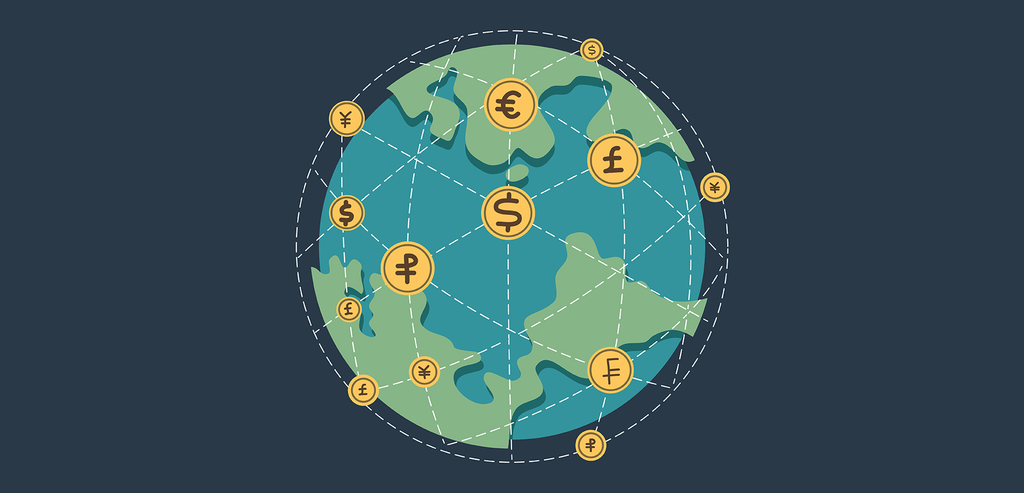
2026 and the years that follow will see stablecoins integrated within international payment systems and acknowledged by global regulation. Global businesses are starting to view stablecoins as the more efficient alternative for cross border transactions.
Due to their low costs and quick settlements, stablecoins are now used for business to business payments, cash management, and even for peer to peer payments. With clearer regulations (MiCa for example) in Europe and emerging legislation for stablecoins in the U.S., businesses and banks will have the clarity needed to engage in this new form of currency. With the infrastructure already established by companies like Visa, Mastercard, and Stripe, this payments technology will only continue to grow.
In the future, stablecoins will be reprogrammable, allowing for settlement of contracts and real time distribution of salary through smart contracts. Looking past the initial disruptive technology stablecoins bring to payments, they will have a permanent impact on global trade and the integration of legacy finance with newer technologies.
Final Takeaway
In 2026, stablecoins have developed as a mainstream financial instrument that firms can use. Stablecoins help firms conduct cross-border B2B transactions, treasury transfers, and e-commerce transactions faster and save money on transactions when compared to traditional methods.
Europe has adopted the MiCA regulation, and the U.S. Congress is likely to pass legislation. Both of these regulations have given firms the confidence they needed to start integrating stablecoins into their operations. Furthermore, accessible integration with all major payment networks provides firms the scalability required.
Several firms still need to address the challenges of compliance, custody, and reconciliation to tap the full potential. Stablecoins will provide firms with the ability to conduct transactions in a fully automated manner by using smart contracts and payment settlement triggers.
FAQ
What are stablecoins?
Stablecoins are digital assets pegged to fiat currencies (like USD or EUR) to maintain price stability.
Why should businesses accept stablecoins?
They enable faster cross‑border payments, lower fees, and improved liquidity compared to traditional methods.
Which stablecoins are most used?
Popular options include USDC, USDT, and DAI due to liquidity and regulatory backing.
How do businesses receive payments?
Through crypto wallets or payment gateways like Coinbase Commerce, BitPay, or Stripe.