


In this article, I will cover Where to Learn Blockchain Programming. Finding courses and resources as a beginner or an advanced learner is significant.
To help you master blockchain development and start building real-world decentralized applications, there are various options available, including online courses, interactive resources, and community support.
What is Blockchain Programming?
Blockchain programming focuses on developing decentralized applications (dApps) and smart contracts on blockchain platforms. Particular areas in the field of programming emphasize building secure and tamper-proof systems using Solidity, Python, and JavaScript.

It also allows developers to craft rules for transactions, data storage, and consensus mechanisms independently from a central party. Innovating how data and value are exchanged globally, Blockchain technology enables the development of applications for finance, supply chain, gaming, and other industries.
5 Top Places to Learn Blockchain Programming
1. Coursera
Coursera offers a comprehensive and convenient way to learn blockchain programming, featuring courses from leading universities and industry professionals.
Its unique advantage stems from the combination of theory with practical work, which enables students to construct smart contracts and decentralized applications (dapps).

With verified certificates and specialization tracks, Coursera helps both novice and experienced programmers acquire in-demand skills that employers highly value. With the platform’s interactive quizzes, class discussions, and peer evaluations, blockchain programming can be better understood and applied to real-life scenarios.
Coursera Features
- University-sponsored Classes: Offers blockchain programming classes from leading universities, guaranteeing high academic standards.
- Hands-on Projects: Provides assignments for learners to construct actual smart contracts and dApps.
- Verified Certificates: Issues certifications that enhance career credentials.
2. Udemy
Udemy offers a comprehensive library of courses that cater to all levels of learners, making blockchain programming accessible and affordable.
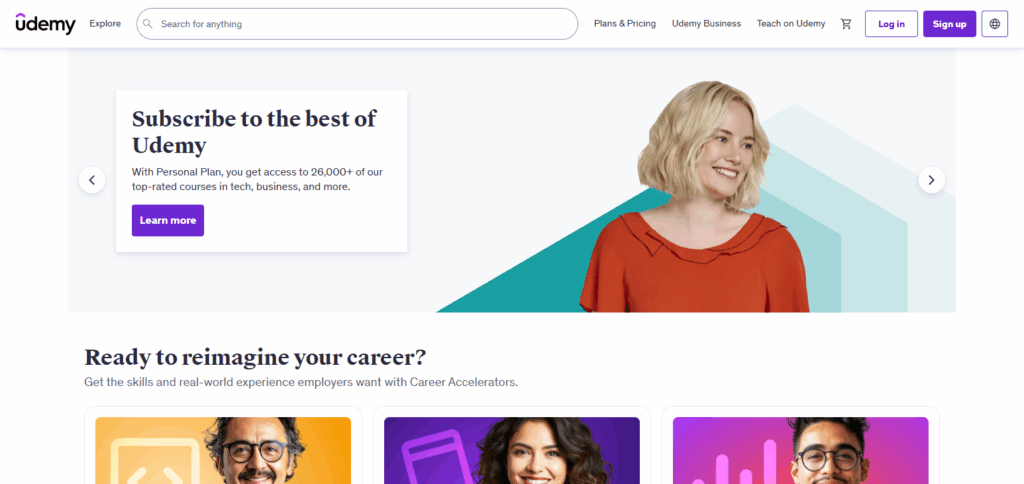
One of the standout benefits of Udemy is the diverse range of instructors and the practical, hands-on approach of the lessons that allow learners to construct functional blockchain applications quickly.
Learners can freely pace themselves and revisit content whenever they want, thanks to Udemy’s lifetime access feature. Additionally, high-quality courses that match exact requirements, programming needs, and budgets are easily found due to frequent discounts and user reviews.
Udemy Features
- Multiple Course Offerings: Contains a great selection of blockchain programming courses catering to all skill levels and price points.
- Project Based Teaching: Emphasizes practical experience by having students build various blockchain applications.
- Unlimited Course Availability: Provides the freedom to learn at one’s own pace without time constraints.
3.edX
edX offers MIT and Berkeley courses on blockchain programming, which are taught at the university level. Its unique strength is providing deep theoretical knowledge alongside practical coding assignments. This ensures a solid grasp of essential blockchain concepts.

Certificates and professional credentials from edX offer value verification for career advancement. Its guided pathways, coupled with leading trainers, make it easiest for learners looking for a well-rounded blockchain education that is rigorous, academically respected, and professionally applicable.
edX Features
- Rigorous Academics: Offers courses taught by top-tier universities, which include blockchain deep theory and practice courses.
- Structured Learning Paths: Complete courses with defined levels of progression.
- Professional Credentials: Certificates are verified and can improve resumes and job opportunities.
4.LinkedIn Learning
LinkedIn Learning has introduced LinkedIn Learning Courses on blockchain programming, which utilize short video lectures followed by hands-on tasks to teach professionally.
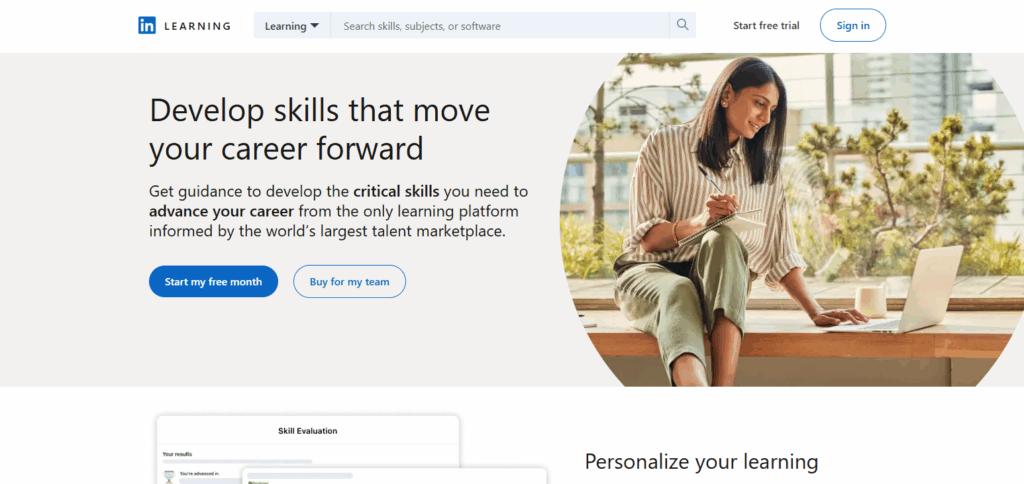
Its most unique advantage is that it is coupled with LinkedIn’s network, where learners can showcase completed courses on their profiles to attract employers.
The platform prioritizes career-oriented skills and offers courses taught by industry professionals that span the interconnected worlds of coding and blockchain, covering both its technical and business sides. Ease of learning, regular updates, and custom-tailored guidance make it simple to progress further in the blockchain technology world.
LinkedIn Learning Features
- Focus on Employment: Tokenized business skills and blockchain technologies are combined.
- Instructors with Practical Experience: Courses are delivered by seasoned professionals in the field.
- LinkedIn Certificate Updates: Certificates can be automatically added to the LinkedIn account, enhancing profile visibility.
5.CryptoZombies
CryptoZombies is an entertaining and interactive platform that teaches blockchain programming by creating games on the Ethereum blockchain.
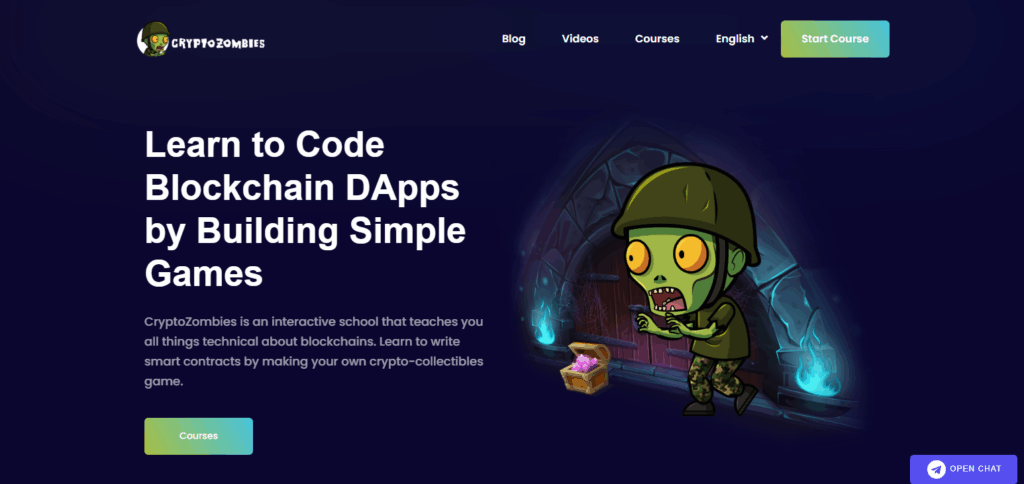
It is easier to learn the complicated concepts of Solidity and smart contracts by gamified learning, which makes it interesting, especially for newbies.
Learners prepare zombie-themed projects, gradually coding and learning through hands-on experience. This distinct approach enables learners to grasp the fundamentals of blockchain technology more quickly. Unlike most courses, CryptoZombies focuses on fun rather than overwhelming students with heavy theory.
CryptoZombies Features
- Fun Game-based Learning: Teaches students Solidity through the creation of zombie games which simplifies learning complex parts.
- No Experience Necessary: No coding skills required; this is ideal for anyone looking to learn blockchain.
- Instructive Tutorials: Smart contract development is taught gradually.
Why Learn Blockchain Programming?
High Demand for Developers: The industry is experiencing a rapid expansion, resulting in a booming need for talented blockchain programmers.
Diverse Career Opportunities: A gamer and a finance expert have something in common now. You can enter different sectors, thanks to the blockchain’s multifaceted nature.
Decentralization and Security: You can design trustworthy, transparent apps that enable users to interact without intermediaries.
Innovation and Future Growth: The opportunities are limitless when it comes to blockchain, as it continues to evolve in terms of technology and finance.
Attractive Salaries: Specialized blockchain skills mean that the developers can be compensated handsomely.
Communities and Forums for Blockchain Learners
Reddit (r/blockchain, r/ethdev): In these subreddits, you will find the newest information, constructive conversations, and assistance dealing with the issues of programming blockchain.
Ethereum Stack Exchange: A dedicated site exists for asking and answering questions related to blockchain programming and its technical aspects, allowing users to resolve problems within the community.
Discord Groups: For instruction and project assistance, students can communicate directly with the developers, teacher, or even the project group itself instantly.
Telegram Channels: Instant community conversations, global chat rooms, and a community-driven network where blockchain fans give and take knowledge.
GitHub: Learning practical skills can be enhanced through participation in open-source projects, coding, peer assessment, and collaboration with other developers.
Tips to Stay Updated in the Rapidly Evolving Blockchain Space
Monitor Industry News: Consistently check industry leaders such as CoinDesk, The Block, and CoinTelegraph.
Attend Blockchain Forums: Interact with social media groups, forums, and Discord servers to gain and share knowledge.
Attend Webinars and Workshops: Participate in both in-person and virtual meetings to gain information from experts and network.
Enroll for Blockchain Newsletters: Have relevant information and updates sent straight to your email.
Test New Tools: Actively check new protocols, platforms, and development kits for blockchain to remain practical.
Risk & Considerations

Outdated Content
Courses may not be current with the latest developments in blockchain technology. Also, remember to look for the publication date, as well as any relevant updates.
Varying Course Quality
Due to the numerous instructors on platforms like Udemy, the quality of courses can be inconsistent. Make sure to check reviews beforehand.
High Technical Complexity
The logic of decentralization, smart contracts, and cryptography involved in programming blockchain can be advanced for many beginners.
Platform Costs
There are free courses available. However, advanced certifications, specialized training, or even an introductory level course may come at a price.
Time Commitment
One needs to dedicate time to learn the theoretical aspects of blockchain programming along with practical work, especially hands-on exercises.
Pros & Cons
| Pros | Cons |
|---|---|
| High demand and growing career opportunities | Steep learning curve for beginners |
| Diverse applications across industries | Rapid technology changes require constant learning |
| Opportunity to work on innovative projects | Limited resources for some advanced topics |
| Attractive salaries and freelance options | Complex concepts like cryptography and consensus mechanisms |
| Access to global, decentralized networks | Development can be time-consuming and technical |
Conclusion
To sum up, understanding how to program with blockchain technology allows you to explore a rapidly expanding and modern industry with many career pathways.
It could be well-structured courses offered on Coursera and edX, hands-on, practical, and less expensive courses on Udemy, or gamified learning experiences on CryptoZombies.
Each of these provides resources tailored to different learning preferences. Joining communities and following developments is just as vital. Don’t delay: learning about programming on blockchain will enable you to solidify skills that influence the future of technology and finance.