

In this article , I will discuss the rationale for the prediction that Why Real-World Asset (RWA) Tokens Could Become the Next Trillion-Dollar Market. RWA tokens bridge the gap between traditional finance and blockchain technology by transforming tangible assets such as real estate, bonds, and invoices into digitized, tradeable assets.
This innovation adjusts illiquidity, offers fractional ownership, and provides international reach and access, redefining investment possibilities, revolutionizing market finance, and mobilizing substantial investments globally.
What Are Real-World Assets Tokens?
RWA (Real-World Asset) tokens document your ownership of physical and traditional finance assets—real estate, commodities, bonds, invoices—on the blockchain.
Each asset you tokenize lowers the minimum a user can own, increasing liquid access and the ability to trade the asset.
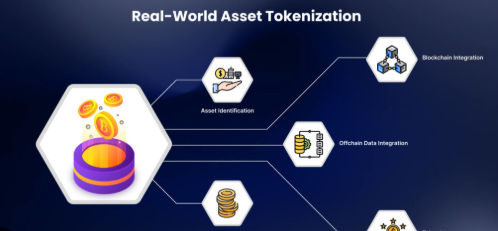
Users can trade tokens, and each reflects a portion of the real-world asset. This level of access opens up a market share previously dominated by large institutions.
RWA provides the security and transparency of blockchain technology, and the asset’s stability helps bridge traditional finance (TradFi) and decentralized finance (DeFi). This provides new opportunities to invest globally and provides financial inclusion.
Why Real-World Asset (RWA) Tokens Could Become the Next Trillion-Dollar Market
Global Liquidity Expansion
RWA tokens make converting illiquid real estate and private loans into digital tokens possible. This allows global investors to gain access and unlock sizable capital flows. International investors can capitalize on the benefits received from global investments.
Fractional Ownership
Assets can now be divided into smaller portions through tokenization. This provides the ability to make high-value investments to both retail and institutional investors and allows a higher participation to the overall market.
Institutional Adoption
RWA tokenization is being considered by the large commercial banks and other institutional players such as private equity firms and global fund managers. The large investments from these players reflects the market demand. It is going to be transformative to these players, as the market is large.
DeFi Integration and Yield Opportunities
Using RWA tokens in the DeFi space to earn interest and lending yields becomes possible. This expands the scope of what these tokens can do. The ability to earn passive income through DeFi lending is a game changer and will lead to the appreciating value of the RWA tokens themselves.
Regulatory and Technological Advancements
RWA tokenization is being made possible by blockchain innovations such as smart contracts, secure custody, and interoperability. RWA tokenization is gaining interest and being made safe, scalable, and appealing to global markets with the increasing regulatory clarity surrounding RWA tokenization.
How It Works Real-World Asset (RWA) Tokens
Asset Identification and Legal Setup
Owning an asset as real estate, government bonds, or commodities and documentation that proves ownership and legal compliance with the regulations is the first step.
Valuation and Custody
The designated asset gets a professional appraisal for its valuation. To digitally issue tokens on the blockchain, the asset is held safely by a licensed custodian or institution as collateral.
Tokenization Process
Smart contracts facilitate the splitting of the asset’s worth into smaller digital tokens. Each token symbolizes a portion of ownership, allowing smaller investors to acquire a piece of high-value assets.
Blockchain Registration and Transparency
The token information is captured within a blockchain and employed as a secure, trustworthy, unchangeable ledger. Ownership and transaction transfers are performed autonomously and electronically with smart contracts.
Trading and Yield Generation
RWA tokens can be traded on decentralized exchanges or other regulated trading venues. Investors can earn passive income through appreciation, rent, or interest on the asset, as well as benefit from rapid settlement and global liquidity.
Benefits of Real-World Asset (RWA) Tokens
Increased Liquidity
RWA tokens allow real estate and private loans to be converted into blockchain-embedded tokens. Investors can trade fractional ownership of real estate and other previously illiquid assets easily within minutes.
Fractional Ownership and Accessibility
Instead of whole ownership, investors can buy and sell fractional ownership of previously illiquid real estate tokens. This expanded accessibility aims to make high-value assets and investment opportunities available to retail investors.
Transparency and Security
Blockchain technology ensures high levels of transaction security. Ownership records can be audited easily and third-party fraud is virtually impossible. This increases trust by all transaction participants.
Global Investment Opportunities
Assets previously limited by geography or local regulations can be accessed by investors crossing borders for investment. Tokenization provides added benefits by allowing previously restricted assets to be accessed.
Integration with DeFi and Yield Generation
Holders of real world asset tokens can participate in DeFi by collateralizing these tokens for loans, yielding high returns in staking, or harvesting in other DeFi protocols. This setup provides RWA holders additional income streams outside the tokens’ traditional returns.
Leading Projects in the RWA Ecosystem
Centrifuge
The Centrifuge platform is one of the real-world asset (RWA) pioneers bridging traditional finance with decentralized finance by tokenizing real-world assets.
Unlike almost all of its competitors, Centrifuge enables businesses to directly finance their invoices, invoices receivables, and other on-chain assets, unlocking liquidity on-chain and bypassing traditional banking.
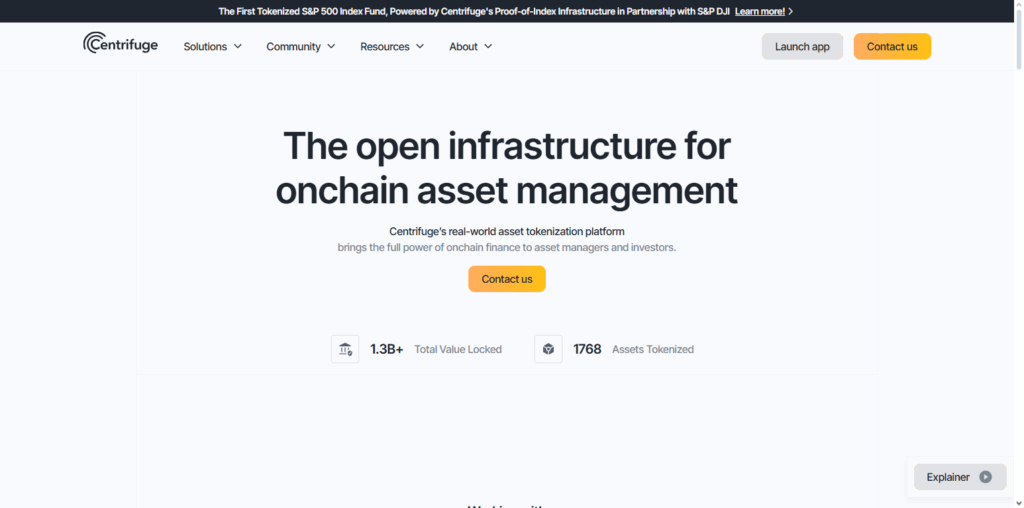
The combination of on-chain asset pools and integrations with decentralized finance (DeFi) offers access, safety, and efficient movement of capital.
Centrifuge is one of the most innovative and impactful ecosystems empowering businesses and investors with the RWA token by offering fractional ownership and quick settlement of invoices along with interest-earning potential.
Ondo Finance
Ondo Finance stands out as a pioneer within the Real-World Asset (RWA) ecosystem and is focused on structured investment products. Unlike many competitors, Ondo concentrates on the production of risk-adjusted and yield-optimized RWA tokens, accommodating conservative and sophisticated clientele alike.
By integrating assets like bonds, loans, and receivables with the blockchain, Ondo Finane makes investments safe and programmable. The investments are tradable and programmable.
The company’s patented technology fosters fractional ownership and DeFi yield automation, becoming the bridge for traditional and decentralized finances. Positioned this way, Ondo occupies the crossing point of structured RWA products and RWA Finance, making it one of the most creative companies in this area.
Maple Finance
Maple Finance is a major player in the Real-World Asset (RWA) ecosystem, especially known for its decentralized lending solutions aimed at institutional borrowers. What Makes Maple Finance unique is the service of undercollateralized lending which is rare in the DeFi sphere.
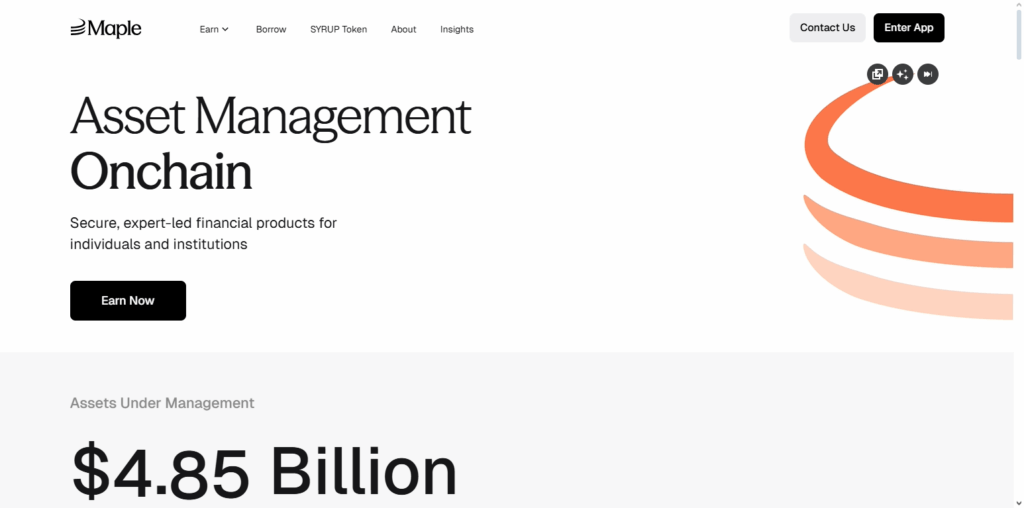
DeFi is known for overcollateralized lending, which makes undercollateralized lending a major differentiator. Maple uses smart contracts to pair accredited borrowers with lenders. This creates a clear, automated system for managing risk.
Maple helps institutional borrowers access flexible, quick capital while giving structured, risk-adjusted exposure to investors. This combination of undercollateralized lending, risk-adjusted returns, and DeFi access is what makes Maple a leader in the RWA’s space.
Key Features of Real-World Asset (RWA) Tokens
Fractional Ownership
RWA tokens give the option of dividing high-value physical or financial assets into smaller pieces so that investor can purchase a fraction of the asset instead of the whole one, making it more affordable.
Blockchain-Based Transparency
A record of all transactions and ownership is preserved on a blockchain which protects against fraud and the misuse of assets while adding auditability and permanence.
Enhanced Liquidity
Tokenization of assets used to be illiquid and difficult to trade, such as real estate, invoices or bonds, and created tradable digital units that can be more easily entered and exited.
DeFi Integration
RWA tokens can be integrated into DeFi protocols for loans, staking, and yield farming which taps into new revenue potential.
Global Accessibility
Investors can trade and own tokenized assets regardless of geography or applicable regulations creating opportunities for everyone as a contrast to the traditional systems that only allowed financial institutions.
Automated Governance and Smart Contracts
Smart contracts greatly decrease the need for human resources and intervention by automating processes of ownership transfer, dividend distribution, and overall compliance.
Risk Diversification
Investors can easily diversify by acquiring various tokenized real-world assets, greatly lowering their risk exposure to any one asset.
Challenges and Risks
Regulatory Challenges
As of October 2023, The rules and regulations surrounding asset tokenization vary from one country to another, and ambiguity in regulations exposes issuers and investors to potential legal and compliance risks.
Complexity of Valuation and Auditing
Valuing real-world assets, especially ones like real estate and private loans, and auditing them extensively can be extremely difficult, and high stakes in the situation can deter potential customers.
Counterparty and Custody Risks
The custodians and the clients of the custodians should be trusted to mitigate fraud and adiquate asset tokenization– any mismanagement of custodians has a potential to destroy the token.
Vulnerability of Technology and Smart Contracts
The operational and financial risks associated with smart contracts can be devastating. Audits of contracts should be enforced in order to limit exposure to loss of funds and illegal outflows.
Market Liquidity Risks
Market demand of RWA tokens directly impacts the trading of the tokens. Tokens that disappoint in demand are difficult to sell and are likely to disappoint the holders of the token.
Economic and Asset-Specific Risks
The risks associated with fraud and mismanagement of tokens and their custodians are connective to malfeasance in the real world – a token will be worthless for evaporation risk, defaults, market crashes, and economic downturns.
The Future of RWA Tokenization
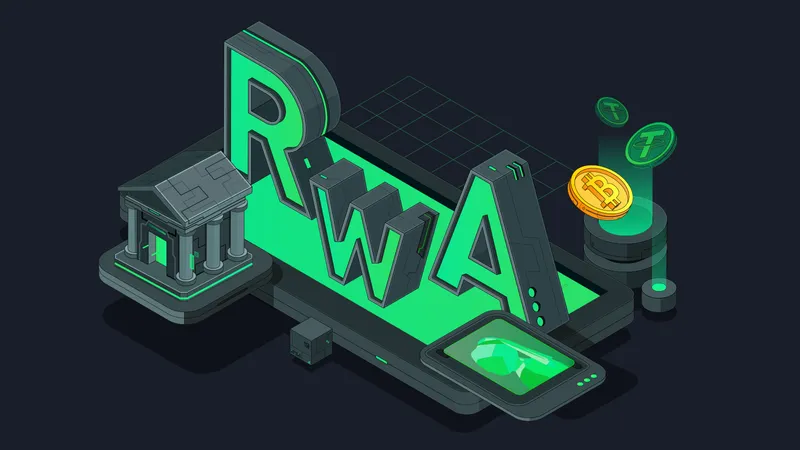
The outlook for Real-World Asset (RWA) tokenization seems to be optimistic considering how it connects traditional finance to include decentralized systems to create more open and advanced global markets.
With the advancement of blockchain technology and the establishment of clearer guidelines for its use, more businesses, as well as private investors, will likely become more interested in RWA tokens and the transparent, secure, and fractionalized investments they offer for expensive assets.
Increased integration with DeFi systems will create more novel and flexible earning systems, and smart contracts will take over the more tedious compliance and governance functions.
RWA tokenization has the potential to become a fundamental part of the next trillion-dollar financial revolution, and, even more importantly, it may redefine global capital markets and the liquidity of assets that have long been difficult to sell.
Conclusion
Real-World Asset tokens are set to change the future of finance by merging conventional assets and blockchain technology. The ability to offer fractional ownership, liquidity, borderless access, and DeFi closed system integration makes RWAs appealing to retail and institutional players alike.
The combination of market and technological advancements, along with evolving regulations, will open new opportunities and yield and streamline management for assets currently locked away due to the lack of RWA tokenization.
This will lead RWA tokens to secure unprecedented levels of market capital and position them upwards of a trillion-dollar market in the future.
FAQ
RWA tokens are digital representations of tangible or financial assets, such as real estate, bonds, or invoices, recorded on a blockchain. Each token represents fractional ownership of the underlying asset.
They provide liquidity, fractional ownership, transparency, and integration with DeFi platforms, allowing investors to access high-value assets and earn yields efficiently.
By unlocking previously illiquid assets and enabling global participation, RWA tokens can attract massive capital inflows from both retail and institutional investors.