


I’ll go over how blockchain is transforming gaming in this post. By enabling actual ownership of in-game assets, generating play-to-earn opportunities, and promoting transparent, decentralized ecosystems, blockchain technology is revolutionizing the gaming industry.
With the ability to trade NFTs, earn bitcoin, and take part in international gaming economies, games become more than simply entertainment—they can also be a source of innovation and real-world value.
What is Blockchain Gaming?
By incorporating blockchain technology into video games, blockchain gaming is a cutting-edge strategy that enables players to really own, trade, and profit from in-game assets. Blockchain games employ decentralized networks to safely store digital assets, frequently as NFTs (non-fungible tokens), in contrast to traditional games where objects are restricted to a single platform.

This guarantees permanent ownership, verifiable scarcity, and transparency. By automating game rules, awards, and transactions, smart contracts eliminate the need for middlemen. Play-to-earn (P2E) models, in which gamers can earn cryptocurrency or valuable digital things while playing, are also made possible by blockchain gaming.
Cross-platform interoperability allows assets to be moved or utilized between games, transforming the gaming scene for both casual and professional players and fostering a player-driven economy.
How Blockchain Is Revolutionizing Gaming
Example: Axie Infinity – Step by Step
Step 1: Player Onboarding
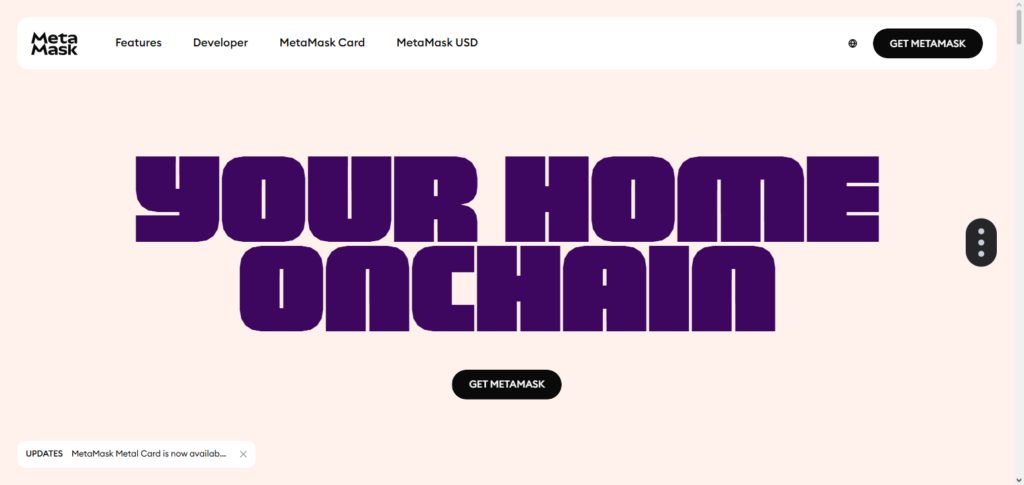
- Players set up a crypto wallet (MetaMask is an example) to hold their currency and gaming resources.
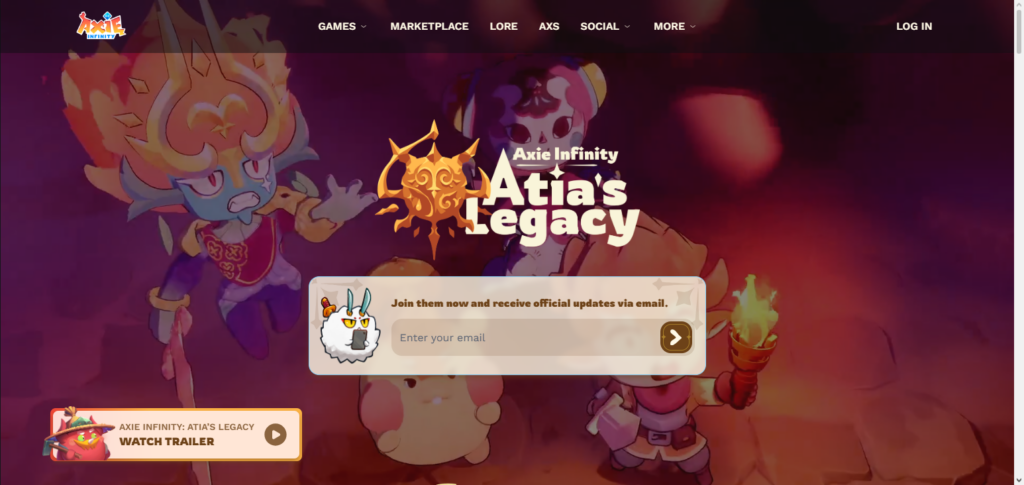
- They either buy or receive starter Axies (digital pets) as NFTs.
Step 2: True Ownership of Assets
- Axies are unique blockchain NFTs.
- Players own their Axies and assets fully. They can buy, sell, or use them in other games (if those games are compatible).
Step 3: Play-to-Earn Rewards
- Axie players receive SLP (Smooth Love Potion) tokens by winning battles, completing quests, and breeding Axies.
- They can cash out or choose to reinvest tokens within the game.
Step 4: Smart Contract Automation
- The smart contract in the game handles everything breeding, and the distribution of tokens.
- This increases transparency and removes the possibility of scams and game manipulation.
Step 5: Player-Driven Economy
- In the Axie Infinity marketplace, players can trade Axies and assets as they see fit.
- This player market creates an ecosystem benefitting players for their investment in time and effort (in-game work).
Step 6: Cross-Platform and Global Reach
- Global accessibility removes the central authority to limit who can participate. Players of all countries can join.
- Cross-border transactions are instantly and securely protected by Blockchain.
Step 7: Long-Term Impact
- The Players will not only experience entertainment value but also an economic value.
- Game devs can build sustainable, transparent systems that will reward loyal players.
Why Blockchain Is Revolutionizing Gaming
Digital asset ownership: Players earn ownership of in-game characters, items, and land, by receiving NFTs, which, unlike other ownership systems, allow players to own their items outside of the game ecosystem.
Play to earn gaming: Players can now earn cryptocurrency, as well as other valuable digital assets, just by playing the game.
Cheating, fraud, and centralized misconduct is eliminated: Smart contracts that automatically execute certain provisions in contracts, can remove the ability for one party to govern the game.
Interoperability of multiple games: Players will create a digital economy outside the games/ game company, by using and trading assets across multiple games.
Decentralization: Less reliance on a single game company, as community efforts will drive the ecosystem.
Provenance and security of assets: Hacking and duplication of assets will be eliminated as provenance will exist for every digital asset.
Game design will be more innovative: Unique game experience will be created using elements such as tokenized rewards, decentralized marketplaces, and metaverse.
Key Technologies Behind Blockchain Gaming
Blockchain Platforms
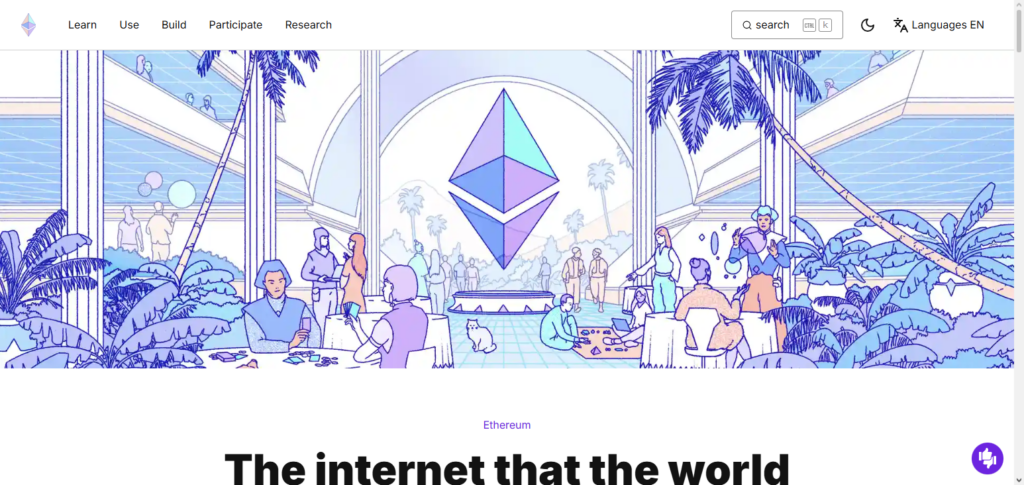
Games operate on decentralized blockchains like Ethereum, Solana, and Polygon which give a secure and transparent way to store game assets and manage transactions.
Smart Contracts
Automated scripts that manage game rules, distribute winnings, and manage transactions without the intervention of a third party to ensure fairness and transparency.
Non-Fungible Tokens (NFTs)
Distinct digital assets representing in-game items, characters, or land. Through NFTs, players can secure true ownership and trade assets outside the game because of the guaranteed rarity.
Integration of Cryptocurrencies
The in-game currency is a blockchain token which players can earn, trade, or cash real money, thus giving rise to the play-to-earn economy.
Decentralized Marketplaces
These are platforms that players can use to securely and transparently sell or trade their digital assets.
Interoperability Protocols
These are perimeter boundaries that contribute to the gaming ecosystem.
Layer-2 Solutions
These are sidechains and rollups that decrease transaction costs and increase the speed of blockchain gaming.
Advantages of Blockchain in Gaming
Real Ownership of the Assets
Users have full ownership of their in-game-expenses NFTs representation of items, characters, and land, which can be used in-game, or traded or sold for gain.
Play-to-Earn (P2E) Chances
Gamers can earn in-game money (cryptocurrency) and digital valuables and play to earn their financial advantages.
Game Fairness & Transparency
Smart contract rules are law automated and cannot be cheated, manipulated, or frauded in any way way.
Game Assets Cross-Platform
Digital Game Assets (gamed and created of) for the purpose of the platform are able to exchange seamlessly by the player.
Ecosystem Diverted
Gamers can participate and help in the decision of a game play system, and a Game can decrease, or eliminate a game company.
Game Assets are Secured
Game for digital and asset security are unable and Wale are lost Game is protected through the Blockchain game.
Game Innovative Mechanics
The Game and Tokens, digital marketplaces, and the Game is covered in the Metaverse and VR/AR Blockchain.
Accessibility and Game Global
Global access to a digital experience is game and economy are created.
Popular Blockchain Games in 2026
Axie Infinity
One of the first, play to earn games. The game allows users to earn money by collecting, breeding, and battling NFT tagged Axie creatures. (Chainplay)
Gods Unchained
Blockchain trading and competitive play are fused in this game. Players own and can trade the NFTs that are the cards of this strategy game.
Illuvium
This game is an exceptionally well made multiplayer role playing game (RPG) that includes collecting creatures. Each creature is an NFT. There are no gas fees on transactions. Chainplay
The Sandbox
This is a metaverse game that allows users to create their own worlds. Users can own virtual land and assets in the game and even earn money from NFTs that they create, sell, or rent.
Splinterlands
Players earn tokens by battling and completing quests in this fast strategy card battle game. Each card is an NFT.
Star Atlas
This game is an ambitious Multipart Online (MMO) game set in space. There is a player driven economy and blockchain technology is used for NFT starships and exploration strategy game.
Alien Worlds
This is a strategy game that involves mining and exploring in a sci fi setting. Players earn tokens and NFTs.
Challenges and Limitations
High Gas Fees
Casual players may be put off by the high costs of transactions on Ethereum and other blockchains used for games.
Limited Scalability
High game traffic may result in slower game execution and asset transfers.
Threats to Cybersecurity
Some smart contracts may fall victim to fraud and theft even with the combination of the security of the blockchain and the decentralized marketplace for NFTs.
Legislation in a Developing Stage
The legislation of games that include NF and cryptocurrencies is still in a developing stage in most countries.
Concerns About the Environment
Some blockchains are energy inefficient, however they are sustainable.
Difficulty Creating a Blockchain Account
Casual gamers are often put off by the difficulty in blockchain account creation, the management of tokens, and the ownership of NFTs.
In-Game Economy is Volatile
Gaming to earn is not advisable for players who and spend time in the game to earn tokens and NFTs that may drop in value suddenly.
Future Outlook
As the technology develops and integrates with new trends like virtual reality, AI, and the metaverse, blockchain gaming appears to have a bright future.
It is anticipated that more games will include play-to-earn (P2E) ecosystems by 2026, allowing users to make money off of their time and ingenuity. A connected global gaming economy will result from increased cross-platform interoperability, which will enable assets and NFTs to be used across various games.
In order to lower costs and increase scalability, developers are expected to use layer-2 solutions, which will increase casual users’ access to blockchain gaming. All things considered, blockchain is expected to change gaming into a player-driven, decentralized, and profitable environment that connects enjoyment with actual business potential.
Pros & Cons
| Pros | Cons |
|---|---|
| True Ownership of Assets – Players fully own NFTs, in-game items, and characters. | High Transaction Fees – Some blockchains have expensive gas fees for transactions. |
| Play-to-Earn Opportunities – Gamers can earn cryptocurrency or digital assets. | Scalability Issues – Networks can slow down with high traffic, affecting gameplay. |
| Transparency & Fairness – Smart contracts enforce rules automatically. | Security Risks – Smart contracts and marketplaces can be vulnerable to hacks. |
| Cross-Platform Interoperability – Assets can be used across different games. | Regulatory Uncertainty – Legal frameworks for crypto games are still evolving. |
| Decentralized Ecosystem – Community-driven governance and control. | Complexity for New Players – Wallets, NFTs, and tokens can be confusing for beginners. |
| Enhanced Security & Provenance – Blockchain ensures authenticity of assets. | Volatile In-Game Economy – Token and NFT values can fluctuate sharply. |
| Innovation in Game Design – Tokenized rewards, metaverse integration, VR/AR features. | Environmental Concerns – Some blockchain networks consume high energy. |
Conclusion
By providing play-to-earn options, granting gamers actual ownership of digital assets, and establishing transparent, decentralized ecosystems, blockchain is revolutionizing the gaming industry.
NFTs, smart contracts, and cross-platform interoperability allow players to engage, trade, and make money in ways that were not conceivable with traditional gaming. Despite obstacles like scalability, security, and regulatory uncertainty, blockchain technology advancements keep making games more accessible, engaging, and profitable.
By 2026, blockchain is expected to transform gaming into a player-driven, globally networked, and economically dynamic experience that connects entertainment with real-world value and shapes the next wave of interactive virtual worlds.
FAQ
What is blockchain gaming?
Blockchain gaming integrates blockchain technology into video games, allowing players to truly own, trade, and monetize in-game assets as NFTs.
How do players earn in blockchain games?
Many games use play-to-earn (P2E) models where players earn cryptocurrency, tokens, or NFTs through gameplay, battles, quests, or breeding.
Are blockchain games safe to play?
While blockchain itself is secure, players should be cautious of hacks, scams, and poorly designed smart contracts on NFT marketplaces.
Can in-game assets be sold for real money?
Yes. NFTs and tokens can often be traded or sold on decentralized marketplaces for cryptocurrency, which can then be converted to fiat money.
What are the challenges of blockchain gaming?
Challenges include high transaction fees, scalability issues, regulatory uncertainty, volatile token economies, and technical complexity for new players.