

This article will discuss the Best Crypto Games With Player-Owned Economies, blending blockchain technology, NFT ownership, digital asset trading, and sustainable tokenomics. We will explore 10 popular crypto games, their gameplay models, player ownership features, NFT utilities, token structures, marketplace options, accessibility, pricing, and economic benefits to understand their long-term potential.
How To Choose Crypto Games With Player-Owned Economies
Assess NFT Utility: Beyond collectibility, assess how NFTs enhance the gameplay. I prefer games where digital resources have some practical use in-game like in battles, crafting, upgrades, customizations, exploration or resource collecting.
Understand Tokenomics Structure: Look into the token supply, distribution, reward emissions, token burning mechanisms and utility of the game. A balanced economic model should provide real reasons for players to use tokens, not just depend on new buyers.
Evaluate Economic Sustainability: Verify if the game generates demand through actual gameplay, crafting, upgrades, marketplace transactions, and player interaction. Don’t assume that token rewards or burning mechanisms automatically make it sustainable in the long-term.
Look for Security and Transparency: Look at wallet compatibility, smart contract info, asset transferability, development progress, and security practices. Pick games that explicitly list ownership rules, token distribution, and marketplace conditions.
Analyze Community and Player Activity: Check for consistent player engagement, community participation, developer communication, and regular gameplay updates. A lively community can help drive marketplace demand and improve the overall gaming experience.
Get to know the Long-Term Risks: Take into account the dangers of token price volatility, NFT depreciation, low marketplace liquidity, changing reward systems and potential game shutdown. Choose games for their gameplay quality and asset usefulness, not for their earning potential.
Quick Comparison
| Game | NFT Ownership | Player Marketplace | Virtual Land/Assets | Economy Type |
|---|---|---|---|---|
| Axie Infinity | ✅ | ✅ | ✅ | Creature & Token Economy |
| The Sandbox | ✅ | ✅ | ✅ | Creator Economy |
| Decentraland | ✅ | ✅ | ✅ | Metaverse Economy |
| Illuvium | ✅ | ✅ | ✅ | RPG Asset Economy |
| Gods Unchained | ✅ | ✅ | ❌ | Card Trading Economy |
| Pixels | ✅ | ✅ | ✅ | Farming Economy |
| Splinterlands | ✅ | ✅ | ❌ | Card Economy |
| Star Atlas | ✅ | ✅ | ✅ | Space Economy |
| Big Time | ✅ | ✅ | ✅ | Loot & NFT Economy |
| Alien Worlds | ✅ | ✅ | ✅ | Resource Economy |
1. Axie Infinity
Player Ownership Model – Players can own Axie creatures, land and other qualifying digital resources on the blockchain, and store them in compatible wallets or trade them through supported marketplaces.
NFT UtilityAxie NFTs can be used to battle, breed, collect and participate in different game experiences. Tokenomics Structure: AXS is the governance and ecosystem token while SLP is used for breeding and other in-game mechanics.
Marketplace Players can trade, buy and sell eligible Axies and collectibles. Accessibility of Gameplay and Pricing Entry points such as Starter Axies are accessible to players, while competitive creatures, premium collectibles and land may require purchases. Prices subject to availability and demand.
Main features
- NFT based Axie creatures with unique skills, attributes and collectible value.
- How to breed to get new Axie NFTs.- AXS governance token and SLP utility token for various economic activities.
- Competitive battles and diverse gameplay experiences within the Axie ecosystem.- A marketplace to buy, sell and trade eligible Axies and digital resources.
Advantages
- Provides actual ownership of eligible digital resources through blockchain.
- Offers various ways to utilize Axie NFTs in gameplay.
- Established ecosystem with an experienced player base.
- Supports activities of breeding, collecting and trading.- Provides governance rights through the AXS token.
Downsides
- You may need some suitable Axie assets to compete in.
- Supply and demand of tokens can impact SLP value.
- NFT prices vary according to market conditions.
- Breeding and asset upgrades may be more costly.
- Rewards in gameplay are not guarantyd or inconsistent.
2. The Sandbox
The Sandbox The Sandbox offers ownership opportunities to players and creators through virtual LAND, avatars, equipment and blockchain-based digital resources. NFT Utility: Users can use the LAND to create virtual experiences, host events and create interactive environments. Voxel assets and equipment can be used to customize and create games.
Tokenomics Structure: SAND is the main utility and governance token used for eligible purchases, marketplace transactions and ecosystem participation. The maximum supply is three billion tokens. Player Marketplace: Supported marketplaces can be used by users to buy and sell LAND, avatars, equipment, and creator assets.
Gameplay Accessibility and Pricing: You can explore and create without owning LAND, but premium property and collectibles don’t come for free. Prices vary based on rarity, location and seller.
Main Features
- Digital LAND ownership for building experiences.
- Creation of assets in voxel based environments using accessible creative tools.
- SAND token for eligible activities and purchases within the ecosystem.
- User-generated games, interactive environments and virtual events.
- Marketplace for trading LAND, avatars, and digital collectibles.
Advantages
- Provides creators the opportunity to build and monetize digital experiences.
- Ownership of collectible assets and virtual land.• Provides creative tools for building interactive environments.
- Drives a creator-first digital economy.
- Users can explore experiences without needing to first buy LAND.
Downsides
- Premium virtual land is often very expensive.
- LAND prices vary by location and market demand.
- Technical skills are needed to build quality experiences.
- Marketplace demand varies.- Economic participation could depend on continued creator and player activity.
3. Decentraland The Sandbox+2
Player Ownership Model: Decentraland lets players own virtual LAND parcels, wearable items, usernames and other eligible blockchain-based collectibles via connected wallets. NFT Utility: LAND is virtual property that can be used to create experiences, host events, build galleries and create interactive environments. Wearables enable users to customize their avatars.
Tokenomics Setup: MANA is the ecosystem’s native cryptocurrency, used to make eligible purchases and transactions in its virtual economy. The LAND and wearables are separate NFTs with their own ownership and market value.
Player Marketplace: Users can purchase, sell and trade eligible virtual properties and collectibles through the Decentraland marketplace.
Gameplay Accessibility and Pricing: Exploring the virtual world is accessible without purchasing LAND, but premium properties, rare wearables and collectibles require additional spending based on availability and market demand.
Main Features
- Ownership of virtual parcels of LAND on the blockchain.- Avatars that can be customized and NFT collectibles to wear.
- MANA token for transactions and eligible purchases.
- Virtual events, social activities and interactive experiences.
- Marketplace for trading virtual property and digital wearables.
Advantages
- Allows players to own virtual real estate.
- Provides opportunities for creating social and interactive experiences.
- Customizable avatars with wearables NFTs.
- Enables users to explore without buying virtual land.
- Encourages community participation and a player-friendly virtual environment.
Downsides
- Premium LAND ownership can be costly.
- Demand for virtual property is tied to user activity.
- Some experiences may have had limited visitor interaction.
- Also MANA price volatility can affect its purchasing power.
Building attractive virtual environments takes time and resources.
4. Illuvium (ILV)
Player Ownership Model: Illuvium blends blockchain gaming with collectible digital ownership and allows players to purchase eligible Illuvials, equipment and other NFT-based assets. NFT Utility Illuvials are collectible creatures which enable players to explore, build teams and fight in competitive battles.
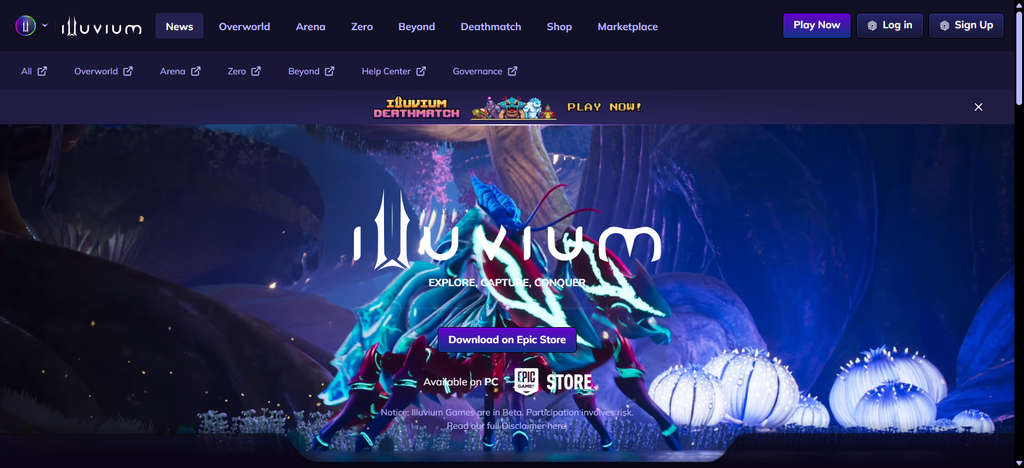
The rarity, attributes and abilities of Illuvials will impact how useful they are in gameplay. Tokenomics Structure: ILV is the core governance and value accrual token of the ecosystem, and sILV2 has been developed for specific in-game utility.
These tokens have different economic roles in the ecosystem. Player Marketplace: Players can trade eligible creatures and digital collectibles in supported NFT marketplaces. Gameplay Accessibility and Pricing: Different entry requirements for available game experiences, while premium assets, collectibles and optional purchases can add to costs.
The rarity, utility and demand for the creature in the marketplace affect the price of NFTs and the level of investment needed to get in at an advanced stage.
Main Features
- Gather illuvial beasts that possess special skills and traits.
- Explore, collect creatures, and battle competitively.
- ILV governance and ecosystem token;- NFT-based creatures and qualifying digital collectibles.
- Several connected game experiences in its ecosystem.
Advantages
- Combines creature collection with strategy gameplay.
- Provides blockchain ownership opportunities for qualifying assets.
- Provides visually rich gaming experiences.
- Different Illuvials lend themselves to different team-building strategies.
- Merges gameplay progression with ownership of collectible assets.
Downsides
- Participation at advanced levels may require expensive assets.
- NFTs are valued based on rarity and the demand from players.
There are a number of game components to understand in the ecosystem.- Prices of tokens can be very volatile. - Ongoing adoption is essential for long-term economic sustainability.
5. Gods Unchained
Gods Unchained Player Ownership Model Gods Unchained allows blockchain ownership of eligible collectible trading cards, which grants players ownership of their digital collections and the ability to trade supported assets through compatible marketplaces.
NFT Utility: NFT cards are used to build competitive decks, develop battle strategies and play matches, with card rarity, abilities and gameplay usefulness impacting their collectible value. Tokenomics Structure: GODS is the native token of the ecosystem, used for crafting cards, eligible for purchase in the marketplace, rewards, and governance participation.
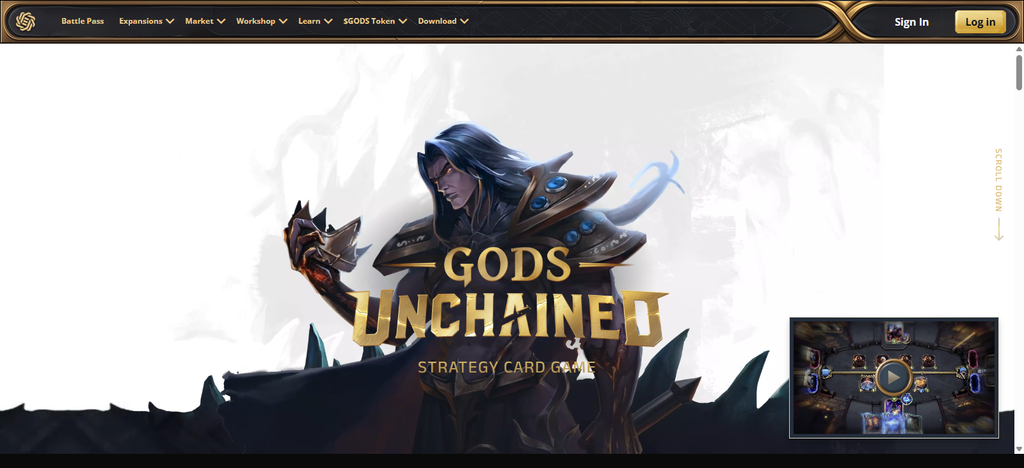
Max Supply: 500 million tokens. Player Marketplace Players can buy, sell and trade eligible cards through the immutable ecosystem.
Gameplay Accessibility and Pricing: Beginners can get started without buying expensive collections thanks to free-to-play access, although premium cards, packs and crafting activities may require additional spending depending on rarity and demand.
Main Features
- Trading cards collectibles based on NFTs.
- Strategic deck-building and competitive card combat.
- Utility and governance token of GODS.
- mechanics of building a collection and crafting cards.
- Marketplace for buying and trading eligible NFT cards
Advantages
- Free to play for newbies to get in the game.
- Grants ownership of qualifying collectible cards.- The game rewards strategic thinking and deck building skill.
- Allows players to exchange unwanted cards.
- Merges traditional trading-card gameplay with the power of blockchain.
Downsides
- Expensive cards may be required in competitive decks.
- Card values are subject to change with gameplay updates.
New players take a little while to learn the combinations of cards. - Liquidity in the marketplace is different from card to card.- Card values and token rewards are not guaranteed.
6. Pixel
Pixels combines casual farming gameplay with blockchain-based ownership opportunities, giving players the chance to take part in an economy involving eligible land, collectibles and other digital items. NFT Utility: Land and collectible NFTs can provide additional functionality, access and benefits within supported game activities, while gathered resources can be used for crafting, upgrades and progression.
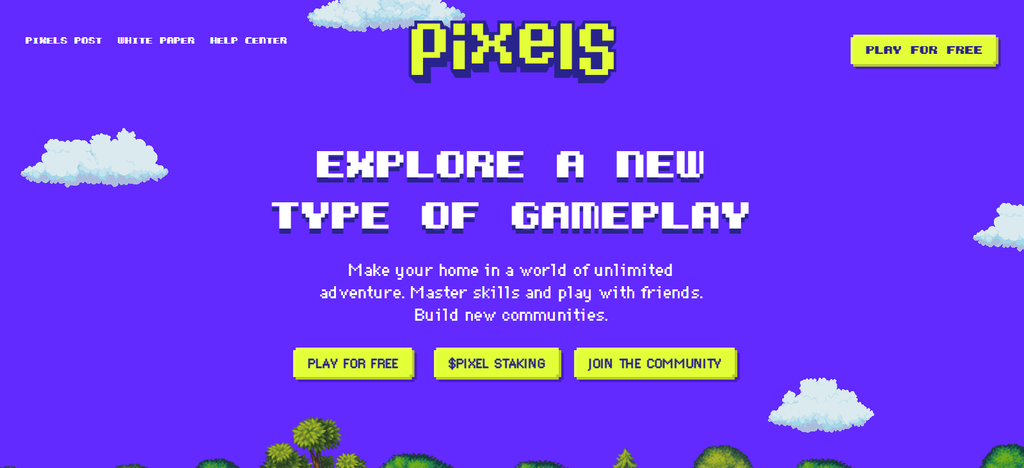
Tokenomics Structure: PIXEL is the utility token for the ecosystem, used for select purchases, upgrades and premium activities. Separate in-game currencies and resources allow for everyday progression. Player Marketplace: Tradable digital collectibles and assets are available through supported NFT marketplaces.
Gameplay Accessibility & Pricing: Players can play in-browser without having to immediately buy NFTs, making it open to beginners. Premium land, collectibles and optional upgrades can cost extra, with prices depending on rarity and marketplace demand.
Main Features
- Resource gathering and social farming gameplay.
- Ownership of eligible land and collectibles on the Blockchain.
- PIXEL utility token for some ecosystem activities.
- Developing resource management and progression mechanics.- Organized community events and supported digital asset marketplaces.
Advantages
- Combination of casual gaming and blockchain ownership.
- Includes a variety of resource gathering and crafting activities.
- Optional economic participation using NFT.
- Facilitates community interaction and social gaming.
Downsides
- The tokens rewarded may change depending on market conditions.
- Purchases may be required for premium land and collectibles.- Some of the progression activities can get repetitive.
- The economic opportunities are based on player demand.
- Ownership of the NFTs does not assure resale value.
7. Splinterlands
Player Ownership Model: Players can own eligible blockchain-based trading cards and curated digital items in Splinterlands, providing greater control over their collections via supported wallets and marketplaces. NFT Utility: Cards are monsters and abilities that are used to build teams for battles. Rarity, levels, statistics and special abilities affect the performance in competitive battles.
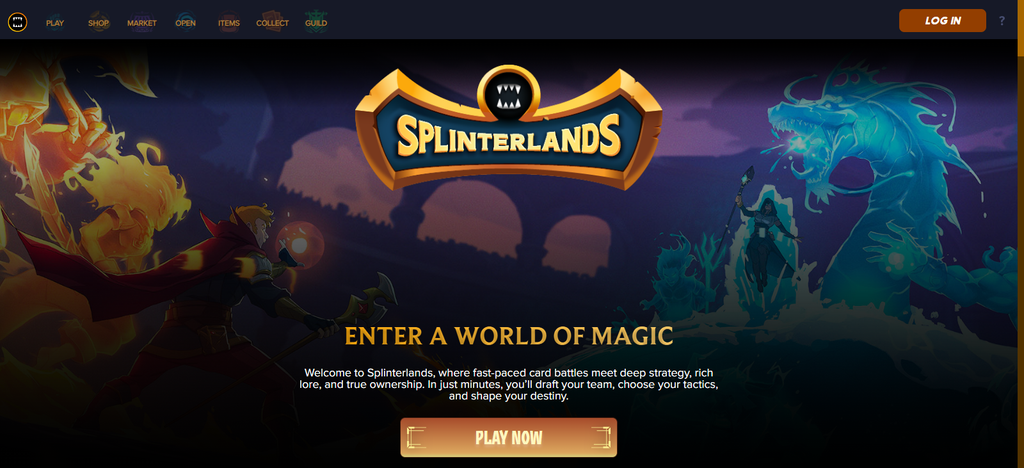
Players can also fuse duplicate cards to upgrade their levels. Tokenomics Structure SPS will be the governance and ecosystem token, and DEC will be a vital in-game currency for specific economic activities. Player Marketplace: Players can buy, sell and rent eligible cards, offering flexibility in building out your collection.
Pricing and Gameplay Accessibility: New players can learn about entry options, but to fully take part in ranked play and some earning-related features you need to buy a Spellbook or hold qualifying assets. Rent cards instead of buying full collections, it’s cheaper.
Key Features
- Collectible monster cards on the blockchain.
- Strategic team building mechanics in competitive combat.
- SPS governance token and DEC in game currency.
- Card merging, upgrading and collection management.
- Marketplace for sales, rentals and purchases of qualified cards.
Advantages
- Offers real ownership of qualifying collectible cards.
- Allows players with smaller budgets to rent cards.
- Provides strategic gameplay with a variety of battle combinations.
- It provides several ways to get involved in its economy.-Established trading-card gaming ecosystem.
Downsides
- You may need the right cards to play competitively.
Premium collections may be subject to other charges. - Value of card is determined by rarity and demand.
- Rewards systems can evolve over time.- Newbie players may need time to learn battle strategies.
8. Star Atlas
Star Atlas Player Ownership Model: Star Atlas offers blockchain-based ownership opportunities through spaceships, land, equipment and other eligible digital resources in its space-themed gaming ecosystem. NFT Utility: Spaceships enable exploration, resource gathering, and missions, while land and equipment open up further opportunities for customization, strategic growth, and economic involvement.
Tokenomics Structure: ATLAS serves as the main in-game economic currency, used for making in-game purchases and transactions, while POLIS offers governance capabilities, enabling users to participate in ecosystem decision-making. Player Marketplace: Players can buy, sell and trade eligible spaceships, equipment and collectibles on supported marketplaces.
Gameplay Accessibility and Pricing: Some games offer accessible entry, but deeper participation may require additional ships, equipment or other assets. The initial price will be based on the rarity of the asset, availability, functionality and demand in marketplace.
Main Features
- A blockchain gaming ecosystem with a space theme.- Spaceships, equipment and other digital resources based on NFT.
- ATLAS token to facilitate economic transactions.
- POLIS token to participate in governance.
- Exploration, resource gathering and strategic gameplay.
Advantages
- Offers a unique perspective on space exploration.
- Supports ownership of ships and equipment that qualify.
- Blends strategy gaming with digital asset trading.
- Offers multiple paths to economic participation.- Has separate tokens for economic and governance functions.
Downsides
- More levels of participation may require expensive digital resources.
- Beginners may find complex economic mechanics challenging.
The price of an NFT depends on market demand. - Development and availability in the game can affect participation.
- No guaranty of long-term ecosystem growth.
9. Big Time
Big Time Player Ownership Model: Big Time is a multiplayer action RPG game that uses blockchain-based collectible ownership. Players can earn eligible digital resources and cosmetics through supported game activities. NFT Utility: Collectibles offer character customization, cosmetic enhancements and select gameplay related features.
A crafting system empowers players to develop additional items and personalize their characters. Tokenomics Structure: BIGTIME is the ecosystem utility token that is used for selected crafting, upgrading and other supported economic activities. Its demand is driven by players’ engagement and the utility of token-based features. Player Marketplace: Through supported marketplaces you can buy and trade eligible collectibles.
Gameplay Accessibility and Pricing: Players are offered free-entry gameplay options, while premium cosmetics, crafting resources and optional collectibles may require additional spending. There may be special access requirements for certain economic features, so it is important to know the difference between basic gameplay and premium participation.
Main Features
- Blockchain collectibles in a multiplayer action RPG.- Cosmetic NFT ownership, character customization.
- BIGTIME utility token for qualifying crafting activities.
-Item gathering, crafting and upgrading mechanics. - A marketplace for trading eligible digital collectibles.
Advantages
- blends action Digital ownership RPG gameplay.
- Provides an easy-to-play experience without the need for all players to buy NFTs.
- Includes collectible cosmetic assets.- Offers opportunities for crafting and customization.
- binds game progression to optional blockchain participation.
Downsides
- Certain economic features require additional access.
- Premium collectibles can be a costly hobby.
- Demand for NFTs is contingent on player activity.
- Volatility of BIGTIME token price.- Owning a collectible doesn’t mean you can sell it later.
10. Alien Worlds
Alien Worlds Player Ownership Model: Alien Worlds allows players to participate in blockchain-based planetary economies via mining, missions, governance and ownership of eligible digital resources. Its NFT ecosystem includes mining tools, virtual land and other collectibles that players can own and use in supported game activities.
NFT Utility: Mining tools affect resource collection, and landowners can engage in planetary mining operations and receive rewards based on the game’s unique mechanics. Tokenomics Structure TLM is the native token of Trilium, it enables mining related rewards, planetary governance and certain economic activities.
Players can stake TLM to participate in governance systems that are supported. Player Marketplace: Eligible tools, land and collectibles can be bought and traded on supported NFT marketplaces. Gameplay Accessibility and Pricing: Players can start with simple mining opportunities, but more powerful tools and land ownership may require further investment. NFT prices depend on rarity, mining efficiency, utility and market demand.
Key Features
- NFT mining tools with various features and capabilities.
- Economic and governance activities token – TLM.
- Enabled staking participation and planetary governance.- Marketplace to trade eligible tools, land and collectibles.
Advantages
- Offers a simple entry into blockchain gaming.
- Provides various NFT tools for mining activities.
- Supports involvement in planetary governance.
- Merges gathering resources with owning digital resources.- Offers a variety of collectible asset classes.
Downsides
- Mining can get boring.
- More investment might be necessary for better tools.
- TLM price fluctuations influence economic engagement.
- Demand for NFTs comes from active users of marketplaces.
- Mining rewards and resale values of the assets are not guaranteed.
Conclusion
Player-owned economies in crypto games are transforming the gaming industry, giving players more control over digital currencies, NFTs, virtual land and in-game collectibles. Games like Axie Infinity, The Sandbox, Decentraland, Illuvium, Gods Unchained, Pixels, Splinterlands, Star Atlas, Big Time and Alien Worlds present different visions for blockchain ownership and token-based economies.
However, when you are picking the right game, you need to look beyond graphics and earning opportunities. Players should consider the utility of the NFT, the tokenomics, the activity on the marketplace, how accessible the gameplay is, the pricing and the economic sustainability in the long run. The best crypto game is one that has fun gameplay, meaningful ownership of assets and an economy that is balanced enough to support players in the long run.
FAQ
What are crypto games with player-owned economies?
Crypto games with player-owned economies are blockchain-based games that allow players to own, use and trade eligible digital assets such as NFTs, virtual land, characters, weapons and collectible cards. These games use blockchain technology to provide verifiable ownership and support player-driven marketplaces. Some also introduce cryptocurrencies for purchases, rewards, governance and other economic activities.
Which are the best crypto games with player-owned economies in 2026?
Some popular crypto games with player-owned economies include Axie Infinity, The Sandbox, Decentraland, Illuvium, Gods Unchained, Pixels, Splinterlands, Star Atlas, Big Time and Alien Worlds. Each offers a different ownership model, NFT utility, gameplay experience and tokenomics structure. Players should compare marketplace activity, asset functionality and economic sustainability before choosing a game.
Can players actually own assets in crypto games?
Yes, players can own eligible blockchain-based assets such as NFT characters, collectible cards, virtual land, equipment and digital items. These assets can be stored in compatible wallets and traded through supported marketplaces. However, ownership rights, transferability and actual functionality depend on each game’s smart contracts, marketplace rules and ecosystem infrastructure.
Are crypto games with player-owned economies free to play?
Many blockchain games provide free-to-play options, allowing users to explore gameplay without purchasing NFTs or cryptocurrencies immediately. Gods Unchained, Pixels, Big Time and some experiences in The Sandbox offer accessible entry options. However, premium characters, virtual land, collectible cards, equipment and advanced features may require additional purchases. Players should check individual game requirements before spending money.