

In this article I’ll be discussing the Best Crypto Games With Real On-Chain Economies that offer blockchain-based asset ownership, NFT trading, native token utilities, and player-driven marketplaces. In 2026, you will get to know their supported blockchains, economic models, earnings mechanisms, and sustainability, to see how these games create real value beyond traditional gaming experiences.
Key Points
| Game | Key Point |
|---|---|
| Axie Infinity | Features a live on-chain economy where players own, breed, trade, and battle NFT-based Axies while participating in token-driven marketplaces. |
| The Sandbox | Operates a creator-focused economy where users own virtual land, build experiences, trade NFTs, and earn through user-generated content. |
| Decentraland | Maintains a decentralized virtual economy based on player-owned land, wearables, digital assets, and marketplace transactions. |
| Illuvium | Combines NFT creature ownership, resource collection, marketplace trading, and token-based participation within its game economy. |
| Star Atlas | Runs a space-themed economy centered on player-owned ships, resources, infrastructure, and marketplace activity. |
| Gods Unchained | Gives players true ownership of NFT cards that can be earned, traded, bought, and sold in an active on-chain market. |
| Pixels | Features a player-driven farming economy where resources, land-related assets, and in-game items have on-chain ownership and trading utility. |
| Splinterlands | Supports an economy built around NFT card ownership, player trading, competitive rewards, and blockchain-based asset markets. |
| Alien Worlds | Utilizes tokenized resources, NFT tools, land ownership, and decentralized marketplace activity across multiple virtual planets. |
| Big Time | Incorporates tradable blockchain collectibles, NFT items, and player-owned assets within its multiplayer RPG ecosystem. |
1. Axie Infinity
Established in 2018
Blockchain supported: Ronin (Ethereum-based network).
Player Owned Assets Axies, Lands, Runes, Charms and other digital collectibles.
Native Tokens: AXS, SLP, RON.
Economic Sustainability: Demand for breeding, marketplace trading, staking, crafting and game-play.
Axie Infinity is a blockchain gaming platform where players collect, breed, battle and trade fantasy creatures called Axies. It is built on the Ronin network and allows players to own digital resources in the form of NFTs, which can be sold in its marketplace.
AXS is used for governance and ecosystem participation, while SLP has historically been used for utility related to breeding. Players can also participate in land-based activities and other experiences. Its economy is based on asset creation, token circulation, and marketplace transactions.
Long-term viability however is about balancing token issuance, breeding demand, gameplay engagement and real demand for collectible assets.
Where It’s Strong
- Player-Owned NFTs: players can own, breed, collect, and trade Axies as digital resources on the blockchain.- Proven Ecosystem: It has a strong gaming community, marketplace, and Ronin infrastructure powering its digital economy.
- Multiple Economic Activities: Creature breeding, battles, land activities, staking and NFT trading all combine.
- Token Utility: AXS has governance and ecosystem utility while SLP has breeding utility.
- Asset Trading: Its marketplace allows the buying and selling of eligible Axie NFTs and other collectibles.
Where It’s Weaker
- Token Volatility: AXS and other ecosystem tokens can be highly volatile in price.
- Sustainability of Rewards: The economic problem of maintaining balanced rewards without excessive token emission.
- Gameplay Competition: Players may need to take time and experience strategy to be competitive.
- Market Demand: Axie asset worth is influenced by player interest and demand in the marketplace.
-Economic Complexity: Breeding, token mechanics, wallets, and NFT transactions can be difficult for beginners to understand.
2. The Sandbox
Founded Year: 2012 (evolution of blockchain gaming began in 2018-2020).
Blockchain Support: Ethereum, Polygon
Player Owned Assets: LAND, ASSETS, avatars, equipment, creator experiences.
The native token is SAND.
Creator monetization Economic Sustainability NFT sales LAND ownership Marketplace transactions Ecosystem participation
The Sandbox is a blockchain-based virtual world where players and creators can build, own and monetize digital experiences. Launched as a traditional game back in 2012, it evolved into a creator platform powered by blockchain.
Its economy runs on Ethereum and Polygon, with players owning LAND parcels, avatars, equipment and digital currency. SAND is the native utility and governance token used for marketplace purchases, ecosystem participation and staking programs. You can monetize voxel assets and interactive experiences .
This allows for economic activity beyond rewards in gameplay . Its sustainability depends on demand from creators, utility of the LAND, transactions in the marketplace and continued engagement of users.
Where It’s Strong
- Creator Ownership: Users can create, own and monetize voxel-based digital resources.- LAND Economy: Users have access to virtual LAND to build and monetize digital experiences.
- SAND Utility: SAND fuels marketplace transactions, purchases, and participation in the ecosystem.
- Creative Opportunities: Game Maker and VoxEdit offer tools to create experiences and build digital resources.- A user-first marketplace: Creators can join an economy built around virtual goods, experiences and digital property.
Where It’s Weaker
- LANDSCAPE Accessibility: Popular virtual land parcels may be too expensive for smaller creators.
- User Engagement: Keeping interest in virtual experiences is important to keep economic activity going.
- Creator Competition: New creators need to compete for attention and market demand.
- Token Volatility: SAND’s market price can be volatile irrespective of platform usage.
- Development Complexity: Creating engaging experiences and monetizable assets requires both creativity and technical know-how.
3. Decentraland
Founded Year: 2015 (official platform launch in 2020).
Blockchain Supported: Ethereum and Polygon.
Player-Owned Assets: LAND, Wearables, Emotes, Names, and digital collectibles.
Native Token: MANA.
Economic Sustainability: Virtual property ownership, creator sales, marketplace trading, and DAO governance.
Decentraland is a decentralized virtual world in which users can explore digital environments, create experiences, attend events and trade assets based on blockchain. It began its development in 2015 and its official platform launch in 2020.
The ecosystem has significant ownership on Ethereum and depends on Polygon for some asset and transaction activity. Players can own digital items such as LAND parcels, Wearables, Emotes and Names. MANA is the native currency of the platform used to purchase virtual goods and vote on governance.
Creators create economic activity through digital fashion, experiences and virtual property. Its long-term viability depends on demand from creators, activity in the marketplace, and participation from the community.
Where It’s Strong
- Digital Property Ownership: Users can own LAND parcels, Wearables, Names and other collectibles on the blockchain.- MANA Utility: MANA is used for virtual purchases and participation in the platform’s economy.
- Creator Monetization: Creators can monetize virtual experiences and fashion items and interactive environments.
- Community Governance: Participation in DAOs gives users a say in decisions affecting the ecosystem.
- Open Virtual Environment: Enables social experiences, events, digital exhibitions, and user-generated activities.
Where It’s Weaker
- Limited Mainstream Adoption: It is difficult for virtual world experiences to find a consistent audience within the mainstream.
- LAND Demand: The value of a virtual property is highly dependent on its utility and the interest of users.
- User Experience: Onboarding can be difficult in terms of connecting wallets and interacting with blockchains.- MANA Volatility: Price movement of the token can impact virtual purchasing power.
- Economic Activity: Creator earnings and demand in the marketplace can differ widely based on the experience.
4. Illuvium
Founded in: 2020.
Blockchain Supported: Immutable’s scaling infrastructure Ethereum.
Player-owned assets: Illuvials, equipment, land and other NFTs that are collectible.
Native Token(s): ILV & sILV.
Economic sustainability: NFT trading, creature collection, staking, interconnected game experiences and revenue mechanisms in the ecosystem.
Illuvium is a blockchain-based RPG ecosystem that mixes monster collection, exploration and competitive battles. Founded in 2020, it utilizes Ethereum-based infrastructure and Immutable technology to enable blockchain transactions and digital ownership.
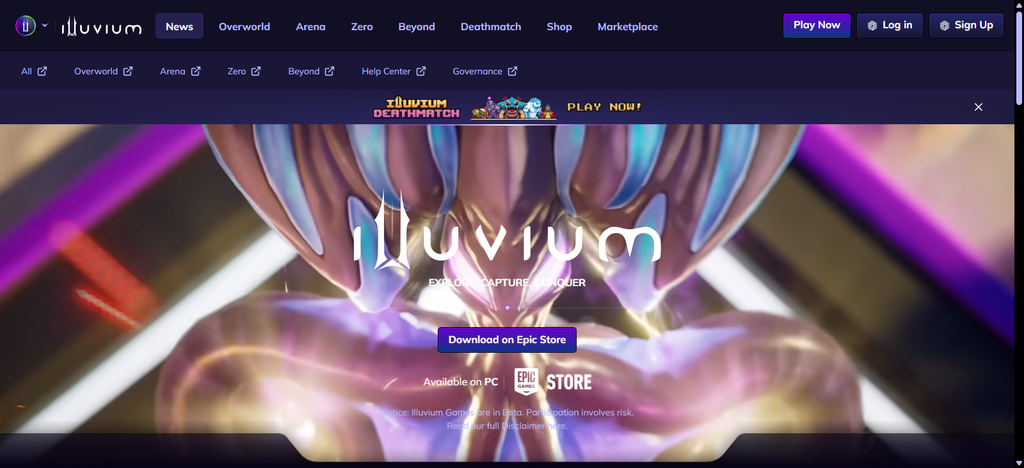
Players can capture Illuvials, gather equipment, purchase land and trade eligible assets on its exchange. ILV is the primary governance and ecosystem token, while sILV is another in-game utility mechanism.
It has connected gaming experiences together that allow some assets to be used across parts of the ecosystem. Economic sustainability does not depend solely on player rewards, but rather on gameplay demand, collectible utility, marketplace activity, and balanced token distribution.
Where It’s Strong
- Quality gameplay combining creature collecting, exploration and competitive battling in richly detailed visual environments.
- NFT Ownership. Players can own, collect, and trade qualified Illuvials, equipment, and land assets.- ILV Utility: ILV enables governance and ecosystem participation, including staking mechanisms.
- Connected Experiences: Its interlocked gaming ecosystem leads to opportunities for assets to support different gameplay activities.
- Collectible Economy: Creature collection, upgrades, and trading of digital objects offer diverse economic engagement.
Where It’s Weaker
- Learning Curve: The variety of game modes and mechanics interconnect can be overwhelming for new players.
- Economic Complexity: Knowledge of ILV, staking, NFTs, and asset utility is a function of blockchain knowledge.
- Market Dependency – The demand for collectibles and NFT liquidity can fluctuate.
- Execution of development: Keeping the quality of the game and delivering new content on a regular basis are important challenges.
5. Star Atlas
Year Founded: 2021
Blockchain: Solana Supported.
Player-Owned Assets: Spaceships, land, crew, equipment and other in-game NFTs.
Native Tokens. POLIS, ATLAS.
Economic Sustainability: Space exploration, resource collection, asset trading, crafting, and DAO governance.
Star Atlas is a blockchain gaming ecosystem with a space theme built on Solana where players engage in exploration, resource management, trading, and competitive activities. It was launched in 2021 and uses NFTs to represent spaceships, land, equipment and other digital resources that players can own and trade.
ATLAS is the in-game currency used for economic transactions and gameplay activities. POLIS is the currency used to support governance via the Star Atlas DAO.
Players can engage in resource-based activities and interact with its player-driven economy. Sustainability is based on useful asset utility, resource demand, token emission controls and the continued evolution of gameplay systems.
Where It’s Strong
- Solana Infrastructure: Used by Solana is a high-performance blockchain platform for digital asset transactions.
- Spaceship Ownership: Players can own, trade and sell eligible spaceships, equipment and other NFT assets.- Dual Token Economy: ATLAS powers the economy, and POLIS provides governance functionality.
- Resource-Based Economy: A network of economic opportunities through exploration, resource gathering, crafting, and trading.- DAO Governance: POLIS enables you to have a say in decisions affecting the broader Star Atlas ecosystem.
Where It’s Weaker
- Development Complexity: Creating a large-scale space gaming ecosystem requires a lot of development resources.
- Gameplay Accessibility: Its broad mechanics can be difficult for casual players.
- Asset Costs: Some online assets may need substantial upfront costs.
- Economic Volatility: ATLAS and other blockchain assets are subject to the volatility of the cryptocurrency markets.- Long-Term Execution: Economic sustainability hinges on compelling gameplay and continued player involvement.
6. Gods Unchained
Year Founded: 2018.
Blockchain Supported: Ethereum, Immutable infrastructure.
Player-Owned Assets: NFT trading cards, collectibles cards and select digital items.
GODS native token.
Economic Sustainability Card trading, building collection, marketplace demand, crafting and competitive gameplay.
Gods Unchained is a blockchain-based collectible card game in which players can create decks to battle each other tactically and collect digital cards. The game was founded in 2018 and uses Ethereum-compatible Immutable infrastructure for NFT ownership and trading.
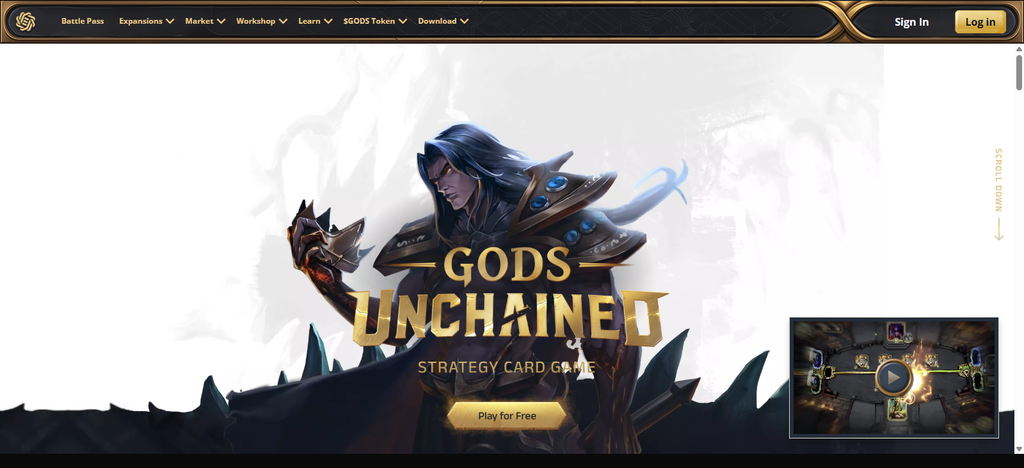
Its player-owned card economy allows users to collect, sell and trade eligible cards rather than locking every digital item in a traditional gaming account. GODS is the native ecosystem token and is used for select marketplace, crafting and reward related functions.
Its economy combines the demand for collectibles and competitive gameplay. The long-term sustainability of this is dependent on the usefulness of cards, balanced gameplay, marketplace liquidity, and continued interest in collecting and trading cards.
Where It’s Strong
- Real Card Ownership: Players can own, collect and trade eligible NFT-based trading cards.- GODS Token Utility: GODS supports selected crafting, marketplace and ecosystem related activities.
- Competitive Gameplay: Strategic card battles bring demand for useful cards and competitive deck combinations .
- Marketplace Trading: Players can trade eligible collectibles by buying and selling them in a card economy.
- Skill-Based Experience: The rewards of strategic gameplay and deck building go further than simple token payouts.
Where It’s Weaker
- Card Liquidity: Less known cards might not be in demand on the marketplace.
- Competitive Meta Changes: As updates and balancing changes are made, cards that were once useful might lose their usefulness.- Learning Curve: New players need time to learn card abilities, strategies and deck combinations.
- Token Volatility: The market volatility of GODS may affect the perceived value of rewards in the ecosystem.- Reward Limitations: Competitive rewards should not be considered a guarantyd income.
7. Pixels
Established: 2021.
Blockchain Support: Ronin (formerly Polygon)
Player-Owned Assets: Land, pets, collectibles and some game-related NFTs.
Native Coin: $PIXEL
Economic sustainability: farming, crafting, marketplace, social activities, and token-based participation.
Pixels is a social farming game built on the blockchain that blends resource gathering, crafting, quests and player-driven economic activities. Founded in 2021, it began on Polygon, before migrating its ecosystem to Ronin network. Players engage in farming, collect resources, produce items, and interact with digital resources.
PIXEL is its native utility token that powers select purchases, social features and ecosystem activities. The economy connects gameplay progression with the consumption of resources and ownership of digital objects.
The economic sustainability will be based on maintaining useful mechanisms to spend the tokens, balancing resource production, rewarding replayability and creating demand in the marketplace instead of just rewarding the tokens.
Where It’s Strong
- Accessible gameplay: Farming, crafting, quests and social features provide accessible gameplay.
- Ronin Integration: Facilitates transactions for blockchain assets and ecosystem by using Ronin infrastructure.- PIXEL Utility: The native token is used for select purchases, social features and ecosystem participation.
- Resource Based Economy Farming and crafting link resource production to item consumption and economic activity.
- Social Participation: Guilds, community activities, and cooperative features promote ongoing player participation.
Where It’s Weaker
- Token Emissions: Correct reward distribution is required to avoid over-issuance of tokens.
- Economic Dependence: Certain activities may depend too much on token incentives and player participation.
- Market Demand: The value of digital and standard assets depends on ongoing demand from buyers and collectors.
- Repetitive Tasks: Farming and resource gathering can be repetitive for some players.
- Rewards Volatility: Token rewards are not guarantyd as profit and are subject to fluctuations in value.
8. Splinterlands
Year Founded: 2018
Blockchain Supported: BNB Smart Chain and Hive.
Player Owned Assets: NFT Cards, Land, Items and Collectible Assets.
Native Tokens: SPS & DEC.
Economical Sustainability Trading cards, renting cards, battling cards, staking cards, upgrading cards, resource management.
Splinterlands is a trading card game on the blockchain where players collect NFT cards build battle strategies and compete against other users. It was launched in 2018, and its core gaming assets are running on the Hive blockchain, while SPS utilizes BNB Smart Chain infrastructure for governance and ecosystem features.
Its digital marketplace allows players to own, rent, trade, combine and upgrade eligible cards. SPS is for governance, staking and some reward mechanisms while DEC is an in game currency. Its economy is based on card utility, competitive demand and collectible trading.
The long-term viability is determined by the balance between the supply of cards, the distribution of rewards, the participation of players and the liquidity of the marketplace.
Where It’s Strong
- NFT Card Ownership: Players can collect, rent, trade and use eligible blockchain-based cards.Multiple Token Functions SPS for staking and governance, DEC for in-game economic functions.
- Competitive Play: The strategy involved creates a constant need for different combos and abilities.
- Card Rental Economy Players can rent some cards instead of buying all.- Long-Running Ecosystem: Other than earning rewards, there are other ways to engage in its established card-based economy.
Where It’s Weaker
- Complex Gameplay: The various card abilities, rules and battle mechanics have a learning curve.
- Asset Management: Managing card collections, rentals and tokens can be complicated.- Reward Inflation: Excessive use of rewards can reduce the long-term value of economic incentives.
- Card Demand: Marketplace liquidity is dependent on player interest and competitive utility.
- First Buy: You might have to spend money to unlock some of the game functions and get stronger collections of cards.
9. Alien Worlds
Established: 2020.
Supported Blockchains: WAX, Binance Smart Chain, Ethereum.
Player-owned assets: Land plots, mining tools, weapons, minions, mission NFTs.
Native Coin: TLM (Trilium)
Economic Sustainability : Mining, resources distribution, NFT ownership, missions and planetary governance.
Alien Worlds is a multichain blockchain game featuring resource mining, NFT ownership, missions and decentralized governance. Launched in 2020, it operates across WAX, BNB Chain and Ethereum, allowing players to interact with different parts of its ecosystem.
Land plots, mining tools, weapons and other collectible assets are represented by NFTs and can be owned by users. TLM is called Trilium and can be earned by mining rewards, missions, and participating in planetary governance.
Enhances mining activities Players can utilize equipment and participate in resource-based gameplay. The economics are sustainable if TLM emissions, mining incentives, NFT utility and persistent demand for planetary participation are kept in balance.
Where It’s Strong
- Multichain infrastructure: interacts with blockchains on WAX, BNB Chain and Ethereum.- NFT Asset Ownership: Players can own land plots, mining tools, weapons and other eligible collectibles.
- TLM Utility Trilium is designed to facilitate mining-related rewards, missions and planetary governance activities.
Planetary Governance: Players can engage in governance mechanisms associated with various planetary communities. - Resource-Based Economy: Mining tools, land ownership and resource gathering lead to interdependent economic activities.
Where It’s Weaker
- Repetitive Mining: For players looking for complex gameplay, core mining activities can be repetitive.
- Risks of Token issuance: The issuance of TLM must be carefully managed economically to ensure its utility.
- Asset Demand: NFT values are driven by actual utility in gameplay and interest in the marketplace.
- Depth of Gameplay: Its mining-based experience may not appeal to players looking for advanced RPG mechanics.- Economic complexity: Multichains and governance models can add complexity to onboarding.
10. Big Time
Founded Year: 2020 (development started, operating company formed in 2023).
Blockchain Supported : Ethereum
Player-Owned Assets: SPACE, Forges, Armories, Time Wardens and collectible gear.
Token: BIGTIME.
Economic Sustainability: Crafting, item upgrades, resource production, gameplay rewards, NFT utility.
Big Time is a multiplayer action RPG that combines dungeon crawling, fighting, crafting, and blockchain asset ownership. It was started in development around 2020 and its operating company was incorporated in 2023.
For its BIGTIME ERC-20 token and blockchain-based collectibles, the ecosystem runs on Ethereum. Players can earn SPACE NFTs, Forges, Armories, Time Wardens and other eligible digital items that support the crafting economy.
BIGTIME is spent to craft and upgrade gear, speed up timers and unlock Prestige Portals. Whether it can sustain itself depends on engagement of the gameplay, demand of the crafting, distribution of tokens and utility of player-owned assets.
Where It’s Strong
- ACTION BASED GAMEPLAY: Combines dungeon crawling, combat and multiplayer leveling with blockchain-related features.
- Crafting Economy: Forges and armories produce utility for eligible digital resources and crafting activities.
- SPACE Ownership: Players can own eligible SPACE NFTs that allow in-game production systems.
- BIGTIME Utility: The token is used for crafting, equipment upgrades and some gameplay related functions.
- Player Marketplace : The asset economy of this brings opportunities for trading eligible collectibles and equipment.
Where It’s Weaker
- Limited Asset Use: Not all game items are blockchain assets that can be transferred.
Economic Complexity: It takes time to understand SPACE, to build systems and create BIGTIME utility. - Marketplace Dependence: The demand for an asset is based on its usefulness in gameplay and the presence of active buyers.
- Token Volatility: BIGTIME’s market price can be volatile no matter how good the gameplay is.
- Long Term Demand: Economic viability is reliant on continued player engagement and meaningful crafting opportunities.
Conclusion
Crypto games with real on-chain economies are transforming how players engage with digital currencies, blockchain technology, and virtual marketplaces. NFT ownership, native tokens, trading, crafting, and player participation are the foundations of the economic models of games like Axie Infinity, The Sandbox, Decentraland, Illuvium, and Star Atlas.
Each platform has its own set of strengths, weaknesses and sustainability challenges. Players need to consider the blockchain infrastructure, token utility, asset ownership, marketplace activity, and long-term economic model of the game when choosing one. In 2026, the strongest crypto games are those that merge engaging gameplay with true player ownership and meaningful economic activity.
FAQ
What Are Crypto Games With Real On-Chain Economies?
Crypto games with real on-chain economies use blockchain technology to support digital asset ownership, token transactions, NFT trading, and player-driven marketplaces. Players can own and trade eligible in-game assets.
Which Crypto Games Have Real On-Chain Economies in 2026?
Popular examples include Axie Infinity, The Sandbox, Decentraland, Illuvium, Star Atlas, Gods Unchained, Pixels, Splinterlands, Alien Worlds, and Big Time.
How Do On-Chain Economies Work in Crypto Games?
These economies use blockchain networks and smart contracts to record transactions, manage digital ownership, support token utilities, and enable players to trade eligible in-game assets.
Can Players Earn Cryptocurrency From On-Chain Games?
Yes, some games offer token rewards, marketplace sales, crafting opportunities, or other economic incentives. However, earnings are not guaranteed and depend on game rules, market demand, and token values.