


In this article, I will examine the Best Stablecoin APIs that allow companies to implement safe digital payments, Blockchain transaction, and Stablecoin-based financial services.
APIs help with faster settlement and automated transfers and assist in wallet management and easy crypto payment services. Starting from Tether API to Fireblocks API, we will analyze and incorporate applicable features, benefits, and many examples of the contemporary financial application of this technology.
What is Stablecoin APIs?
Stablecoin APIs are tools that allow users to seamlessly implement stablecoin transactions and blockchain payment solutions into their applications. These APIs provide further functionality to manage digital wallets, process payments, track transactions, and automate settlements.
Developers no longer need to build a payment settlement system on blockchain infrastructure themselves. Stablecoin APIs help developers interface with blockchain networks and stablecoin issuers (e.g., USDT, PYUSD, and others). These APIs help fintech companies, ecommerce solutions, and nearly any Web3 based service provide stable payment solutions.
Key Point & Best Stablecoin APIs
| API | Key Points |
|---|---|
| Tether API | • Enables integration of USDT payments and transfers across supported blockchains• Supports stablecoin transaction management and wallet connectivity• Useful for crypto exchanges, fintech apps, and payment platforms• Helps automate USDT-based settlements and digital asset operations |
| PayPal USD API | • Provides access to PYUSD stablecoin payment functionality• Supports blockchain-based transfers and merchant payment integrations• Enables faster digital transactions with PayPal’s ecosystem• Suitable for fintech applications and Web3 payment solutions |
| Binance Pay API | • Allows businesses to accept cryptocurrency payments globally• Supports multiple digital assets including stablecoins• Provides payment links, QR payments, and transaction tracking• Helps merchants integrate crypto payment experiences easily |
| Coinbase Commerce API | • Enables merchants to accept crypto payments directly• Supports multiple cryptocurrencies and stablecoins• Provides payment processing tools without traditional intermediaries• Offers transaction monitoring and automated settlement features |
| Stellar Anchor API | • Connects traditional financial systems with Stellar blockchain networks• Supports stablecoin issuance and cross-border payments• Enables fiat on/off-ramp services through anchors• Helps build efficient global payment solutions |
| Algorand Stablecoin API | • Provides infrastructure for stablecoin transactions on Algorand blockchain• Supports fast, low-cost digital asset transfers• Enables tokenized payment and financial applications• Suitable for DeFi, fintech, and enterprise blockchain solutions |
| Fireblocks API | • Provides institutional-grade digital asset infrastructure• Supports secure wallet management and blockchain transactions• Offers MPC security technology for protecting crypto assets• Used by banks, exchanges, and enterprises for asset operations |
| Anchorage Digital API | • Provides regulated crypto custody and asset management integration• Enables secure institutional digital asset storage• Supports trading, custody, and blockchain infrastructure services• Designed for financial institutions requiring compliance-focused solutions |
| BitGo API | • Offers secure crypto custody, wallet, and transaction management tools• Supports multi-signature wallet infrastructure• Enables institutional crypto operations and settlements• Provides compliance and security features for digital assets |
| Kraken API | • Enables access to cryptocurrency trading and market data services• Supports account management, order execution, and asset transfers• Provides tools for exchanges, traders, and financial applications• Includes API connectivity for automated crypto trading solutions |
1. Tether API
The Tether API is one of the most frequently chosen APIs to integrate with USDT transactions and settlements for businesses looking to enter this space.
As one of the Best Stablecoin APIs, the Tether API provides developers with the ability to add USDT to their wallets and exchanges, or to build out USDT features in their fintech or payment applications. The Tether API supports stablecoin transfers over multiple blockchain networks and facilitates even more efficient transfers.
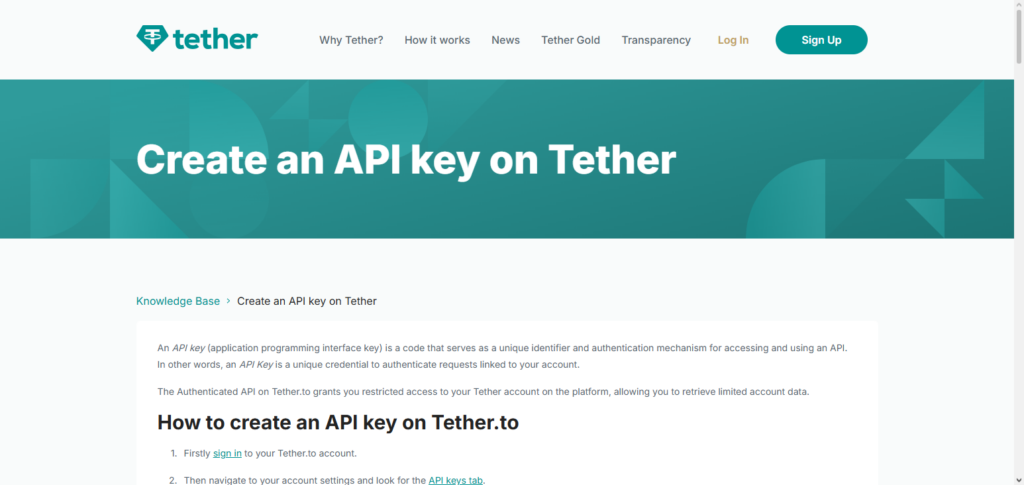
The API is especially useful for businesses looking to automate the processing of transactions, the monitoring of wallet balances, and USDT financial operations.
The Tether API is especially useful for businesses that are looking to build stablecoin payment processes given its liquidity, adoption, and payment infrastructures.
Tether API Features, Pros & Cons
Features
- Manages USDT transactions across different blockchains.
- Supports transfers and payments for stablecoins and wallets.
- Offers an infrastructure for digital assets with high liquidity.
- Transactions can be automated for business needs.
- USDT payment solutions can be embedded in apps.
Pros
- The most adopted and recognized stablecoin.
- High liquidity.
- Usable in different blockchain networks.
- Suitable for wallets, exchanges, and fintech.
- Digital assets can be settled almost instantly.
Cons
- May not be usable in all countries due to regulations.
- Requires blockchain knowledge for use.
- Fees depend on the selected payment network.
- Features are mostly related to USDT.
- Limited infrastructure outside of Tether.
2. PayPal USD API
The PayPal USD API provides developers with the features of the PYUSD stablecoin within PayPal connected digital payment applications. Among the Best Stablecoin APIs, it provides the framework for businesses to establish stablecoin payment processes that are linked to the PayPal payment system.
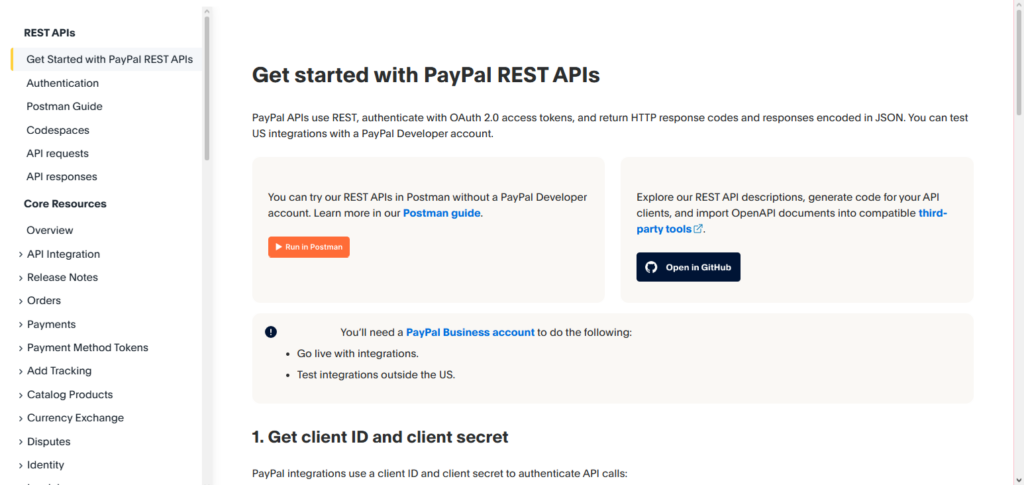
The API supports the transfer of digital assets, payment processing, and blockchain transactions, and allows merchants and fintech companies to move toward Web3 payment systems. The PayPal USD API provides the framework for businesses to build payment systems that require stable value transactions in a regulated environment.
PayPal USD API Features, Pros & Cons
Features
- Integrates stablecoin payments of PYUSD.
- Bridges a blockchain payment and PayPal integration.
- Supports transfers and settlements of digital assets.
- Payment solutions for merchants are provided.
- Web3 payment applications can be designed with this API.
Pros
- A stablecoin backed by a payment brand.
- Adopts easily for PayPal users.
- Payments are within regulations.
- Contains stable transactions.
- Fintech and commerce platforms can integrate.
Cons
- Less adoption compared to USDT and USDC.
- May not be available in all countries.
- More limited integrations with other blockchains.
- Requires other PayPal services.
- Less liquidity in the market compared to other major stablecoins.
3. Binance Pay API
Binance Pay API is an excellent choice for businesses that want to utilize a robust crypto payment infrastructure. It is one of the Best Stablecoin APIs. Integrating Binance Pay API into websites, apps, and digital platforms helps merchants add stablecoin payment options.
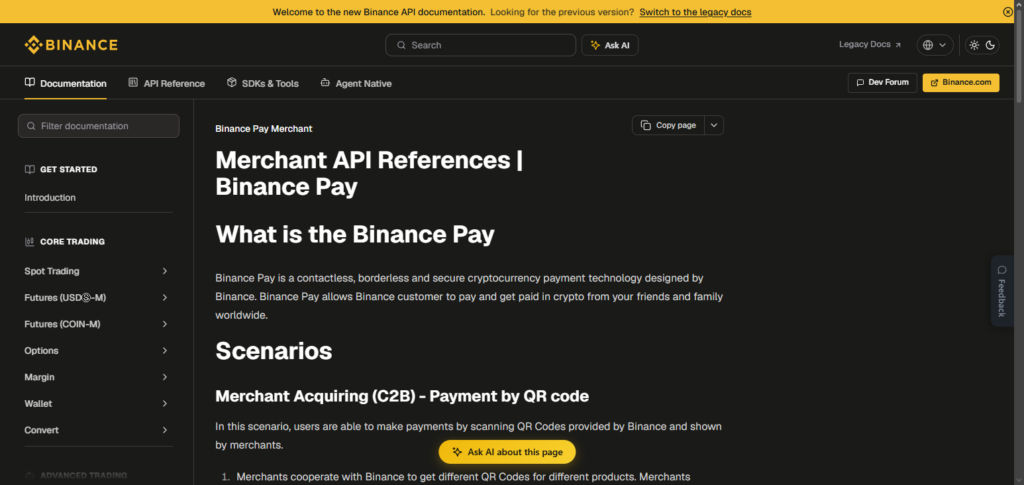
It includes multiple features such as payment requests, QR-based payment, the ability to track payments, and automated transaction settlement.
The API eliminates payment processing fees and gives users the option to transact anywhere in the world. This payment option is currently being integrated into e-commerce, travel, and fintech apps.
Binance Pay API Features, Pros & Cons
Features
- Supports crypto and stablecoin payment processing.
- Provides QR code payment functionality.
- Enables merchant payment integration.
- Supports multiple digital currencies.
- Offers transaction tracking and settlement tools.
Pros
- Large global crypto user base.
- Supports multiple payment assets.
- Fast transaction processing.
- Low-cost crypto payment solution.
- Easy integration for online businesses.
Cons
- Dependent on Binance ecosystem.
- Regulatory restrictions in some countries.
- Limited control over payment infrastructure.
- Requires Binance account integration.
- Not ideal for highly regulated institutions.
4. Coinbase Commerce API
The Coinbase Commerce API helps businesses accept payments in cryptocurrency by providing a way for companies to cryptographically settle payments with customers directly, avoiding third-party payment processors.
It is one of the Best Stablecoin APIs because it offers a range of stablecoin transactions, and it provides the ability to cryptographically settle payments via application and payment gateway integrations.
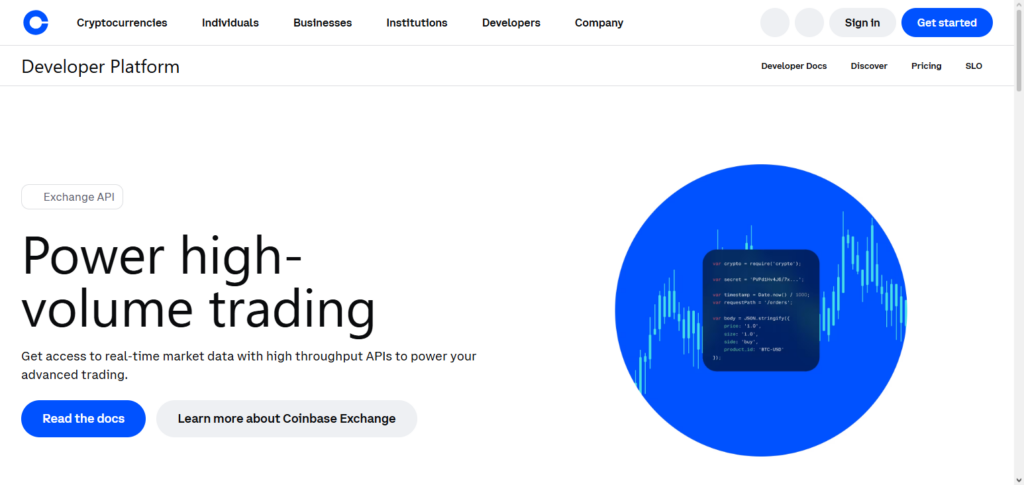
The API simplifies creates payments, monitors transactions, manages invoices, and will finally settle payment transactions on the blockchain.
The Coinbase Commerce API provides a transparent and secure way for merchants to get started on accepting digital payments, and the API’s design is geared towards making it simple for businesses in the Web3 economy to adopt stablecoin payments.
Coinbase Commerce API Features, Pros & Cons
Features
- Accept crypto payments.
- Process stablecoin payments.
- Track payments and invoices.
- Settlement on blockchain.
- E-commerce ready.
Pros
- Simple to use.
- Reliable provider.
- Payment processor independence.
- Global crypto payments.
- Easy for e-commerce.
Cons
- Not very flexible.
- Limited asset support.
- Payment fees are blockchain dependent.
- Need payment knowledge.
- Not suitable for many financial services.
5. Stellar Anchor API
Stellar Anchor API brings together traditional finance and blockchain networks by offering stablecoin issuance and transfer as well as fiat-to-crypto payment rails.
As one of the Best Stablecoin APIs, the Stellar network helps financial institutions, fintech companies, and payment providers that aim to develop cross-border payment solutions.
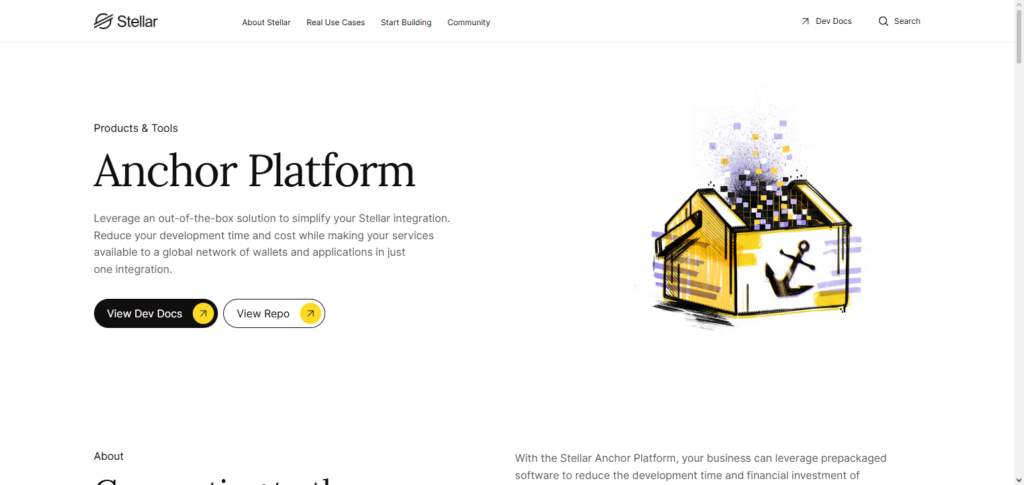
The API offers the movement of digital assets, the conversion of currencies, and the linkage of banking and blockchain systems.
Stellar Anchor API is ideal for payment, remittance, and financial inclusion focused organizations. The API’s low transaction costs and fast settlement times help organizations build scalable financial applications around stablecoins.
Stellar Anchor API Features, Pros & Cons
Features
- Integrates banking and Stellar.
- Issues and transfers stablecoins.
- Provides digital assets and fiat.
- Cross-border payments.
- Financial inclusion.
Pros
- Very fast and low cost.
- Excellent for cross-border payments.
- Global payment capability.
- Ideal for financial institutions.
Cons
- Stellar ecosystem primary.
- Other large networks provide more.
- Integration requires technical knowledge.
- Small developer community.
- Regulatory compliance may vary by region.
6. Algorand Stablecoin API
Algorand Stablecoin API provides infrastructure for developers to build and manage stablecoin transactions on blockchain technology within the Algorand network. Serving as one of the Best Stablecoin APIs, the Algorand network enables fast, secure, and low-cost transfer of digital assets to fintech platforms, DeFi applications, and enterprise payment solutions.

The API facilitates management of tokens and transactions and provides a connection to the blockchain, all while leveraging Algorand’s high throughput.
Companies are able to develop payment applications and other financial and decentralized services. Algorand Stablecoin API is highly scalable and efficient, making it the stablecoin infrastructure of choice for organizations.
Algorand Stablecoin API Features, Pros & Cons
Features
- Stablecoin transaction support for Algorand.
- Fast processing of blockchain payments.
- Token creation and management.
- Supports enterprise blockchain applications.
- Digital asset infrastructure.
Pros
- Transactions confirmed in seconds.
- Low cost per transaction.
- Environmentally friendly blockchain.
- Enterprise ready.
- Payments highly scalable.
Cons
- Smaller ecosystem than Ethereum.
- Less stablecoin usage.
- Algorand development skills needed.
- Less integrations.
- Less popular in the market.
7. Fireblocks API
Fireblocks API is secure infrastructure designed to safely manage stablecoins and conduct blockchain operations.
Considered among the Best Stablecoin APIs, the Fireblocks API allows firms to manage their wallets and transfer digital assets, as well as automate stablecoin transactions. Fireblocks protects digital assets and lowers operational risk using multi-party computation (MPC) technology.
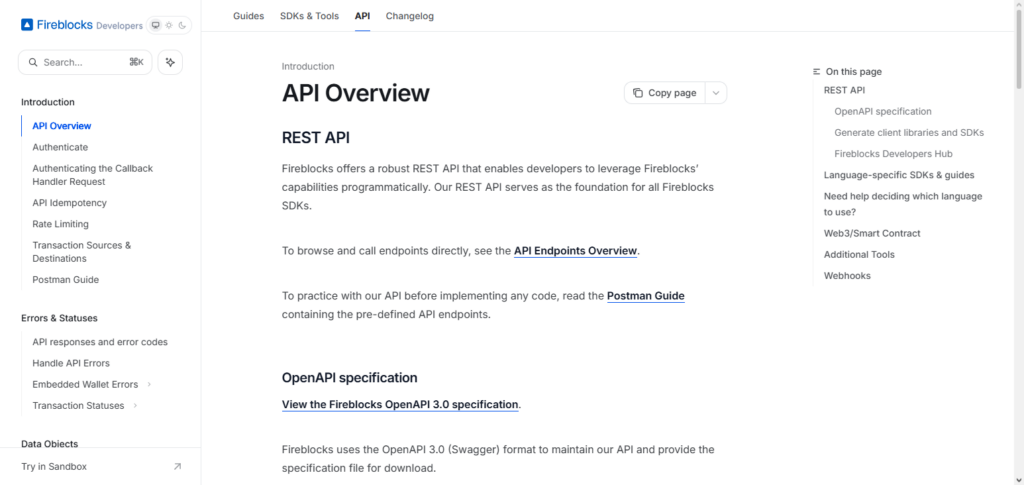
Hence, the Fireblocks API is especially useful for banks, exchanges, investment firms, and financial technology firms.
Fireblocks API provides the infrastructure, tools, and technology to develop enterprise-grade stablecoin custody and payment systems, especially for firms with high standards of operational and enterprise compliance security.
Fireblocks API Features, Pros & Cons
Features
- Digital asset infrastructure for institutions.
- Secure wallet management.
- MPC security.
- Custody and transfer of stablecoins.
- Enterprise compliance tools.
Pros
- Advanced security.
- Trusted by numerous financial institutions.
- Multi-blockchain support.
- Strong compliance.
- Large scale operations support.
Cons
- Cost prohibitive for small businesses.
- Complex setup.
- Primarily designed for institutions.
- Needs advanced knowledge.
- Over engineered for simple payments.
8. Anchorage Digital API
Anchorage Digital API provides custody and financial infrastructure for institutions of all sizes dealing with digital assets. Anchorage Digital APIAnchorage Digital API provides custody and financial infrastructure for institutions of all sizes dealing with digital assets.
Anchorage is among the Best Stablecoin APIs for its combination of custody, compliant, secure, and blockchain-enabled services. Anchorage Digital API supports the integration of crypto functionalities by financial firms with a high concern for custody of their operational compliance and security.
The Anchorage Digital API is designed for banks, investment firms, and enterprises requiring institutional safe digital assets. Thanks to regulated custody, controlled operations, and blockchain connection, it is a safe option for stablecoin financial applications.
Algorand Stablecoin API Features, Pros & Cons
Features
- Facilitates stablecoin transactions on Algorand.
- Fast blockchain payment processing.
- Token creation and management.
- Enterprise application support.
- Digital asset infrastructure.
Pros
- Fast transaction confirmation.
- Low fees.
- Eco-friendly blockchain.
- Enterprise applicable.
- Scalability on payments.
Cons
- Smaller ecosystem than Ethereum.
- Low stablecoin usage.
- Algorand-specific development needed.
- More limited integration.
- Less market preference.
9. BitGo API
BitGo API provides firms with enterprise-grade infrastructure for digital assets. It has secure wallet management and custody services and can facilitate transactions across the blockchain.
BitGo is among the Best Stablecoin APIs because it is especially helpful for firms that want to integrate stablecoin transfers, manage digital wallets, and automate crypto processes. This API includes multi-signature security and controls for institutional-level asset protection.
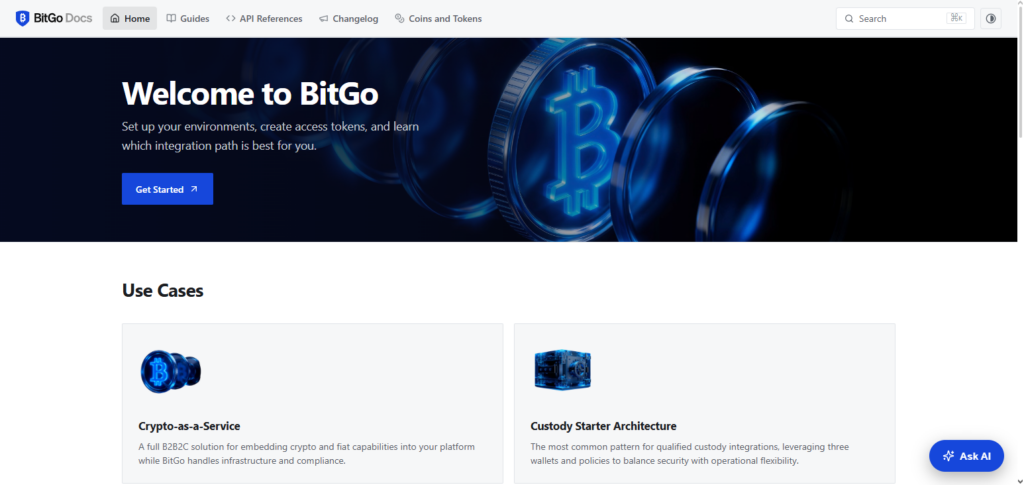
It is frequently utilized by cryptocurrency exchanges and financial and fintech firms that need dependable blockchain infrastructure.
BitGo API is also helpful for firms that want to enhance security, compliance, and efficiency for creating digital asset and stablecoin payment systems.
Fireblocks API Features, Pros & Cons
Features
- Provides infrastructure for institutional digital assets.
- Secure wallet management.
- MPC security technology.
- Transfers and custody of stablecoins.
- Enterprise compliance tech.
Pros
- High security.
- Trusted by financial institutions.
- Multi-blockchain.
- Excellent compliance.
- Designed for large operations.
Cons
- Unaffordable for small businesses.
- Complex.
- Mainly institutional.
- High technical skill required.
- Too much for simple payments.
10. Kraken API
The Kraken API supports the automation of crypto trading and asset transfers through its APIs for trade account management, payment, and market data APIs. It is also one of the Best Stablecoin APIs because firms and developers can use it to embed stablecoin trading and payment functionalities.
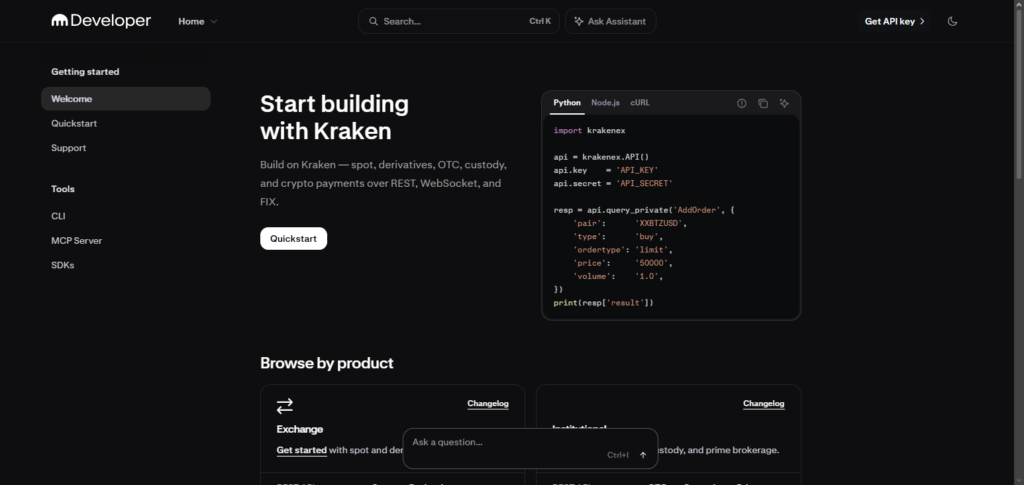
The API also includes blockchain trading services and supports the development of a variety fintech solutions. Kraken’s reliability and security make it especially useful for crypto applications and instruments. Its robust infrastructure and access to a liquidity provider also support the development of stablecoin solutions.
Kraken API Features, Pros & Cons
Features
- Provides crypto trading and asset management tools.
- Supports stablecoin trading functionality.
- Offers market data access.
- Enables automated trading integration.
- Supports digital asset transfers.
Pros
- Established cryptocurrency exchange infrastructure.
- Strong security reputation.
- Provides deep market liquidity.
- Supports professional trading applications.
- Offers reliable API performance.
Cons
- Mainly focused on trading rather than payments.
- Requires exchange account integration.
- Limited customization for businesses.
- Regulatory availability varies by region.
- Advanced features require technical knowledge.
Conclusion
Stablecoin APIs simplify integration for businesses wanting to add digital payment solutions that include blockchains and stablecoin financial services. APIs such as Tether, PayPal USD, Binance Pay, and Coinbase Commerce offer builders payment solutions with speedy and transparent settlement.
Fireblocks and BitGo have built Rest APIs for their clients’ safe and reliable payment systems. With stablecoins growing in popularity within Fintech, DeFi, and worldwide commerce, these APIs have the opportunity to develop novel, compliant digital finances.
FAQ
What are Stablecoin APIs?
Stablecoin APIs are developer tools that allow businesses and applications to integrate stablecoin transactions, payments, wallets, trading, and blockchain services into their platforms. These APIs help companies use digital currencies like USDT, USDC, and PYUSD for secure and efficient financial operations.
Why are Stablecoin APIs important for businesses?
Stablecoin APIs help businesses simplify crypto payment integration, enable faster transactions, reduce settlement costs, and provide access to blockchain-based financial services. They are useful for fintech platforms, e-commerce businesses, exchanges, and Web3 applications.
Which are the Best Stablecoin APIs in 2026?
Some of the Best Stablecoin APIs in 2026 include Tether API, PayPal USD API, Binance Pay API, Coinbase Commerce API, Stellar Anchor API, Algorand Stablecoin API, Fireblocks API, Anchorage Digital API, BitGo API, and Kraken API.
How do Stablecoin APIs work?
Stablecoin APIs connect applications with blockchain networks and digital asset platforms. Developers can use API endpoints to create wallets, process payments, transfer stablecoins, track transactions, and manage digital assets without building blockchain infrastructure from scratch.