

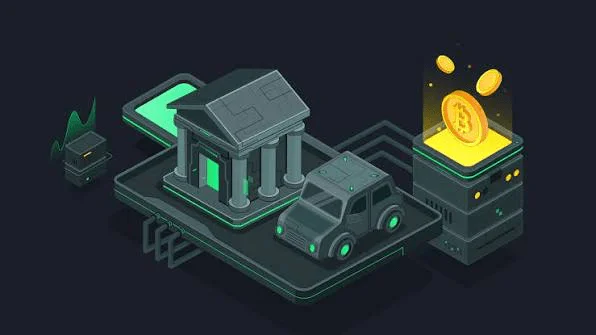
This article focuses on the top Tokenization Platforms for Real-World Assets, )and how they help businesses tokenize real-world assets such as real estate, bonds, private credit, funds, and commodities.
In this article, we compare different Tokens Platforms based on features, Asset Coverage, support, compliance, security infrastructure, blockchain support, institutional flexibility, and potential use cases to assist you in selecting the optimum solution.
What is Tokenization Platforms for Real-World Assets?
Tokenization of real world assets (RWAs) involves the conversion of ownership or economic rights of traditional assets such as real estate, bonds, private credit, commodities, funds, and equities, into digital assets.
Tokenization services offer the issuance of assets, smart contract management, onboarding of investors, and more. Tokenization of real-world assets creates a bridge between traditional assets and blockchain networks and, therefore, has the capability to facilitate rapid settlement and ownership of assets,
Create a market for liquid and tradable assets, and transact digitized assets. Tokenization of real world assets requires the appropriate legal structures and frameworks to support these newly digitized transactions.
Why Choose Tokenization Platforms for Real-World Assets
Fractional Ownership: Tokenization can be used to divide up costs for high-value property, making it available to more buyers.
Expanded Market Access: Some digital assets can connect buyers to capital that was previously inaccessible.
Quicker Settlement: Blockchain technologies can drastically cut down the time for physical work involved in processing a transaction.
Greater Transaction Visibility: In transactions tracked on a blockchain, transactions in the past are immutable and viewable.
Automated Regulatory Compliance: Smart contracts have the ability to enforce business logic to ensure regulatory compliance.
Lower Operating Complexity: Workflows are easily automatable.
Dividend Automation: Tokenized assets can be programmed with business logic to execute transactions on behalf of the asset holders.
Increased Asset Portfolio Coverage: Tokenization can support a broad range of real-world assets.
Access to Institutional Tools: Enterprise-focused tokenization platforms can provide tools to manage token assets, KYC/AML, custody, and asset reporting.
Access to Potential Trading: Platforms can connect tokenized assets with electronic markets to provide liquidity, but there is no guarantee for it.
Increased Connectivity: Real-world assets can be integrated with wallets and financial applications.
Benefits Of Tokenization Platforms for Real-World Assets
| Benefit | How It Helps |
|---|---|
| Fractional Ownership | Allows eligible investors to access smaller portions of high-value assets. |
| Greater Accessibility | Makes traditionally difficult-to-access assets available through digital investment infrastructure. |
| Faster Settlement | Blockchain-based transactions can streamline settlement and reduce manual processing. |
| Improved Transparency | Creates traceable digital records for ownership and transactions. |
| Automated Compliance | Smart contracts can help enforce investor eligibility and transfer restrictions. |
| Lower Operational Costs | Digital workflows can reduce certain administrative and reconciliation tasks. |
| Programmable Assets | Enables automated distributions, payments, transfers, and other asset functions. |
| Better Liquidity Potential | Tokenized assets can potentially access digital secondary markets, subject to demand and regulation. |
| Global Investor Reach | Can support digital distribution to eligible investors across supported jurisdictions. |
| Institutional Efficiency | Provides infrastructure for issuance, custody, reporting, compliance, and asset management. |
| 24/7 Digital Infrastructure | Blockchain networks can support transactions outside traditional market hours, where permitted. |
| Portfolio Diversification | Gives investors potential access to different asset classes through digital formats. |
Key Points
- Polymath – Institutional-grade security token issuance and management
- Bitfinex Securities – Regulated platform for trading tokenized securities
- Swarm Markets – Regulated infrastructure for tokenized real-world assets
- RealT – Fractional tokenized real estate investment platform
- Ondo Finance – Tokenized Treasury and institutional-grade financial products
- Figure Markets – Blockchain-based marketplace for tokenized financial assets
- Securitize – End-to-end platform for issuing and managing digital securities
- INX Digital – Regulated platform for tokenized securities and digital assets
- Tokeny – Compliance-focused tokenization infrastructure for digital assets
- tZERO – Digital securities issuance and secondary trading platform
10 Best Tokenization Platforms for Real-World Assets 2026
1. Polymath
Polymath is a market disrupter for issuance of security tokens for equities, debt, and funds. Its business is built primarily on private equity and real estate. Its token frameworks are built using ERC-1400 compliant tokens. Polymath offers access to regulated marketplaces for secondary token trading, but trading liquidity remains an issue.
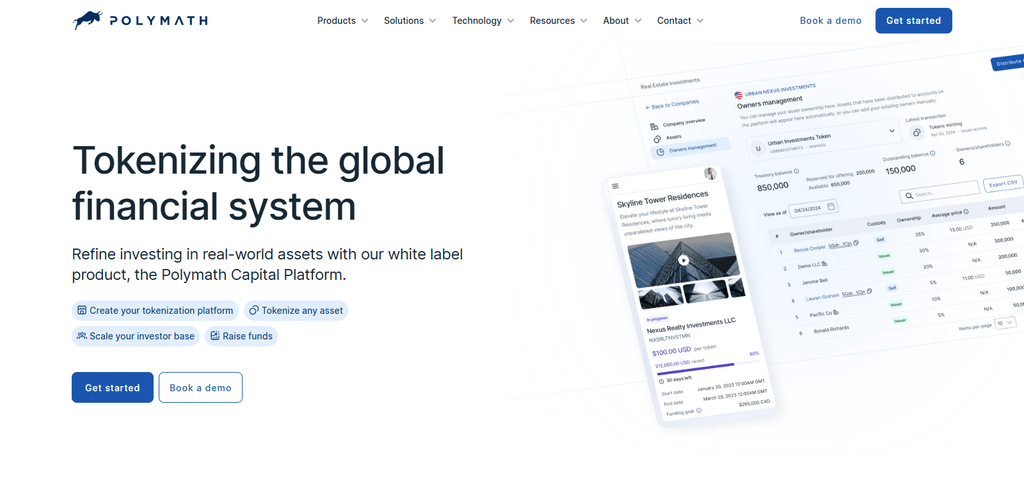
Polymath works with issuers and fund managers to help clients save their time and costs using blockchain. Polymath is armed to target compliance-focused fundraising across the enterprise and investor markets. Polymath offers infrastructure which combines Ethereum’s blockchain and smart contract solutions.
Polymath’s security token frameworks offer a strong standardization of the security token offering process. The lack of clear regulations and the need for investor understanding of security tokens are the barriers Polymath faces. The framework Polymath offers will be the keystone of the compliant security token economy.
Polymath Characteristics, Advantages & Disadvantages
Characteristics
- Security-token issuance infrastructure
- Allows for compliant digital securities
- Modular architecture for tokenization
- Capable of onboarding investors
- Focused on issuance of institutional assets
Advantages
- Tailored for security tokens
- Strong focus on compliance
- Flexible infrastructure for token issuance
- Designed for institutional cases
- Can offer programmable assets
Disadvantages
- Focus is on compliant securities
- May require some tech know-how
- Compliance may add complexity
- Local laws may limit scope of offerings
- Less ideal for retail security offerings
2. Bitfinex Securities
Bitfinex Securities is a regulated venue to trade tokenized securities for equities, bonds, and other instruments, and provides tools to promote compliance and ensure investor protection. Although it has developed secondary markets for trading, liquidity does vary across the markets.
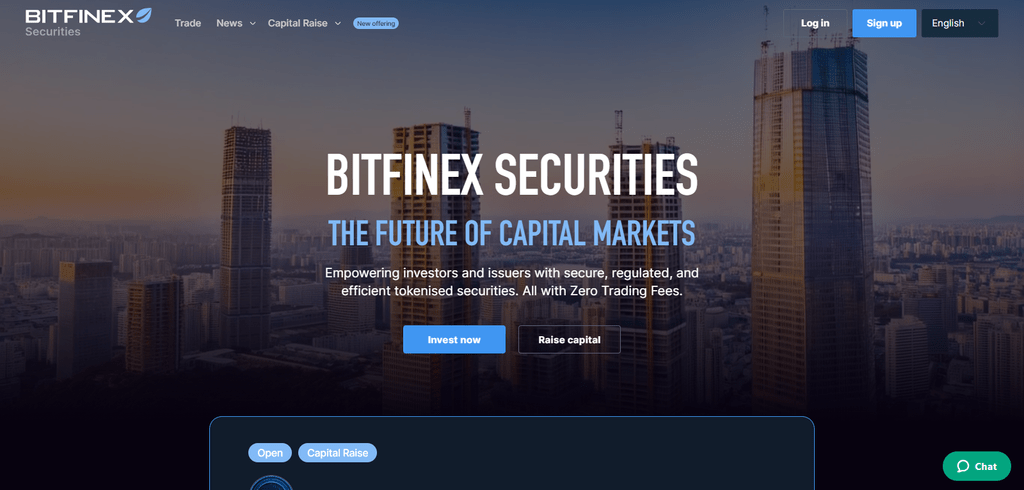
There is a user base developing in Asia and Middle East among corporates that are interested in tokenizing debt. The platform aims to provide capital markets access for corporates and institutional investors.
The blockchain technology integrates with compliant Ethereum and other chains to ensure settlement. Bitfinex Securities makes adjustments to incorporate blockchain technology to offer primary markets, however, challenges of regulatory fragmentation and minimal liquidity persists for tokenized securities.
Bitfinex Securities Characteristics, Advantages & Disadvantages
Characteristics
- Platform for trading digital securities
- Focus on regulated tokenized securities
- Allows both primary and secondary markets
- Infrastructure for institutional use
- Settlement on blockchain
Advantages
- Merges issuance and trading
- Provides markets for digital securities
- Designed for regulated use
- Supports institutional investors
- Settlement on blockchain allows for more efficient markets
Disadvantages
- May not be available in all countries
- Less comprehensive offering compared to traditional securities
- Regulatory framework may limit market participants
- Varying liquidity for different tokenized markets
- More suited for professional investors
3. Swarm Markets
Swarm Markets believes it is the first regulated DeFi exchange. It aims to provide clients access to new asset classes (equities, debt and alternative assets) within a complaint and regulated environment. Its tokenized asset classes will use compliant logic embedded in token standards. Secondary trading will occur in its decentralized exchange.
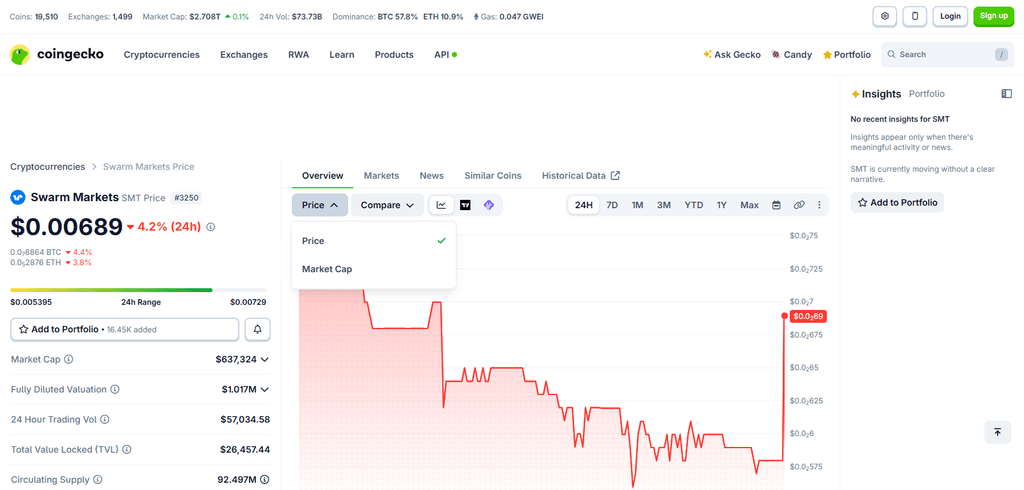
Institutional interest in DeFi has raised concerns about compliance. This means the venture will target both retail and institutional clients. Swarm Markets uses the Ethereum blockchain and cross chain protocols to build its trading infrastructure.
This creates a bridge between DeFi and TradFi. The challenges that Swarm Markets will face will be regulatory ambiguity and liquidity. Swarm Markets will be the first venture to combine both regulated DeFi and TradFi in the same trading environment.
Swarm Markets Characteristics, Advantages & Disadvantages
Characteristics
- Infrastructure for regulated tokenization
- For markets of Real World Assets
- Focus on compliance
- Infrastructure is institutional grade
- Allows trading of digital assets
Advantages
- Strong focus on compliance
- Designed for tokenized assets that are compliant
- Can be used for institutional assets
- Offers both tokenization and market infrastructure
- Suitable for regulated financial products
Disadvantages
- Regulatory focus may increase onboarding time
- Limited offering based on compliance and jurisdictions
- Market offerings may be limited compared to conventional markets
- Variability in liquidity may occur with different tokenized assets
- Knowledge of digital assets may be necessary
4. RealT
RealT tokenizes real estate, offering fractional ownership of both residential and commercial real estate. RealT’s focus is on the property market. Each token reflects an investment in the real estate tokenized. RealT’s platform uses Ethereum associated token standards and embeds compliance for investor verification.
Investors can buy and sell tokens on peer-to-peer marketplaces. Secondary trading relies on market demand. Institutional funding is from investment companies looking to get Real Estate exposure. RealT’s customer base is retail investors who want to invest in real estate more easily, and companies looking to diversify their investments.
RealT uses Ethereum, guaranteeing that real estate ownership and the distribution of rental income from real estate are both clear and visible. RealT’s focus is on making real estate investments more democratic. However, legal uncertainty and real estate management still make their goals challenging.
RealT Characteristics, Advantages & Disadvantages
Characteristics
- Specializes in tokenized real estate
- Supports fractional real estate ownership
- Digital tokens represent real estate
- Investments structured as income via rentals
- Digital representation of ownership on blockchain
Advantages
- Investments in real estate made easier
- Supports investing in real estate in a fractional manner
- Income-generating real estate tokens represent properties
- Blockchain supports transparency of recorded actions
- Focused on realm of real estate
Disadvantages
- Focused on realm of real estate
- Performance of real estate may differ based on location
- Limited liquidity may be present with real estate
- Laws and regulations may be complicated
- Risks associated with real estate are retained by the investor
5. Ondo Finance
Ondo Finance works with tokenized treasuries and bonds. Their tokens involve compliant mechanisms and automated yield distribution. These factors help build trust among institutional participants. Trading happens at regulated venues and liquidity pools. Scalability is an issue. Funds, eager for yield, are starting to look at tokenized treasuries.
Their clients are mainly fund managers and sophisticated investors. Fixed income in the traditional financial system is efficient but lacks transparency. Ondo Finance offers this in addition to a bridge to the traditional fixed income market.
Regulatory and liquidity issues hinder traditional finance from dominant use of Ondo Finance’s offerings. Ondo Finance can use its blockchain of choice and incorporate tools to enable safe and efficient cross border settlement.
Ondo Finance Characteristics, Advantages & Disadvantages
Characteristics
- Focused on real-world assets and financial markets
- Primarily focused on tokenized financial market offerings
- Supports infrastructure for financial markets on blockchain
- Primarily focused on institutional financial markets
- Supports financial markets on blockchains and offers financial markets in a legally compliant manner
Advantages
- Offers financial markets on blockchain and offers financial markets in a legally compliant manner
- Primarily focused on institutional markets
- Supports financial markets on blockchain that uses high-quality assets
- Supports financial markets on blockchain that uses high-quality assets
- Supports financial markets on blockchain and offers financial markets in a legally compliant manner
Disadvantages
- Availability of products may depend on jurisdiction
- May be subject to regulatory compliance
- Not all offerings have been designed for all markets
- May have investment restrictions
- High-quality assets may retain market risks
6. Figure Markets
Figure Markets focuses on lending and equity, utilizing smart contract technology to increase compliance in Crypto-backed loans. Their secondary trading is still shallow, but is enabled by their marketplace.
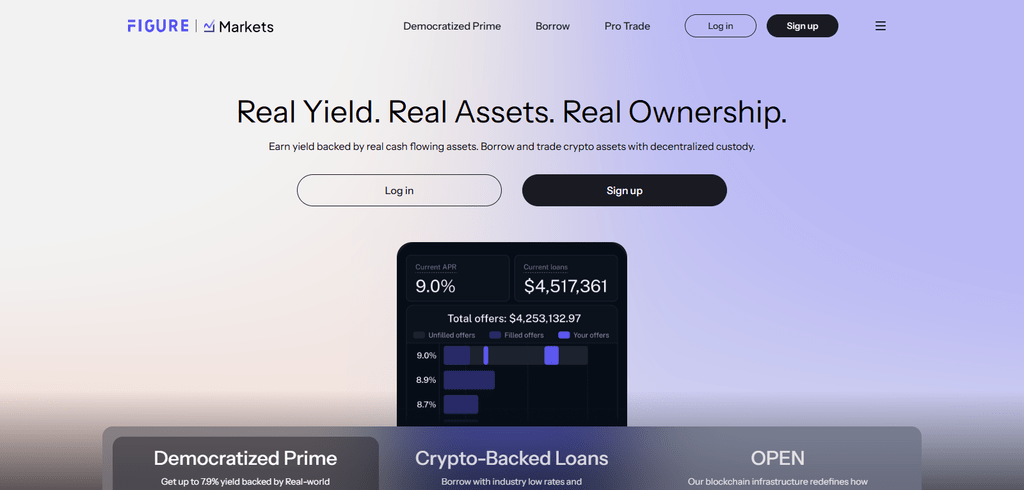
Institutional support comes from blockchain lending partners in banking and funds. They aim to provide easy access to capital markets for borrowers, lenders, and institutional investors. Figure Markets built their blockchain infrastructure on the Provenance Blockchain, designed to optimize all financial transactions and services.
Figure Markets leads equity issuance and lending within the compliance-related challenges and liquidity of the secondary market. It is also an innovative way to utilize blockchain in lending and capital markets.
Figure Markets Characteristics, Advantages & Disadvantages
Characteristics
- Digital assets and the financial markets of digital assets
- An infrastructure for financial markets that is based on blockchain
- Supports tokenized financial markets.
- Focused on lending and capital markets
- Focused on both institutional markets and individual markets
Advantages
- Comprehensive financial market functionality
- Application of blockchain technology has the potential to facilitate and enhance efficiencies for users and clients in processing various transactions.
- Supports multiple financial applications
- Provides a complete digital marketplace
- Enhances efficiency for settlements
Disadvantages
- Varies by market availability of offerings
- Access may be restricted due to variations in regulations.
- Complexity of the platform may be difficult for new users
- Market-specific liquidity
- Exposed to various digital assets and infrastructure
7. Securitize
Securitize focuses on a tier one position for digital securities offerings relating to equities, debt, and private fund offerings, securitizing token standards through SEC-registered compliance standards. Its regulated trading venue provides a marketplace for trades, although its focus is currently on liquidity. There is a solid institutional clientele for its infrastructure, including private equity and venture capital firms.
Enterprises, funds, and accredited investors are the primary clients for offerings supporting compliant tokenization. Securitize’s blockchain infrastructure supports the Ethereum and other chains to provide interactivity and visibility. Securitize is focused on regulatory compliance infrastructure to serve large clients, although there are issues with the increasing decentralization of regulation and building secondary market liquidity.
Securitize Characteristics, Advantages & Disadvantages
Characteristics
- Infrastructure for digital securities
- Asset issuance and management
- Investor onboarding and compliance
- Tokenization for institutions
- Supports various asset classes
Advantages
- Tokenization for the entire institutional spectrum
- Strong compliance for institutions
- Supports the entire lifecycle of digital securities
- Suitable for large-scale applications
Disadvantages
- Complexity for enterprises
- Smaller projects may be priced out
- Regulations may affect the speed of the delivery
- Functionality may depend on the region
- Requires Legal considerations
8. INX Digital
INX Digital is a security token trading platform for equity, debt, and hybrid instruments. Its technology adds regulatory compliance to security token transactions and streams. Its built-in regulated exchange provides institutions the ability to transact security tokens. INX Digital’s market infrastructure provides issuance and trading connectivity.
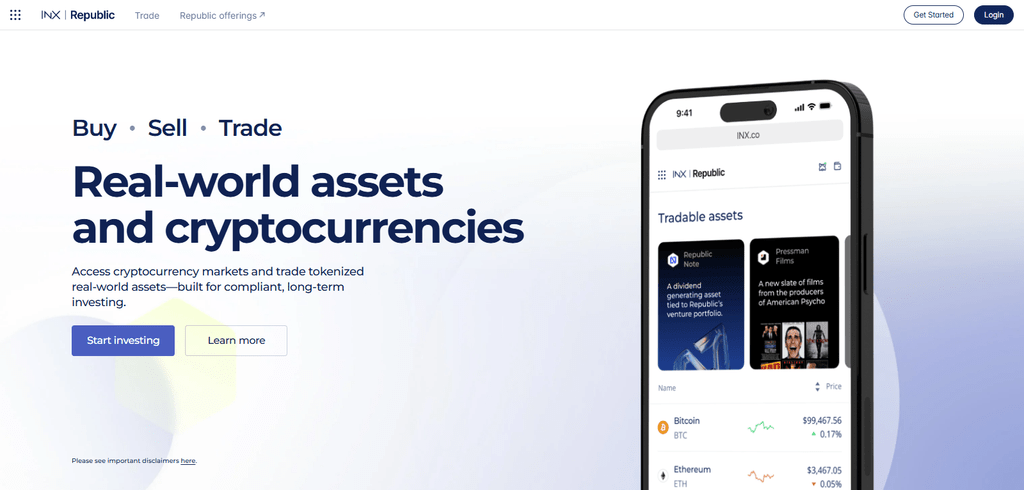
The firm provides a blockchain-based security token operating infrastructure to large clients seeking regulated security token offerings. INX Digital’s blockchain-based infrastructure uses Ethereum and other compliant blockchains to achieve settlement finality.
INX Digital integrates blockchain technology into traditional securities markets, though the lack of a consistent international legal framework is a major obstacle for the firm. INX Digital is uniquely positioned to provide organizations a regulated way to use both security tokens and cryptocurrency.
INX Digital Characteristics, Advantages & Disadvantages
Characteristics
- Regulated digital asset infrastructure
- Supports tokenized securities
- Offers issuance and trading
- Offers compliance within digital markets
- Integrates Fintech and blockchain
Advantages
- Strong focus on compliance
- Supports regulated digital securities
- Offers blockchain market access
- Useful for both issuers and investors
- Completeness within digital asset infrastructure
Disadvantages
- Regulations may limit availability
- Market liquidity may be an issue
- May not support all assets
- May increase the complexity of operations
- May be more suitable for regulated assets
9. Tokeny
Tokeny makes tokenization infrastructure for private equity, real estate, and funds. Their token standards build compliance into smart contracts, which is a unique way to address regulatory concerns. Though they support trading, liquidity still remains an issue.
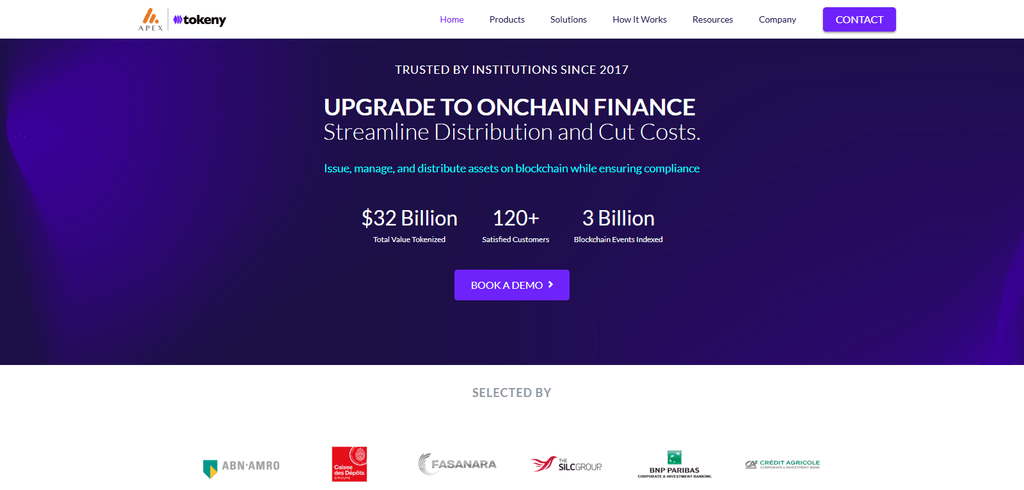
Institutions are primarily asset managers, firms, and other companies looking to improve their processes with blockchain. Their target clients are token issuers, funds, and investors. All of these clients are looking for compliant tokenization solutions.
Tokeny’s blockchain infrastructure has been able to be flexible enough to handle use cases by using Ethereum and other interoperability protocols. Tokeny’s greatest strength is their ability to embed compliance directly into tokens, which simplifies the tokenization process. However, they still must overcome challenges related to fragmented regulations and blockchain interoperability.
Tokeny Characteristics, Advantages & Disadvantages
Characteristics
- Digital asset tokenization infrastructure
- Compliant security token focus
- Capabilities for investor identity and compliance
- Programmable asset management support
- Built for financial institutions and issuers
Advantages
- Compliance-oriented infrastructure
- Flexible tokenization
- Supports institutional workflows
- Restriction transfer automation
- Designed for regulated assets
Disadvantages
- Primarily for compliant financial assets
- Complex implementation
- Regulatory setup may be challenging
- Higher costs for enterprise use
- Depends on asset and jurisdiction for utility
10. tZERO
tZERO is an enterprise that established a trading marketplace for securities that has been tokenized. It is focused on trading equities, debt, and alternative investments. tZERO’s tokenized securities standards incorporate compliance for the issuance and trading of securities.
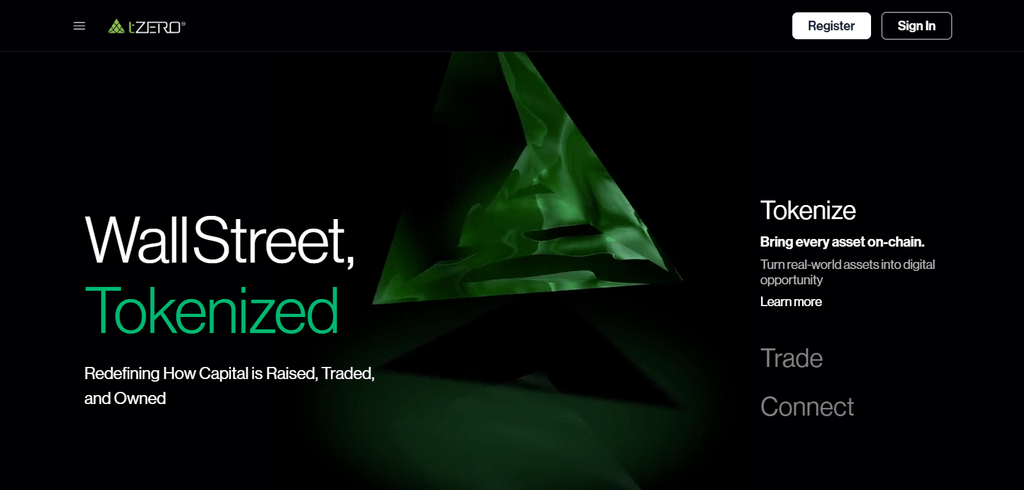
Trading of compliant securities on the digital marketplace is enabled, although retail participation is still limited. Institutional market participants include firms employing blockchain technology for raising capital.
The primary target clientele includes businesses, funds, and investors. The blockchain integrates Ethereum and other blockchains, and delivers settlement via a transparent process. tZERO has developed a regulated digital marketplace, and while the marketplace has some advantages over traditional markets and exchanges, it is challenged by the issue of achieving liquidity along with low adoption.
tZERO Characteristics, Advantages & Disadvantages
Characteristics
- Digital securities
- Tokenized asset issuance
- Focus on post-trade secondary market
- Settlement of securities on the blockchain
- Focus on institutional and retail markets
Advantages
- Strong emphasis on digital securities
- Functionality for post-trade secondary markets
- Supports settlement on the blockchain
- Built around regulated securities
- May facilitate access to private market investments
Disadvantages
- Varying liquidity for each security
- Compliance has effects on market participation
- Primarily focused on securities and tokenized assets
- Market availability based on region
- Investors are always exposed to asset risks
Conclusion
The digital asset and tokenization tool lines, such as Polymath, Bitfinex Securities, and tZERO, show that there is a vibrant market for each and that no market player has a monopoly for all strengths. Some, like RealT, have focused on real estate. Others, like Ondo Finance, have focused on fixed income. Securitize and INX Digital have focused on compliance and institutional markets, while Swarm Markets based its approach on DeFi and TradFi.
All mainly have defined their market position based on the same or similar pillars of focus including asset class, token standards, secondary market trading, institutional focus and heartland users, and chosen blockchain. Clarity of regulations and lack of liquidity remain common challenges.
Taken together, they illustrate how blockchain technologies will transform and reshape the capital markets and how they will provide greater market access and automatically incorporate compliance into digital assets. The future of tokenization is likely based on institutional market access, secondary trading, and interoperability, which makes the first pioneers essential for building the financial infrastructure of the future.
FAQ
Which token standards are used?
Most platforms rely on Ethereum‑based standards like ERC‑1400 or compliance‑embedded smart contracts. Polymath pioneered ERC‑1400, while others like Tokeny and Securitize embed compliance logic directly into tokens.
How do these platforms enable secondary trading?
Regulated exchanges: Bitfinex Securities, INX Digital, Securitize, tZERO.
Decentralized venues: Swarm Markets.
Peer‑to‑peer marketplaces: RealT. Liquidity remains a universal challenge across all platforms.
What level of institutional support exists?
Strong institutional adoption: Securitize, INX Digital, Ondo Finance.
Emerging partnerships: Figure Markets, Tokeny, Bitfinex Securities.
Hybrid experimentation: Swarm Markets. Institutions are drawn to compliance, yield efficiency, and blockchain transparency.
Who are the target users?
Retail investors: RealT (fractional real estate).
Institutions & funds: Ondo Finance, Securitize, INX Digital.
Hybrid retail + institutional: Swarm Markets, tZERO, Tokeny.
Borrowers/lenders: Figure Markets.
What blockchain infrastructure do they rely on?
Ethereum: Polymath, Tokeny, Securitize, INX Digital, RealT.
Provenance Blockchain: Figure Markets.
Cross‑chain interoperability: Swarm Markets, Ondo Finance. Ethereum remains dominant due to its compliance‑friendly smart contracts.