

This article examines the use cases of blockchain in banking for tokenization. Tokenization is the process of digitizing traditional assets into secure digital assets. Tokenization is transformational for financial services as it can lead to faster settlement, increased liquidity, transparency, decreased costs, and less reliance on intermediaries.
By using smart contracts and other components in distributed ledger technology, banks can construct cutting-edge, innovative financial technology that digitizes traditional finance.
What Is Blockchain Tokenization in Banking?
Banking blockchain tokenization consists of digitizing assets such as deposits, loans, bonds, and securities. Digital tokens associating ownership to a user can also be instantaneously traded or settled. Tokenized financial assets ease the burden on users to rely on an intermediary.
Any process in compliance, settlement, or dividend distribution can also be facilitated by smart contracts. Higher liquidity management with cross-border payments is seen with the ability for real-time monitoring and intraday settlements.
Also, regulatory compliance is improved with integrated Know Your Customer (KYC) and Anti-Money Laundering (AML) systems. By 2026, blockchain tokenization will allow banks to improve the efficiency of cross-border payments while reducing operational costs and allowing greater asset investor participation.
How Banks Use Blockchain for Tokenization
Asset selection
Banks choose financial assets which may include their deposits, loans, or securities for tokenization.
Legal structuring
To ensure compliance, assets are placed under either regulatory or custodial frameworks.
Tokenization
Digital tokens are created on the blockchain to represent either a full or a fractional ownership interest in an asset.
Integration of smart contracts
The rules pertaining to the token issuance, token transfer, settlement, and automated compliance checks are encoded on a smart contract.
Token issuance
Tokens are offered either on a retail or an institutional level, allowing for a fractional investment.
Increased access and liquidity
Increased liquidity is facilitated by trading tokens on digital exchanges.
Automated compliance
KYC and AML are integrated into the smart contract to ensure compliance.
Near instant settlement
With blockchain, asset settlement is done almost instantaneously.
Why Are Banks Using Blockchain for Tokenization?
Banks use blockchain for tokenization to modernize asset management with a more secure and efficient approach that reaches customers globally. Digital tokens represent deposits, loans, and securities. Tokenization introduces fractional ownership, and liquidity is improved with trading on a secondary market.
Blockchain delivers transparency through immutable transaction records.The automation of smart contracts offers compliance, settlement and dividends with reduced time and cost. Cross border transactions require less settlement risk and are improved with tokenization.
Automation of KYC and AML rules enables tokenization. Tokenization not only modernizes the banking process, it makes it more efficient so banks can modernize their infrastructure to better serve their customers.
How Bank Tokenization Works
Asset selection: Banks choose deposits, loans or securities to tokenize.
Legal structuring: Tokenized assets are legally frameworked in a manner that allows for enforcement.
Token issuance: Tokenized digital assets are created on a blockchain. Smart contracts are used to issue tokens that represent a stake.
Smart contracts: Transactions and compliance rules are defined, and smart contracts are prepared to automate the process.
Investor access: Participation in tokenized assets can be offered to retail and/or institutional investors.
Secondary trading: Liquidity is further enhanced by trading tokens in a secondary market.
Compliance: Regulatory compliance is automomated via KYC and AML processes.
Settlement and custody: Custody solutions for tokenized assets are provided.
Which Assets Are Banks Tokenizing in 2026?
Deposits: Retail and corporate deposits will be tokenized to enable instant settlement of programmable money.
Loans: Mortgage loans and corporate lending will be represented as tokens to enhance liquidity and securitization.
Bonds: Government and corporate bonds will be tokenized to improve the speed of issuance and trading in the secondary market.
Securities: Equities and other structured products will be digitized to improve the settlement process and the clarity of ownership.
Money market funds: Tokenization of money market funds will allow investors to obtain instant liquidity with the flexibility of programmable returns.
Cross-border payments: International payments will be improved by tokenizing fiat currencies and settlement instruments.
Commodities: Tokenizing gold and other commodities will provide a means to back stablecoins and improve the diversification of investment portfolios.
Smart Contracts in Bank Tokenization
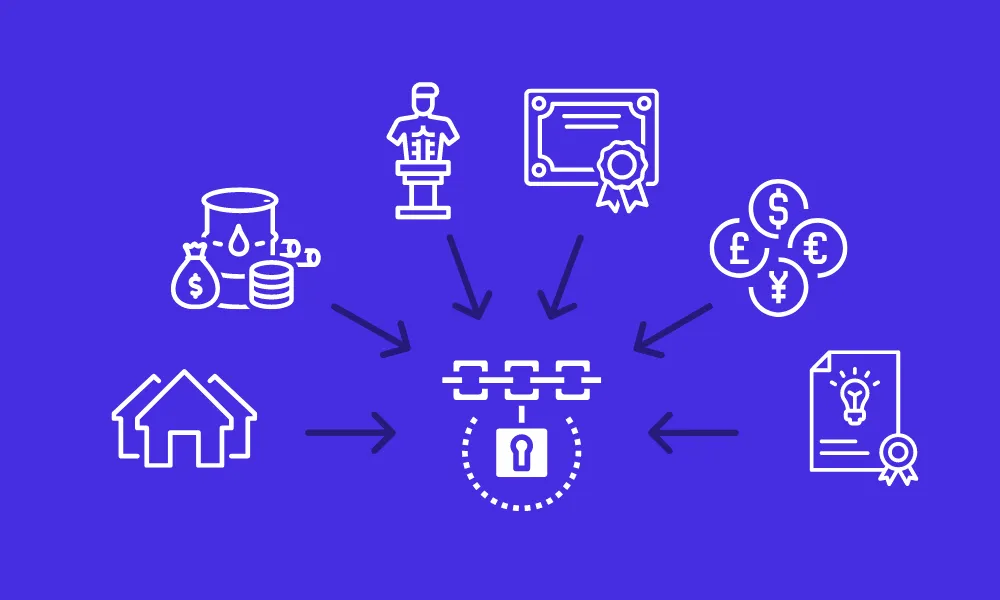
Smart contracts form the base of automation for digital asset management with regards to efficiency, compliance, and transparency. As programmable agreements, smart contracts define rules for issuance, transfer, and settlement of tokens all without the need for intermediaries.
Smart contracts integrate KYC/AML directly into transactions, helping to lower the risk of criminal activities and regulatory non-compliance. Additionally, smart contracts will help automate the distribution of income with the correct to the rightful owners and in a timely manner.
In cross border value transfer, they eliminate precautionary measures by providing cross border instant settlement. Smart contracts will change the way banks manage liquidity and legal obligations with regards to custody by helping banks scale their operations. Tokenization will help integrate banking systems with blockchain. This will help the trust Defi needs.
Benefits of Blockchain Tokenization for Banks
Greater liquidity
With tokenization, assets can be purchased and sold almost instantly and with virtually no market friction.
New ways to buy assets
Fractional trading enables investors (even small ones) to have an equity position in high value assets.
Quicker settlement
Blockchain technology reduces clearing and settlement cycles measured in days, to a matter of seconds, in turn decreasing the risk of counterparty exposure.
Transparency
Immutable records mean there will never be any dispute about asset ownership or transaction ownership.
Price and process efficiency
There are no third parties to engage with and therefore there are lower transaction and process costs.
KYC/AML compliance
Rule automation is capability of Smart Contracts.
Greater market reach
Tokenized assets can be bought and sold across the USS Crane.
Innovation in banking services
Digital banking services innovation will likely become a reality.
Challenges and Risks
Lack of regulatory clarity: Different territories have different rules which makes regulatory compliance a challenge.
Technological risks: There are cybersecurity risks, bugs in smart contracts, and failure of market infrastructure which can lead to a loss of assets.
Valuation: The pricing of tokenized loans and tokenized bonds and deposits is still an issue.
Market liquidity: Relatively immature markets for tokens across different exchanges leads to a fragmented liquidity market.
Legal and enforceable rights: Ownership rights may not be enforceable.
Operational: Challenges incorporating blockchain technology with legacy banking systems, and registries.
Protection of investors: Risks of fraud, unclear contracts and prospectuses leading to an unfair outcome for investors.
Market acceptance: Sluggish acceptance of innovations by the large institutions (below) is slowing market acceptance.
Real-World Bank Tokenization Examples in 2026
BlackRock BUIDL Fund
Asset Under Management (AUM) grew beyond $2.5 billion by 2026 after its launch in 2024. It provides exposure to U.S. Treasury money market funds with constant daily yield disbursements.
Franklin Templeton FOBXX
Money market funds with instantaneous settlement and liquidity have been built on multiple blockchains.
JPMorgan Onyx/Kinexys
An institutional blockchain platform facilitates the tokenization of treasuries for cross-border settlement with Project Guardian in Singapore.
Ondo Finance
The platform tokenizes access to U.S. treasuries and corporate debt.
Securitize
Value add-on to tokenized securities, serving as BlackRock BUIDL’s transfer agent and ensuring compliance.
Hashnote USYC
An alternative to cash management with tokenized treasury and short-term exposure.
Mountain Protocol USDM
A yield stablecoin backed by tokenized treasuries with a goal of bringing the retail and institutional worlds together.
Project Guardian
Cross-border Treasury and Equity tokenization for the banks and asset managers in Singapore.
Traditional Banking vs. Tokenized Banking Infrastructure
| Aspect | Traditional Banking | Tokenized Banking |
|---|---|---|
| Ownership | Legal contracts, centralized registries | Digital tokens on blockchain, fractional ownership |
| Settlement | Multi‑day clearing via intermediaries | Near‑instant settlement through smart contracts |
| Liquidity | Limited, fragmented markets | High liquidity via global token exchanges |
| Accessibility | Restricted by geography and intermediaries | Borderless participation, open to global investors |
| Transparency | Opaque processes, dependent on custodians | Immutable blockchain records, real‑time auditability |
| Compliance | Manual filings, regulatory intermediaries | Automated KYC/AML embedded in smart contracts |
| Cost Efficiency | Higher costs due to paperwork and brokers | Reduced fees through automation and disintermediation |
| Innovation | Slow adoption of new technologies | Programmable assets, AI‑driven analytics, interoperability |
What Is Changing for Customers and Investors?
Blockchain technology changes the banking industry by allowing customers and investors to change the way they access, own, and trade financial assets. Customers are able to buy partial shares of high value assets like loans or bonds, which allows them to invest smaller amounts of money.
Investors are able to trade at a moment’s notice on digital markets, and it can take a few seconds to settle a trade like it used to take days. The blockchain records transactions and neither party can alter them, and both are able to see the transactions in real time.
It reduces the risks associated with fraud and regulations because of the compliance rules of KYC and AML encoded in smart contracts. Tokenization of banking will provide cheap and easy ways to conduct banking transactions in different countries and will allow for new ways of banking with customers and investors now and in the near future.
Future of Bank Blockchain Tokenization

In the distant future, when bank blockchain tokenization has become established, it will have the potential to revolutionize banking around the world. It is anticipated that the tokens representing trillions of dollars in deposits, loans, and securities will be created by banks by 2030 to facilitate the almost instant settlement of transactions.
Customers will be able to control by contracts the ownership of fractions of annual deposits or loans and securities. Smart contracts will automate compliance and as a result will reduce fraud and associated costs.
Tokenized platforms will facilitate cross border financial transactions and enhance financial inclusion. High value assets will have high demand and high value. The maturity of banking regulations will allow tokenization to become the banking infrastructure of the digitized economy.
Conclusion
In summary, the process of tokenization via blockchain technology offers banks a model which enables them to conduct conventional banking operations on a global scale faster and with more liquidity. Customers and even small time investors gain the ability to own fractions of assets.
Furthermore, smart contracts in tokenization of securities further lowers risks for investors through immutability. Tokenization of banking operations is still in its infancy, but already we can imagine a world where it will dominate banking operations globally. Thus, in the years to come, we can expect to see tokenization not only opening up opportunities for new participants, but also enabling financing to more regions and countries.
FAQs
What is blockchain tokenization in banking?
It is the process of converting traditional assets like deposits, loans, and securities into digital tokens recorded on blockchain.
Why are banks adopting tokenization?
To achieve faster settlement, enhanced liquidity, transparency, and global accessibility while reducing costs.
Which assets are banks tokenizing in 2026?
Deposits, loans, bonds, securities, money market funds, commodities, and cross‑border payment instruments.
How do smart contracts support tokenization?
They automate compliance, settlement, and income distribution, embedding KYC/AML rules directly into transactions.