

In this article, I will talk about the Best Crypto Games to Own Tradable Assets in 2026. These are platforms where players can collect, own, buy and sell digital items. I will talk about their blockchain networks, NFT marketplaces, trading fees, ownership of assets, gameplay features, and possible limitations so that the readers can compare various blockchain gaming opportunities.
Why Choose Crypto Games to Own Tradable Assets
True Digital Ownership: Players can actually own eligible in-game assets as NFTs and control them through compatible crypto wallets, instead of relying only on traditional game accounts.
Asset Trading Opportunities: Players can sell, buy or trade supported digital items on NFT marketplaces creating opportunities to recover or create value from collectibles.
Transferable Digital Items: With blockchain technology, qualifying assets can be transferred between compatible wallets without having to be dependent on a game’s internal inventory system.
Multiple Asset Classes: Players can collect characters, weapons, skins, trading cards, virtual land, equipment and other blockchain-based digital collectibles.
Potential Resale Value: Rare and limited edition NFTs may attract collectors and other players, but their resale value depends on market demand and liquidity.
Player-Created Economies: Some crypto games allow players to create, customize and sell digital currencies, giving creators opportunities to participate in the in-game economy.
Public Asset History: All transactions on a blockchain provide publicly verifiable ownership and transfer history of all supported NFTs, helping players keep tabs on their digital collections.
Enhanced Marketplace Flexibility: Players can explore listings, uncover collectibles, and manage their tradable assets via in-game and external NFT marketplaces (compatible with the game).
Key Points
| Crypto Game | Key Point |
|---|---|
| Axie Infinity | Players own, breed, battle, and trade NFT-based Axies and in-game assets on the Ronin blockchain. |
| The Sandbox | Enables players to own, develop, and trade virtual LAND, avatars, and digital assets as NFTs. |
| Illuvium | Open-world blockchain RPG where players capture, own, and trade NFT creatures called Illuvials. |
| Gods Unchained | Digital trading card game that gives players true ownership of tradable NFT cards. |
| Splinterlands | Collectible card game featuring blockchain-based cards that can be bought, sold, and traded. |
| Star Atlas | Space-exploration MMO with tradable ships, land, resources, and other blockchain assets. |
| Decentraland | Virtual world where users own, trade, and monetize LAND parcels and NFT items. |
| Shrapnel | AAA blockchain shooter featuring player-owned and tradable in-game assets and equipment. |
| Alien Worlds | Metaverse game allowing players to collect, mine, and trade NFT assets across multiple blockchains. |
| Sorare | Fantasy sports platform where officially licensed digital player cards are owned and traded as NFTs. |
1. Axie Infinity
Axie Infinity was created by Sky Mavis in 2018 and is mainly run on the Ronin blockchain, an Ethereum Layer 2 network. Players can own tradable Axie creature NFTs, virtual land, accessories, runes, charms and other digital collectibles.
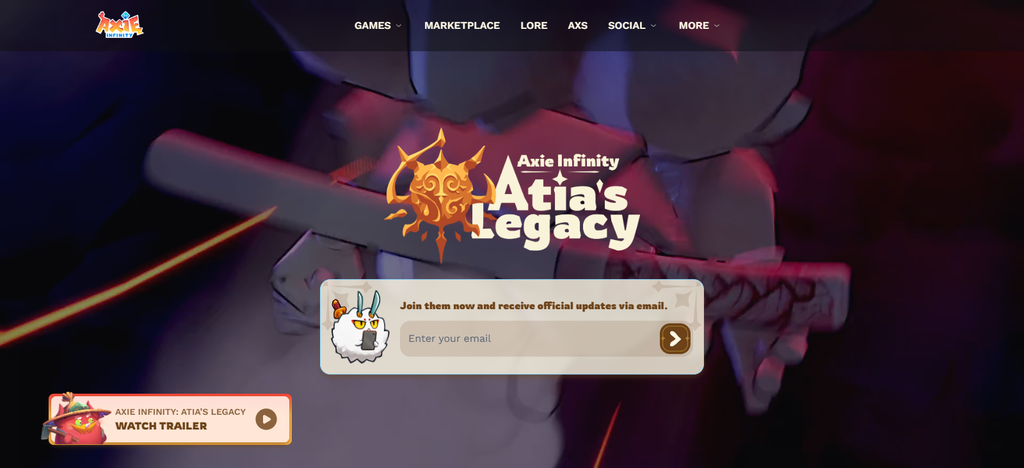
These assets can be used for creature battling, breeding, customization and ecosystem activities. True Ownership: Axies and supported collectibles are recorded on-chain and can be stored in compatible wallets.
Marketplace & Trading The App.Axie allows you to buy and sell eligible assets. Trading Fees: Historically, the marketplace has charged sellers 4.25% of the sale price. Breeding and blockchain transactions may also incur fees.
Risks and Limitations Axie Infinity
- NFT Price Volatility: The resale value of creatures you own is unpredictable because of large price swings of Axie NFTs and ecosystem tokens like AXS and SLP.
- High Entry Costs: The need to purchase competitive Axies or other assets to be able to unlock certain gameplay features can make the initial cost of entry quite high for players.
- Marketplace Liquidity: Rare Axies may attract buyers, but less popular creatures can sit on the marketplace for long stretches without getting good offers.
- Sustainability of Game Economy: Changes in breeding cost, reward distribution, token supply and player demand can affect the long-term value of digital resources.
- Security Risks. Players could lose assets forever because of wallet phishing, malicious transactions, bridge vulnerabilities, and compromised private keys.
Axie Infinity – Key Features
| Feature | Description |
|---|---|
| NFT Creature Ownership | Players collect, own, breed, and trade Axie creatures as digital NFTs. |
| Play-to-Earn Ecosystem | Players can participate in battles and ecosystem activities to earn eligible rewards. |
| Axie Breeding | Players can breed Axies to create new creatures with different genetic traits. |
| Ronin Blockchain | Uses Ronin infrastructure for managing and trading supported digital assets. |
| Axie Marketplace | Provides a dedicated marketplace for purchasing and selling eligible Axies and collectibles. |
| Land NFTs | Players can own virtual land connected to the Axie ecosystem. |
2. The Sandbox
The Sandbox began as a mobile game in 2011, before work began on its blockchain-based metaverse in 2018. Its ecosystem uses Ethereum-based NFTs and SAND, its native utility token, and SANDchain is also developing its Layer 2 infrastructure.
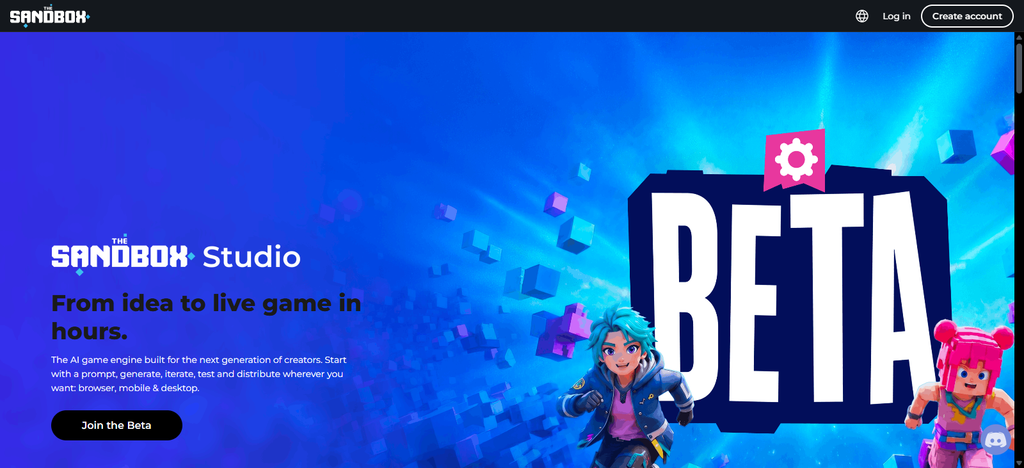
Players can own LAND virtual properties, ASSET NFTs, avatars, wearables, buildings and voxel-based collectibles. True Ownership: LAND and eligible ASSET NFTs are stored in blockchain-compatible wallets.
Marketplace & Trading: The Sandbox Marketplace allows players to create, buy, sell and trade digital items. Trading Costs: Depending on the asset and network used, transactions may be subject to marketplace fees, creator royalties, and blockchain gas costs.
Risks and Limitations The Sandbox
- LAND Investment Risk: Virtual land prices are very dependent on platform activity, creator demand, brand participation, and the popularity of individual metaverse locations.
- Limited Asset Demand: Some voxel assets, wearables, and digital collectibles may not have as many buyers, making it hard to sell them for the prices you expect.
- Platform Dependency: The utility of LAND and ASSET NFTs is dependent on The Sandbox ecosystem, its tools, marketplace and continued platform development.
- Complexity of Creation: Games and voxel assets can be complex to build and require significant time and technical skills, which can be a barrier to entry for new creators.
- SAND Token Volatility: Fluctuations in the market value of SAND may affect asset buying, creator income, marketplace activity, and the general cost of participation
The Sandbox – Key Features
| Feature | Description |
|---|---|
| Virtual LAND Ownership | Players can purchase, own, and trade digital land parcels represented by NFTs. |
| Voxel Asset Creation | Users can create digital objects, characters, and collectibles using voxel-based tools. |
| Game Maker | Provides tools for building interactive gaming experiences without requiring advanced coding skills. |
| NFT Marketplace | Supports buying, selling, and trading eligible ASSET NFTs and digital collectibles. |
| Avatar Customization | Players can personalize avatars using digital clothing, accessories, and wearable NFTs. |
| SAND Token Integration | Uses SAND for supported ecosystem transactions, purchases, and activities. |
3. Illuvium
Illuvium was founded in 2020 by Kieran, Aaron and Grant Warwick. Its gaming ecosystem runs on Immutable’s Ethereum Layer 2 infrastructure, including Immutable X for eligible NFT assets. Players can own and collect Illuvial creatures, virtual land, equipment and other digital collectibles.
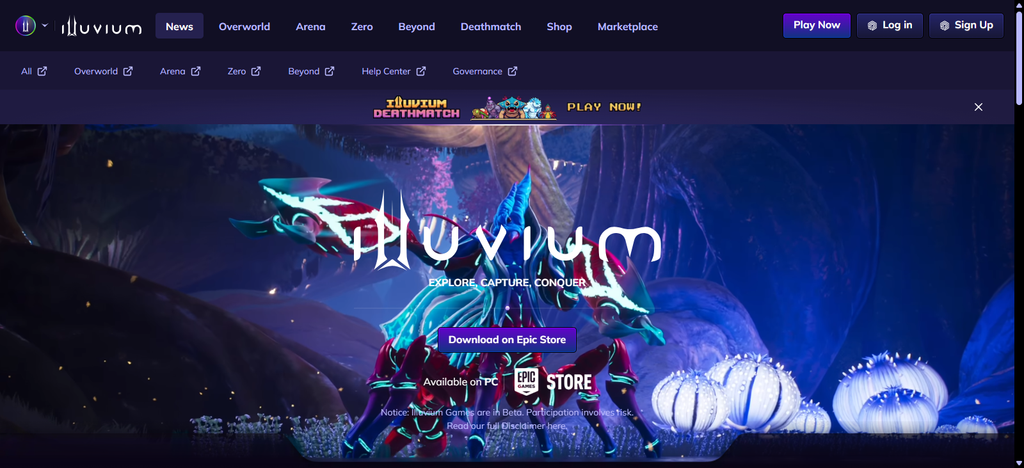
Based on current game integrations, these assets have utility in creature collection, exploration, resource gathering, and auto-battler experiences. Real Ownership: • Eligible NFT assets reside in the player’s blockchain wallet, rather than simply existing as ordinary game-account items.
Marketplace & Trading: Users can trade supported collectibles on IlluviDEX. Transaction Costs: Immutable’s gas-efficient architecture can lower transaction costs, but there may be marketplace fees, asset prices and other fees applied.
Risks and Limitations Illuvium
- High Asset Costs: Demand increases can mean a significant amount of spending for rare Illuvial creatures, land NFTs, and valuable collectibles.
- Gameplay Development Risk: Development schedules, game features or ecosystem releases can change which can impact player interest and utility of owned assets.
- NFT Liquidity: Not all Illuvial or collectible items will have a ready market for trading at all times, making it harder to sell rarer assets.
- Token Volatility: ILV and other digital resources linked to the ecosystem may experience significant volatility, potentially impacting the perceived value of player-owned collectibles.
- Technical Limitations: Illuvium’s graphically rich gameplay may require capable computer hardware and a stable internet connection, which may limit access for some players.
Illuvium – Key Features
| Feature | Description |
|---|---|
| Illuvial NFT Collection | Players discover, collect, and own digital creatures called Illuvials. |
| Creature Battles | Supports strategic auto-battler gameplay using collected Illuvials. |
| NFT Asset Trading | Eligible Illuvials, land, and other collectibles can be traded through supported marketplaces. |
| Virtual Land Ownership | Players can own land NFTs connected to resource gathering and ecosystem activities. |
| Exploration Gameplay | Offers exploration experiences where players discover creatures and collect resources. |
| Immutable Integration | Uses Ethereum Layer 2 infrastructure for supported blockchain assets and transactions. |
4. Gods Unchained (Founded: 2018)
Gods games.gg Unchained, founded in 2018, is a blockchain-based trading card game running on the Ethereum and Immutable infrastructure. Players collect tradable NFT cards of different gods, creatures, spells and abilities to build competitive decks.
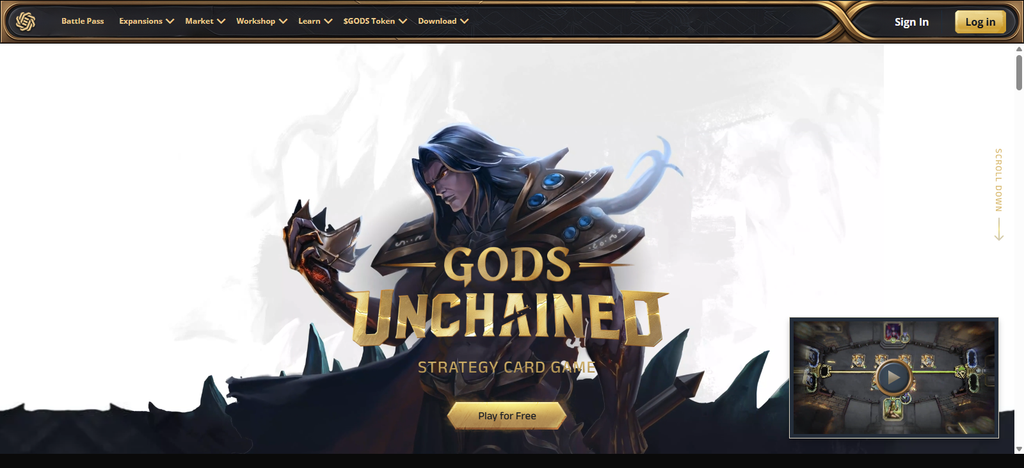
True Ownership: Eligible NFT cards are owned by players and can be stored in compatible wallets, while basic non-NFT cards do not enjoy the same trading rights.
Marketplace & Trading: Players can buy, sell and trade eligible cards on supported marketplaces such as TokenTrove and GU Market. Trading Costs: The GODS token can be used to purchase packs and craft cards. Trading may be subject to marketplace fees and network costs.
Risks and Limitations Gods Unchained
- Card Value Volatility: The price of NFT cards may fluctuate due to competition, rarity, game updates, and player interests.
- Game Balance Changes: Developers could change the abilities of cards and game mechanics to make previously powerful cards less viable.
- Less Liquid Cards: Less popular cards may not have as many buyers, making it hard for players to sell them quickly at good prices.
- Steep Learning Curve: New players may find it difficult to grasp the various card combinations, deck strategies, and competitive mechanics, which can impact their overall gameplay experience.
- Blockchain Dependency: NFT ownership and marketplace access depend on Immutable infrastructure, wallet availability, and supported blockchain services.
Gods Unchained – Key Features
| Feature | Description |
|---|---|
| NFT Trading Cards | Players collect and own eligible blockchain-based digital cards. |
| Strategic Card Battles | Allows players to build decks and compete using different card abilities and strategies. |
| Card Marketplace | Supports buying and selling eligible NFT cards through compatible marketplaces. |
| Card Crafting | Players can combine eligible cards through the game’s forging system to create tradable versions. |
| Gods and Deck Building | Offers different gods, card combinations, and gameplay strategies. |
| GODS Token | Supports selected ecosystem activities, including crafting and digital asset purchases. |
5. Splinterlands
Splinterlands launched in 2018 and is largely based on the Hive blockchain, known for its fast transactions and zero-cost standard blockchain activities under its resource model. Players can own monster cards, summoners, card packs, land assets and other tradable collectibles.
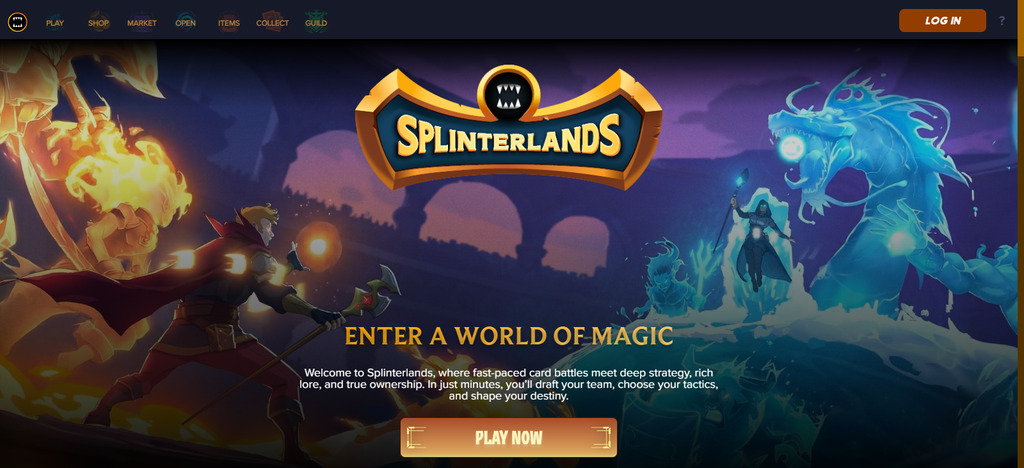
True Ownership: Eligible cards are NFTs, which means players can own, trade, rent, merge or sell them instead of just unlocking them in a traditional gaming account. Marketplace & Trading: Its marketplace allows you to buy, sell and rent cards, while other trading options can be found on external Hive-based markets.
Trading Costs: There is usually no direct gas fee for regular Hive transactions. However, costs may arise from card purchases, marketplace pricing, rental fees, and token conversions. DEC and SPS fuel the in game economy.;
Risks and Limitations Splinterlands
- Token Price Volatility: Prices for DEC and SPS may fluctuate, impacting card purchases, rentals, rewards and the overall value of assets owned by players.
- Competitive Card Costs: Building up good decks can be expensive, especially if players want to compete in the higher leagues.
- Rental Market Risks: Rental prices and card availability can fluctuate, making it difficult to keep a competitive deck at a predictable price.
- Reward Dependency: Changing the reward structures, league requirements, and gameplay incentives can make specific cards less attractive.
- Competition in the Marketplace: If there are too many similar cards, it may lead to pricing pressure, and players may find it difficult to sell common or less desirable NFTs.
Splinterlands – Key Features
| Feature | Description |
|---|---|
| NFT Card Ownership | Players collect and own tradable monster and summoner cards. |
| Automated Battles | Features strategic card battles with automatically resolved combat rounds. |
| Card Rental System | Allows players to rent eligible cards instead of purchasing an entire collection. |
| Card Marketplace | Supports buying, selling, and trading blockchain-based cards. |
| Land NFTs | Provides virtual land assets connected to resource production and ecosystem development. |
| Multi-Token Economy | Uses assets such as SPS, DEC, and credits for different ecosystem activities. |
6. Star Atlas
Atlas was built as a blockchain-powered space exploration game on the Solana network. Its ecosystem started to be built in 2020 and has space exploration, resource management, fleet building and multiplayer experiences.
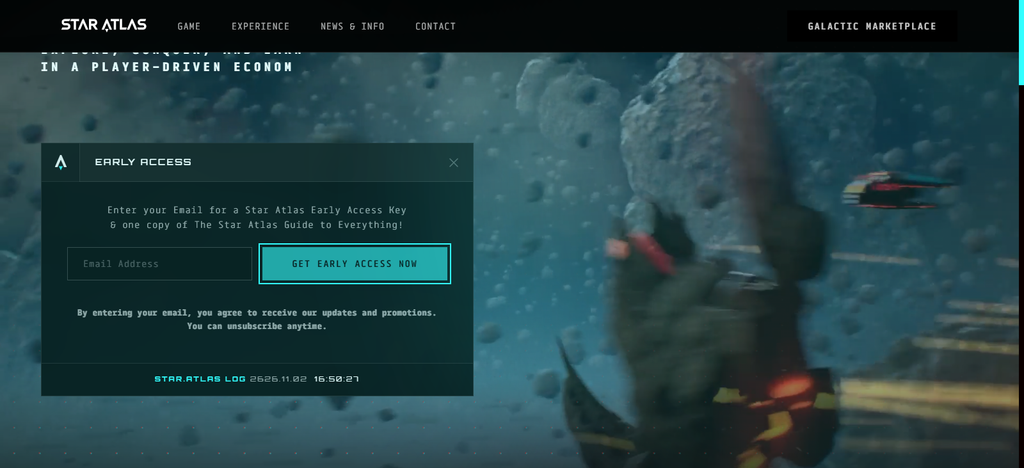
NFT ships, crew members, mining equipment, resources, collectibles and land assets that can be owned and traded by players. True Ownership Eligible assets are stored in the player’s Solana wallet and can be managed independently from the player’s game account.
Marketplace & Trading: Players can buy/sell ships, crew, resources and other collectibles through the Galactic Marketplace and fleet rentals provide another option for asset use. Trading Costs Sellers typically pay a 6% fee on the marketplace, but this can be reduced by locking ATLAS. Buyers can also pay for SOL network account creation fees.
Risks and Limitations Star Atlas
- Complexity of Development: Developing a large-scale space exploration ecosystem is a major development effort and any delays in key gameplay features can impact player expectations.
- NFT Price Volatility: Digital collectibles such as spaceships, crew members and others can lose value when the market demand or ecosystem activity decreases.
- Expensive To Participate: Players may have to commit a lot of money to high-end vessels, gear, and resource-related actions.
- Accessibility of Gameplay: The complex space economy, resource systems and blockchain features can be daunting for new players.
- Network Dependency : Users rely on Solana infrastructure, wallet compatibility, and marketplace availability to manage and trade supported digital resources.
Star Atlas – Key Features
| Feature | Description |
|---|---|
| NFT Spaceships | Players can own and trade digital spacecraft with different characteristics and capabilities. |
| Space Exploration | Offers a futuristic environment for exploring the galaxy and participating in missions. |
| Crew NFTs | Supports player-owned crew members used in supported gameplay activities. |
| Resource Management | Players can participate in resource collection, mining, and economic activities. |
| Galactic Marketplace | Enables trading of eligible ships, crew members, and other digital collectibles. |
| Solana Blockchain | Uses Solana infrastructure for supported NFT ownership and digital asset transactions. |
7. Decentraland
Decentraland started in 2015, released its first whitepaper in 2017 and launched its virtual world in 2020. It is built on Ethereum blockchain assets and utilizes Polygon for marketplace transactions.
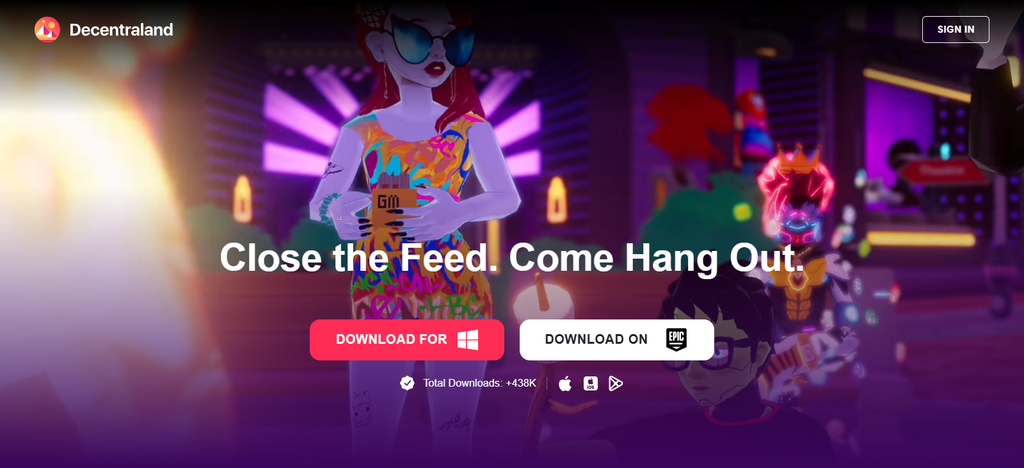
Players can own virtual LAND parcels , Estates , wearable NFTs , emotes and unique digital names . Actual Ownership: Qualified assets are registered on the blockchain and can be moved to compatible wallets or other users.
Marketplace & Trading: Decentraland Marketplace lets you buy, sell, list and transfer digital collectibles with MANA. Trading Costs: Marketplace charges 2.5% transaction fee; Polygon transaction gas fees are usually paid by the Decentraland DAO for supported marketplace purchases.
Risks and Limitations Decentraland (MANA)
- Virtual Land Valuation: The value of LAND is subject to location, development activity, visitor interest, and the demand for virtual experiences, resulting in uncertain valuations.
- Reduced User Activity: A drop in platform engagement could lead to lower demand for virtual properties, wearables, and other digital collectibles that are tradable.
- MANA Price Volatility: Fluctuations in the market price of MANA could impact users’ purchasing power and the perceived value of virtual assets.
- Limitations in content creation: Engaging virtual experiences require design skills, technical knowledge and time, which may discourage from casual participants.
- Platform Utility Risk: NFTs for land and wearables could offer limited real-world utility outside of Decentraland, potentially diminishing their attractiveness to buyers seeking broader compatibility.
Decentraland – Key Features
| Feature | Description |
|---|---|
| LAND NFT Ownership | Players can own and trade virtual land parcels represented by blockchain NFTs. |
| Avatar Customization | Supports digital wearables, accessories, and personalized avatars. |
| Virtual World Exploration | Allows users to explore interactive environments and community-created spaces. |
| NFT Marketplace | Supports buying, selling, and trading LAND, wearables, and other eligible collectibles. |
| User-Generated Experiences | Creators can develop interactive environments, events, and virtual experiences. |
| MANA Token | Uses MANA for supported purchases and transactions within its virtual ecosystem. |
8. Shrapnel
Shrapnel is a blockchain-powered extraction shooter and runs on a Layer 1 network built on Avalanche. It’s being developed to combine competitive shooting gameplay with player-owned digital collectibles and content created by users.
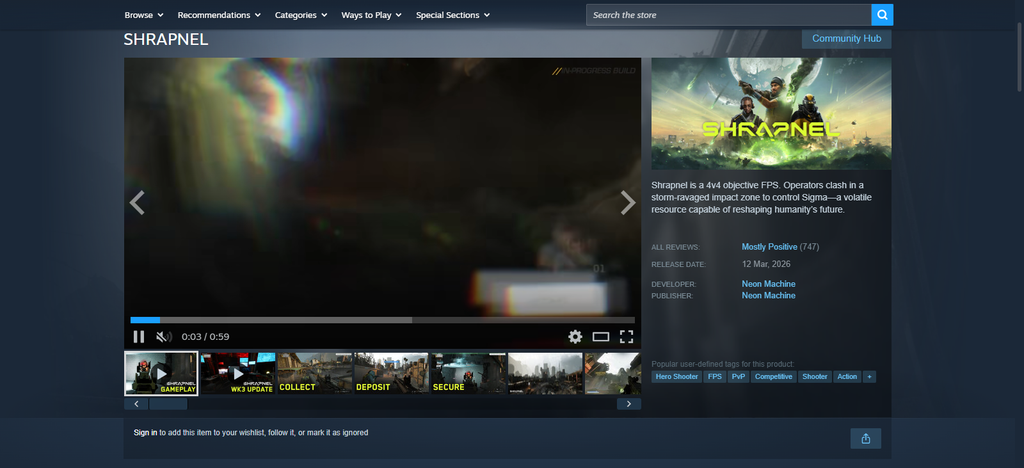
Players can acquire tradable items such as weapon skins, Callsigns, Fragments, Schematics, and other marketplace-supported items. True Ownership: Users can hold and trade eligible blockchain assets on supported accounts and wallets, while ordinary gameplay access does not require users to directly interact with cryptocurrency.
Marketplace & Trading: Players can use the marketplace to buy and sell supported game content, which includes some player-created items. Marketplace fees, asset prices, blockchain costs may apply. Do not assume a universal trading fee without checking the applicable listing.
Risks and Limitations Shrapnel.
- Gameplay Development Risk Changes to development schedules, game features and competitive modes may impact the usefulness and demand for owned assets.
- Marketplace Liquidity: There might not always be enough demand from buyers to quickly resell weapon skins, collectibles and player-created items.
- Changes in Asset Utility: Updates to weapon balancing, gameplay mechanics, or equipment functionality might affect the competitive value of certain NFTs.
- Blockchain Complexity: Players who are not familiar with Avalanche wallets, digital asset transfer, and transaction approval may have trouble managing their collectibles.
- Competitive Accessibility: Players with weaker hardware or slower internet connections may be at a disadvantage in a competitive extraction shooter.
Shrapnel – Key Features
| Feature | Description |
|---|---|
| Extraction Shooter Gameplay | Combines competitive first-person shooting with extraction-based missions. |
| Player-Owned Assets | Supports blockchain-based ownership of eligible digital collectibles and game items. |
| Weapon Customization | Offers weapon-related customization and collectible equipment. |
| User-Generated Content | Provides creator-focused tools and opportunities to develop game-related content. |
| NFT Marketplace | Supports trading of eligible digital assets through its marketplace ecosystem. |
| Avalanche Infrastructure | Uses a dedicated Avalanche-based blockchain infrastructure for supported digital assets. |
9. Alien Worlds (Founded: 2020)
Alien Worlds Worlds launched in 2020 and runs on a multi-blockchain ecosystem on WAX, BNB Chain and Ethereum. The gameplay is a cocktail of virtual mining, planetary governance, missions, and the collection of resources as NFTs.
Players can own tradable land plots, mining tools, weapons, avatars, minions and other digital collectibles. True Ownership: Eligible NFTs are stored on the supported blockchains and can be managed with compatible wallets. Marketplace & Trading Players can buy, sell and trade collectibles on NFT marketplaces that support Alien Worlds assets.
Trading costs: WAX-based mining transactions are generally subject to the resource model of the network, but other blockchain activities may include network fees. TLM and its Trilium token are used for planetary governance, missions and ecosystem activities.
Risks and Limitations Alien Worlds
- TLM Token Volatility: Volatility in the market price for TLM can impact mining rewards, NFT demand, planetary governance, and player engagement.
- Uncertainty in Mining Rewards: Mining results depend on the availability of resources, equipment attributes and game mechanics, thus players cannot expect consistent rewards.
- NFT Market Liquidity: Certain mining tools, land plots, and collectible NFTs might not have a demand for reselling, making them hard to trade.
- Multi-Blockchain Complexity: Supporting multiple blockchain networks can lead to confusion regarding wallets, asset transfers, network selection, and transaction requirements.
- Economic viability: Changes to the mining rewards, token distribution and player participation can affect the long-term viability of the game economy.
Alien Worlds – Key Features
| Feature | Description |
|---|---|
| NFT Mining Tools | Players use different mining tools to participate in resource-gathering activities. |
| Virtual Land Ownership | Supports ownership and trading of digital land NFTs across its planetary ecosystem. |
| Planetary Governance | Allows eligible participants to influence planetary decisions through governance mechanisms. |
| TLM Token Economy | Uses Trilium (TLM) for selected ecosystem activities and governance participation. |
| NFT Marketplace | Players can purchase, sell, and trade tools, land, and other eligible collectibles. |
| Multi-Blockchain Support | Connects its ecosystem with WAX, BNB Chain, and Ethereum. |
10. Sorare (Founded in 2018)
Sorare launched in 2018 as a blockchain-based fantasy sports platform, including football, basketball and baseball. The most recent change was in 2025, when its digital player cards migrated to the Solana blockchain. ETH payments are accepted via Base, and SOL is used for marketplace transactions. Players can purchase officially licensed digital player cards of varying levels of scarcity and use them to build fantasy teams for competitions.
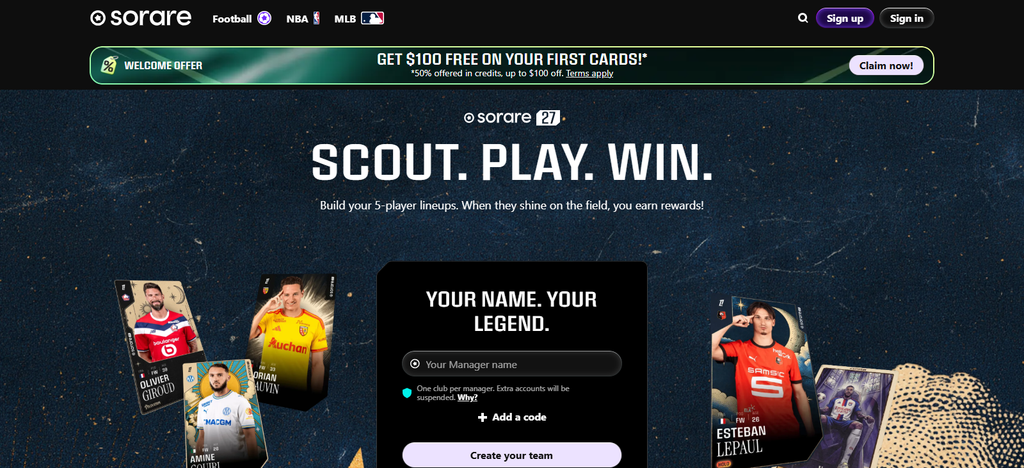
True Ownership: Eligible cards are blockchain-based collectibles players can hold, transfer and resell. Marketplace & Trading: Sorare offers auctions and a secondary marketplace for purchasing and trading player cards. Trading Costs : These may include card prices , applicable marketplace charges , payment conversion expenses , and fees for blockchain transactions , depending on the payment method used .
Risks and Limitations Sorare
- Player Performance Dependency: The value and usefulness of cards for baseball, basketball and football can change depending on the real world performance of the players.
- Volatility of Card Value: Individual cards can gain or lose value based on injuries, transfers, retirement, decreased playing time, and changes in sports popularity.
- Cost of Entry: Creating competitive fantasy teams can be expensive as you may have to purchase expensive cards, particularly for popular players and limited card editions.
- Lower Resale Potential: Fewer buyers may be interested in cards of less popular or inactive players, making it harder to resell them.
- Platform and Licensing Dependency: Sorare’s fantasy competitions and player-card utility depend on platform operations, sports licensing agreements, and supported formats of competition.
Sorare – Key Features
| Feature | Description |
|---|---|
| Digital Player Cards | Players collect officially licensed digital sports cards represented as blockchain assets. |
| Fantasy Sports Competitions | Users build fantasy teams and compete based on real-world athlete performances. |
| Card Scarcity Levels | Offers different card editions and scarcity levels that influence collectible demand. |
| Secondary Marketplace | Supports buying, selling, and trading eligible player cards. |
| Multiple Sports | Covers football, basketball, and baseball fantasy competitions. |
| Player Card Ownership | Eligible digital cards can be held and transferred through supported blockchain infrastructure. |
Conclusion
Crypto games with tradable in-game assets are a step beyond traditional gaming experiences, blending gameplay with digital ownership and NFT marketplaces. On platforms like Axie Infinity, The Sandbox, Illuvium, Gods Unchained and Sorare, players can collect, use, buy and sell eligible digital items.
Each game has its own blockchain network, trading options, asset utilities, and ownership model. But before investing, players should consider NFT price volatility, marketplace liquidity, transaction costs and platform dependency. As for which crypto game to choose, it comes down to the preferred gameplay, whether you want to own assets, how flexible you want to be with trading, and long-term activity in the ecosystem.
FAQ
What Are Crypto Games With Tradable In-Game Assets?
Crypto games with tradable in-game assets are blockchain-based games that allow players to own digital items such as characters, weapons, skins, virtual land, and collectible cards. Eligible assets can be bought, sold, or transferred through supported marketplaces.
Which Are the Best Crypto Games to Own Tradable Assets in 2026?
Some popular options include Axie Infinity, The Sandbox, Illuvium, Gods Unchained, Splinterlands, Star Atlas, Decentraland, Shrapnel, Alien Worlds, and Sorare.
How Do Players Own In-Game Assets in Crypto Games?
Players typically connect a compatible crypto wallet to the game and acquire eligible NFTs through gameplay, purchases, crafting, or marketplace transactions. These assets are recorded on supported blockchains.
Can Players Sell Crypto Game Assets for Real Money?
Yes. Players can sell eligible NFTs through supported marketplaces and receive cryptocurrency or other supported payment methods. However, resale demand, platform rules, transaction fees, and market prices affect the final value.
Which Blockchain Networks Are Used by Crypto Games?
Popular blockchain networks include Ethereum, Ronin, Solana, Immutable, Hive, WAX, and Avalanche. Different games select networks based on transaction costs, scalability, marketplace functionality, and ecosystem requirements.