

In this article, I will discuss Best Multi-Chain Crypto Wallets to Manage Assets in 2026. They enable users to store, send, receive, swap and track cryptocurrency across multiple blockchains. I will discuss their main features, supported blockchains, cross-chain abilities, security options, recovery methods, transaction fees, pros, and cons to guide readers in picking the right wallet.
What Is Multi-Chain Crypto Wallets?
Multi-chain crypto wallets are digital wallets that enable users to store, send, receive, swap and manage cryptocurrencies across multiple blockchain networks, all within one application. They support multiple ecosystems like Bitcoin, Ethereum, Solana, BNB Chain, Polygon and other EVM and non-EVM networks.
These wallets are an easy way to handle assets, making it easy to access multiple cryptocurrencies, token balances, NFTs, DeFi apps, and transaction histories together.
Many also support cross-chain swaps, bridge integrations, portfolio tracking and hardware wallet compatibility. Most multi-chain wallets offer self-custody, meaning you’re in control of your private keys and recovery phrases and can manage assets across different blockchain ecosystems.
Why Multi-Chain Crypto Wallets Are a Good Choice to Store Assets?
Handling of Multiple Cryptocurrencies: Multi-chain wallets enable users to store and manage Bitcoin, Ethereum, Solana, and other cryptocurrencies on a single app instead of having different wallets.
Cross-Chain Transactions: Some wallets offer cross-chain swaps and bridge integrations, allowing users to transfer or swap digital currencies across different blockchain networks.
Enhanced Portfolio Visibility: Multi-chain wallets facilitate easier monitoring of crypto assets, asset allocation analysis, and portfolio performance tracking across different blockchain ecosystems.
Access to DeFi Applications: Users are able to connect with decentralized exchanges, lending platforms, staking services and other Web3 applications through supported wallet integrations.
Better Safety Control: Self-custodial wallets let users control private keys and recovery phrases, instead of relying on centralized cryptocurrency platforms.
Flexible Blockchain Compatibility: Users can seamlessly explore different blockchain ecosystems with compatible wallets that provide access to both EVM and non-EVM networks without switching applications constantly.
Hardware Wallet Support: Some multi-chain wallets offer hardware wallet support for added security. Users can use their hardware wallets to sign transactions while managing assets across various blockchains.
Simple Crypto Transfers: Users can transfer and receive supported cryptocurrencies on compatible networks while viewing the transaction information and network-specific fee details from one interface.
Key Points
| Wallet | Key Point |
|---|---|
| Trust Wallet | Multi-chain wallet supporting 100+ blockchains with integrated staking, NFT management, and decentralized application access from a single interface. |
| Phantom | Originally built for Solana, Phantom has expanded into a multi-chain wallet supporting additional blockchain ecosystems while maintaining strong NFT and DeFi functionality. |
| Rabby Wallet | DeFi-focused multi-chain wallet known for transaction simulation, automatic network switching, and enhanced security warnings before transaction approval. |
| Coinbase Wallet | Self-custody wallet designed for beginners and experienced users, offering support for multiple blockchains, NFTs, and decentralized applications. |
| OKX Wallet | Web3 wallet that supports numerous blockchain networks and provides access to DeFi protocols, NFT marketplaces, and cross-chain asset management. |
| Exodus | User-friendly multi-asset wallet featuring support for numerous cryptocurrencies, portfolio tracking, and built-in exchange functionality. |
| Guarda Wallet | Non-custodial wallet supporting 70+ blockchains and over one million assets across web, desktop, mobile, and browser-extension platforms. |
| Safe (formerly Gnosis Safe) | Multi-signature smart-contract wallet widely used by organizations, DAOs, and teams that require additional security and shared asset management. |
| Ledger Live | Companion software for Ledger hardware wallets, enabling secure multi-chain asset management, staking, and portfolio monitoring while maintaining cold-storage protection. |
1. Trust Wallet
Established: 2017
Trust Wallet is a self-custody crypto wallet that enables you to manage digital currencies across multiple blockchains in one application. It supports 100+ blockchains like Bitcoin, Ethereum, BNB Smart Chain, Solana, Polygon, TRON, Arbitrum and Base. With its multi-chain asset management, users can store, send, receive, swap and track supported cryptocurrencies without having to maintain separate wallets for each network.
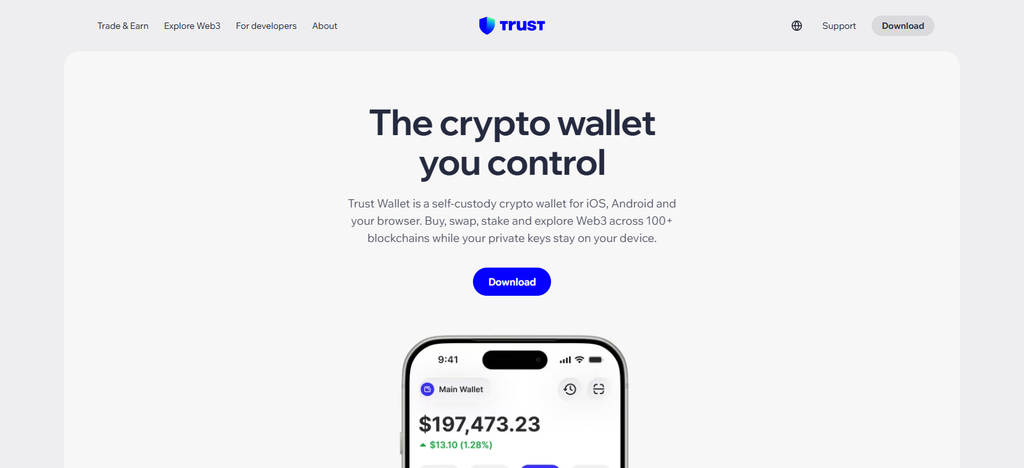
Users can also access selected cross-chain swaps via integrated providers. Recovery is via a secret recovery phrase and encrypted cloud backup options. The wallet is free to download, with network gas and third party transaction fees.
Trust Wallet Features, Advantages & Limitations
Features
| Feature | Description |
|---|---|
| Multi-Chain Support | Supports 100+ blockchain networks and multiple crypto assets. |
| Token Management | Allows users to store, send, receive, and manage different cryptocurrencies. |
| Built-in Swaps | Provides token swapping through integrated exchange services. |
| NFT Management | Supports viewing and managing NFTs on compatible networks. |
| Staking | Offers staking options for selected cryptocurrencies. |
| Security | Provides private key control, recovery phrase backup, and security scanning. |
Advantages
| Advantages |
|---|
| Supports a wide range of blockchain networks. |
| Beginner-friendly mobile application. |
| Provides integrated token swaps and staking. |
| Allows users to manage multiple crypto assets in one wallet. |
| Offers self-custody and recovery phrase backup. |
Limitations
| Limitations |
|---|
| Some advanced features vary across blockchain networks. |
| Built-in swaps may involve additional service fees. |
| Large numbers of tokens and networks can make navigation complicated. |
| Recovery phrase protection remains the user’s responsibility. |
2. Phantom
Established: 2021
Phantom is a multi-chain crypto wallet with a single interface for users to manage cryptocurrencies, NFTs, and Web3 assets. Initially focused on Solana, it now also supports Ethereum, Bitcoin, Base, Polygon, BNB Chain, and more. It offers cross-chain asset management, providing token swaps and bridge-powered transfers between supported networks.
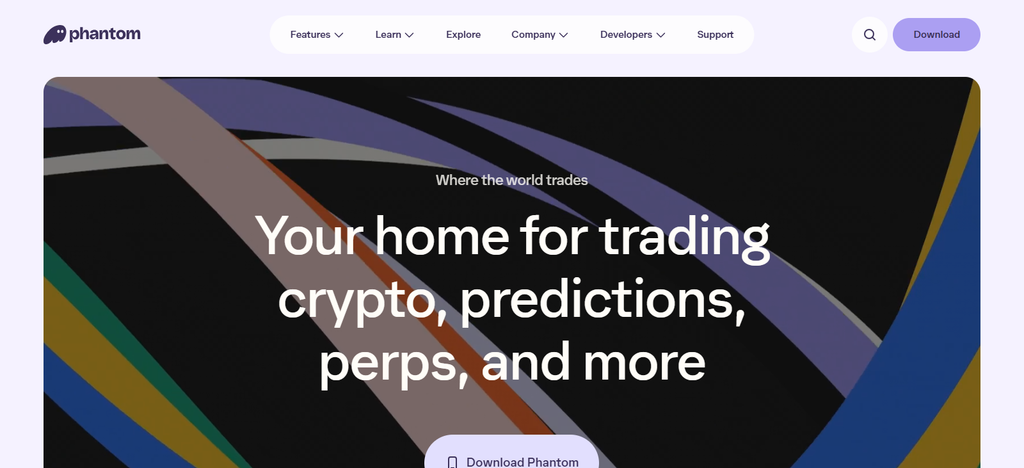
Users can group multiple accounts together and see their supported blockchain balances together. Wallet recovery can be done with a recovery phrase, including wallets generated with supported social login options. Phantom is free to use, but there are network gas fees, bridge fees, and a 0.85 percent fee on most swaps.
Phantom Features, Advantages & Limitations
Features
| Feature | Description |
|---|---|
| Multi-Chain Support | Supports Solana, Ethereum, Bitcoin, Base, and other selected networks. |
| Asset Management | Allows users to manage tokens and supported digital assets. |
| Token Swapping | Provides integrated token swaps and supported cross-chain exchange options. |
| NFT Management | Offers NFT storage, viewing, and management features. |
| Staking | Supports Solana staking through compatible wallet functionality. |
| Security | Includes transaction previews, spam filtering, and phishing protection features. |
Advantages
| Advantages |
|---|
| Excellent user experience for Solana users. |
| Provides a clean and easy-to-use interface. |
| Combines cryptocurrency and NFT management. |
| Supports multiple blockchain ecosystems. |
| Offers integrated swaps and staking functionality. |
Limitations
| Limitations |
|---|
| Some advanced features are more focused on Solana. |
| Cross-chain swaps depend on supported providers and networks. |
| In-app swaps can include additional fees. |
| Some blockchain-specific features are not available across every network. |
3. Rabby Wallet
Established: 2021
Rabby Wallet is a non-custodial cryptocurrency wallet developed by the DeBank team, especially suitable for users managing assets on Ethereum-compatible networks.
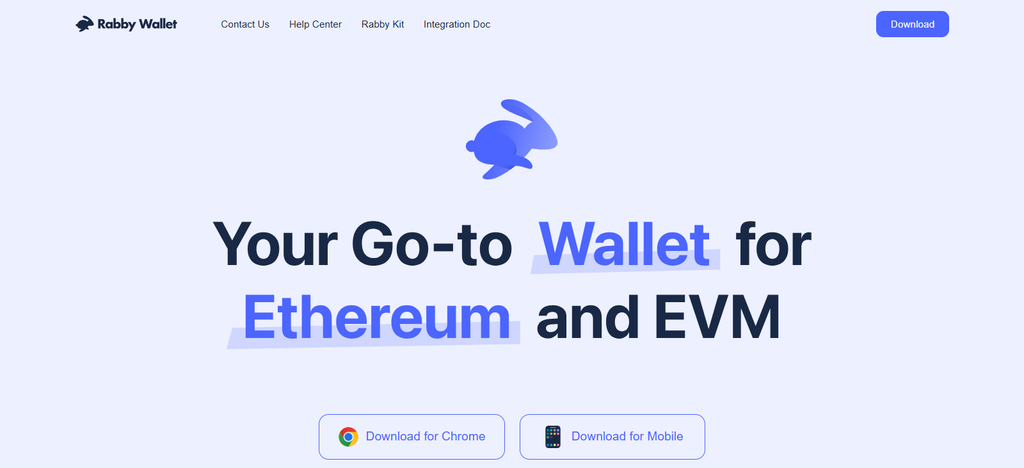
It supports over 100 EVM-compatible blockchains, including Ethereum, Arbitrum, Optimism, Base, Polygon, Avalanche, BNB Chain, and Linea. Its multi-chain asset management system can automatically identify which network the connected decentralized application requires, and show the corresponding token balance.
It also features integrated bridging functionality for cross-chain transfers, as well as access to DeFi applications and token approvals. Hardware wallet compatibility. Use a newly generated or generated elsewhere seed phrase. The wallet is free, though network gas and a built-in swap fee of 0.25% may apply.
Rabby Wallet Features, Advantages & Limitations
Features
| Feature | Description |
|---|---|
| EVM Compatibility | Supports Ethereum and numerous EVM-compatible networks. |
| Automatic Network Switching | Automatically detects the required network when connecting to supported dApps. |
| Transaction Simulation | Previews expected asset and balance changes before transaction approval. |
| DeFi Integration | Provides access to decentralized applications and DeFi platforms. |
| Token Management | Displays supported token balances across connected networks. |
| Hardware Wallet Support | Supports integration with compatible hardware wallets. |
Advantages
| Advantages |
|---|
| Strong compatibility with EVM blockchain networks. |
| Provides transaction simulation before signing. |
| Simplifies network switching across supported dApps. |
| Useful for DeFi users managing multiple blockchain assets. |
| Open-source code provides greater transparency. |
Limitations
| Limitations |
|---|
| Primarily focused on EVM-compatible networks. |
| Not ideal for users who mainly manage native Bitcoin or Solana assets. |
| Advanced DeFi features may be difficult for beginners. |
| Transaction simulation cannot guarantee protection against every malicious contract. |
4. Coinbase Wallet
Established: 2017
Coinbase Wallet is a non-custodial crypto wallet that enables users to hold their digital possessions, connect to decentralized apps and explore Web3 services on multiple blockchain networks. It supports Ethereum-compatible networks including Base, Arbitrum, Optimism, Polygon, Avalanche, and BNB Chain, while eligible wallet types also support Bitcoin and Solana.
Multi-chain asset management features include multiple wallet accounts, token balances, NFTs and access to decentralized applications. Cross-chain transactions are not automatic transfers between each network, but rather rely on supported swap and bridge integrations.
Wallet type offers various recovery options, such as recovery phrases or eligible passkeys, and social recovery methods. The wallet is free, but you may have to pay gas and third-party service fees.
Coinbase Wallet Features, Advantages & Limitations
Features
| Feature | Description |
|---|---|
| Multi-Chain Support | Supports Ethereum, Base, Bitcoin, Solana, and selected additional networks. |
| Asset Management | Allows users to manage tokens, NFTs, and multiple wallet accounts. |
| dApp Connectivity | Provides access to decentralized applications and Web3 services. |
| Token Swaps | Offers integrated swapping for supported cryptocurrencies. |
| Recovery Options | Supports recovery phrases and eligible alternative recovery methods. |
| Hardware Integration | Supports compatible hardware wallet connections through supported interfaces. |
Advantages
| Advantages |
|---|
| Easy-to-understand interface for beginners. |
| Provides access to multiple blockchain ecosystems. |
| Offers convenient access to Base ecosystem applications. |
| Supports cryptocurrency and NFT management. |
| Provides self-custody separately from the Coinbase exchange account. |
Limitations
| Limitations |
|---|
| Supported networks are fewer than some broader multi-chain wallets. |
| Some features depend on the wallet version and network. |
| Integrated swaps may involve service fees. |
| Advanced DeFi management options may be limited compared with specialized wallets. |
5. OKX Wallet
Established: 2019
OKX Wallet is a non-custodial, multi-chain crypto wallet that lets users centrally manage their assets across different blockchain ecosystems. It supports more than 80 blockchain networks including Bitcoin, Ethereum, Solana, BNB Chain, Polygon, Avalanche, TRON and Arbitrum.
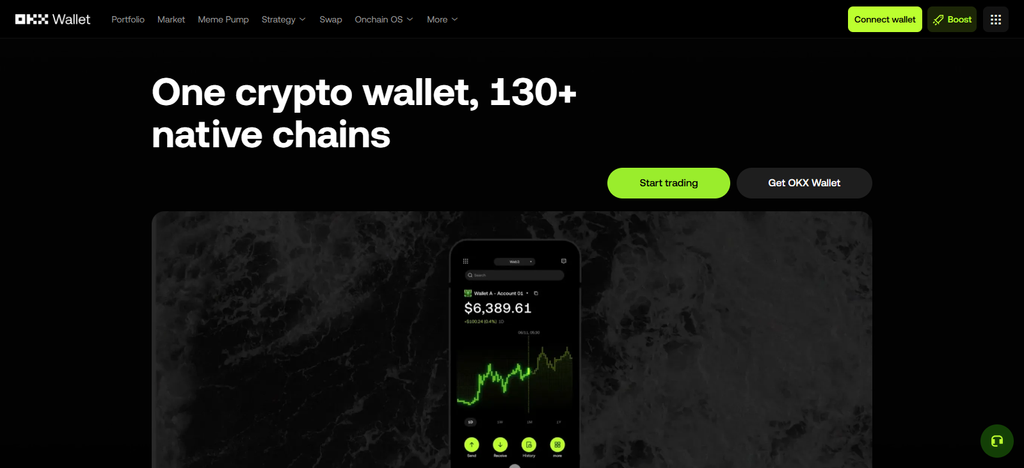
Thanks to its multi-chain asset management, users can see their balances, manage multiple seed phrases, transfer tokens and access decentralized applications without manually switching networks in many supported integrations.
Cross-chain features such as integrated decentralized exchanges, token swaps, and bridging services. Users can restore access to their wallet using their secret recovery phrase and compatible imported wallet credentials. The app is free to use, but network gas, swap and third party bridge fees may apply.
OKX Wallet Features, Advantages & Limitations
Features
| Feature | Description |
|---|---|
| Multi-Chain Coverage | Supports a broad selection of blockchain networks, including EVM and non-EVM ecosystems. |
| Portfolio Management | Allows users to monitor assets across supported blockchain networks. |
| Cross-Chain Swaps | Provides access to integrated swap and bridge services. |
| NFT Marketplace | Supports NFT viewing, management, and marketplace access. |
| DeFi Access | Connects users with decentralized applications and DeFi services. |
| Wallet Security | Provides self-custody, recovery phrase management, and supported smart-wallet features. |
Advantages
| Advantages |
|---|
| Offers extensive blockchain network compatibility. |
| Combines swaps, bridges, and portfolio management. |
| Supports multiple crypto asset ecosystems. |
| Provides access to Web3 and DeFi applications. |
| Offers an integrated interface for managing different digital assets. |
Limitations
| Limitations |
|---|
| Its extensive features can make the interface overwhelming. |
| Some services may have regional restrictions. |
| Cross-chain transactions depend on third-party providers and supported routes. |
| Swap and bridge transactions can involve additional costs. |
6. Exodus
Year Founded: 2015
Exodus is a self-custodial cryptocurrency wallet for managing digital currencies on desktop, mobile, and supported hardware wallets. It supports more than 50 crypto networks such as Bitcoin, Ethereum, Solana and other popular blockchain ecosystems, as well as tokens on supported networks.
The multi-chain asset management dashboard provides users with the ability to view portfolio balances, transaction history and supported cryptocurrencies from a single interface. Exchange function allows to exchange selected assets without the need of manual use of separate trading platforms.
Users can maintain control of their private keys and recover their wallets using a 12-word secret recovery phrase. Exodus is free to download, but there may be additional costs such as network transaction fees, exchange spreads, and third party service fees.
Exodus Features, Advantages & Limitations
Features
| Feature | Description |
|---|---|
| Multi-Chain Asset Support | Supports multiple blockchain networks and hundreds of digital assets. |
| Portfolio Dashboard | Displays cryptocurrency balances and portfolio performance. |
| Built-in Exchange | Allows users to swap supported cryptocurrencies. |
| Staking | Provides staking options for selected digital assets. |
| Multiple Devices | Available across desktop and mobile platforms. |
| Hardware Compatibility | Supports compatible hardware wallet integrations. |
Advantages
| Advantages |
|---|
| Simple and visually appealing interface. |
| Provides desktop and mobile asset management. |
| Offers portfolio tracking in one dashboard. |
| Includes built-in cryptocurrency exchange functionality. |
| Supports selected staking and hardware wallet features. |
Limitations
| Limitations |
|---|
| Not all supported assets offer the same features. |
| Exchange spreads can increase transaction costs. |
| Some advanced DeFi integrations are limited. |
| Certain application components are not fully open source. |
7. Guarda Wallet
Year Founded: 2017
Guarda Wallet is a non-custodial crypto wallet that enables users to store, send, exchange and manage digital currencies across multiple blockchain networks. It supports more than 70 blockchain networks and over 1 million digital currencies including Bitcoin, Ethereum, Litecoin, XRP, Zcash and various Ethereum based tokens.
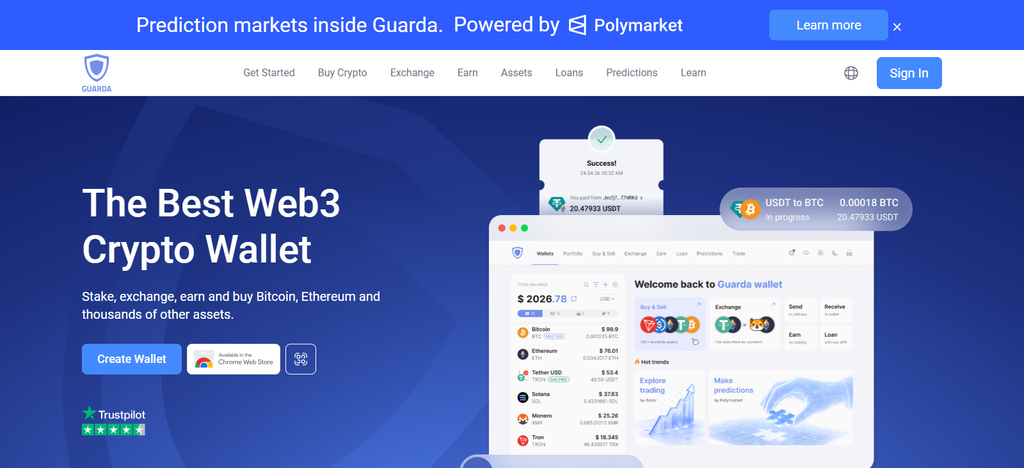
Its multi-chain asset management capabilities include access to portfolios through mobile, desktop and web applications, which let users see different cryptocurrency holdings within one account environment.
For supported cryptocurrency pairs, cross-chain asset exchanges can be done using integrated exchange services. Recovery is dependent on safe storage of your wallet backup info and private keys. Guarda is free to download but may be subject to network gas, exchange provider fees and cryptocurrency purchase charges.
Guarda Wallet Features, Advantages & Limitations
Features
| Feature | Description |
|---|---|
| Blockchain Coverage | Supports multiple blockchain networks and digital assets. |
| Multi-Platform Access | Available through web, desktop, and mobile applications. |
| Asset Management | Allows users to store, receive, send, and monitor cryptocurrencies. |
| Integrated Exchange | Provides cryptocurrency exchange services for supported assets. |
| Staking | Offers staking opportunities for selected cryptocurrencies. |
| Backup and Recovery | Provides wallet backup and private key recovery options. |
Advantages
| Advantages |
|---|
| Provides access through multiple device platforms. |
| Supports a broad range of cryptocurrencies. |
| Includes integrated exchange functionality. |
| Offers staking for selected digital assets. |
| Provides self-custodial asset management. |
Limitations
| Limitations |
|---|
| Some advanced features are available only for selected assets. |
| Exchange services can involve provider spreads and additional fees. |
| The interface may feel complex to first-time users. |
| Network support and transaction options vary by cryptocurrency. |
8. Safe (ex Gnosis Safe)
Established: 2018
Safe (formerly Gnosis Safe) is a smart contract wallet and a multi-signature asset management platform for individuals, businesses, DAOs and organizations managing shared cryptocurrency funds. It supports Ethereum and other EVM-compatible blockchain networks such as the major Layer 2 ecosystems.
With multi-chain asset management capabilities, users can create distinct smart accounts, control treasury holdings, and arrange transactions across supported networks. Compatible apps and integrations allow for cross-chain transfers and DeFi interactions. Safe is not dependent on a single recovery phrase, but rather multiple authorized signers and configurable approval thresholds, e.g. two-of-three signatures.
Users pay blockchain gas and where applicable smart-account deployment costs. Integrated services may also charge additional fees.
Safe (Formerly Gnosis Safe) Features, Advantages & Limitations
Features
| Feature | Description |
|---|---|
| Multi-Signature Security | Requires multiple authorized signers to approve configured transactions. |
| Smart Account Management | Uses smart contracts to manage cryptocurrency assets. |
| Multi-Chain Support | Supports Ethereum and selected EVM-compatible networks. |
| Transaction Approval | Allows teams to configure transaction approval thresholds. |
| Treasury Management | Helps organizations and DAOs manage shared digital assets. |
| App Integrations | Connects with compatible DeFi applications and Web3 services. |
Advantages
| Advantages |
|---|
| Provides multi-signature transaction protection. |
| Suitable for DAO and organizational treasury management. |
| Allows customizable transaction approval requirements. |
| Supports shared control of digital assets. |
| Provides smart-contract-based account functionality. |
Limitations
| Limitations |
|---|
| Initial setup can be complicated for beginners. |
| Multiple signers can slow down transaction approvals. |
| Smart-account deployment may involve network gas costs. |
| Recovery depends on signer availability and account configuration. |
9. Ledger Live
Founded: 2018 (Year Ledger Live Went Live)
Ledger Live is a software application for cryptocurrency management . It is now a part of the Ledger Wallet software ecosystem and is designed to work with Ledger hardware wallets . It supports multiple blockchain networks and digital currencies like Bitcoin, Ethereum, XRP, and many other supported tokens.
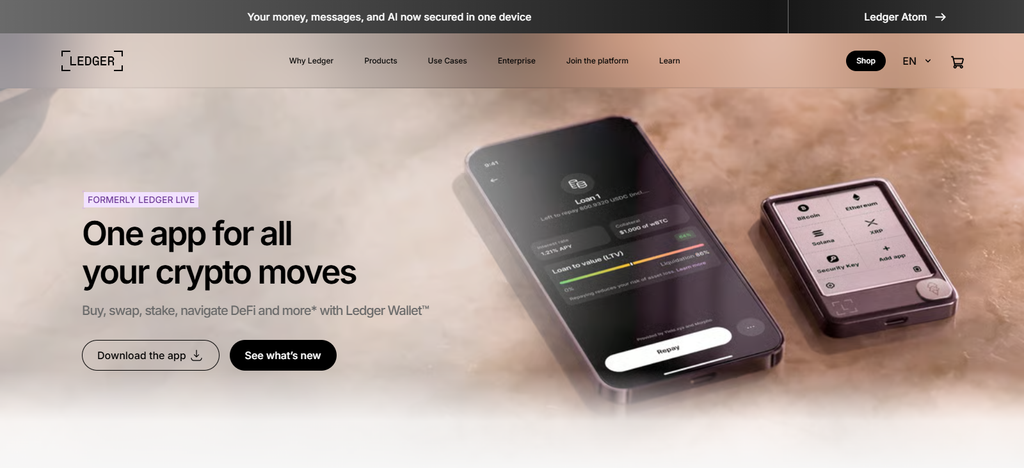
Its multi-chain asset management dashboard enables users to view portfolio balances, receive crypto, send transactions and manage different accounts in one application. Cross-chain asset swaps are provided by third-party providers and are integrated subject to the supported assets and paths.
You recover using the recovery phrase of the Ledger device, which you should securely back up if you want to recover your access. The software is free but hardware devices, network gas and third party swap or purchase fees can cost.
Ledger Live Features, Advantages & Limitations
Features
| Feature | Description |
|---|---|
| Multi-Chain Management | Supports management of multiple cryptocurrencies through compatible Ledger devices. |
| Portfolio Tracking | Displays supported asset balances and portfolio performance. |
| Hardware Wallet Integration | Connects with Ledger hardware devices for transaction signing. |
| Token Management | Allows users to manage supported coins and tokens. |
| Crypto Swapping | Provides access to integrated third-party exchange services. |
| Recovery and Backup | Uses a recovery phrase to restore access through a compatible Ledger device. |
Advantages
| Advantages |
|---|
| Combines hardware-based security with portfolio management. |
| Supports multiple blockchain ecosystems. |
| Keeps private keys protected within the compatible hardware device. |
| Provides portfolio monitoring and transaction management. |
| Offers access to integrated cryptocurrency services. |
Limitations
| Limitations |
|---|
| Full hardware wallet functionality requires a compatible Ledger device. |
| Purchasing hardware adds an initial cost. |
| Some assets require separate applications or specific integrations. |
| Third-party swap services may involve additional fees and spreads. |
Comparison Table: 9 Best Multi-Chain Crypto Wallets in 2026
| Wallet | Founded | Blockchain Coverage | Key Feature | Security | Best For |
|---|---|---|---|---|---|
| Trust Wallet | 2017 | 100+ networks | Multi-chain asset management | Self-custody | Beginners and multi-chain users |
| Phantom | 2021 | Solana, Ethereum, Bitcoin, Base and others | Token and NFT management | Self-custody | Solana and NFT users |
| Rabby Wallet | 2021 | 100+ EVM networks | Transaction simulation | Self-custody | DeFi users |
| Coinbase Wallet | 2017 | Ethereum, Base, Bitcoin, Solana and others | dApp connectivity | Self-custody | Web3 beginners |
| OKX Wallet | 2019 | 80+ networks | Integrated swaps and bridges | Self-custody | Cross-chain asset management |
| Exodus | 2015 | 50+ networks | Portfolio dashboard | Self-custody | Desktop and mobile users |
| Guarda Wallet | 2017 | 70+ networks | Multi-platform access | Self-custody | Multi-asset management |
| Safe | 2018 | Ethereum and selected EVM networks | Multi-signature security | Smart-contract security | DAOs and organizations |
| Ledger Live | 2018 | Multiple supported networks | Hardware wallet integration | Ledger hardware security | Long-term asset protection |
Fees and Asset Management Comparison
| Wallet | Cross-Chain Swaps | Recovery and Backup | Fees and Costs |
|---|---|---|---|
| Trust Wallet | Supported integrations | Recovery phrase | Network and swap fees |
| Phantom | Supported bridge integrations | Recovery phrase and eligible recovery options | Gas and swap fees |
| Rabby Wallet | Integrated bridge services | Recovery phrase | Gas and swap fees |
| Coinbase Wallet | Supported third-party integrations | Recovery phrase and eligible alternative methods | Network and service fees |
| OKX Wallet | Integrated swap and bridge services | Recovery phrase | Gas, swap, and bridge fees |
| Exodus | Selected exchange integrations | 12-word recovery phrase | Network fees and exchange spreads |
| Guarda Wallet | Supported exchange services | Wallet backup and private keys | Network and exchange fees |
| Safe | Compatible cross-chain integrations | Multiple signers and configured recovery | Gas and deployment costs |
| Ledger Live | Third-party exchange integrations | Ledger recovery phrase | Hardware purchase, gas, and service fees |
Conclusion
Multi-chain crypto wallets simplify the management of your digital possessions across different blockchain networks, without the need to use multiple different apps. Wallets such as Trust Wallet, Phantom, Rabby, Coinbase Wallet, OKX Wallet and Exodus provide simple asset management, token swapping and Web3 access. Safe and Ledger Live are other security-focused management options.
Before choosing a wallet, users should compare the supported blockchains, cross-chain transfer capabilities, recovery options, private key control and transaction costs. The best multi-chain wallet will depend on the user’s security needs, investment habits and the number of blockchain networks they are consistently active on.
FAQ
What is a multi-chain crypto wallet?
A multi-chain crypto wallet allows users to store, send, receive, and manage cryptocurrencies across multiple blockchain networks through one application or interface.
Which crypto wallet supports multiple blockchains?
Trust Wallet, OKX Wallet, Phantom, Coinbase Wallet, and Exodus support multiple blockchain networks. Their network coverage and supported assets differ.
What is the difference between multi-chain and cross-chain wallets?
Multi-chain wallets support assets on multiple blockchain networks, while cross-chain functionality enables users to transfer or swap assets between different networks through supported bridges or services.
Are multi-chain crypto wallets safe to use?
Multi-chain wallets can provide strong security through private key control, recovery phrases, hardware wallet compatibility, and transaction protection. However, users must protect their recovery information and verify transactions.
Can I manage Bitcoin and Ethereum in one wallet?
Yes. Wallets such as Trust Wallet, OKX Wallet, Exodus, and Ledger Live support Bitcoin and Ethereum asset management, subject to their supported account and network configurations.