

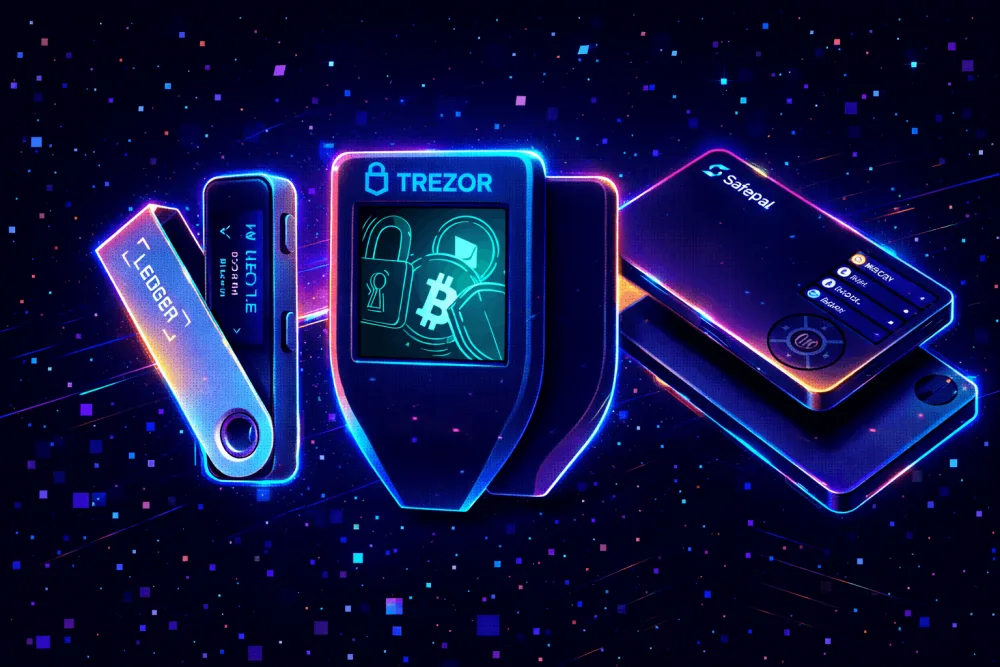
In this article, I will discuss the Best Crypto Wallets With Passkey Authentication. Passkey-enabled wallets such as Coinbase Wallet’s Base Smart Wallet, Walllet.com, Custonomy, Soul Wallet, Crypto.com Onchain, etc. Discover how passkeys improve security, remove seed-phrase friction, allow multichain access, handle private keys, cover gas fees, and simplify wallet recovery for both novice and experienced crypto users.
What Is Crypto Wallets With Passkey Authentication?
Crypto wallets with passkey authentication are digital wallets that let users access, manage, and sign crypto transactions using a passkey instead of solely a password or a manually written seed phrase. A passkey is a WebAuthn/FIDO2 credential stored in the secure hardware of a phone or computer and unlocked with Face ID, a fingerprint or device PIN.
The device can prove ownership of the cryptographic credential without exposing the private key by having the user approve a transaction, which makes the process more resistant to phishing and credential theft. These wallets can use smart-contract accounts, MPC key splitting, or device-based key storage to eliminate or reduce the need for a traditional 12- or 24-word recovery phrase.
But users still need a solid way to recover, since losing both the device and the passkey backup could make it hard to get back into the wallet. Passkeys make things easier and safer, but they won’t completely remove the blockchain gas fees or the need for solid backups.
Key Points
| Wallet | Key Point |
|---|---|
| Coinbase Wallet (Base Smart Wallet) | Supports passkey-based wallet access using Face ID, Touch ID, device biometrics, or PIN, enabling passwordless and seedless smart wallet authentication. |
| Passkeys Wallet | Built specifically around passkey technology, offering device-based authentication, biometric login, multi-chain support, and non-custodial wallet security. |
| OKX Wallet | Allows users to create and verify passkeys through Face ID, fingerprint authentication, device PINs, and FIDO2 security keys for secure wallet access. |
| Crypto.com Wallet/App | Supports passkeys for wallet-related authentication, withdrawals, and account verification, replacing SMS OTPs and traditional 2FA in many cases. |
| Binance Wallet | Integrates passkey authentication through biometrics, iCloud Keychain, Google Password Manager, and hardware security keys for wallet and account protection. |
| Bitget Wallet | Offers passkey-enabled authentication with fingerprint, Face ID, PIN verification, and support for secure passwordless login flows. |
| Walllet.com | A seedless self-custody wallet that uses passkeys and device biometrics instead of traditional recovery phrases for wallet access. |
| Soul Wallet | Implements WebAuthn and passkey-based account abstraction technology, combining biometric authentication with smart-contract wallet security. |
| Custonomy Wallet | Focuses on passkey-enabled Web3 wallet infrastructure, allowing users to secure wallets using modern passwordless authentication standards. |
| Sertexity Wallet | Provides instant authentication technology and passkey-style user access designed to simplify secure crypto-wallet onboarding. |
1. Coinbase Wallet (Base Smart Wallet)
Coinbase Wallet’s Base Smart Wallet implements passkey authentication via a device, iCloud, Google account or hardware key, so users are able to sign transactions without having to manually manage a seed phrase.
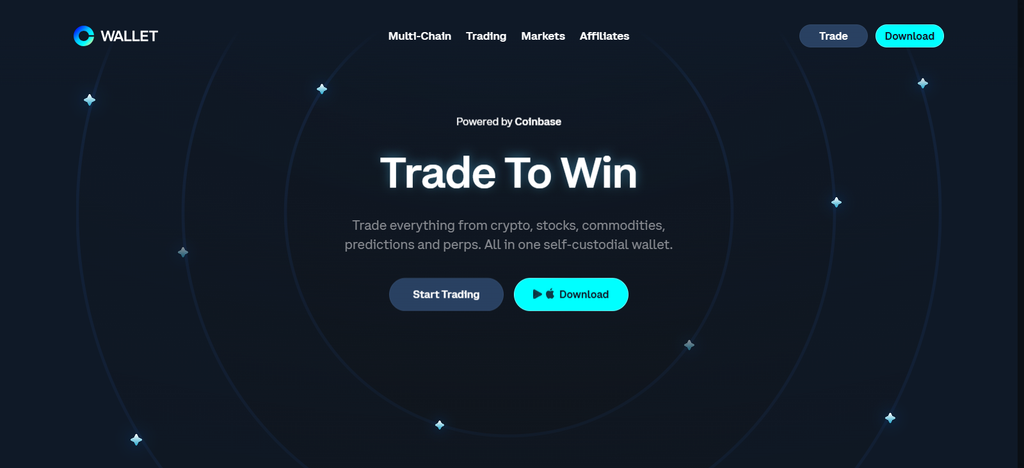
The fees are mainly the blockchain gas which varies from network to network. Cheap networks like Base , Arbitrum , Optimism , Polygon and others are usually cheaper compared to Ethereum Mainnet but the gas for smart-contract operations can be more expensive. Self custody and wallet control are maintained by users via their passkey signer.
It supports Ethereum and other major EVM chains such as Base, Optimism, Arbitrum, Polygon, Zora, BNB Chain and Avalanche. Passkey-based private-key management with optional recovery keys. A Smart Wallet created with a passkey does not need a seed phrase, but a standard Coinbase Wallet might use a 12-word phrase.
| Feature | Details |
|---|---|
| Passkey Authentication | Uses passkeys through a device, iCloud, Google account, or hardware security key for wallet access and transaction signing. |
| Fees and Pricing | Mainly blockchain gas fees; smart-contract actions may cost more gas, while Base and other low-fee networks reduce costs. |
| Account Ownership | Self-custodial; the user controls the wallet through their passkey signer. |
| Supported Blockchains | Ethereum, Base, Optimism, Arbitrum, Polygon, Zora, BNB Chain, and Avalanche C-Chain. |
| Private Key Management | Passkey-based signing with optional recovery keys; signer changes can require gas. |
| Seed Phrase Requirement | Not required for a passkey-created Smart Wallet; a conventional Coinbase Wallet may use a 12-word phrase. |
| Best For | Users who want simple, passkey-based access to EVM networks and low-cost Base activity. |
2. Passkeys Wallet
A Passkeys Wallet uses FIDO/WebAuthn credentials — Face ID, fingerprint, device pin or hardware security key — to identify users and authorize transactions. Instead of entering a seed phrase, the user signs in with a cryptographic passkey stored in the device secure enclave or a cloud credential manager such as iCloud Keychain or Google Password Manager.
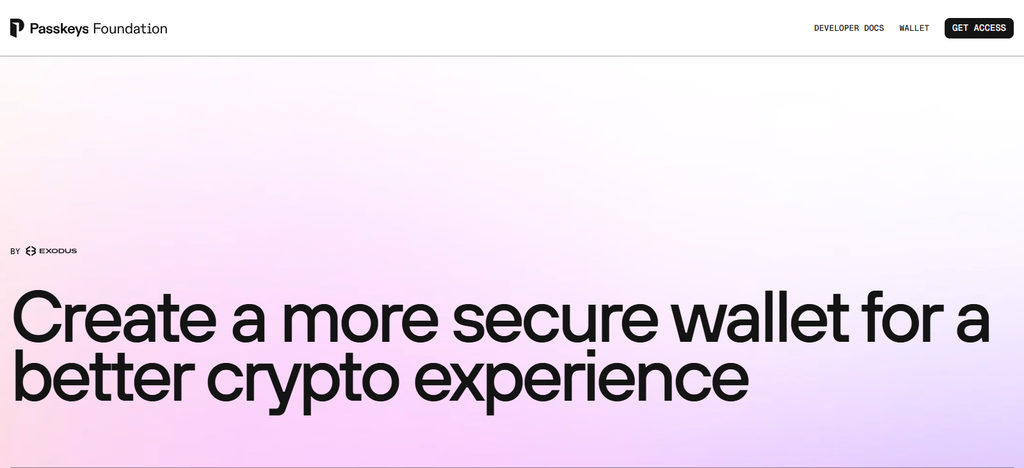
Fees are still network gas fees, though account abstraction may allow for gas sponsorship or payment in ERC-20 tokens for flows supported. Account ownership is typically self-custodial, as the passkey controls the signing authority of the wallet.
Commonly supported chains are Ethereum , Base , Arbitrum , Optimism , Polygon , BNB Chain , Avalanche . Private keys are stored locally or with secure credential infrastructure and seed phrase is usually not needed but passkey backup is critical for recovery.
| Feature | Details |
|---|---|
| Passkey Authentication | Uses Face ID, fingerprint, device PIN, or hardware security keys to sign in and authorize transactions. |
| Fees and Pricing | Network gas fees apply; account abstraction may enable gas sponsorship or payment using ERC-20 tokens. |
| Account Ownership | Usually self-custodial, with the passkey controlling the wallet’s signing authority. |
| Supported Blockchains | Commonly Ethereum, Base, Arbitrum, Optimism, Polygon, BNB Chain, and Avalanche; support varies by provider. |
| Private Key Management | Keys are protected in the device secure enclave or cloud credential manager, with the passkey used for authorization. |
| Seed Phrase Requirement | Normally not required, but passkey and cloud backup are essential for recovery. |
| Best For | Users who want passwordless, seedless access without managing a written recovery phrase. |
3. OKX Wallet
OKX Wallet is a non-custodial Web3 wallet, meaning users have full ownership of their assets and private keys. It uses a BIP-39 seed phrase (usually 12 or 24 words) to generate wallet addresses and private keys on multiple blockchains.
Passkey authentication is not the default core recovery model for OKX Wallet, and users need to secure and back up their seed phrase themselves. The fees cover gas for blockchain network transfers, swaps and contract interactions.
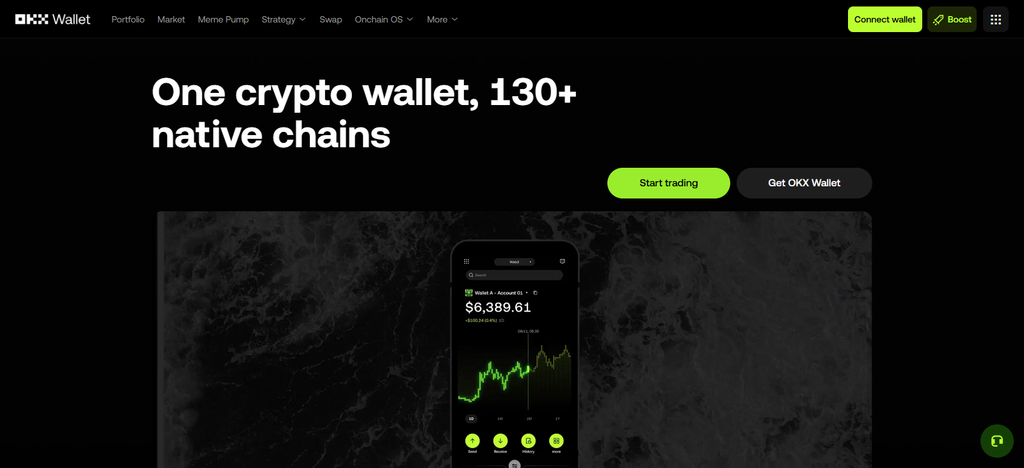
The fees vary depending on network congestion and the chain used. OKX Wallet supports over 80 networks including Bitcoin, Ethereum, Solana, BNB Chain, Polygon, Avalanche, Tron and Arbitrum. ** Seed phrase required ** Traditional self-custody is private-key management .
If you don’t have any other backup, lose your seed phrase and you can lose access to your funds forever .
| Feature | Details |
|---|---|
| Passkey Authentication | Standard OKX Wallet is primarily seed-phrase based rather than passkey-first. |
| Fees and Pricing | Users pay blockchain network gas for transfers, swaps, and contract interactions; costs vary by network and congestion. |
| Account Ownership | Fully non-custodial; users control their private keys and assets. |
| Supported Blockchains | Supports more than 80 networks, including Bitcoin, Ethereum, Solana, BNB Chain, Polygon, Avalanche, Tron, and Arbitrum. |
| Private Key Management | Uses a seed phrase to derive private keys and addresses across multiple chains. |
| Seed Phrase Requirement | Required; users must back up the seed phrase securely and privately. |
| Best For | Experienced users who want broad multichain access and conventional self-custody. |
4. Crypto.com Wallet/App
Crypto.com’s Onchain Wallet is a non-custodial wallet, giving users direct access to their crypto assets and transactions. It supports sign-in and recovery via a Google account, Apple account or passkey, making onboarding easier than a seed-phrase-only wallet.
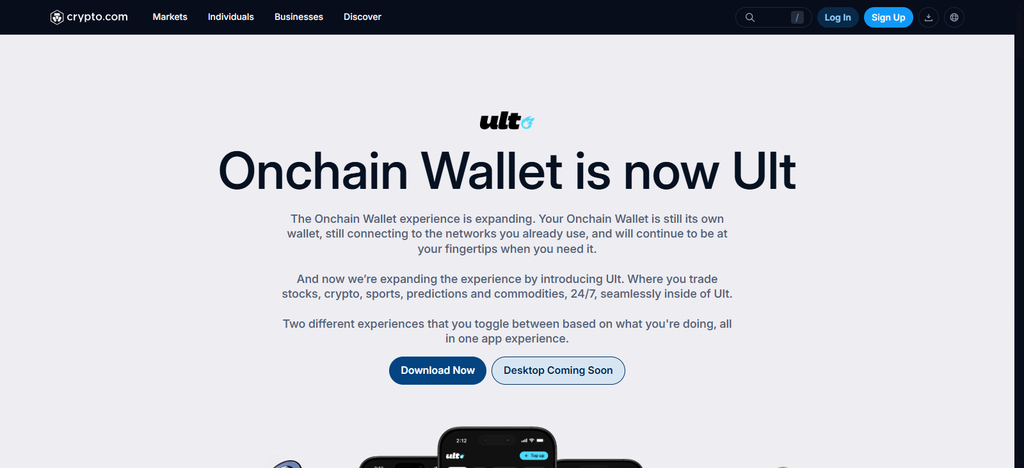
But it still depends on a recovery phrase (usually 12, 18 or 24 words) called BIP-39 to be the master key for generating private keys and addresses. *Fees are network gas fees set by the blockchain and network traffic.
Crypto.com does not charge the network fee itself, however separate service fees may apply to certain in-app functions. It supports Ethereum, Bitcoin, Solana, Cronos and other networks and has automatic network discovery. Private-key management is compliant with the BIP-39 standard and requires a seed phrase for complete recovery and self-custody.
| Feature | Details |
|---|---|
| Passkey Authentication | Supports passkeys, Google sign-in, and Apple sign-in for easier wallet access and recovery. |
| Fees and Pricing | Network gas fees apply; Crypto.com does not charge the network fee itself, though separate service fees may apply to some functions. |
| Account Ownership | Non-custodial; users control their crypto assets and transactions. |
| Supported Blockchains | Ethereum, Bitcoin, Solana, Cronos, and other supported networks with automatic network detection. |
| Private Key Management | Uses a BIP-39 recovery phrase as the master key for generating private keys and addresses. |
| Seed Phrase Requirement | Required for full recovery and self-custody, even when passkey or social sign-in is used. |
| Best For | Users who want convenient sign-in options while retaining a traditional seed-phrase recovery model. |
5. Binance wallet
Binance Wallet is a non-custodial Web3 wallet by Binance based on MPC technology, instead of a traditional seed-phrase system. It divides the private key into three key shares that are stored separately, which decreases the risk that one lost credential or phrase will compromise the wallet.
Users do own their assets, but access and recovery is based on an MPC key-share structure instead of a manually written recovery phrase.
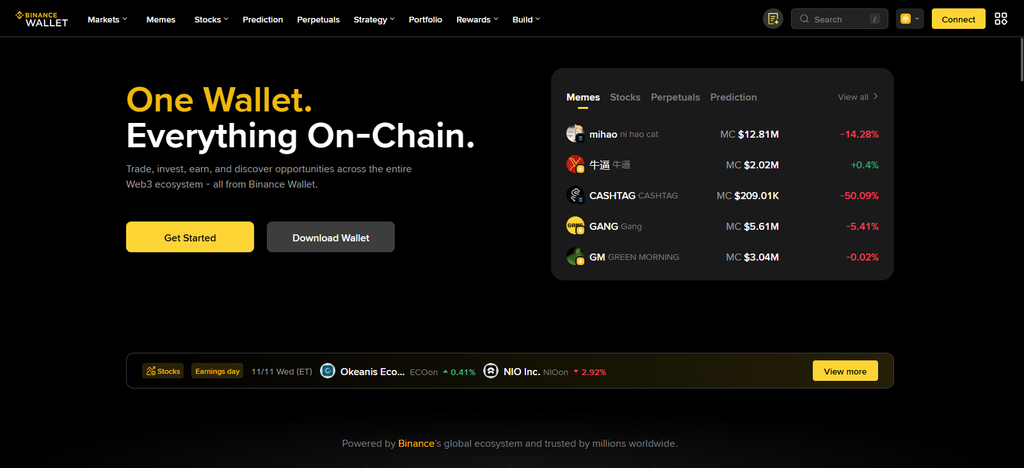
The fees are mainly the blockchain gas fees which depend on the chain and network activity. Swap, bridge or trade functions may also incur service related charges. Binance Wallet is compatible with EVM chains, Bitcoin, Solana, Sui, Cosmos, Aptos, TON, Tron, and over 60 blockchains in total, such as Ethereum, BNB Smart Chain, Polygon, and Arbitrum.
The standard Binance Wallet does not need a seed phrase but users need to secure their device, method of authentication and recovery process.
| Feature | Details |
|---|---|
| Passkey Authentication | Uses device-based authentication and MPC security rather than a conventional seed-phrase system. |
| Fees and Pricing | Primarily blockchain gas fees; swaps, bridges, or trading functions may include additional service charges. |
| Account Ownership | Non-custodial; users retain ownership of assets, while MPC protects key access. |
| Supported Blockchains | Supports EVM chains, Bitcoin, Solana, Sui, Cosmos, Aptos, TON, Tron, and more than 60 blockchains. |
| Private Key Management | MPC splits the private key into three key shares stored separately, avoiding a single point of failure. |
| Seed Phrase Requirement | Not required for the standard Binance Wallet; users must protect their device and recovery process instead. |
| Best For | Users who want broad multichain access without managing a traditional seed phrase. |
6. Bitget wallet
Bitget Wallet is a Web3 self-custody wallet that uses the traditional seed phrase model to create and recover the wallet. When a user creates a seed-phrase wallet, they are asked to backup the wallet immediately, as the seed phrase controls recovery and access to the wallet’s derived private keys.
The user is the full owner of the account, and Bitget does not possess the seed phrase or private keys. Fees also include on-chain gas, which depends on the blockchain and the complexity of the transaction.
There may be a small foreign-exchange or gas fee for swaps or cross-chain transactions. Bitget Wallet is a multichain Web3 interface with support for many networks and tokens. Managing private keys is old school.
Private keys are generated and secured from the seed phrase. Seed phrase is required and should be stored offline and never shared with support staff, websites or unknown parties.
| Feature | Details |
|---|---|
| Passkey Authentication | Primarily uses a conventional seed-phrase wallet model rather than passkey-first access. |
| Fees and Pricing | On-chain gas applies to all transactions; swaps or cross-chain actions may include a minor foreign-exchange or gas-related fee. |
| Account Ownership | Fully self-custodial; the user controls the seed phrase and derived private keys. |
| Supported Blockchains | Supports a broad range of networks and tokens through its multichain Web3 interface. |
| Private Key Management | Traditional seed-phrase-based key generation and recovery. |
| Seed Phrase Requirement | Required; Bitget instructs users to back up the seed phrase immediately after wallet creation. |
| Best For | Users who prefer a familiar seed-phrase wallet with multichain Web3 access. |
7. Wallet.com
Walllet.com is a passkey smart-contract wallet, built on account abstraction, and is seedless. It creates, fetches and recovers the wallet using FIDO passkeys protected by Face ID, fingerprint, device PIN, iCloud Keychain, Google Password Manager or Samsung Pass.
The company says that cryptographic credentials are encrypted on the user’s device or credential manager rather than on Walllet servers, supporting a self-custody-oriented model. Fees are network gas fees, but Walllet aims to reduce the need for native gas tokens by enabling users to pay fees with tokens they already own and by leveraging paymaster-based sponsorship on supported flows.
It supports major EVM and non-EVM networks including Ethereum, BNB Chain, Arbitrum, Polygon, Optimism, Base, Avalanche, Solana, TON and Sui. Private keys are specific to the device so there is no seed phrase to worry about . But passkey and cloud backup availability is crucial for recovery .
| Feature | Details |
|---|---|
| Passkey Authentication | Uses FIDO passkeys protected by Face ID, fingerprint, device PIN, iCloud Keychain, Google Password Manager, or Samsung Pass. |
| Fees and Pricing | Network gas fees apply, but users may pay with tokens they already hold or benefit from paymaster-sponsored gas on supported flows. |
| Account Ownership | Self-custody-oriented; cryptographic credentials remain encrypted on the user’s device or credential manager. |
| Supported Blockchains | Ethereum, BNB Chain, Arbitrum, Polygon, Optimism, Base, Avalanche, Solana, TON, and Sui. |
| Private Key Management | Passkey- and device-oriented; keys do not leave the device according to the App Store listing. |
| Seed Phrase Requirement | Not required; recovery depends on the user’s passkey, device, and cloud credential backup. |
| Best For | Beginners and everyday users who want seedless onboarding and flexible gas payment. |
8. Soul Wallet
Soul Wallet is an account-abstraction smart wallet that aims to improve Ethereum-style self-custody with programmable and social-recovery features. Instead of relying solely on a written seed phrase, users can set up authorized signers, guardians or recovery paths within the smart-account framework.
The account is self-custodial as the user has complete control over the signer configuration and smart-contract settings of the wallet. Fees are Ethereum-style gas fees, dependent on network demand and the complexity of the transaction; changing owners, enabling recovery or updating wallet settings might cost more gas than a basic transfer. Soul Wallet is primarily supported on the Ethereum and EVM-compatible networks.
The private-key management is based on the configured signer, which can be a passkey, device key or recovery signer. A seed phrase is not always required, but whatever authorized recovery path exists must be protected, because if you lose all access methods you can permanently lose control of your wallet.
| Feature | Details |
|---|---|
| Passkey Authentication | Can support passkeys or other signer credentials, depending on the wallet configuration. |
| Fees and Pricing | Ethereum-style gas fees apply; recovery, owner changes, and wallet configuration may require additional gas. |
| Account Ownership | Self-custodial; the user controls the smart-account configuration and authorized signers. |
| Supported Blockchains | Primarily Ethereum and EVM-compatible networks that support account abstraction. |
| Private Key Management | Uses signer credentials, which may include a passkey, device key, or recovery signer. |
| Seed Phrase Requirement | Not necessarily required; social recovery and smart-account recovery paths can replace a single seed phrase. |
| Best For | Users who want programmable recovery and account-abstraction features on Ethereum-based networks. |
9. Custonomy Wallet
Custonomy is not a traditional consumer-only wallet, but rather offers embedded, non-custodial MPC wallet infrastructure for Web3 applications. Its Web3asy product allows users to create wallets using social login and passkeys, and MPC splits key material so that no single party holds a full private key. That means end users don’t have to directly manage a private key or seed phrase.
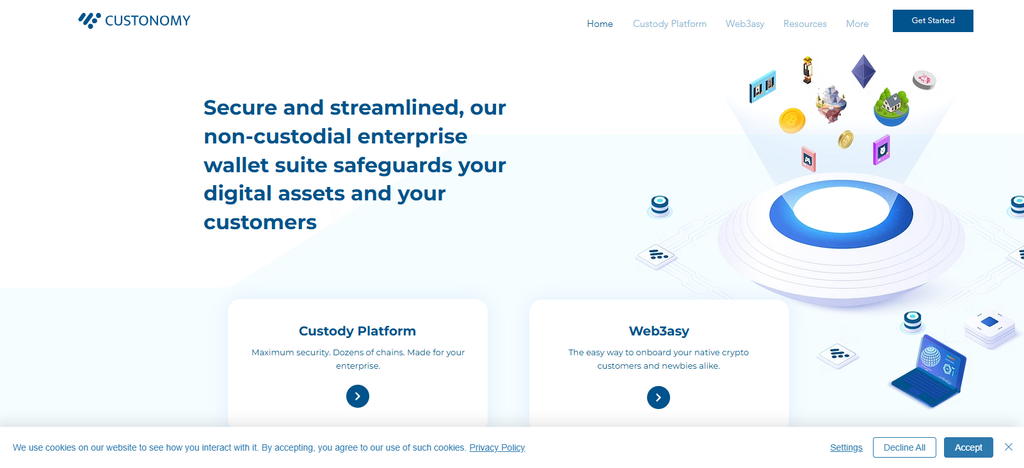
Fees are dependent on the deployment, users pay for blockchain gas in a standard flow and projects can sponsor transaction gas so users do not need to have native gas tokens before using an application.
Custonomy is compatible with multiple blockchains and token types, with materials that reference Ethereum, Arbitrum, Polygon, BNB Smart Chain, Fantom, Solana and wider multichain support. Account ownership is non-custodial, but practical recovery is dependent on the application’s implementation and Custonomy’s key-share configuration. No seed phrase required for the MPC/passkey flow.
| Feature | Details |
|---|---|
| Passkey Authentication | Supports passkeys and social login for passwordless wallet creation and access. |
| Fees and Pricing | Users may pay gas, or projects can sponsor transaction fees so end users do not need native gas tokens. |
| Account Ownership | Non-custodial embedded wallet infrastructure; practical ownership depends on the application’s implementation. |
| Supported Blockchains | Supports Ethereum, Arbitrum, Polygon, BNB Smart Chain, Fantom, Solana, and broader multichain compatibility. |
| Private Key Management | Uses MPC to split key material, ensuring no single party holds a complete private key. |
| Seed Phrase Requirement | Not required in the MPC/passkey flow. |
| Best For | Businesses and Web3 projects that want embedded, user-friendly wallets with sponsored gas and MPC security. |
10. Sertexity Wallet
Sertexity Wallet is not a passkey-based smart wallet but mainly a hardware cold-storage wallet. It supports Bitcoin, Ethereum, Solana, Litecoin, ERC-20 tokens, and BEP-20 tokens, and access is protected by a personal PIN code. Account ownership is entirely self-custodial as user has control of the physical device and recovery phrase. Mostly blockchain network fees.
This varies by chain. Bitcoin, Ethereum and Solana all have different fee mechanisms. ERC-20 and BEP-20 transfers require the relevant network’s native gas token. Sertexity says that the users can recover the wallet anytime through a 24-word BIP-39 seed phrase.
The private key is hardware managed, and the keys are meant to stay protected inside the device with access controlled by the PIN. You need a ** seed phrase ** . Which means it needs to be saved offline and never typed into a website, app or message from an unknown source.
| Feature | Details |
|---|---|
| Passkey Authentication | Uses a personal PIN code rather than passkey-based authentication. |
| Fees and Pricing | Mainly blockchain network fees; costs depend on Bitcoin, Ethereum, Solana, or the relevant token network. |
| Account Ownership | Fully self-custodial; the user controls the hardware device and recovery phrase. |
| Supported Blockchains | Bitcoin, Ethereum, Solana, Litecoin, ERC-20 tokens, and BEP-20 tokens. |
| Private Key Management | Hardware-based key protection, with access guarded by a personal PIN. |
| Seed Phrase Requirement | Required; users can restore the wallet using a 24-word BIP-39 seed phrase. |
| Best For | Long-term holders who prioritize offline cold storage and hardware-level security. |
Comparison Table
| Wallet | Passkey Authentication | Fees and Pricing | Account Ownership | Supported Blockchains | Private Key Management | Seed Phrase Requirement |
|---|---|---|---|---|---|---|
| Coinbase Wallet (Base Smart Wallet) | Yes; device, iCloud, Google, or hardware-key passkeys | Blockchain gas fees; smart-contract actions may cost more gas | Self-custodial; user controls the passkey signer | Ethereum, Base, Optimism, Arbitrum, Polygon, Zora, BNB Chain, Avalanche | Passkey-based signing with optional recovery keys | Not required for passkey-created Smart Wallet |
| Passkeys Wallet | Yes; Face ID, fingerprint, device PIN, or hardware key | Network gas fees; possible gas sponsorship or ERC-20 gas payment | Usually self-custodial | Ethereum, Base, Arbitrum, Optimism, Polygon, BNB Chain, Avalanche | Device secure enclave or cloud credential manager | Normally not required |
| OKX Wallet | Not the primary standard-wallet method | Network gas fees for transfers, swaps, and contracts | Fully non-custodial | 80+ networks, including Bitcoin, Ethereum, Solana, BNB Chain, Polygon, Tron, Arbitrum | Seed phrase derives private keys and addresses | Required |
| Crypto.com Wallet/App | Yes; passkeys, Google, and Apple sign-in | Network gas fees; some in-app services may have separate fees | Non-custodial | Ethereum, Bitcoin, Solana, Cronos, and more | BIP-39 recovery phrase generates private keys | Required for full recovery |
| Binance Wallet | Device-based authentication with MPC security | Blockchain gas fees; possible swap, bridge, or trading charges | Non-custodial | EVM chains, Bitcoin, Solana, Sui, Cosmos, Aptos, TON, Tron, and 60+ chains | MPC splits the private key into three shares | Not required |
| Bitget Wallet | Primarily seed-phrase based | On-chain gas; possible foreign-exchange or gas-related charges | Fully self-custodial | Broad multichain Web3 support | Seed phrase generates and secures private keys | Required |
| Walllet.com | Yes; Face ID, fingerprint, device PIN, iCloud, Google, Samsung Pass | Gas fees; token-based gas payment and possible paymaster sponsorship | Self-custody-oriented | Ethereum, BNB Chain, Arbitrum, Polygon, Optimism, Base, Avalanche, Solana, TON, Sui | Device-based encrypted passkey credentials | Not required |
| Soul Wallet | Can support passkeys or other signer credentials | Ethereum-style gas; recovery and configuration may cost more gas | Self-custodial smart-account model | Ethereum and EVM-compatible networks | Passkey, device key, or recovery signer | Not necessarily required |
| Custonomy Wallet | Yes; passkeys and social login | Users may pay gas, or projects can sponsor it | Non-custodial embedded wallet infrastructure | Ethereum, Arbitrum, Polygon, BNB Chain, Fantom, Solana, and more | MPC splits key material; no single complete key | Not required |
| Sertexity Wallet | No; uses a personal PIN code | Blockchain network fees; hardware wallet purchase cost may apply | Fully self-custodial | Bitcoin, Ethereum, Solana, Litecoin, ERC-20, BEP-20 | Hardware-protected keys with PIN access | Required; 24-word BIP-39 phrase |
Conclusion
These wallets differ primarily in their trade-offs between convenience, security, recovery, and user control. Coinbase Wallet’s Base Smart Wallet, Walllet.com, Soul Wallet and Custonomy concentrate on passkeys, smart-contract features, account abstraction or MPC technology to minimize reliance on a traditional seed phrase, while OKX Wallet, Crypto.com Onchain, Bitget Wallet and Sertexity utilize a seed phrase for recovery and full self-custody.
Binance Wallet is seedless with an MPC model, but users have to be sure to protect their device and recovery process. Fees are usually blockchain gas fees, but smart wallets and MPC-based systems might support gas sponsorship or other fee payment methods.
Users should choose a wallet based on whether they are concerned about simple passkey access, broad multichain support, hardware-level cold storage, or full seed-phrase control, always ensuring to secure recovery credentials and check supported networks before moving funds.
FAQ
What is a passkey wallet?
A passkey wallet is a crypto wallet that uses biometrics, a device PIN, or a hardware security key to sign in and authorize transactions. It replaces the need to manually enter a seed phrase for everyday access, although recovery still depends on keeping the passkey, device, and cloud backup secure.
Do passkey wallets remove gas fees?
No. Passkeys remove the need to manage a seed phrase for login and signing, but blockchain gas fees still apply. Some smart wallets allow users to pay gas with tokens they already hold or let an application sponsor the fee, but the underlying network still charges a transaction cost.
Which wallets do not require a seed phrase?
Coinbase Wallet’s Base Smart Wallet, Binance Wallet, Walllet.com, Soul Wallet, and Custonomy can operate without a traditional seed phrase through passkeys, smart-contract recovery, or MPC key-splitting. OKX Wallet, Crypto.com Onchain, Bitget Wallet, and Sertexity require a seed phrase for standard recovery.
Which wallets require a seed phrase?
OKX Wallet, Crypto.com Onchain Wallet, Bitget Wallet, and Sertexity Wallet require a seed phrase. The seed phrase is the master recovery credential that generates private keys and wallet addresses, so it must be backed up offline and never shared with anyone.