

In this article, I will cover the topic of How Businesses Can Accept Stablecoin Payments, an emerging trend for 2026 which will redefine global business activities. Stablecoins offer faster settlement, lower transaction fees and frictionless cross border payments, which are all greater than that of the traditional modes of payment.
Regulated Stablecoins provide the business the ability to go international, optimize the treasury operations, enhance customer experience, and maintain the required compliance for the evolving financial regulations. In this guide, I will give details on how to implement stablecoin payments, the advantages and disadvantages that businesses will be faced with.
What Are Stablecoin Payments?
Stablecoin payments rely on blockchain transactions of tokens tied to currency with a fixed value maintained by a reserve of fiat currency, commodities, or other liquid assets. These transactions are convenient for the general public since they do not use major cryptocurrencies with extreme volatility.
Businesses like to use stablecoins because of the quick, low cost international transactions and easy access to markets with underdeveloped banking systems. Payment flows include digital wallets and blockchain transactions. There are some payment flows that incorporate smart contracts for added payment logic control.
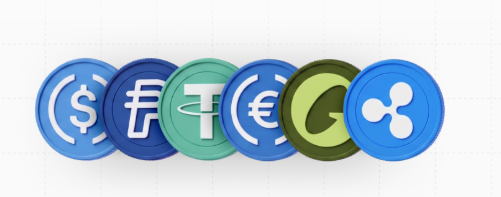
The most common examples of stablecoins are USDT, USDC, and PYUSD. These stablecoins are most often used for cross-border money transfers, digital commerce, and institutional transactions. There is more emphasis on regulating compliant and audited stablecoins. This has caused an increase in stability with cross-border crypto transactions and traditional banking systems.
How Businesses Can Accept Stablecoin Payments
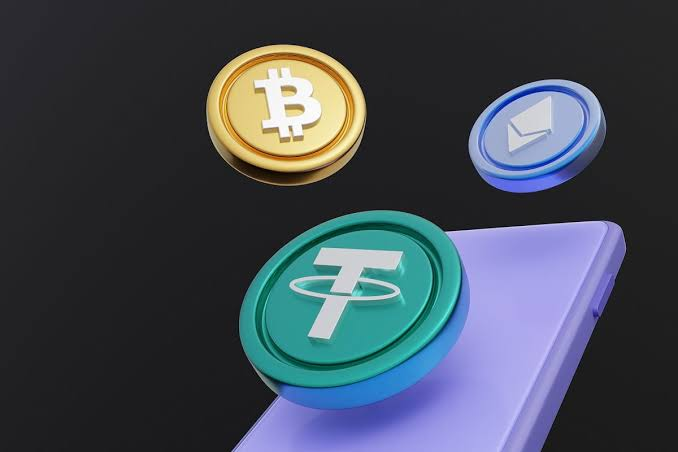
Businesses can add stablecoin payment methods by selecting assets, payment infrastructure, wallet and network configuration, checkout integration, and by setting up compliance and accounting processes. These steps serve as an implementation guide for 2026.
Step 1: Remember the Purpose of Stablecoins for Your Business
What needs does your business have that you think can be met by stablecoins? Common business needs for stablecoins are: cross-border payments, faster settlement, lower payment friction, global customer access, and 24/7 payment availability. Will stablecoins be an additional payment method or a major settlement currency for your business?
Step 2: Choose the Stablecoins You Will Accept
Choose stablecoins based on customer needs, liquidity, network openness to business activity, and regulation. When implementing stablecoins, most businesses should not offer a large variety of stablecoins at launch. Start with the stablecoins that your primary customer base uses.
Step 3: Pick a Blockchain Network
Different blockchain networks can host the same stablecoin; they can differ in transaction costs and speed, liquidity and integration needs. Be sure to include the networks you support at checkout in order to avoid customers sending funds to the incorrect network.
Step 4: Pick a Business Wallet or Payment Provider
Businesses have the choice to run payment transactions through their wallets or use a payment processor specialized for stablecoins.
Consider:
- Supported stablecoins and networks
- Cost per transaction
- Fiat settlement options
- Checkout and API integrations
- Transaction monitoring
- Security measures
- Compliance aid
Step 5: Business Verification
For a regulated payment processor, your business may be required to do KYC/KYB and other compliance checks, sanctions screening, and business verification. Each payment processor has their own requirements, which may be determined by the nature of your business and the jurisdictions involved.
Step 6: Stablecoin Payment Integration
Stablecoins have to be added as a payment choice on the website, invoice, or payment page. Stablecoin payment integrations can utilize a payment link, SDK, payment plugin, or a hosted checkout.
The checkout has to provide the following:
- Stablecoin option
- Network selected
- Amount to be paid
- Payment address or QR code
- Payment status
- Time limit for payment
(if applicable)
Step 7: Payment System Automation
Add an automation to your payment system so that transactions can be verified and matched to the customer order. A high level of automation can improve your process by eliminating the need for order reconciliations due to payment errors and redundant paymens caused by network selection errors.
Step 8: Choose a Stablecoin Settlement Strategy
Businesses must choose what happens after receiving stablecoins. There are three main strategies to consider:
| Settlement Strategy | Description | Business Type |
|---|---|---|
| Hold Stablecoins | Keep stablecoins | Crypto-native businesses |
| Convert to Fiat | Automatically convert to fiat | Businesses wanting fiat cash flow |
| Hold & Convert | Hold and convert to fiat (partially) | Businesses looking for flexibility |
Step 9: Establish Refund and Cancellation Policies
Stablecoins transactions often require a different process for issuing refunds from card transactions. Establish a policy regarding refunds covering (i) refund eligibility; (ii) refund address verification; (iii) supported assets; (iv) network fees; and (v) processing time.
Step 10: Integrate Payments with Accounting
Each stablecoin transaction must be appropriately recorded. Log the following transaction data, where applicable, to the business’ accounting and tax records: transaction amount; asset; date of transaction; exchange or conversion price; fees; wallet address; transaction hash; and settlement value.
Step 11: Add Security Controls
Protect payment rails from the threats they are vulnerable to by implementing security controls. Segregate operational and treasury wallets, restrict key access, put in place a multi-person approval for large value transactions, and monitor transactions for potentially risky activity.
Step 12: Test Before Going Live
Before allowing customers to make payments with stablecoins, perform test transactions. Review the following:
- Correct blockchain network
- Confirmation of payment
- Order matching
- Refund workflows
- Fiat Conversion
- Records of account
- Handling of payments that fail
- Customer Notifications
Step 13: Launch Stablecoin Payments
When testing is complete, provide the payment option on the checkout pages/invoices/customer portals (as appropriate) and provide clear instructions to customers regarding which stablecoin and blockchain they are to select.
Step 14: Monitor Performance and Risk
After the launch, measure payment performance instead of just looking at the number of transactions. This would include the following: successful payment, transaction costs, the time to settle, refunds, failed payments, conversion rate, and the volume of stablecoin payments.
Step 15: Review the System Regularly
Regulations concerning stablecoins continue to evolve. A review of the system should be undertaken regularly (at a minimum every 2 years) to check if supported assets, payment service providers, blockchain networks, compliance requirements, security, and total payment costs remain appropriate in light of the current stablecoin ecosystem and the regulations.
Why Businesses Are Accepting Stablecoins in 2026
Cost Savings: About 41% of businesses save at least 10% compared to their prior methods of payment, especially in cross-border B2B transactions.
Faster Settlements: Using stablecoins enables near real-time settlement. Businesses no longer have to wait for the banking system to settle transactions, which dramatically improves working capital.
Regulatory Clarity: The GENIUS Act (2025) settled the legal standing of stablecoins, providing a legal basis of payment instruments to banks, fintechs, and multinationals.
Mainstream Adoption: Rapyd’s report for 2026 shows 64% of businesses either utilized or planned to utilize stablecoins in the next 3 years, with 76% of firms believing that stablecoins are already mainstream or will be soon.
Cross-Border Efficiency: Stablecoins have the potential to revolutionize global commerce by removing the friction of international trade, such as the associated costs of correspondent banking and currency transactions.
Institutional Confidence: Stablecoins are being launched by major banks and payment networks to demonstrate their belief in the stability and permanence of crypto in the financial systems.
Which Businesses Can Accept Stablecoins?
Almost any business that can receive digital payments can potentially accept stablecoins, provided the payment method, jurisdiction, and compliance requirements are suitable. The strongest use cases are businesses that handle online sales, international customers, digital services, or frequent cross-border payments.
| Business Type | How Stablecoins Can Be Used | Key Benefit |
|---|---|---|
| E-commerce Stores | Customer checkout payments | Global payment acceptance |
| SaaS Companies | Subscription and software payments | Faster international settlement |
| Freelancers | Client invoices and service payments | Easier cross-border collection |
| B2B Companies | Business invoices and supplier payments | Efficient international settlement |
| Marketplaces | Buyer payments and seller payouts | Faster marketplace settlement |
| Travel Companies | Hotels, flights, and travel bookings | International payment flexibility |
| Digital Agencies | Client retainers and project invoices | Simplified global collections |
| Gaming Businesses | Digital purchases and platform payments | Access to crypto-native users |
| Web3 Companies | Products, services, and ecosystem payments | Native digital-asset settlement |
| Creator Platforms | Creator payouts and digital products | Global payment access |
| Remittance Businesses | Cross-border transfers | Potentially faster settlement |
| Online Education Platforms | Course and subscription payments | International customer access |
| Professional Services | Consulting and business invoices | Flexible payment settlement |
| Subscription Businesses | Recurring digital-service payments | Alternative payment rail |
| Import/Export Businesses | International commercial payments | 24/7 settlement capability |
Choose a Stablecoin Payment Method
Understand your business needs
This is where you consider your business’s needs and select whether you’ll conduct international trade and e-commerce, payroll and treasury administration, or a combination of those.
Select a stablecoin
Learning about the features of stablecoins also helps you determine your best fit. These include fiat-backed (USDC, USDT), algorithmic (DAI), gold-backed (PAXG), and commodity-backed stablecoins.
Verify compliance with the law
Once you’ve settled on a stablecoin, determine if it is acceptable and compliant under the relevant jurisdiction, and in particular, if it meets US legislation (i.e., the GENIUS Act) and KYC/AML legal requirements.
Evaluate payment processors
If your business processes are largely integrated, consider payment processors that offer a plug-and-play solution, such as Coinbase Commerce, Circle, or PayPal PYUSD.
Assess transaction costs
Always assess the costs of payment transactions. Even with the slight variations, stablecoins offer substantial cost savings compared to traditional banking.
Consider settlement speed
Settlement speed is of interest, because the aim is to maintain positive and efficient business cash flows. Therefore, strive to use stablecoins that offer settlement in near real time.
Consider liquidity and adoption
Maintaining positive cash flows and efficient business operations is of interest. Therefore, select stablecoins with high market liquidity and large market adoption.
Integrate security
Ensure you have multi-signature security and support for secure wallets coupled to fraud prevention.
Stablecoin Payment Fees and Costs
| Category | Stablecoins | Traditional Payments |
|---|---|---|
| Transaction Fees | 0.1% – 1% (varies by processor) | 2% – 4% (credit cards, FX spreads) |
| Cross-Border Costs | Minimal (blockchain settlement) | High (SWIFT, correspondent banks) |
| Settlement Speed | Real-time, 24/7 | 1–3 business days |
| Conversion Costs | Small spread (crypto ↔ fiat) | Larger FX conversion fees |
| Compliance/AML Costs | Integrated in processor fees | Separate compliance charges |
| Infrastructure Costs | Wallet setup, blockchain integration | Merchant account, POS terminals |
Should a Business Hold or Convert Stablecoins?
Holding Stablecoins
- Liquidity for fast payments and settlements.
- Ability to diversify treasury and hedge local currency volatility.
- DeFi yield opportunities.
- Regulatory and audit risks.
Converting Stablecoins
- Lower risk of exposure to crypto and uncertainty of regulatory changes.
- Ability to be in compliance with accounting, tax, and reporting.
- Greater stability for payroll and vendor payments.
- Minimal conversion fees and liquidity risk.
Hybrid Approach
- Most businesses utilize this approach to hold a stablecoin liquidity fund while converting the rest to fiat.
- Balance with compliance and risk.
Stablecoin Payments vs. Cards vs. Bank Transfers
| Aspect | Stablecoin Payments | Cards | Bank Transfers |
|---|---|---|---|
| Transaction Fees | 0.1% – 1% | 2% – 4% (merchant fees) | $15–$50 (domestic/international) |
| Settlement Speed | Real-time, 24/7 | 1–2 business days | 1–3 business days |
| Cross-Border Costs | Minimal, blockchain-based | High FX + card network fees | High SWIFT/correspondent fees |
| Accessibility | Global, wallet-based | Widely accepted | Requires bank accounts |
| Compliance | Increasingly regulated (GENIUS Act 2025) | Established, standardized | Established, standardized |
| Liquidity | High for USDC/USDT | Immediate fiat | Immediate fiat |
| Risk Factors | Regulatory changes, reserve audits | Fraud, chargebacks | Delays, banking cutoffs |
Stablecoin Payment Compliance in 2026

Global Regulatory Frameworks
- U.S. GENIUS Act (2025): Requires 1:1 reserve backing with safe assets, licensing, monthly reporting, and AML.
- EU MiCA (2024): Issuer authorization, white papers, reserve segregation, and classification of tokens as either asset-referenced or e-money.
- UK & Singapore: Introduced licensing with strict reserve and redemption requirements.
- Hong Kong, UAE, Australia: Require full-reserved backing, compliance audit.
Reserve Requirements
- Stablecoin issuers must hold high quality liquid assets equal to all circulating stablecoins
Licensing & Authorization
- Only licensed stablecoin issuers can legally operate
- Multi-jurisdiction businesses must obtain licenses.
AML/KYC Standards
- Under the Bank Secrecy Act stablecoin companies are now financial institutions in the U.S.
- Mandatory KYC and AML.
Redemption Rights
- Customers must have the ability to redeem stablecoins for cash within a certain time frame (e.g., 5 day window in Singapore)
Cross-Border Compliance
- Operating across international borders requires thorough understanding of each jurisdiction and careful entity structuring.
Accounting and Tax Considerations
Revenue Recognition
Transactions involving stablecoins need to be recorded at the value of the stablecoin in fiat at the time of the transaction. Keeping track of conversion rates is crucial for accurate reporting.
Taxable Events
Acceptance of stablecoins is taxable income. Converting stablecoins to fiat may create a capital gain or loss. Using stablecoins for a business expense is a disposal event.
Valuation Standards
Authorities have required the use of consistent valuation methods of crypto assets, which includes the spot price applicable at the time of the transaction. Recent updates to GAAP and IFRS include crypto-related updates.
Audit & Reporting
Businesses must retain detailed blockchain transaction records (e.g. wallet addresses, logs, conversion rates) to be prepared for impromptu audits.
Cross-Border Taxation
Stablecoin transactions across borders may create a withholding tax or may be double-taxed, thereby creating a need for tax planning.
Treatment of VAT/GST
Stablecoin transactions are treated like fiat currency Transactions.
Treasury & The Balance Sheet
Stablecoins are treated like digital assets; dependent on the jurisdiction, they may be treated like cash equivalents if they are fully backed.
Compliance Costs
Other accounting software and tax advisory services, as well as blockchain audit software, may be needed to comply with the law.
Stablecoin Payment Security
| Security Aspect | Stablecoin Payments | Cards | Bank Transfers |
|---|---|---|---|
| Encryption | End-to-end blockchain encryption | PCI DSS encryption standards | Bank-grade encryption |
| Fraud Protection | Smart contracts + multi-signature wallets | Chargeback systems | Fraud monitoring by banks |
| Identity Verification | AML/KYC integrated in processors | Customer verification via card issuers | Strict KYC by banks |
| Settlement Security | Immutable blockchain ledger | Network clearing & settlement | Centralized bank clearing |
| Auditability | Transparent blockchain records | Limited merchant visibility | Bank statements & audit trails |
| Risk Factors | Regulatory changes, reserve audits | Card fraud, stolen data | Insider fraud, delayed reporting |
Best Practices for Accepting Stablecoins
Prioritize Regulation
Select fiat backed coins such as USDC, USDT, or PYUSD which comply with necessary reserve and audit requirements.
Select Trusted Payment Processors
Select payment processors that offer compliance, settlement, and fraud protection such as Circle, Coinbase Commerce, or PayPal.
AML/KYC Controls Implementation
Customer Identity Verification and Transaction monitoring must be implemented to meet international compliance.
Maintain Records
Stablecoin payments must be recorded at the market value in Fiat for tax and audit purposes.
Treasury Strategy Formulation
Decide to either hold, convert or come up with a mix of the two for optimum compliance vs. liquidity.
Secure Wallets
Use multi signature wallets and Cold storage. Protect assets with strong encryption.
Compliance With Regulatory Changes
Keep up to date with the U.S. GENIUS Act and EU MiCA and other changes to avoid breaching compliance.
Compliance Training
Train your team on compliance. Design a beginner wallet stablecoin payment guide for your customers.
Compliance and Audit
Conduct periodic reservoir and payment compliance audits, focus on building trust with your stakeholders.
Common Risks Businesses Should Consider
Regulatory Risks
Different jurisdictions have different laws, and there are swift changes to the legal and compliance obligations.
Reserve & Audit Risks
Businesses are exposed to both liquidity and trust issues when stablecoin issuers either fail to keep a 1:1 reserve or do an audit.
Volatility in Non-Fiat Stablecoins
Algorithmic stablecoins lose their peg and expose businesses to unexpected losses.
Technological Risks
Transacting with stablecoins increases the risk of system availability due to the dependence on blockchain infrastructure, wallets, and smart contracts.
Fraud & Security
Compromised security results in a loss to the business.
Tax Risks
Payments made across legal boundaries subject the business to an excessive tax burden, tax liability, and reporting requirements.
Liquidity Issues
Some stablecoins have inadequate depth and liquidity in the market making large conversions slow and expensive.
Reputation
There can be reputational damage from an association with an unstable or poorly regulated stablecoin.
Key Metrics to Track After Launch
| Metric | Description | Why It Matters |
|---|---|---|
| Transaction Volume | Number of stablecoin payments processed | Measures adoption and customer demand |
| Settlement Speed | Average time to confirm transactions | Ensures liquidity and operational efficiency |
| Fee Savings | % reduction vs. card/bank fees | Tracks cost benefits of stablecoin use |
| Conversion Ratio | % of stablecoins held vs. converted to fiat | Guides treasury and liquidity strategy |
| Customer Adoption Rate | Share of customers using stablecoins | Indicates market acceptance and growth |
| Cross-Border Usage | % of payments across jurisdictions | Shows efficiency in international trade |
| Compliance Incidents | Number of AML/KYC flags or issues | Ensures regulatory alignment and risk control |
| Security Events | Wallet breaches, fraud attempts | Tracks resilience of payment infrastructure |
| Treasury Yield | Returns from holding/staking stablecoins | Evaluates financial benefits beyond payments |
| Operational Costs | Infrastructure and integration expenses | Monitors ROI and scalability of adoption |
Stablecoin Payment Use Cases in 2026
Cross-border Trade
Businesses use stablecoins to bypass the slow SWIFT system and the high costs associated with foreign exchange transactions.
E-commerce Payments
Online stores accept payments in stablecoins and serve an international client base due to lower card fees.
Payroll and Contractor Payments
Paying contractors and employees who work outside your business border is instant and can avoid banking delays.
Treasury Management
Companies invest their stablecoins in liquidity funds and gain diversification and yield from DeFi.
Remittances
Easy and less costly money transfers made to beneficiaries compared to other remittance services.
Institutional Settlements
Interbank transfers and settlements are processed efficiently using stablecoins.
Retail Payments
Cryptocurrency payments are made using circle wallets and PayPal.
Subscription and SaaS Billing
Stablecoins are integrated into billing systems for SaaS. This reduces failed payments and currency conversion.
Gaming and Digital Assets
Stablecoins are used to make purchases within a gaming ecosystem and a digital asset ecosystem. They are also used to facilitate purchases in NFT marketplaces.
Common Mistakes to Avoid
Ignoring Regulatory Compliance
Alongside other similar frameworks. Failing to comply with the U.S. GENIUS Act or the EU MiCA can lead to fines and shutdowns.
Choosing Unregulated Stablecoins
Using poorly audited algorithmic stablecoins can lead to peg-in and liquidity risks for businesses.
Weak Wallet Security
Assets can be completely lost due to hacks if multi-signature wallets, and strong encryption techniques, and cold storage are not employed.
Poor Accounting Practices
Not recording stablecoin payments at their fair market value in fiat leads to taxation and auditor issues.
Over-Reliance on Stablecoins
Regulatory and liquidity risks significantly increase if all corporate reserves are held in stablecoins.
Ignoring Customer Education
Transactions can become unnecessarily complex if customers aren’t guided on the steps to pay with stablecoins.
Neglecting Cross-Border Tax Rules
Not adhering to the tax and double-taxation rules of territory leads to compliance issues.
Failing to Monitor Reserves
Relying on trust leaves businesses exposed without verifying audits and reserve transparency.
No Risk Mitigation Plan
Not preparing for uncertainty leads to greater operational risks.
Conclusion
In 2026, stablecoins emerged within the mainstream financial market as a tool to incorporate blockchain technology within traditional commerce.
Companies who integrate stablecoins can achieve faster settlements and lower transaction costs, and can reach a wider market, while also dealing with the U.S. GENIUS Act and the EU MiCA. Dealing with stablecoins requires treasury management to plan for the balance between liquidity and regulatory duties.
There are accounting and tax concerns that require the accurate valuation and reporting as well as compliance regarding the movement of capital across borders. The focus toward security remains the same with multi-sig wallets and audits, which lessens the risk of fraud.
The primary goal of stablecoins is to facilitate projects enabling enterprises to pay and transact in a seamless way across markets. By address the risks, solutions can ensure firms can integrate stablecoins into their financial operations.
FAQ
What are stablecoin payments?
Digital transactions using cryptocurrencies pegged to stable assets like USD, designed to reduce volatility and enable faster, cheaper transfers.
Why are businesses adopting them?
Lower fees, faster settlements, global reach, and clearer regulations under frameworks like the U.S. GENIUS Act and EU MiCA.
Are stablecoin payments secure?
Yes, they use blockchain encryption, smart contracts, and audited reserves, but wallet security and fraud prevention remain critical.
How are they taxed?
Payments are recorded at fair market value in fiat; conversions may trigger capital gains/losses, and VAT/GST applies like fiat.