

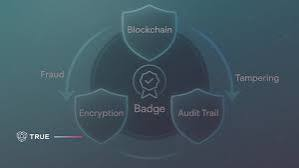
In this article, I’ll break down the Best Verifiable Credential Platforms for Web3, comparing their credential standards, DID support, privacy features, wallet support, issuance and verification features, Web3 integrations, credential lifecycle management, pricing and use cases. This guide will assist you to understand how each platform deals with decentralized identity, verifiable credentials, proof of personhood, reputation, compliance, and safe data sharing.
What Are Verifiable Credential Platforms for Web3?
Web3 Verifiable Credential Platforms are identity and trust infrastructure that enable organizations to issue, users to hold and applications to verify digitally signed credentials without being entirely dependent on centralized databases.
These platforms can support W3C Verifiable Credentials, decentralized identifiers, blockchain attestations, wallets, zero-knowledge proofs, and selective disclosure. Use cases for Web3 include proof of personhood, KYC, DAO membership, reputation, education, professional credentials,
Sybil resistance and token gated access. A typical system has an issuer, a credential holder, and a verifier, and credential lifecycle features may include issuance, presentation, verification, expiration, and revocation.
Key Points
| Platform | Key Strength | Best For |
|---|---|---|
| Privado ID (formerly Polygon ID) | Self-sovereign identity platform that enables issuance and verification of W3C-compliant verifiable credentials using zero-knowledge proofs. | Privacy-preserving identity, KYC, DAO access |
| Dock | Comprehensive verifiable credential platform with APIs, wallets, and credential issuance tools. | Enterprise credentials, education, compliance |
| SpruceID | Chain-agnostic credential infrastructure built around open standards such as W3C Verifiable Credentials and decentralized identifiers. | Multi-chain identity applications |
| cheqd | Decentralized identity network focused on trusted data, reusable credentials, and self-sovereign identity ecosystems. | Digital identity and reusable trust credentials |
| Human Passport | Credential-based proof-of-personhood platform that helps Web3 projects combat Sybil attacks. | Community verification and governance |
| Ethereum Attestation Service (EAS) | Widely adopted attestation framework that supports verifiable claims and credential issuance. | Reputation and credential verification |
| Verax | Public attestation registry designed for discoverable and reusable on-chain credentials. | Reputation and ecosystem trust signals |
| Proof of Humanity | Human verification network that issues uniqueness credentials for decentralized ecosystems. | Sybil resistance and identity validation |
| Civic | Identity and access-management platform offering reusable Web3 credentials for users and organizations. | Compliance, onboarding, gated access |
| KILT Protocol | Credential infrastructure allowing issuers to create tamper-proof and privacy-preserving digital credentials. | Decentralized identity and enterprise verification |
1. Privado ID (formerly Polygon ID)
Privado ID, formerly Polygon ID, was launched in 2022 as a privacy-centric Web3 identity infrastructure built on the Iden3 protocol and zero-knowledge proofs. It supports decentralized identities, verifiable credentials, claims, and ZK-based verification.
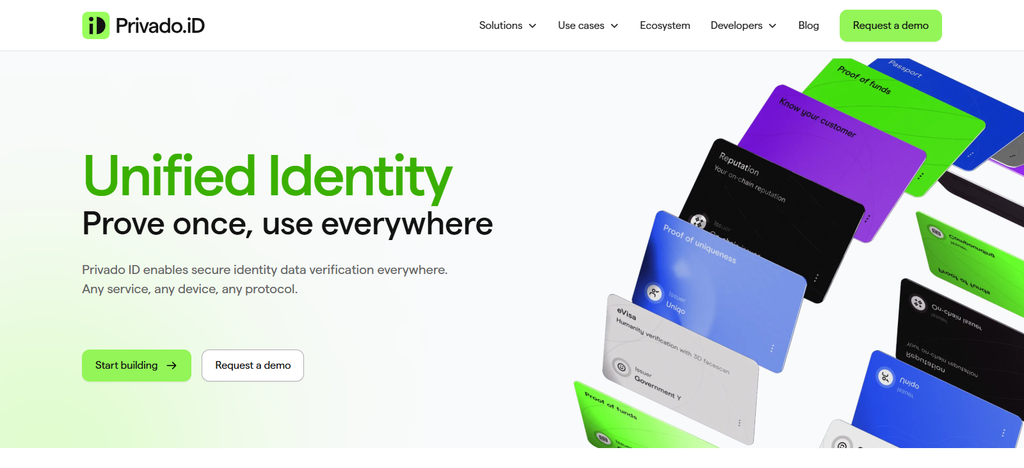
The types of credentials include KYC, KYB, reputation, uniqueness, and access credentials. It has a DID architecture that supports did:polygonid and allows identities to work across EVM-compatible environments.
Users can obtain credentials and create proofs for verifiers without revealing any unnecessary personal information. Credential states can be updated or revoked by identity-state mechanisms. There will not be a single subscription, and prices will differ based on implementation, network transactions and services.
| Traits | Advantages | Disadvantages |
|---|---|---|
| Zero-knowledge identity infrastructure | Enables privacy-preserving credential verification | ZK-based implementations can be technically complex |
| W3C-compatible verifiable credentials | Supports standardized credential ecosystems | Integration still requires technical development |
| DID-based identity | Credentials are associated with decentralized identities rather than ordinary wallet addresses | DID/key management can add complexity |
| Selective disclosure | Users can reveal only required credential information | Privacy features require compatible verifier workflows |
| On-chain and off-chain verification | Suitable for both Web3 applications and conventional identity workflows | On-chain verification can introduce network-related costs |
| Identity wallet architecture | Users can hold credentials and generate proofs | Users must securely manage their identity credentials and keys |
| EVM compatibility | Can support applications across EVM environments | Developers still need blockchain-specific implementation knowledge |
2. Dock
Founded in 2017, Dock provides decentralized identity and verifiable credential infrastructure for organizations building portable digital identity systems.
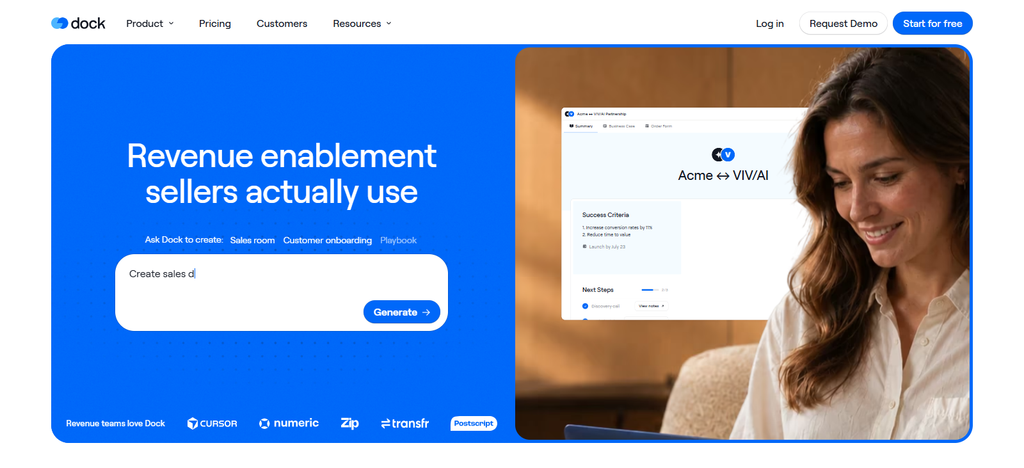
Its platform supports W3C Verifiable Credentials, decentralized identifiers, credential issuance, verification and status management. Credentials can be professional, educational, identity, compliance, or organizational credentials.
Dock provides tools and APIs for issuers and verifiers, and users can manage credentials via compatible wallet experiences. Instead of asking for credentials that would expose personal data to the world, its Web3 integration focuses on decentralized identity and blockchain-backed trust. Pricing is based on the platform chosen or enterprise requirements, and the overall cost is influenced by the implementation and usage.
| Traits | Advantages | Disadvantages |
|---|---|---|
| W3C Verifiable Credentials | Provides standardized, machine-verifiable credentials | Organizations need compatible wallets and verification infrastructure |
| DID support | Enables decentralized identity independent of a traditional platform account | DID implementation can require specialist development |
| Portable credentials | Credentials can work across compliant wallets and systems | Interoperability depends on the receiving system supporting the relevant standards |
| Credential issuance | Organizations can create and distribute credentials | Credential design and issuer configuration require setup |
| Credential verification | Supports reusable verification workflows | Advanced deployments may require API/SDK integration |
| Open standards approach | Reduces dependence on one proprietary credential format | Standards-based systems can require more initial architecture work |
| Enterprise identity infrastructure | Can support professional, education, compliance, and organizational credentials | Pricing and implementation requirements vary by solution |
3. SpruceID
Founded in 2018, SpruceID is building open source decentralized identity and verifiable credential infrastructure to give users more control of their digital identity data. The technology supports W3C Verifiable Credentials, DIDs, credential issuance, storage and verification, and DIDKit provides developer libraries to embed identity functionality.
Credentials have use cases in government documents, professional credentials, Web3 identity, cross-chain reputation, and permissioned data sharing. Wallet-based identity means users have and present credentials rather than repeatedly providing centralized records.
SpruceID offers APIs and SDKs for developers and supports built-in blockchain environments such as Polygon. Pricing is usually solution specific and can depend on the deployment requirements.
| Traits | Advantages | Disadvantages |
|---|---|---|
| Decentralized identity infrastructure | Designed for user-controlled digital identity | Decentralized identity can require more technical setup than centralized identity |
| DID and VC support | Enables standards-based credential systems | Developers must understand identity standards for advanced implementations |
| Open-source tooling | Gives developers greater flexibility over implementation | Open-source components can require internal engineering resources |
| DIDKit developer toolkit | Useful for integrating decentralized identity capabilities | SDK-based development requires technical expertise |
| Credential issuance and verification | Supports complete credential workflows | Production deployment requires proper key and credential management |
| Government and enterprise use cases | Can support structured identity and credential programs | Enterprise implementations can involve longer integration cycles |
| Blockchain interoperability | Can connect identity systems with Web3 environments | Blockchain integration adds infrastructure considerations |
4. cheqd
cheqd is an open, decentralized infrastructure for verifiable credentials, DIDs, trust registries and trusted data ecosystems, founded in 2021. It supports standards like W3C Verifiable Credentials, OpenID4VC, SD-JWT, AnonCreds, DIDComm and related identity specifications.

Types of credentials include compliance, professional identity, organizational credentials, and trusted data claims. Its infrastructure supports issuance, verification, credential status, decentralized identifiers and portable identity.
cheqd also brings a unique payment layer to trusted data and credential ecosystems, including support for stablecoin payments. Developers are able to use cheqd Studio, SDKs, DIDs and trust registries. Pricing varies by products, network usage and needs of enterprise.
| Traits | Advantages | Disadvantages |
|---|---|---|
did:cheqd infrastructure | Provides a dedicated decentralized identity method | Adds another identity infrastructure layer to manage |
| W3C VC support | Supports standardized verifiable credentials | Organizations still need compatible credential applications |
| OpenID4VC support | Suitable for modern credential issuance and presentation workflows | Protocol interoperability requires correct implementation |
| SD-JWT and AnonCreds support | Gives developers multiple credential technology options | Multiple formats can increase implementation complexity |
| Trust registries | Helps establish trusted issuers and verification relationships | Trust-registry configuration requires governance decisions |
| Credential status lists | Supports credential lifecycle management | Status infrastructure must be maintained correctly |
| DID-Linked Resources | Connects resources cryptographically to DIDs | More advanced than a simple credential database |
| Credential monetization | Supports payment-oriented credential ecosystems | Payment functionality may add operational and regulatory considerations |
5. Human passports
Human Passport (formerly known as Gitcoin Passport) is a Sybil resistance, reputation, proof-of-personhood, and Web3 identity system. Created through the Gitcoin ecosystem, it combines multiple identity signals, known as Stamps, into a Passport that can be used by decentralized applications for account screening and access control.
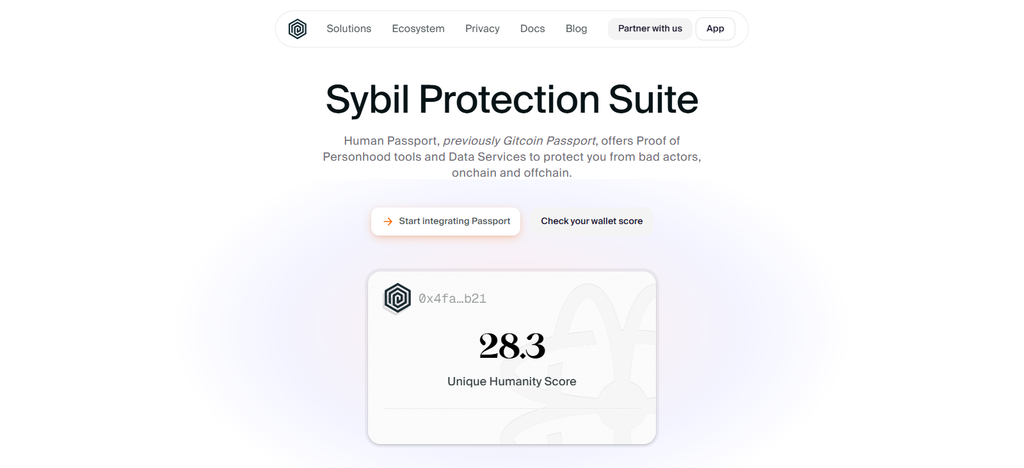
Credential types can be social, wallet, identity, community, and proof-of-humanity credentials. Passport employs DID-based identity and stores Thanks to its decentralized architecture, it provides passport information, while developers are able to integrate verification using its Stamps API.
You can add, remove, and evaluate credentials as the application requires. User access and verification functionality can be free, while developer and enterprise services would be subject to commercial terms.
| Traits | Advantages | Disadvantages |
|---|---|---|
| Proof-of-personhood focus | Useful for distinguishing humans from automated or duplicate accounts | Proof-of-personhood does not replace every form of legal identity verification |
| Sybil resistance | Helps Web3 applications reduce duplicate or abusive accounts | Effectiveness depends on the quality and combination of identity signals |
| Passport-based reputation | Combines multiple credentials or signals into a user profile | Different applications may require different scoring or verification policies |
| Stamps/credentials | Provides multiple ways to establish trust signals | Users may need to complete several verification steps |
| Web3 integration | Designed around decentralized applications and communities | Primarily focused on Web3 identity and Sybil use cases |
| Developer verification tools | Applications can integrate identity signals | Integration requires developers to understand the available verification model |
| Privacy-oriented identity architecture | Can reduce the need to expose complete identity information | Privacy depends on the specific credential and verification flow |
6. Ethereum Attestation Service (EAS)
Ethereum Attestation Service (EAS) is an Ethereum-based protocol launched in 2023 for creating and verifying attestations. EAS is a traditional credential wallet, and also enables applications to generate structured claims about people, addresses, contracts or other entities.
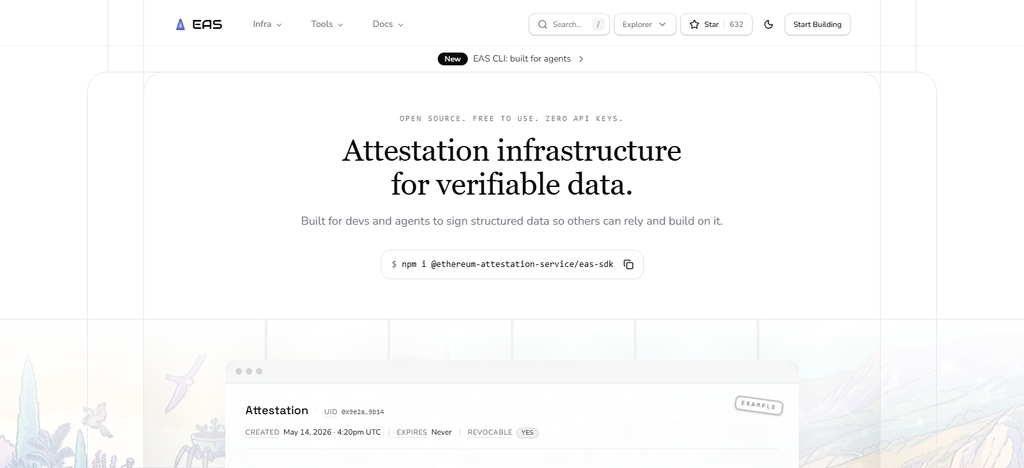
Credential and attestation types are flexible, as developers define schemas for the information they want to attest. EAS supports on-chain and off-chain attestations, making it useful for storing data related to reputation, DAO membership, credentials, compliance and Web3 applications.
Attestations can be interacted with by wallets and Ethereum-compatible accounts, and applications can verify attestations programmatically. The protocol itself is an open-source infrastructure and transaction costs vary by the network used.
| Traits | Advantages | Disadvantages |
|---|---|---|
| On-chain attestations | Makes claims composable within blockchain applications | Public blockchain data can create privacy considerations |
| Permissionless infrastructure | Developers can create their own attestation schemas | Open permissionless systems require users to evaluate issuer trust |
| Custom schemas | Supports many types of claims and application-specific data | Poorly designed schemas can reduce interoperability |
| On-chain and off-chain attestations | Flexible architecture for different applications | Developers must choose the appropriate storage and verification model |
| Ethereum ecosystem integration | Works naturally with Ethereum-based applications | Network transactions can incur gas costs |
| Smart-contract based verification | Applications can use attestations programmatically | Smart-contract development introduces security considerations |
| Reputation use cases | Useful for memberships, credentials, activity, and reputation | An attestation proves a signed claim but does not automatically prove that the claim itself is truthful |
7. Verax
Verax is an on-chain attestation registry that allows Web3 applications to discover, verify and consume trusted attestations from issuers. Its credential model is based on attestations that can express identity, reputation, uniqueness, compliance and other claims.
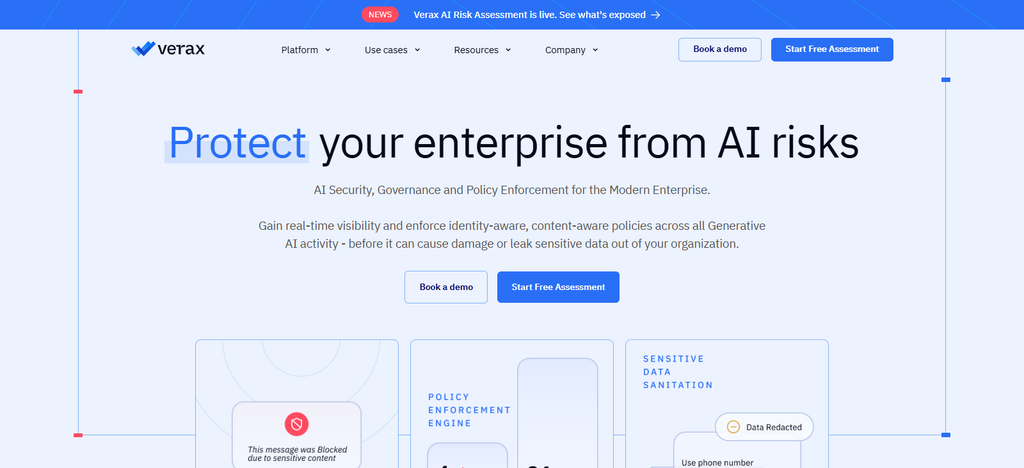
Verax is particularly suitable for applications that need reusable trust information without building separate credential infrastructure. It can be integrated with wallet based identities and blockchain applications. Issuers can publish attestations to be verified by verifiers.
Credential lifecycle capabilities include validity and status considerations for attestations. Verax is infrastructure (not a single consumer credential wallet), so costs can include blockchain transaction fees and any integrated provider charges.
| Traits | Advantages | Disadvantages |
|---|---|---|
| Public attestation registry | Creates a shared location for discoverable attestations | Public data requires careful consideration of privacy |
| EVM deployment | Can be deployed on EVM-compatible networks | Network-specific deployment still requires technical configuration |
| Schema-based attestations | Creates structured and machine-readable claims | Schema design can become complex for advanced use cases |
| Attestation composability | Attestations can be linked to create richer trust graphs | Complex graphs may be harder to interpret |
| Expiration and revocation metadata | Provides lifecycle information for attestations | Applications must correctly check status information |
| DID and address subjects | Can represent multiple types of entities | Supporting multiple subject types can increase integration complexity |
| Web3 reputation use cases | Suitable for DAO membership, human status, credentials, and reputation | Attestation quality depends heavily on issuer credibility |
8. Proof of Humanity
Launched in 2023, Proof of Humanity is a Web3 proof-of-personhood registry to prove that an Ethereum address is owned by a unique human. Its core credential is a humanity registration, not a general-purpose professional or educational VC. Users need to prove their identity and uniqueness to become registered, which enables applications to mitigate bots and Sybil attacks.
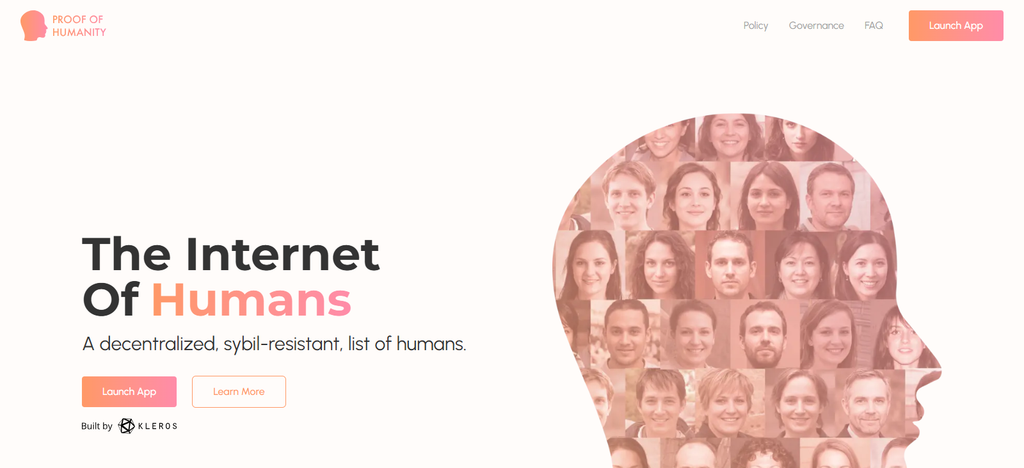
The system integrates with Ethereum wallets and smart contract platforms so that participating applications can use humanity status for access, governance, airdrops and other Web3 functions. The credential lifecycle includes registration, challenges and removal/invalidation mechanisms. There is no traditional SaaS subscription model. Users may incur costs associated with registration, verification and Ethereum transactions depending on the process.
| Traits | Advantages | Disadvantages |
|---|---|---|
| Decentralized proof of personhood | Helps applications identify unique humans | Does not provide a complete identity credential for every use case |
| Ethereum-based registry | Integrates naturally with Web3 applications | Ethereum transactions can involve network costs |
| Human uniqueness focus | Useful for reducing bots and Sybil accounts | Verification depends on the system’s registration and challenge mechanisms |
| Wallet-linked identity | Works with blockchain addresses | Linking identity status to addresses can create privacy considerations |
| Challenge mechanism | Provides a dispute-oriented approach to registrations | Challenges can introduce additional participation requirements |
| Web3 governance use cases | Useful for voting and human-only participation | Applications must decide how humanity status should affect access |
| Airdrop and access applications | Can help restrict certain functions to verified humans | Proof of humanity alone does not establish qualifications or professional credentials |
9. Civic
Founded in 2015, Civic offers digital identity and identity-verification infrastructure with strong applications for Web3, KYC, age verification and proof-of-personhood. Its credential capabilities enable users to complete verification and provide reusable identity information to participating apps without submitting the same documents again.
Credential types can include identity, age, uniqueness and compliance related information, etc. Civic integrates with wallets and Web3 apps and offers developer tools to embed verification flows. Privacy-oriented architecture can reduce the information the application will need to receive.
The credential lifecycle includes issuance, verification and status management Pricing is based on verification type, transaction volume and business needs rather than one global consumer subscription.
| Traits | Advantages | Disadvantages |
|---|---|---|
| Digital identity verification | Supports reusable identity verification for Web3 applications | Some use cases require users to complete formal identity checks |
| Proof-of-personhood capabilities | Useful for distinguishing humans from bots | Personhood verification is narrower than full identity credentialing |
| Age verification | Can support age-gated applications | Availability and requirements can vary by jurisdiction and use case |
| KYC-oriented infrastructure | Useful for regulated Web3 applications | Compliance workflows can introduce additional user friction |
| Wallet integration | Connects identity verification with Web3 accounts | Wallet-based identity still requires secure key management |
| Developer integration | Allows applications to embed verification flows | Developers must configure verification requirements correctly |
| Privacy-focused verification | Can reduce unnecessary disclosure in appropriate workflows | The amount of data exposed depends on the particular verification implementation |
10. KILT Protocol
KILT Protocol is a blockchain-based decentralized identity protocol that was founded in 2018, focused on reusable credentials and self-sovereign identity. Supports DIDs, verifiable credentials, credential issuers, and decentralized identity applications Credential types can include professional qualifications, business identity, age, KYC related claims and other attestations from trusted entities.
Users can hold credentials and present them to applications without constantly sharing the underlying information. KILT integrates with Web3 wallets and blockchain applications and returns control of credentials to their owners.
Credential life cycle functions include issuance, presentation, verification and revocation/status. KILT is built on the blockchain infrastructure, and therefore network-related costs may apply. Pricing for the platform is based on implementation and services used.
| Traits | Advantages | Disadvantages |
|---|---|---|
| Self-sovereign identity | Gives users greater control over credentials | Users remain responsible for securely managing identity access |
| KILT DIDs | Provides decentralized identifiers for identity relationships | KILT-specific DID infrastructure adds another ecosystem dependency |
| Verifiable credentials | Supports reusable credential-based identity | Credential presentations can have privacy considerations |
| Light and full DIDs | Provides different identity-management models | Different DID types can increase implementation complexity |
| Credential issuers | Allows trusted entities to issue claims | Trust still depends on the reputation of the issuer |
| Web3 integration | Built for decentralized identity and blockchain applications | Adoption depends on ecosystem integration |
| SDK support | Gives developers tools for identity applications | Advanced integrations require blockchain and identity expertise |
| Credential portability | Enables reusable credentials across supported applications | Cross-ecosystem portability depends on compatible standards and implementations |
Conclusion
Platforms for verifiable credentials are becoming a key part of Web3 identity, allowing users and organizations to issue, hold, present, and verify trusted credentials across decentralized applications. There are platforms like Privado ID, Dock, SpruceID, cheqd, Human Passport, EAS, Verax, Proof of Humanity, Civic and KILT Protocol that meet various needs — from privacy-preserving identity and proof of personhood to attestations, compliance, reputation and decentralized credentials.
Things to consider when choosing a platform include: standards support, credential types, DID and wallet compatibility, issuance and verification methods, privacy technology, credential lifecycle management, Web3 integrations, developer tools, pricing, and portability. These factors help determine the best infrastructure for a given Web3 identity use case.
FAQ
What are verifiable credential platforms for Web3?
Verifiable credential platforms provide infrastructure for issuing, holding, presenting, and verifying digital credentials using cryptographic methods. In Web3, they can support decentralized identity, proof of personhood, reputation, KYC, DAO membership, and other trust-based applications.
What is a Web3 verifiable credential?
A Web3 verifiable credential is a digitally signed claim that can be cryptographically verified. It can represent information such as identity, membership, qualifications, reputation, age, or compliance without requiring the user to repeatedly provide the original information.
What standards do verifiable credential platforms use?
Many platforms support standards and technologies such as W3C Verifiable Credentials, Decentralized Identifiers (DIDs), JSON-LD, VC-JWT, OpenID4VCI, and OpenID4VP. Actual support varies between platforms.
How do verifiable credentials work?
A typical system involves three participants: an issuer, who creates the credential; a holder, who stores and presents it; and a verifier, who checks its authenticity and validity.