

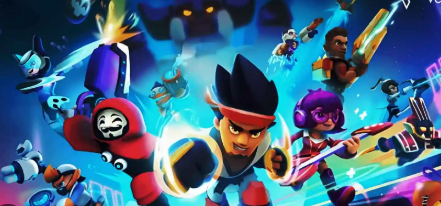
In this article, I will share the Best Web3 Games With Cross-Chain Asset Trading, highlighting platforms that combine engaging gameplay experiences with blockchain interoperability and digital asset ownership. We will explore their supported blockchains, NFT trading options, marketplace integrations, transaction fees, and unique features that will assist players in comparing gaming ecosystems and learning about opportunities to manage digital currencies across networks.
Why Choose Web3 Games With Cross-Chain Asset Trading
More Flexible Assets: Cross-chain Web3 games allow players to control eligible digital resources on supported blockchain networks. This brings more flexibility in terms of trading, transferring, and accessing collectibles.
Real Digital Ownership: Players can own eligible NFTs in their own wallets and have more control over digital characters, weapons, skins, virtual land, and other gaming collectibles.
More Trading Opportunities: With multi-chain marketplace integrations, players can connect to different blockchain ecosystems, offering more avenues to buy, sell, and swap supported virtual assets.
Greater Asset Utility: Interoperable gaming ecosystems can make certain NFTs functional across multiple supported apps, expanding their potential uses beyond a single game world.
Access to multiple blockchains: Players can transition between different blockchain networks, utilize their different gaming ecosystems, and choose supported platforms according to transaction costs and compatibility.
Marketplace Flexibility: Cross-chain infrastructure can also enhance access to NFT marketplaces, enabling players to find more trading opportunities and handle eligible collectibles via compatible platforms.
Lower Transaction Costs Possibly: Some of the games in Web3 are using Layer 2 networks or gaming-optimized blockchains for eligible NFT transactions to cut down on the cost of transactions and make them more efficient.
Enhancing Gaming Ecosystems: Cross-chain technology fosters collaboration among blockchain networks, developers, and gaming communities, creating opportunities for more interconnected digital economies and novel gaming experiences.
Key Points
| Game | Genre | Primary Network |
|---|---|---|
| Illuvium | Open-World RPG | Ethereum / Immutable |
| Big Time | Multiplayer RPG | Ethereum Ecosystem |
| Pixels | Farming MMO | Ronin |
| Star Atlas | Space MMO | Solana |
| Parallel | Trading Card Game | Ethereum |
| Off The Grid | Battle Royale | Avalanche |
| Shrapnel | FPS Shooter | Avalanche |
| Axie Infinity | Creature Battler | Ronin |
| Aurory | RPG | Solana |
| The Sandbox | Metaverse | Ethereum / Polygon |
1. Illuvium
Illuvium was founded in 2020 as a blockchain gaming project that mixes open world exploration, creature collection and competitive battling. It works mainly on Immutable X and Immutable zkEVM, Ethereum-compatible Layer 2 infrastructure.
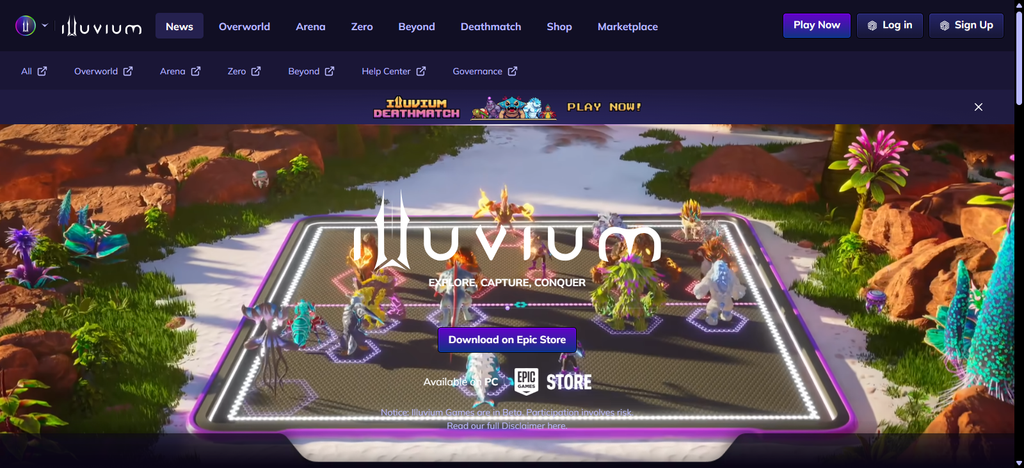
Players can collect Illuvials, Illuvitars, land plots and other NFT assets for use in gameplay and secondary trading. Its IlluviDex marketplace facilitates player-to-player NFT transactions and digital collectibles.
Marketplace fees and network costs are associated with the asset and the method of transaction. Low-cost trading is possible thanks to Layer 2 technology. Players will still own any eligible NFTs in their wallet. Its ecosystem is designed for interconnected gaming experiences, but free cross-chain asset transfers are not universally supported.
Features
- Features open-world exploration, creature collecting and competitive auto-battler gameplay.- Supports Immutable infrastructure based on Ethereum for gaming assets powered by blockchain.
- Includes Illuvials collectibles, virtual land and digital items.
- Adds the IlluviDex marketplace to buy and sell eligible NFTs.
- Uses ILV for governance of the ecosystem and some token utilities.
Pros
- Immersive gameplay experience and high-quality graphics.
- Mixes exploration, resource gathering and tactical combat.
- Allows players to own supported NFT assets.
- Dedicated NFT marketplace integrations.
- Provides interwoven gaming experiences throughout its ecosystem.
Disadvantages
- It can take time to invest in advanced gameplay.- Some collectible assets may have a cost to purchase.
- Market conditions may impact NFT demand.
- knowledge of wallet functionality might be a prerequisite to understanding blockchain features.Cross-chain asset transfers are not supported everyplace.
2. Big Time
Big Time launched in 2020 as a multiplayer action RPG featuring time-traveling adventures, dungeon crawling and blockchain-based collectibles. The core blockchain ecosystem is built upon Ethereum, specifically for the BIGTIME tokens and transferable digital resources.
SPACE NFTs, workshops, cosmetics and crafting-related items can be obtained through gameplay or secondary purchases. Its Open Loot marketplace offers NFT buying, selling, auctions and rental functionality.
Marketplace NFT transactions are typically subject to a 5% fee, and there may be additional fees for blockchain withdrawals. In-game activities use an internal account system for faster transactions Native cross-chain asset trading is not a core feature, although players can withdraw eligible NFTs into their own wallets.
Features
- Multiplayer action RPG gameplay, time travel adventures.
- Utilizes Ethereum infrastructure for eligible digital collectibles.
- Supports SPACE NFTs, cosmetics and crafting items.
- Uses the Open Loot marketplace for NFT transactions.
- Manufacturing, gear progression and player-controlled asset trading.
Pros
- Traditional RPG gameplay combined with blockchain features.
- Offers free-to-play gameplay access.- Buying and selling on NFT marketplace available.
- Features multiplayer dungeon crawling.
- Is eligible for digital collectibles ownership.
Disadvantages
- NFT trading is subject to the availability of the marketplace.The demand for valuable cosmetic items can be hit and miss.
- Crafting progression can be a long process to play out.
- Withdrawals through the blockchain may incur additional fees.
- Cross-chain interoperability is still scarce.
3. Pixels
Pixels is a farming and social multiplayer game based on the blockchain released in 2021. The game is based on virtual land, resource collection, and community activities. It is available mainly on the Ronin Blockchain where players can interact with digital resources and the PIXEL token. Its NFT ecosystem consists of Farm Land, collectibles and some gaming assets that players can own and trade on compatible marketplaces.
Marketplace integration offers users access to eligible NFTs and the ability to manage their digital collections. Trading costs are dictated by marketplace fees and the status of the Ronin network, and its blockchain infrastructure provides for reasonably efficient transactions. Players keep ownership of eligible NFTs in their wallets, however cross-chain trading requires additional supported integrations.
Features
- Farming, resource collecting and social multiplayer gameplay included.- Mostly operates on the Ronin blockchain.
- Supports virtual land and gaming assets, digital collectibles.
- Provides qualified asset NFT marketplace integration.
- Uses PIXEL for some in-game activities and utility in the ecosystem.
Pros
- Offers simple to use browser based gameplay.- Mixes farming mechanics with social interaction.
- Player owned digital collectibles supported.
- Provides opportunities to trade assets on the blockchain.- Ronin provides relatively efficient transactions.
Disadvantages
- Gameplay can become a little repetitive.
- Token rewards are tied to changing game mechanics.
- Demand for electronic assets can be volatile.- To be able to trade on a blockchain you need a compatible wallet.
- Little native cross-chain transfers.
4. Star Atlas
Star Atlas was launched in 2021, a gaming project that offers a space-based metaverse built around exploration, resource management, and intergalactic competition. It works mainly on the Solana blockchain that allows for digital ships, crew members, mining equipment, land and collectible assets.
The dedicated Star Atlas Marketplace lets players buy and sell eligible NFTs and in-game assets. ATLAS is for gaming economy and POLIS is for governance utility.
Marketplace sales have a 6% seller fee, which can be reduced by locking with ATLAS. Solana allows for very fast and cheap transactions. Players own the eligible assets in a wallet, but cross-chain native transfers are not available everyplace.
Features
- Includes space exploration, strategy and metaverse gameplay.
- Runs mainly on the Solana blockchain.- Features NFT ships, land, crew members and equipments.
- Comes with the Star Atlas Marketplace to trade digital and standard assets.
- ATLAS and POLIS are used for economic and governance utilities
Pros
- Provides an ambitious science fiction gaming environment.
- Provides a range of collectible NFT asset classes.- Facilitates transactions in the player-to-player marketplace.
- Integrates resource management and strategy.- It uses Solana, which allows relatively fast transactions.
Disadvantages
- The gameplay is complex and can be difficult for beginners.
- – Some things take time.
- Asset prices can be very volatile.
- Risks of large scale game development execution.-
- Limited cross-chain asset compatibility.
5. Parallel
Parallel is a sci-fi collectible card game that blends strategy battles, collectible cards, and digital ownership. It was launched in 2021. Its digital collectibles are interoperable on Ethereum and Base, giving players access to Ethereum-compatible blockchain infrastructure.
Players can collect NFT-based cards, cosmetic items and other eligible digital collectibles for trading and collection purposes. Parallel does not have its own NFT marketplace but rather external compatible marketplaces support buying and selling the blockchain assets of Parallel.
Trading fees depend on the marketplace you choose and also on gas on the network. Players keep ownership of eligible NFTs in their connected wallets and PRIME provides ecosystem utility. Just because it exists on multiple blockchains doesn’t mean it can move NFTs between them automatically.
Features
- Provides competitive sci-fi trading card play.- Supports infrastructure for electronic assets on Ethereum and Base.
- Has collectible NFT cards and cosmetic items.
- Integrates external NFT marketplaces for qualifying collectibles.
- Leverages PRIME for ecosystem utility and engagement.
Pros
- Offers strategic, card-based gameplay.
- Supports digital ownership of qualifying collectibles.
- Features competitive deck-building mechanics.
- Provides access to a number of blockchain ecosystems.
- Merges collectible trading with tactical combat.
Disadvantages
- Competitive gameplay needs strategic experience.
- Card demand depends on game updates.
External marketplace fees may apply. - Not all assets can be moved across chains.
- New players may take some time to get used to the card mechanics.
6. Off The Grid
Developed by Gunzilla Games, a studio founded in 2018, Off The Grid launched in early access in 2024. It mixes cyberpunk battle royale gameplay with blockchain-powered digital collectibles. It operates on GUNZ, its own Avalanche-based Layer 1 blockchain for gaming transactions, and its Web3 infrastructure.
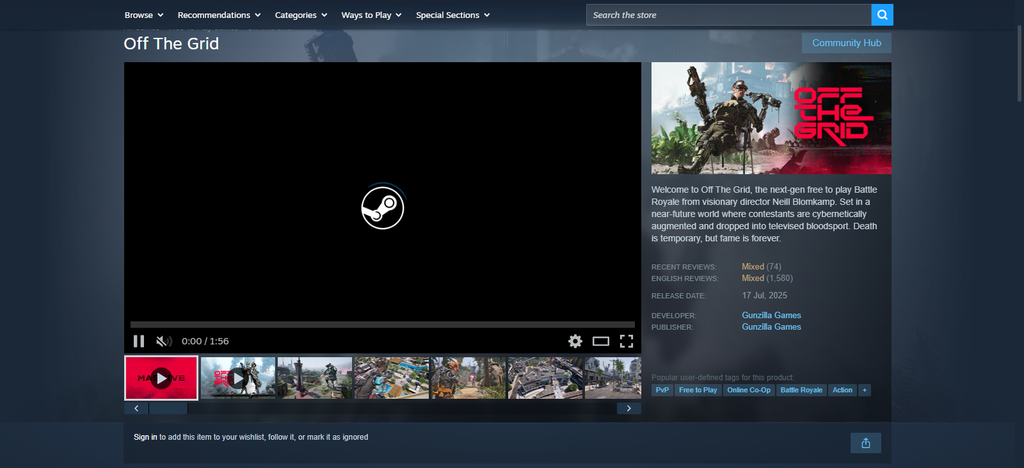
Players can access in-game items and digital resources eligible for NFT ownership and trade. OpenSea now supports integration with GUNZ-based assets, opening up marketplace possibilities outside the game environment.
Transaction fees are based on network activity and marketplace policies, and the GUNZ infrastructure supports game specific transactions. Players are able to own eligible blockchain assets, but trading between unrelated blockchains is not a default function.
Features
- Merges battle royale shooting with cyberpunk-inspired gameplay.
- Powered by the GUNZ blockchain infrastructure, built on Avalanche technology.
- Supports tradable eligible in-game digital resources.
- Marketplace integration for supported collectibles.
- Links the gameplay progression with the ownership of in-game items via blockchain.
Pros
- Includes multiplayer gameplay, action-oriented.- Mixes up classic shooter elements with Web3 components.
- Provides opportunities to own digital properties.
- Built on dedicated blockchain infrastructure for gaming.- Optionalizes the blockchain functionality in the experience.
Disadvantages
- Blockchain features may vary by platform.
- Availability in the marketplace is subject to supported assets.
- Competitive gameplay may have a learning curve.
-Demand for digital resources can fluctuate.- Not all cross-chain transfers are supported.
7. Shrapnel
Development on Shrapnel started around 2021 as a blockchain-enabled first-person extraction shooter focused on competitive gameplay and content created by users. The ecosystem primarily depends on the Avalanche blockchain, with SHRAP being its native utility token.
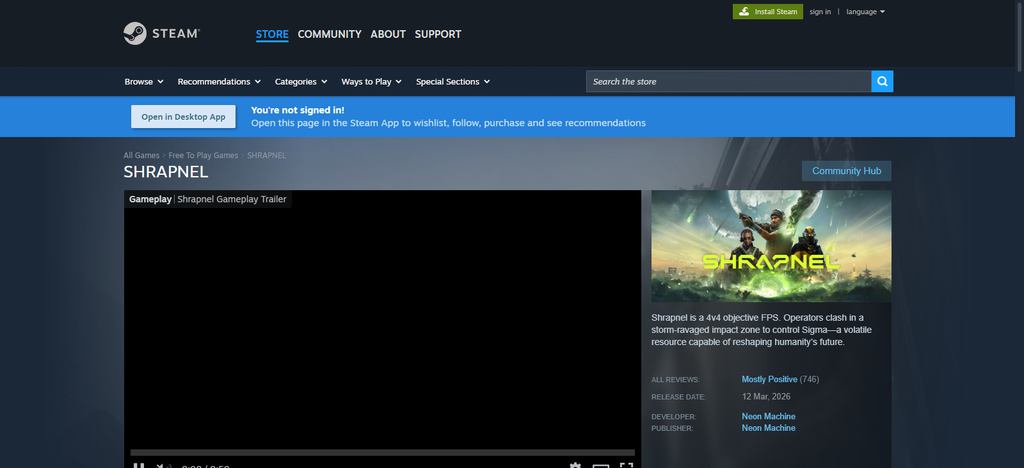
Players can help in making, collecting and trading eligible digital resources such as cosmetic items and other game-related collectibles. It has infrastructure for marketplace to facilitate NFT-based asset transactions and player-driven digital economies.
Trading fees are not a single fixed rate but vary depending on marketplace policies, blockchain gas costs, and transaction requirements. If the blockchain asset is eligible , you can keep it in your own wallet . For cross-chain asset transfers , you need compatible infrastructure so you can not expect this for all collectibles .
Features
- Features tactical first person extraction shooter gameplay.- Makes use Avalanche – based blockchain infrastructure.
- SHRAP utility in ecosystem.
- Focused on digital collectibles, equipment and content made by the makers.
- Links in-game assets to blockchain-based ownership and trading.
Pros
- Competitive extraction shooter mechanics.
- Merges gaming with digital asset ownership.
- Promotes player creativity and content created by users.
- Offers an item-based game economy.- Utilizes dedicated blockchain infrastructure for qualifying assets;
Disadvantages
- Mechanics of competitive shooting can be hard for casual players.
- Development of games and availability of features may change.- Liquidity on NFT marketplaces might vary.
- There may be additional costs for blockchain transactions.
Cross-chain asset interoperability remains limited.
8. Axie Infinity
Axie Infinity is a blockchain gaming ecosystem founded in 2018 that focuses on collecting, breeding and battling digital creatures known as Axies. It began with Ethereum, then launched Ronin, its own gaming blockchain, to enhance transaction efficiency and reduce costs.
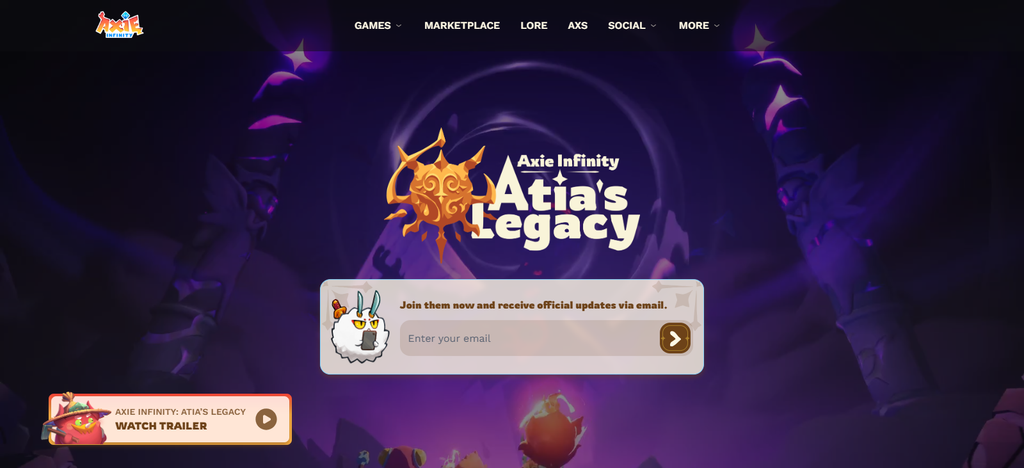
Players can buy, sell and own Axie NFTs, land, accessories and other eligible digital collectibles through the Axie Marketplace. AXS is the governance and ecosystem participation. SLP is game-play related utility.
The cost of using the marketplace and the network depends on the asset and the type of transaction. Players keep their NFTs in a supported wallet and can manage supported NFTs using a supported wallet. Ethereum and Ronin connectivity provides migration paths, but not all assets trade freely cross-chain.
Features
- Features creature collecting, breeding, and strategic battles.- Runs primarily on the Ronin blockchain.
- Supports Axie NFTs, land, accessories, collectibles.
- Adds Axie Marketplace for eligible NFT transactions.
- Uses AXS and SLP as governance and utility tokens in-game.
Pros
- Established ecosystem of blockchain gaming.- Grants ownership of collectible creature.
- Breeding and strategy game mechanics included.
- Allows trading on dedicated NFT marketplaces.
- Leverage Ronin’s gaming-first infrastructure.
Disadvantages
- It can take a long time to progress in the competition.
- Token values vary a lot.
- NFT trading demand is based on the player activity.
- Some game features require knowledge of blockchain wallet.
- Additional compatibility requirements for cross-chain asset movement.
9. Aurory
Aurory was launched in 2021 as a blockchain gaming ecosystem, featuring role-playing adventures, collectible creatures, and tactical gameplay. It supports both Solana and Arbitrum and allows eligible digital resources to work across two different blockchain ecosystems.
Its SyncSpace infrastructure connects gaming accounts to blockchain-based assets such as playable characters, skins and Neftie collectibles. Players can manage eligible assets and trade them on the Aurory marketplace, with supported transactions using the AURY ecosystem token.
Trading costs will be determined by the blockchain you’ve selected and the market conditions. Players still own assets withdrawn to compatible wallets. One of the most relevant examples of cross-chain asset interoperability is Aurory with its Solana – Arbitrum integration.
Features
- Merges role-playing quests with tactical monster fights.- Supports both the Solana and Arbitrum blockchain ecosystems.
- Includes Nefties, collectibles characters and digital gaming assets.
- Integrates marketplace functionality for qualifying NFT transactions.
- Uses AURY for token utility related to the ecosystem.
Pros
- Provides access to two blockchain systems.
- Supports ownership of digital collectible assets
- Blends exploration with strategy gameplay.
- Allows marketplace integration for qualifying assets.
- Enables cross-chain interoperability via supported infrastructure.
Disadvantages
- Blockchain integration can be confusing for new users.
- Marketplace demand determines asset trading.
- Transaction fees may differ from one network to another.- Not all NFT can be transferred across chains.
- Gameplay and ecosystem development can evolve over time.
10. The Sandbox
The Sandbox was initially created in 2012 by Pixowl as a gaming platform, then it evolved into a blockchain-powered metaverse ecosystem. Its Web3 infrastructure is mainly based on Ethereum and Polygon, supporting virtual land, avatars, equipment and user-generated digital collectibles.
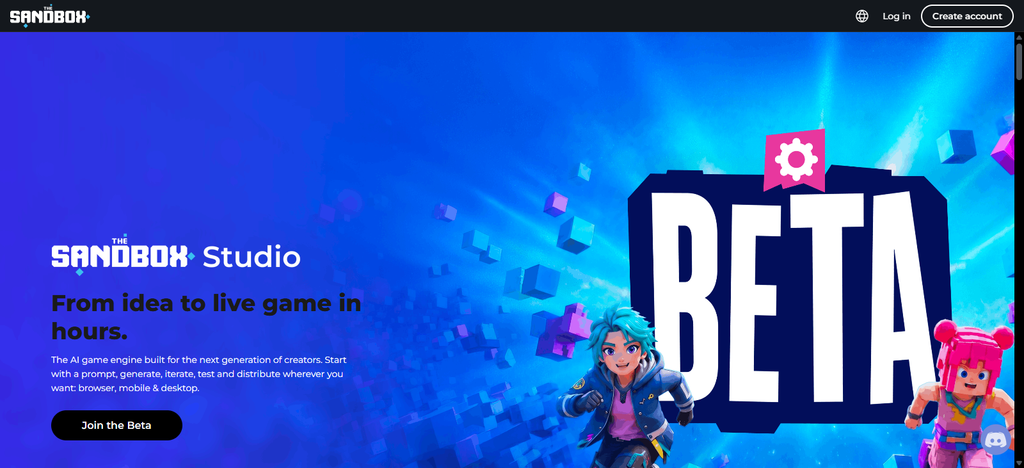
The Sandbox Marketplace allows players and creators to buy, create and trade eligible NFT assets. SAND is the main utility token of the ecosystem for marketplace transactions and platform activities.
Purchases in the marketplace are usually made using Polygon to reduce transaction fees, but POL gas fees may be applied depending on the wallet settings. Players hold eligible blockchain-based NFTs, and Ethereum-to-Polygon asset bridging offers network flexibility, not automatic cross-game interoperability.
Features
- Offers voxel-based metaverse building and social gaming experiences.
- Mainly supports Ethereum and Polygon infrastructure.• Features LAND NFTs, avatars, equipment and digital collectibles.
- Integrates The Sandbox Marketplace to buy and sell assets.
- SAND is used for marketplace transactions and ecosystem activities.
Pros
- Offers creative freedom with user generated material.
- Allows ownership of virtual land and collectibles.
- Marketplace integration for digital resources
- Blends social interaction with online experiences.
- Supports Ethereum and Polygon based asset infrastructure.
Disadvantages
- Technical skills are needed to develop advanced experiences.
-Virtual land can cost a lot to buy. - Asset demand is contingent on ecosystem participation.
- Marketplace activity can vary.- Cross-chain asset transfers require bridging infrastructure support.
Conclusion
Cross-chain asset trading in Web3 games opens up new opportunities for players to own, manage and trade digital objects across blockchain ecosystems. Games such as Illuvium, Big Time, Pixels, Star Atlas, Parallel, Off The Grid, Shrapnel, Axie Infinity, Aurory and The Sandbox showcase different approaches to NFT ownership, marketplace integration and blockchain-based gameplay. But their cross-chain capabilities differ, with some supporting multiple networks while others depend on single blockchain ecosystems.
By 2026, players will want to look at things like which blockchains are supported, how they can trade NFTs, transaction fees, wallet compatibility, asset ownership, and transfer restrictions before choosing a game to play.
FAQ
What Are Web3 Games With Cross-Chain Asset Trading?
Web3 games with cross-chain asset trading allow players to own, manage, and trade eligible digital assets across different blockchain networks using compatible wallets, marketplaces, and interoperability infrastructure.
Which Are the Best Web3 Games With Cross-Chain Asset Trading in 2026?
Some notable games include Illuvium, Big Time, Pixels, Star Atlas, Parallel, Off The Grid, Shrapnel, Axie Infinity, Aurory, and The Sandbox.
Can Players Trade NFTs Between Different Blockchain Networks?
Yes, when supported bridges or cross-chain protocols are available. However, not every gaming NFT supports cross-chain transfers, and some assets remain restricted to their original blockchain.
Which Blockchains Are Commonly Used in Web3 Gaming?
Ethereum, Solana, Polygon, Ronin, Avalanche, Immutable, Arbitrum, and Base are among the blockchain networks used by Web3 gaming ecosystems.
Can Players Earn Money Through Web3 Games?
Some Web3 games allow players to earn tokens, sell eligible NFTs, or trade digital collectibles. However, earnings are not guaranteed and depend on gameplay, market demand, and asset values.
