
In this article, I will talk about the Best Web3 Games With Cross-Chain Asset Trading. I will look at platforms that allow players to own, trade and manage digital gaming assets across blockchain networks. I will break down their NFT marketplaces, supported assets, blockchain compatibility, transaction fees, gameplay features, and trading opportunities to help readers compare their options in 2026.
What Is Web3 Games With Cross-Chain Asset Trading?
Web3 games with cross-chain asset trading are blockchain-based gaming platforms that enable players to own, buy, sell and transfer eligible digital resources across different blockchain networks. These games leverage technologies like blockchain bridges, smart contract technology, and interoperability protocols to link gaming ecosystems.
Players can trade assets such as NFTs, characters, weapons, skins, virtual land, and collectible cards at the supported marketplaces.
Cross-chain functionality can increase asset accessibility, trading flexibility and digital ownership. However, not all Web3 games allow for cross-chain transfers directly. It is contingent upon the blockchain infrastructure of the game, the networks it supports, and the asset standards it employs.
Key Points
| Game | Blockchain Ecosystem | Cross-Chain Asset Trading Feature | Key Highlight |
|---|---|---|---|
| Illuvium | Ethereum & Immutable zkEVM | NFT assets and marketplace infrastructure operate across Ethereum-compatible ecosystems. | One of the largest AAA Web3 gaming ecosystems with tradable NFT assets. |
| Pixels | Ronin | Supports NFT avatars and assets from multiple Web3 communities, enabling interoperability across ecosystems. | Popular farming MMORPG with player-owned NFTs and trading. |
| Guild of Guardians | Immutable zkEVM | Players own and trade on-chain heroes and equipment through Immutable’s gaming infrastructure. | Mobile RPG focused on true digital ownership. |
| Gods Unchained | Immutable zkEVM | Tradable NFT cards with interoperability benefits from Immutable’s broader Web3 ecosystem. | Leading Web3 trading card game with player-owned cards. |
| Parallel TCG | Ethereum & Base | NFT cards can be owned, traded, and sold while operating across multiple blockchain ecosystems. | Competitive sci-fi trading card game with NFT ownership. |
| Big Time | Open Loot Ecosystem | Features marketplace infrastructure supporting digital asset trading across the Open Loot platform. | AAA action RPG with player-driven economy and NFT collectibles. |
| The Sandbox | Ethereum & Polygon | LAND, SAND, and ASSET NFTs can be bridged between Ethereum and Polygon networks. | One of the largest metaverse ecosystems with tradable virtual land. |
| Axie Infinity | Ronin & Ethereum | Assets move between Ronin and Ethereum networks through dedicated bridge infrastructure. | Pioneer Web3 game featuring NFT creatures and marketplace trading. |
| Star Atlas | Solana | Tradable NFT-based ships, land, and resources within a large blockchain gaming economy. | Ambitious space exploration and strategy metaverse. |
| BLOCKLORDS | Immutable & Polygon | Uses blockchain-based ownership and tradable assets across supported ecosystems. | Medieval grand-strategy game with player-owned economies. |
1. Illuvium
Established: 2020
Illuvium is a blockchain-based RPG and auto-battler game that features exploration, creature collection, and competitive battles. The ecosystem uses Ethereum and Immutable X infrastructure to allow digital asset ownership and NFT trading.
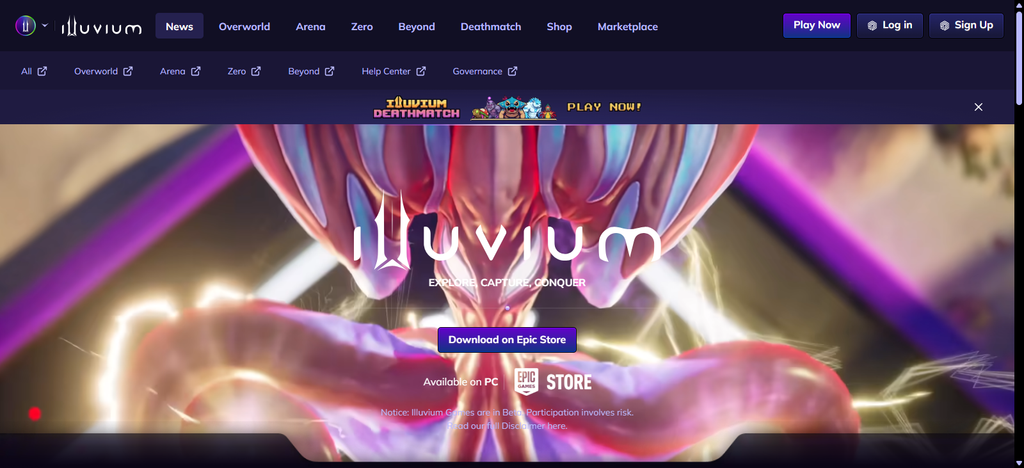
Supported NFTs will be available on compatible marketplaces and players will be able to collect Illuvials, weapons, equipment and other digital collectibles. Its integration with Immutable X allows for gas-free NFT transactions, while its underlying blockchain security is based on Ethereum.
Transaction costs are the basis for network and marketplace operations. Illuvials and gear have practical gameplay utility in terms of collection, progression, and battles. But don’t mistake its multi-chain infrastructure for free-form cross-chain asset transfers.
Illuvium – Key Features
| Feature | Details |
|---|---|
| Open-World Exploration | Explore a fantasy world, discover locations, and capture digital creatures called Illuvials. |
| NFT Creature Ownership | Collect and own eligible Illuvial NFTs with different abilities and characteristics. |
| Auto-Battler Gameplay | Build teams of creatures and compete in strategic automated battles. |
| Ethereum Integration | Uses Ethereum and Immutable infrastructure for blockchain-based asset ownership. |
| NFT Marketplace | Trade eligible Illuvials, collectibles, and other supported digital assets. |
| Land Ownership | Own virtual land NFTs and participate in resource-related activities. |
| In-Game Asset Utility | Use collected creatures and equipment for exploration, collection, and battles. |
| Cross-Chain Infrastructure | Supports Ethereum-related infrastructure, but unrestricted cross-chain asset transfers should not be assumed. |
2. Pixels
Established: 2021
Pixels is a social Web3 farming and exploration game in which players can collect resources, complete quests, develop skills, and build virtual farms. Released in 2021, it first ran on Polygon before moving to Ronin in 2023.
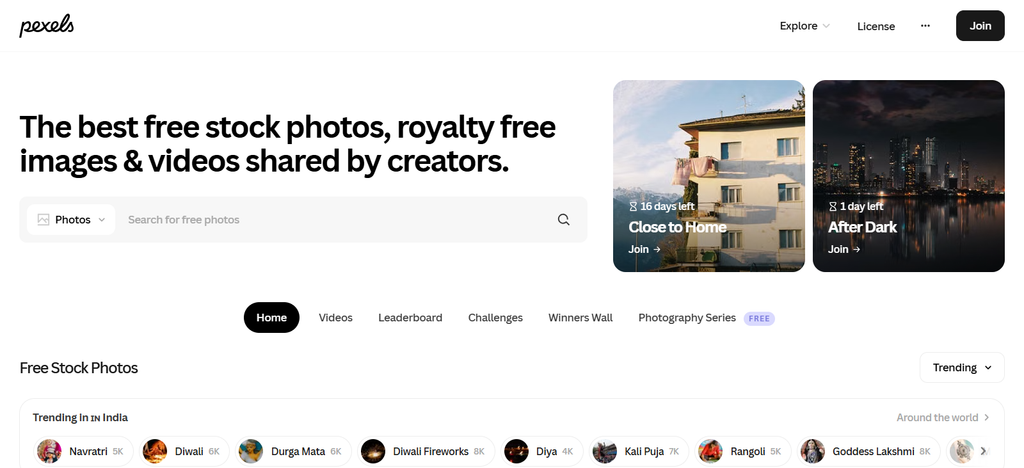
Its blockchain ecosystem supports Farm Land NFTs, collectible avatars and the PIXEL utility token. Players can trade supported NFTs through the Ronin marketplace, and PIXEL unlocks premium features, NFT minting, guild access, and upgrades.
Ronin has a gaming-focused ecosystem and relatively low costs for transactions. Its avatar integrations allow for cross-collection interoperability, but that’s not to say any NFT or gaming asset is free to roam between blockchains.
Pixels – Key Features
| Feature | Details |
|---|---|
| Farming Gameplay | Grow crops, gather resources, complete quests, and develop virtual farms. |
| Virtual Land NFTs | Own eligible virtual land assets with different gameplay opportunities. |
| Ronin Blockchain | Uses Ronin for blockchain-based ownership and digital asset transactions. |
| PIXEL Token | Supports premium features, selected purchases, and ecosystem activities. |
| NFT Collectibles | Collect and trade supported avatars, land, and other digital collectibles. |
| Social Gaming | Interact with other players, participate in communities, and join guild activities. |
| Marketplace Trading | Trade eligible digital assets through compatible Ronin marketplaces. |
| Avatar Interoperability | Supports selected avatar integrations, although not every asset is transferable across games or chains. |
3. Guild of Guardians
Established: 2020
Guild of Guardians is a mobile squad-based RPG where players can collect Guardians, create teams, complete missions and fight enemies. The project started development in 2020 and was officially launched in 2024.
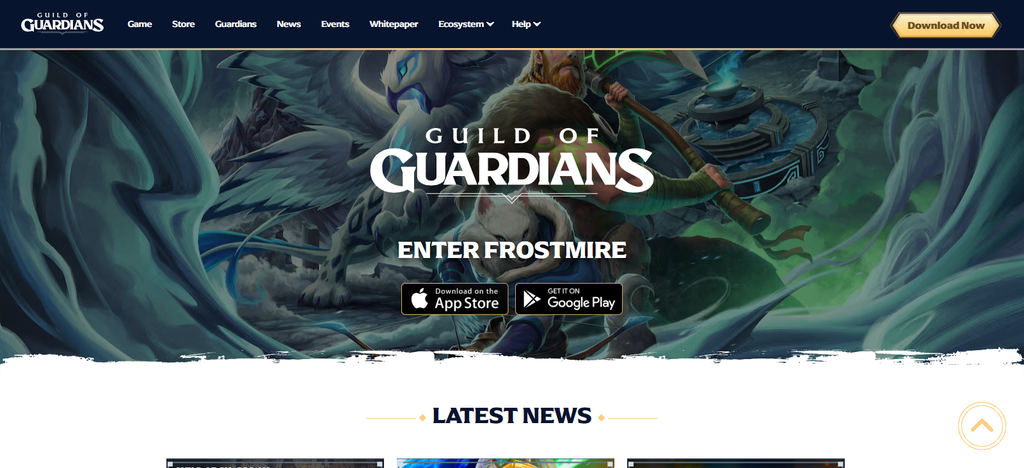
Its blockchain infrastructure is based on Immutable zkEVM and its GOG token is an ERC-20 asset on Ethereum. ERC-721 tokens are tradable NFTs such as guardians, pets, and in-game items. These collectibles can be utilized by players to improve their teams and accelerate their game progression.
Immutable’s gas sponsored transactions can help to lower the cost of player transactions. However, Ethereum token availability and support for Immutable zkEVM assets do not allow free cross-chain NFT trading or automatic asset portability.
Guild of Guardians – Key Features
| Feature | Details |
|---|---|
| Squad-Based RPG | Build teams of Guardians and participate in cooperative and competitive adventures. |
| Guardian NFTs | Collect eligible digital Guardians with different abilities and characteristics. |
| Mobile Gaming | Provides mobile-focused gameplay and accessible RPG experiences. |
| Immutable zkEVM | Uses Immutable blockchain infrastructure for supported digital assets. |
| Equipment Collection | Acquire and manage eligible equipment and collectibles. |
| GOG Token | Supports ecosystem participation and selected in-game activities. |
| Strategic Battles | Develop team combinations and use character abilities to overcome enemies. |
| NFT Marketplace | Trade eligible blockchain-based collectibles through supported marketplaces. |
4. Gods Unchained
Founded 2018
Gods Unchained is a blockchain powered collectible card game where players build decks, battle strategically and collect digital cards. Founded in 2018, the game utilizes Immutable X technology and Ethereum-based assets.
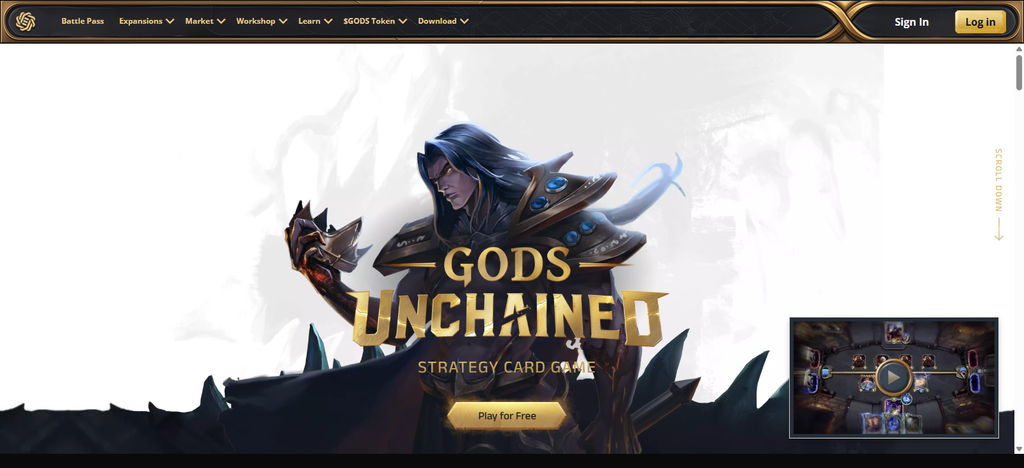
Players can buy, sell and trade eligible NFT cards through its marketplace. The GODS token can be used to craft cards, buy from the marketplace and be part of the ecosystem. Cards have immediate gameplay value, as players use them to build competitive decks and to formulate different strategies.
Immutable X makes trading NFTs gas-free, lowering transaction costs. Players can also move supported assets between Immutable X and Ethereum, via compatible infrastructure, although this doesn’t guaranty compatibility with all other gaming blockchains.
Gods Unchained – Key Features
| Feature | Details |
|---|---|
| Trading Card Gameplay | Build strategic decks and compete against other players using digital cards. |
| NFT Card Ownership | Own eligible blockchain-based cards rather than relying entirely on centralized inventories. |
| Immutable Integration | Uses Immutable infrastructure for NFT ownership and trading. |
| GODS Token | Supports selected ecosystem activities, crafting, and marketplace-related functions. |
| Card Marketplace | Buy and sell eligible collectible cards through supported marketplaces. |
| Strategic Deck Building | Combine different card abilities, gods, and strategies to create competitive decks. |
| Gas-Free NFT Trading | Immutable X supports gas-free NFT trading under its marketplace infrastructure. |
| Competitive Gaming | Participate in ranked matches and competitive card-game activities. |
5. Parallel TCG
Created: 2021.
Parallel TCG is a sci-fi collectible card game that combines competitive deck-building with blockchain-powered digital collectibles. The collectible cards are ERC-1155 digital resources on the Ethereum blockchain and the project was created in 2021.
Players can buy, own and trade eligible cards, and account-bound Apparition cards provide an alternative method for building decks without the purchase of NFTs. Its ecosystem also includes the PRIME token with rewards tied to digital collectibles and wider ecosystem utility From a gameplay perspective, collectible cards have a specific value as they represent characters and abilities that can be used in tactical duels.
Ethereum’s transaction costs vary with network conditions, and no assumption should be made about an unrestricted native cross-chain card-transfer mechanism.
Parallel TCG – Key Features
| Feature | Details |
|---|---|
| Science-Fiction Gameplay | Combines futuristic storytelling with competitive digital card battles. |
| NFT Trading Cards | Collect and trade eligible blockchain-based cards. |
| Faction-Based Decks | Build decks using different factions and their unique card abilities. |
| PRIME Token | Supports selected ecosystem rewards and digital collectible activities. |
| Ethereum Integration | Uses Ethereum-based NFT infrastructure for digital ownership. |
| Competitive Matches | Compete against other players using strategic deck combinations. |
| Digital Collectibles | Collect cards, avatars, and other eligible ecosystem assets. |
| Card Utility | Use owned cards to develop strategies and participate in gameplay. |
6. Big Time
Founded: 2020
Big Time is a multiplayer action RPG that blends time travel adventures, dungeon exploration, and combat with blockchain powered digital ownership. The Big Time team, which has Ethereum-based BIGTIME tokens and collectible NFTs including SPACE, Forges, Armories and Time Wardens in its ecosystem, developed it.
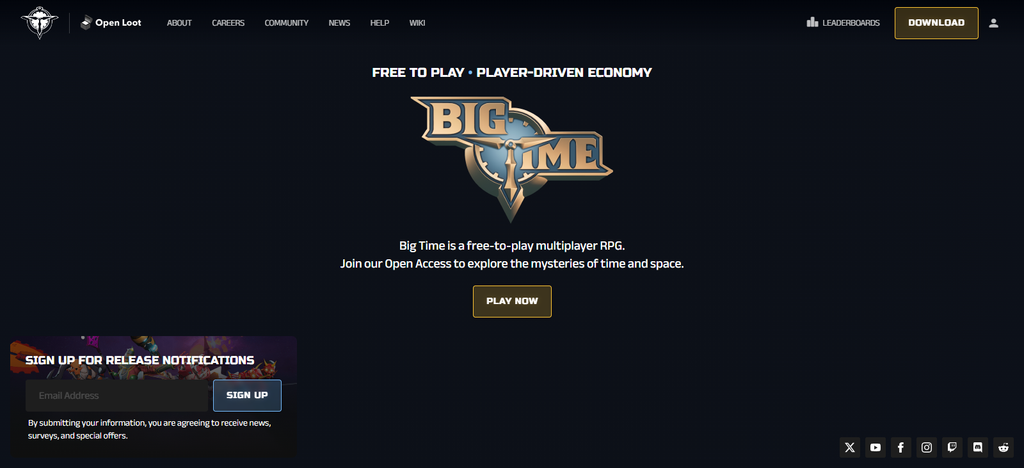
Open Loot enables players to trade and acquire eligible cosmetic and utility assets. The BIGTIME token is used for crafting, upgrades, production activities and in-game progression.
Open Loot does keep some player balances off-chain to reduce friction and enable quicker gameplay transactions, but Ethereum withdrawals to external addresses are still subject to blockchain fees. Its Ethereum-based assets can be transferred to compatible wallets, but cross-chain NFT interoperability is not free and open.
Big Time – Key Features
| Feature | Details |
|---|---|
| Multiplayer Action RPG | Explore dungeons, fight enemies, and complete adventures with other players. |
| Time-Travel Adventures | Experience different historical settings through time-based gameplay. |
| SPACE NFTs | Own eligible virtual SPACE assets that provide access to specialized crafting environments. |
| Cosmetic Collectibles | Collect eligible cosmetic items and other digital assets. |
| Open Loot Marketplace | Trade supported digital collectibles through the game’s marketplace ecosystem. |
| Crafting System | Use specialized equipment and crafting stations to produce eligible items. |
| BIGTIME Token | Supports selected crafting and production-related game activities. |
| Player Progression | Develop characters, improve equipment, and unlock additional gameplay opportunities. |
7 The sandbox
Established: 2012 (original game)
The Sandbox is a blockchain-based metaverse where players can create experiences, build virtual real estate, collect digital items and trade NFTs. Its original mobile game was released in 2012, while its blockchain-based metaverse development began in 2018.
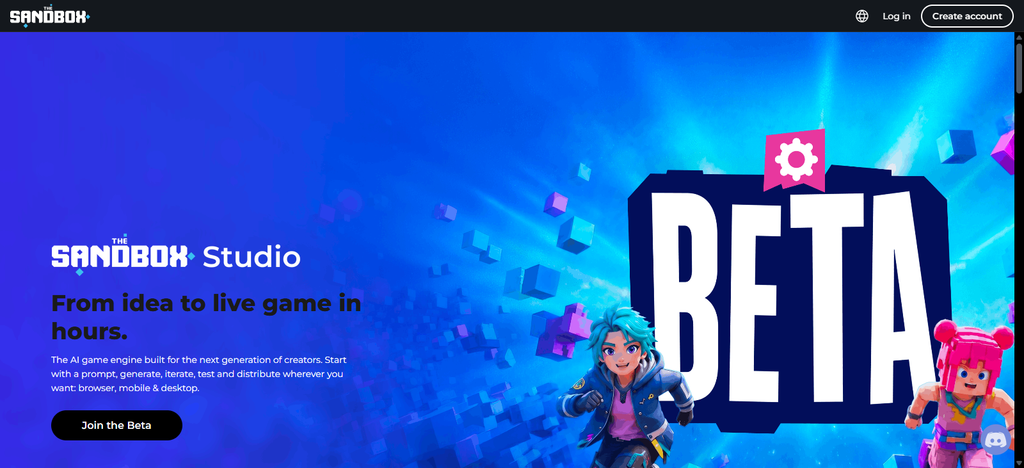
The platform is live on the Ethereum and Polygon networks, with a dedicated bridge to allow players to transfer eligible SAND tokens and LAND NFTs between the two. Other supported assets include avatars, equipment, virtual objects and creator-created collectibles.
SAND fuels marketplace transactions and ecosystem activities, while LAND provides ownership of virtual property and gameplay utility. Transaction costs are cheaper on Polygon whereas on Ethereum, it relies on gas prices. This is a good example of recorded cross-chain asset movement in the sand box.
The Sandbox – Key Features
| Feature | Details |
|---|---|
| Virtual Land Ownership | Purchase and own eligible LAND NFTs within the metaverse. |
| User-Generated Content | Create virtual experiences, games, and interactive environments. |
| SAND Token | Supports marketplace purchases and ecosystem transactions. |
| Cross-Chain Asset Transfers | Supports eligible Ethereum and Polygon asset transfers through its bridge infrastructure. |
| NFT Marketplace | Buy, sell, and trade supported digital collectibles and virtual assets. |
| Avatar Customization | Create and customize avatars with eligible digital items. |
| Game Maker Tools | Build interactive gaming experiences without requiring extensive programming knowledge. |
| Creator Economy | Monetize eligible digital creations and participate in the platform’s virtual economy. |
8. Axie Infinity
Established: 2018
Axie Infinity is a creature-collecting game built on blockchain, where players can collect Axies, breed creatures, build teams and battle. It was launched in 2018 and its ecosystem operates primarily on Ronin, an Ethereum-compatible blockchain created for gaming.
Its tradable assets include Axie NFTs, virtual land, collectible items and ecosystem tokens such as AXS and SLP. Eligible NFTs are available for players to buy and sell within the Axie marketplace. Compatible assets can also be transferred between Ronin and Ethereum via the Ronin Bridge.
Ronin helps to lower the transaction costs compared to doing transactions frequently on the Ethereum mainnet. Axies are directly useful in gameplay, such as forming teams, breeding and battling. Transfers across chains do not guaranty that the Axie will be usable for other games.
Axie Infinity – Key Features
| Feature | Details |
|---|---|
| Creature Collection | Collect digital creatures called Axies with different characteristics and abilities. |
| NFT Ownership | Own eligible Axie NFTs and manage them through compatible wallets. |
| Ronin Blockchain | Uses a gaming-focused blockchain ecosystem for digital asset transactions. |
| Axie Marketplace | Purchase and sell eligible Axies and other supported digital collectibles. |
| Breeding Mechanics | Breed eligible Axies to create new creatures with different characteristics. |
| AXS Token | Supports governance and selected ecosystem activities. |
| SLP Token | Functions as an in-game utility token within supported game mechanics. |
| Ronin Bridge | Enables supported asset transfers between Ronin and Ethereum. |
9. Star Atlas
Established: 2021
Star Atlas is a space exploration and strategy metaverse built on the blockchain, centering around spaceships, resource management, faction rivalry and territory control. Founded in 2021, the game utilizes Solana for its digital asset infrastructure.
Its NFT ecosystem consists of spaceships, land, equipment, collectible items and other in-game resources. Its NFT marketplace allows players to trade eligible assets and use them in exploration, mining, fleet management and strategic activities.
ATLAS is the in-game economic token, and POLIS is the governance token. Solana typically has relatively low transaction costs and fast settlement. Star Atlas, however, is primarily built on Solana and its NFT trading is not the same as native cross-chain asset bridging.
Star Atlas – Key Features
| Feature | Details |
|---|---|
| Space Exploration | Explore a futuristic universe with spacecraft, planets, and different environments. |
| Spaceship NFTs | Collect and trade eligible spacecraft with different capabilities. |
| Solana Blockchain | Uses Solana for blockchain-based digital asset ownership. |
| ATLAS Token | Supports the in-game economy and marketplace-related activities. |
| POLIS Token | Provides governance-related utility within the Star Atlas ecosystem. |
| NFT Marketplace | Trade eligible ships, equipment, resources, and collectibles. |
| Resource Management | Collect resources and participate in economic activities. |
| Faction-Based Gameplay | Participate in competing factions and strategic space activities. |
10. BLOCKLORDS
Established: 2018
BLOCKLORDS is a medieval strategy game that mixes building your kingdom, producing resources, economic decisions, and competition between players. Founded in 2018, the project integrates Web3 ownership into its gaming ecosystem. Its digital asset model comprises collectible Heroes and other game-related items that fuel player progression and strategy.
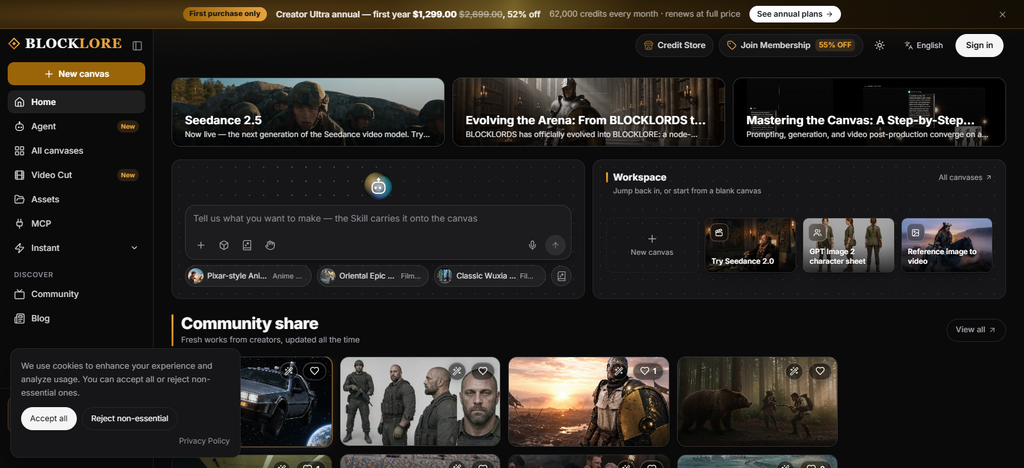
Players can create characters, manage resources, engage in battles and interact with the game’s player-driven economy. The availability of NFT trading and the cost of transactions depend on the marketplace and blockchain infrastructure supported.
The most powerful gameplay utility comes from character ownership, strategy choices and economic participation. However, players should check the current network, bridge availability, and supported asset-transfer routes before they consider BLOCKLORDS a fully cross-chain trading game.
BLOCKLORDS – Key Features
| Feature | Details |
|---|---|
| Medieval Strategy Gameplay | Build kingdoms, manage resources, and participate in strategic competitions. |
| Hero NFTs | Collect eligible digital Heroes with different attributes and gameplay roles. |
| Player-Driven Economy | Participate in resource production, trading, and economic activities. |
| Kingdom Management | Develop territories and manage different aspects of virtual kingdoms. |
| Strategic Battles | Use Heroes and resources to participate in competitive gameplay. |
| Digital Asset Ownership | Supports blockchain-based ownership of eligible gaming collectibles. |
| NFT Trading | Trade supported Heroes and other eligible assets through compatible marketplaces. |
| Economic Progression | Develop in-game assets and strengthen your position through strategic decisions. |
Comparison Table: 10 Best Web3 Games With Cross-Chain Asset Trading in 2026
| Web3 Game | Founded Year | Blockchain | NFT Trading | Supported Assets | Native Token |
|---|---|---|---|---|---|
| Illuvium | 2020 | Ethereum, Immutable | Yes | Illuvials, Land, Equipment | ILV |
| Pixels | 2021 | Ronin | Yes | Land, Avatars, Collectibles | PIXEL |
| Guild of Guardians | 2020 | Immutable zkEVM | Yes | Guardians, Pets, Items | GOG |
| Gods Unchained | 2018 | Ethereum, Immutable X | Yes | Trading Cards, Collectibles | GODS |
| Parallel TCG | 2021 | Ethereum | Yes | NFT Cards, Collectibles | PRIME |
| Big Time | 2020 | Ethereum ecosystem | Yes | SPACE, Forges, Armories, Collectibles | BIGTIME |
| The Sandbox | 2012 | Ethereum, Polygon | Yes | LAND, ASSETS, Avatars | SAND |
| Axie Infinity | 2018 | Ronin, Ethereum | Yes | Axies, Land, Items | AXS, SLP |
| Star Atlas | 2021 | Solana | Yes | Spaceships, Land, Equipment | ATLAS, POLIS |
| BLOCKLORDS | 2018 | Blockchain ecosystem | Yes* | Heroes, Gaming Items | LRDS |
Conclusion
Web3 games with cross-chain asset trading are opening up new opportunities for players to own, trade and manage digital gaming assets across different blockchain ecosystems. Illuvium, The Sandbox, Gods Unchained, Axie Infinity, and Big Time approach NFT ownership, marketplaces, and blockchain-powered gameplay in different ways.
However, they vary widely in cross-chain capabilities, supported assets, transaction fees, and bridge compatibility. Players should assess real asset transfer options, marketplace availability, wallet support, and gameplay utility before deciding on a game.
Understanding these differences can help gamers choose Web3 experiences that offer more asset ownership, trading flexibility and long-term ecosystem value in 2026.
FAQ
What Are Web3 Games With Cross-Chain Asset Trading?
Web3 games with cross-chain asset trading allow players to own, transfer, and trade eligible digital assets across supported blockchain networks using bridges or interoperability technology.
Which Web3 Games Support NFT Trading?
Illuvium, Pixels, Gods Unchained, Parallel TCG, Axie Infinity, The Sandbox, and Big Time offer NFT-related ownership or trading features through their respective ecosystems.
What Types of Assets Can Players Trade in Web3 Games?
Players can trade NFTs such as characters, weapons, skins, virtual land, collectible cards, spaceships, equipment, and other eligible in-game digital items.
How Does Cross-Chain Asset Trading Work?
Cross-chain trading uses blockchain bridges or interoperability protocols to transfer or represent supported digital assets between different blockchain networks.
Do Cross-Chain Web3 Games Require Crypto Wallets?
Most blockchain-based games support crypto wallet connections for managing NFTs, tokens, marketplace transactions, and digital asset ownership.