
In this article, I will explore the Best Blockchain Games With Player-Owned Assets and NFT Trading, highlighting games that allow players to collect, own, use and trade virtual assets. We’ll look into their blockchain networks, NFT marketplaces, asset ownership features, trading opportunities, earning mechanisms, and unique gameplay experiences to help you choose the right blockchain game.
What Is Blockchain Games?
Blockchain games are digital games that use blockchain technology to support asset ownership, cryptocurrency transactions, and economies based on NFTs. Unlike traditional games, they allow players to own eligible in-game assets including characters, weapons, virtual land, trading cards and collectibles as NFTs. These assets can be stored in compatible crypto wallets and traded on supported marketplaces. Blockchain games are played on networks like Ethereum, Solana, Ronin and Immutable. Some also provide earning opportunities through gameplay rewards, crafting, NFT sales and virtual asset trading, giving players more control over their digital collections and gaming experiences.
Key Points
| Game | Key Player-Owned Assets | Blockchain |
|---|---|---|
| Axie Infinity | Axies, Land, Items | Ronin |
| Pixels | Land, Resources, NFTs | Ronin |
| Illuvium | Illuvials, Land, Equipment | Immutable |
| Big Time | Cosmetic NFTs, Collectibles | Ethereum |
| Gods Unchained | NFT Trading Cards | Immutable |
| Parallel | NFT Cards, Digital Assets | Ethereum |
| Ember Sword | Land, Cosmetic Assets | Ethereum |
| Star Atlas | Ships, Land, Equipment | Solana |
| The Sandbox | LAND, Avatars, Assets | Ethereum |
| Decentraland | LAND, Wearables, Virtual Goods | Ethereum |
1. Axie Infinity
Axie Infinity is a blockchain-based gaming platform where players collect, breed, battle and trade digital creatures known as Axies. The game is built on the Ronin blockchain, and allows players to own collectible Axies, land and other supported digital resources such as NFTs.
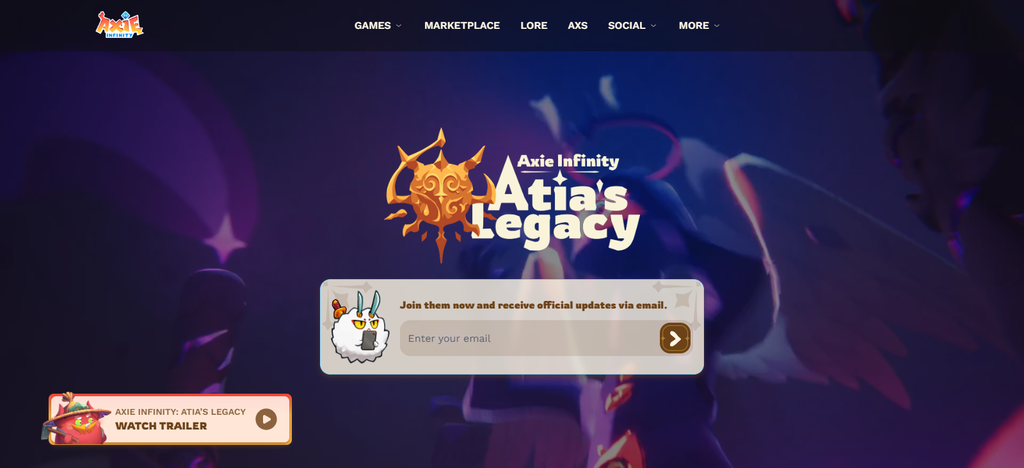
Players can use compatible wallets to manage their NFTs and trade eligible assets through the Axie Marketplace. Axies have different abilities, body parts and rarity characteristics which affect their usefulness in gameplay.
The ecosystem also uses AXS and SLP tokens for governance and some in-game activities. You can earn by playing the game, trading NFT and other ways. Please check marketplace commissions, transaction costs and breeding expenses before trading.
Axie Infinity – Key Characteristics
| Characteristics | Details |
|---|---|
| Game Genre | NFT-based creature collection and strategy battles |
| Blockchain Network | Ronin |
| Native Tokens | AXS and SLP |
| Player-Owned Assets | Axies, land, and eligible digital collectibles |
| NFT Marketplace | Axie Marketplace and supported Ronin marketplaces |
| NFT Trading | Players can buy, sell, breed, and trade eligible Axies |
| Asset Utility | Axies participate in battles and supported game experiences |
| Earning Mechanism | Eligible gameplay rewards, breeding, and NFT trading |
| Wallet Support | Ronin Wallet |
| Standout Feature | Tradable creatures with collectible characteristics and gameplay utility |
2. Pixels
Pixels is a blockchain based farming and social MMORPG where players farm crops, gather resources, complete quests, master professions and participate in a player driven economy. Pixels is built on the Ronin blockchain and embraces digital ownership with select NFTs including limited Farm Land assets and compatible community avatars.
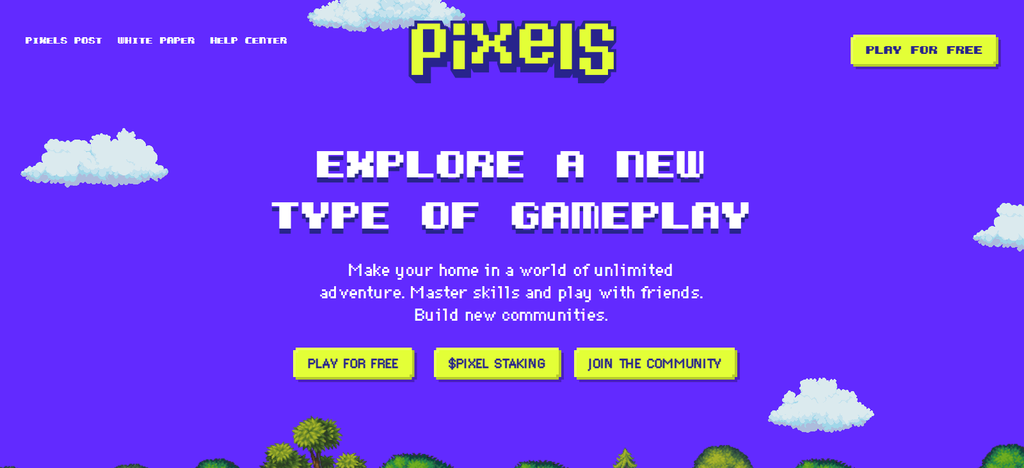
Landowners can personalize their plots, host other players and tap into economic opportunities related to land. PIXEL Token allows users to access premium features, progression activities, guild participation and ecosystem governance.
The Ronin Marketplace allows players to trade supported NFTs. Earning opportunities are tied to gameplay systems, events, and assets eligible at the time. Marketplace fees, land costs and token transaction fees differ depending on the activity and the platform.
Pixels – Key Characteristics
| Characteristics | Details |
|---|---|
| Game Genre | Farming, social MMO, and life simulation |
| Blockchain Network | Ronin |
| Native Token | PIXEL |
| Player-Owned Assets | Farm Land NFTs and supported collectibles |
| NFT Marketplace | Ronin Marketplace |
| NFT Trading | Trading eligible land and digital collectibles |
| Asset Utility | Land customization, farming, and resource-related activities |
| Earning Mechanism | Gameplay activities and eligible land-related opportunities |
| Wallet Support | Ronin Wallet |
| Standout Feature | Combines farming progression with a player-driven digital economy |
3. Illuvium
Illuvium is a connected blockchain gaming ecosystem made up of creature collection, exploration, auto-battling and digital asset trading. Its ecosystem consists of collectible Illuvials, land NFTs and other supported game assets that players can own and trade.
The IlluviDex marketplace allows peer-to-peer NFT transactions for eligible NFTs, while the Fuel Marketplace allows the trading of resources related to land. With integration, players will be able to catch illuvials, build collections, and use supported assets across connected gameplay experiences.
ILV is used for staking activities and ecosystem governance. Illuvium’s published marketplace rules state a 5% purchaser-paid commission on eligible secondary NFT transactions, while certain other activities have separate fees or zero marketplace commission.
Illuvium – Key Characteristics
| Characteristics | Details |
|---|---|
| Game Genre | Open-world RPG, creature collection, and auto-battler |
| Blockchain Network | Ethereum with Immutable X Layer 2 infrastructure |
| Native Token | ILV |
| Player-Owned Assets | Illuvials, land, and eligible collectibles |
| NFT Marketplace | IlluviDex |
| NFT Trading | Trading supported creature and land NFTs |
| Asset Utility | Creature collection, exploration, battles, and land activities |
| Earning Mechanism | Eligible gameplay activities, NFT trading, and staking-related opportunities |
| Wallet Support | Compatible Ethereum wallets |
| Standout Feature | Connects multiple gaming experiences through collectible digital assets |
4. Big Time
Big Time is a free-to-play multiplayer action RPG that combines traditional combat, dungeon exploration, crafting and player-owned digital collectibles. It includes a blockchain economy that allows players to create, upgrade and trade eligible cosmetic items, weapons and other collectibles.
Players may utilize SPACE-related crafting systems and the BIGTIME token for certain economic activities like crafting and upgrading collectibles. The Personal Metaverse offers customizable virtual spaces, and Pocket Watches allow character-class progression.
You can trade eligible items in supported marketplaces and game systems. You can get Time Crystals from gameplay and trading collectibles, but they are bound to your account and cannot be transferred to other players. Marketplace and transaction fees are dependent on trading platform.
Big Time – Key Characteristics
| Characteristics | Details |
|---|---|
| Game Genre | Multiplayer action RPG and dungeon exploration |
| Blockchain Network | Ethereum-based blockchain infrastructure |
| Native Token | BIGTIME |
| Player-Owned Assets | Eligible cosmetic collectibles and digital items |
| NFT Marketplace | Supported external marketplaces and game systems |
| NFT Trading | Trading eligible tokenized collectibles |
| Asset Utility | Cosmetic customization, crafting, and character progression |
| Earning Mechanism | Gameplay-based item acquisition and eligible collectible trading |
| Wallet Support | Compatible supported wallets |
| Standout Feature | Combines traditional action RPG gameplay with collectible digital ownership |
5. Gods Unchained
Gods Unchained is a competitive digital trading card game where players own eligible NFT cards and collectible assets. Built on Immutable X, the game lets players collect cards, build strategic decks, compete in matches and trade tokenized cards on supported marketplaces.
Players can use the GODS token for NFT crafting, certain purchases, governance, and qualifying staking. A card’s rarity and scarcity, as well as its utility in the game, can affect a collector’s interest and the demand for trading.
Players may be eligible to receive rewards through gameplay campaigns and promotional programs, but rewards are not guaranteed. Tokens and any relevant platform fees are needed to mint NFTs and marketplace transactions, so check those before trading.
Gods Unchained – Key Characteristics
| Characteristics | Details |
|---|---|
| Game Genre | Competitive digital trading card game |
| Blockchain Network | Immutable X (Ethereum Layer 2) |
| Native Token | GODS |
| Player-Owned Assets | NFT trading cards and eligible collectibles |
| NFT Marketplace | Gods Unchained Marketplace and supported external marketplaces |
| NFT Trading | Buying, selling, and trading eligible collectible cards |
| Asset Utility | Building decks and participating in competitive battles |
| Earning Mechanism | Eligible gameplay rewards, card trading, and crafting |
| Wallet Support | Compatible Ethereum wallets |
| Standout Feature | Gives players ownership of eligible digital cards used in strategic gameplay |
6. Parallel
Parallel is a sci-fi collectible card game that blends competitive deck-building with blockchain-based digital collectibles. Players collect cards from five factions, build decks and play strategic matches against one another. Players can connect supported eligible Ethereum and Base digital collectible cards to supported compatible wallets to manage their collections.
Unlike games with dedicated internal NFT exchanges, Parallel doesn’t operate its own NFT marketplace, and players can use supported external marketplaces such as OpenSea and Sanctuary. PRIME token is tied to eligible ecosystem rewards and ranked gameplay opportunities.
Players can also receive non-NFT card packs and cosmetics. NFT trading fees vary based on the external marketplace and the blockchain network used.
Parallel – Key Characteristics
| Characteristics | Details |
|---|---|
| Game Genre | Science-fiction collectible trading card game |
| Blockchain Network | Ethereum and Base |
| Native Token | PRIME |
| Player-Owned Assets | Eligible collectible cards and digital assets |
| NFT Marketplace | Supported external NFT marketplaces |
| NFT Trading | Buying and selling eligible tokenized cards |
| Asset Utility | Deck construction, faction strategies, and competitive matches |
| Earning Mechanism | Eligible competitive rewards and ecosystem activities |
| Wallet Support | Compatible Ethereum and Base wallets |
| Standout Feature | Combines science-fiction storytelling with strategic card ownership |
7. Ember Sword
Ember Sword is meant to be a multiplayer blockchain MMORPG with player owned land, cosmetic collectibles and tradeable digital items. The envisaged economy was based on community participation, NFT ownership and player-driven virtual experiences.
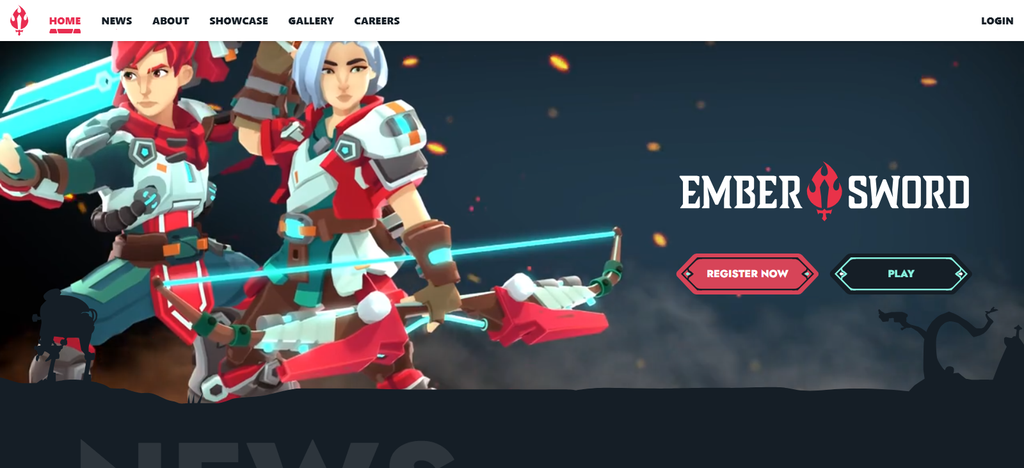
Players were expected to explore the game world and participate in its economy by collecting and trading eligible assets. But, after the development team was unable to secure additional funding, Ember Sword was canceled in May 2025.
Its servers were scheduled to be shut down so it can’t be considered an actively playable blockchain game in 2026. Current gameplay earnings, marketplace availability and NFT utility are not to be considered as active features.
Ember Sword – Key Characteristics
| Characteristics | Details |
|---|---|
| Game Genre | Multiplayer online role-playing game |
| Blockchain Network | Previously associated with Polygon and other blockchain infrastructure |
| Native Token | No active earning token system to recommend |
| Player-Owned Assets | Historically planned land and cosmetic NFTs |
| NFT Marketplace | No currently operational game marketplace established |
| NFT Trading | Historical asset trading; current functionality requires verification |
| Asset Utility | Originally designed for customization and virtual-world experiences |
| Earning Mechanism | No active gameplay earning mechanism |
| Wallet Support | Historical blockchain wallet integration |
| Standout Feature | Planned player-owned virtual land and community-driven MMORPG economy |
8. Star Atlas
Star Atlas is a sci-fi blockchain gaming ecosystem where players explore space, manage fleets, collect resources and participate in a player-driven economy. It lives on Solana and supports NFT ownership with spaceships, crew, structures, and other digital collectibles. The Galactic Marketplace lets players buy, sell and trade eligible assets.
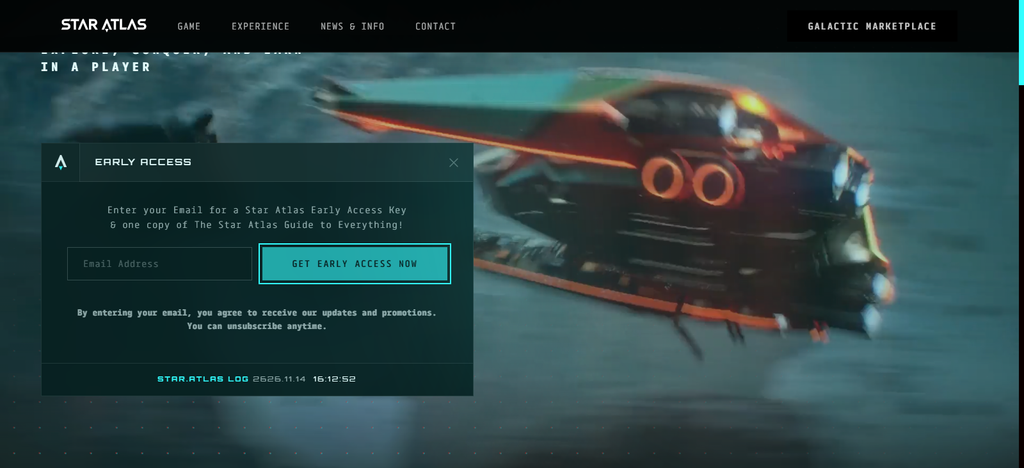
It has experience with SAGE strategy in mining, crafting, transportation and faction based economic activity. ATLAS allows ecosystem transactions and POLIS provides governance functionality. Players can also look into fleet rentals and eligible staking or faction-based reward opportunities. Marketplace commissions, Solana network fees and rental conditions are determined by transaction and service relevant.
Star Atlas – Key Characteristics
| Characteristics | Details |
|---|---|
| Game Genre | Science-fiction space MMO and strategy game |
| Blockchain Network | Solana |
| Native Tokens | ATLAS and POLIS |
| Player-Owned Assets | Spaceships, crew members, structures, and land-related assets |
| NFT Marketplace | Galactic Marketplace |
| NFT Trading | Buying, selling, and trading eligible Solana-based assets |
| Asset Utility | Space exploration, mining, crafting, and fleet management |
| Earning Mechanism | Eligible mining, resource activities, rentals, and ecosystem opportunities |
| Wallet Support | Compatible Solana wallets |
| Standout Feature | Player-driven space economy built around tradable spacecraft and resources |
9. The Sandbox
The Sandbox is a blockchain-based metaverse that allows players, creators and virtual landowners to build experiences, make digital collectibles and participate in NFT trading. Its ecosystem allows users to own LAND, avatars, equipment, voxel assets and other eligible NFTs.
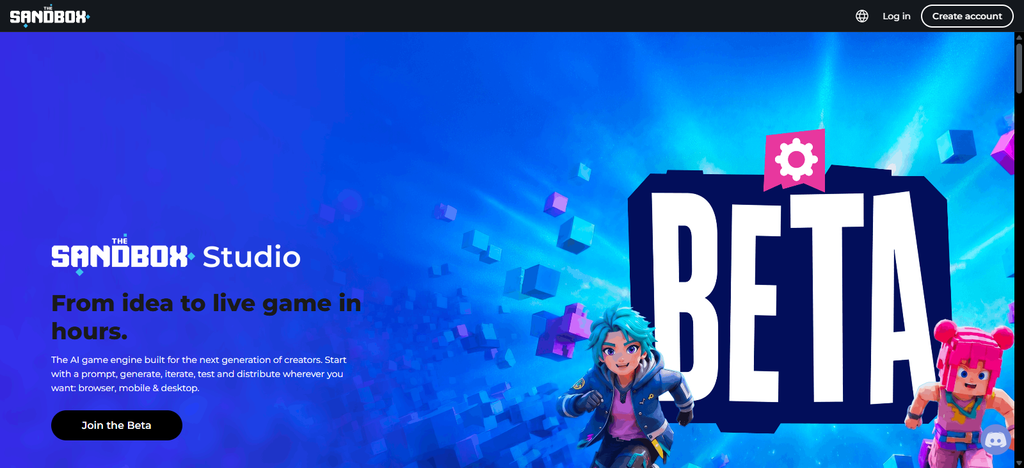
The Sandbox Marketplace allows players to buy and sell supported collectibles, and creators build digital experiences using VoxEdit and Game Maker. SAND is the utility token of the ecosystem and is used for transactions and certain activities on the platform.
The published secondary sale distribution of the marketplace is 95% for the seller, 2.5% for the original creator and 2.5% for The Sandbox. Land ownership and creator activities provide additional opportunities for monetization.
The Sandbox – Key Characteristics
| Characteristics | Details |
|---|---|
| Game Genre | Voxel-based metaverse and user-generated gaming platform |
| Blockchain Network | Ethereum and The Sandbox Layer 2 |
| Native Token | SAND |
| Player-Owned Assets | LAND, avatars, equipment, and voxel-based NFTs |
| NFT Marketplace | The Sandbox Marketplace |
| NFT Trading | Buying, selling, and trading supported digital assets |
| Asset Utility | Building virtual experiences, customizing avatars, and creating content |
| Earning Mechanism | Creator sales, eligible asset trading, and virtual experience monetization |
| Wallet Support | Compatible Ethereum wallets |
| Standout Feature | Allows creators to develop and monetize blockchain-based virtual experiences |
10. Decentraland
Decentraland is a decentralized virtual world where players and creators can explore digital worlds, attend events, create experiences, and own blockchain-based assets. LAND parcels, NAMEs, wearables and emotes as digital collectibles are part of its ecosystem.
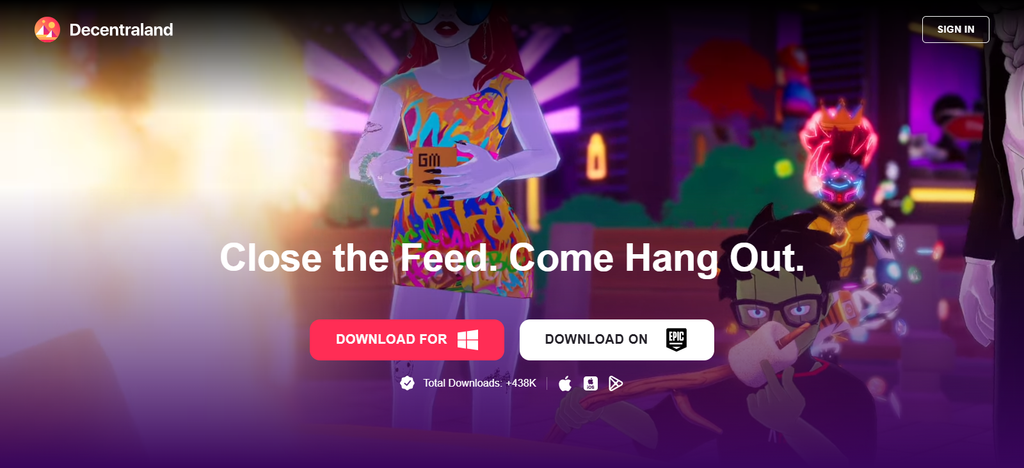
Compatible wallets enable users to buy, sell and manage eligible NFTs on the Decentraland Marketplace. MANA is the main utility currency of the ecosystem for buying and transacting in supported virtual worlds.
Creators can monetize eligible wearables, emotes, and other digital content by selling them on the marketplace. Per the published fee structure of the marketplace, creators receive 97.5% of sales, with 2.5% going to the DAO treasury. Traveling the world is free, but buying assets and publishing content might have an extra cost.
Decentraland – Key Characteristics
| Characteristics | Details |
|---|---|
| Game Genre | Decentralized virtual world and metaverse |
| Blockchain Network | Ethereum |
| Native Token | MANA |
| Player-Owned Assets | LAND, NAMEs, wearables, and emotes |
| NFT Marketplace | Decentraland Marketplace |
| NFT Trading | Buying, selling, and trading eligible digital collectibles |
| Asset Utility | Virtual land development, avatar customization, and event creation |
| Earning Mechanism | Wearable sales, creator monetization, and eligible asset trading |
| Wallet Support | Compatible Ethereum wallets |
| Standout Feature | Community-oriented virtual world with user-owned land and wearable NFTs |
Comparison Table of Best Blockchain Games With Player-Owned Assets and NFT Trading
| Game | Blockchain Network | Player-Owned Assets | NFT Marketplace | Native Token |
|---|---|---|---|---|
| Axie Infinity | Ronin | Axies, Land, Collectibles | Axie Marketplace | AXS, SLP |
| Pixels | Ronin | Farm Land, Collectibles | Ronin Marketplace | PIXEL |
| Illuvium | Ethereum, Immutable X | Illuvials, Land | IlluviDex | ILV |
| Big Time | Ethereum-based infrastructure | Digital Collectibles, Cosmetic Items | Supported External Marketplaces | BIGTIME |
| Gods Unchained | Immutable X | NFT Trading Cards | Gods Unchained Marketplace | GODS |
| Parallel | Ethereum, Base | Digital Trading Cards | External NFT Marketplaces | PRIME |
| Ember Sword | Historical blockchain infrastructure | Historically Planned Land and NFTs | No Active Marketplace | No Active Earning Token |
| Star Atlas | Solana | Spaceships, Crew, Structures | Galactic Marketplace | ATLAS, POLIS |
| The Sandbox | Ethereum, The Sandbox Layer 2 | LAND, Avatars, Voxel Assets | The Sandbox Marketplace | SAND |
| Decentraland | Ethereum | LAND, Wearables, NAMEs | Decentraland Marketplace | MANA |
Conclusion
Player-owned assets in blockchain games are changing the way players interact with digital items, NFTs and virtual economies. The ownership and trading experience is different for games such as Axie Infinity, Pixels, Illuvium, Big Time, Gods Unchained and The Sandbox, whether it’s characters, cards, land or collectibles. But each game has its separate blockchain networks, marketplace fees, asset utilities, and earning mechanisms. Players should consider the transferability of NFTs, wallet compatibility, trading costs, and the active development status of the game before selecting a game. The best blockchain game overall is one that has fun gameplay combined with real asset ownership and practical NFT utility.
FAQ
What are blockchain games with player-owned assets?
Blockchain games with player-owned assets allow players to own digital items such as characters, weapons, land, trading cards, and collectibles as NFTs. These assets can be stored in compatible crypto wallets and traded through supported marketplaces.
Which blockchain games offer NFT trading in 2026?
Axie Infinity, Pixels, Illuvium, Gods Unchained, Parallel, Star Atlas, The Sandbox, and Decentraland offer NFT ownership and trading opportunities through their respective marketplaces or supported external platforms.
Can players earn money from blockchain games?
Players may earn through eligible gameplay rewards, NFT sales, crafting, land rentals, tournaments, and creator activities. However, earnings depend on game rules, market demand, asset value, and available reward programs.
Are blockchain game assets transferable between players?
Yes, eligible NFTs can generally be transferred between compatible wallets or traded with other players. However, some assets have restrictions, and cross-game or cross-chain compatibility is not guaranteed.