


This article focuses on the Best Virtual Corporate Cards for Global Tech Ad Spend. It centers on how the modern corporation manages its global advertising budgets, SaaS subscriptions, and digital payments.
I will cover the leading virtual card providers, their important features, and the benefits they provide in the optimization of global tech ad spend with control and security along with financial automation.
Key Point & Best Virtual Corporate Cards for Global Tech Ad Spend
| Virtual Card Provider | Key Points |
|---|---|
| Ramp Virtual Card | Real-time spend controls, AI-powered expense automation, strong cashback, ideal for scaling startups & SaaS teams |
| Brex Virtual Card | Corporate credit model, high credit limits for startups, integrated finance stack, strong global SaaS spend tracking |
| Airbase Virtual Card | Combines AP automation + corporate cards, strong approval workflows, good for mid-to-large finance teams |
| Bill.com (Divvy) Virtual Card | Budget-based spending system, department-level controls, real-time expense tracking, strong SMB focus |
| Stripe Issuing Virtual Card | Developer-first API, highly customizable card creation, real-time transaction control, ideal for fintech & platforms |
| Payoneer Virtual Card | Global payouts support, multi-currency flexibility, widely used for freelancers & cross-border vendors |
| Wise Business Virtual Card | Low FX fees, real exchange rate access, multi-currency accounts, strong for global remote teams |
| Revolut Business Virtual Card | Multi-currency wallets, expense analytics, instant card creation, strong travel + global spending features |
| Spendesk Virtual Card | Spend automation platform, approval workflows, budget tracking, strong finance governance tools |
| Mesh Payments Virtual Card | Centralized spend management, AI-powered reconciliation, strong control over global SaaS & ad spend |
1. Ramp Virtual Card
Ramp Virtual Card supports fast-growing companies looking for automated spend controls and cost saving measures. Features like real-time tracking, smart categorization, and automated limits help finance teams manage waste.
Policy-integrated tools help simplify spend controls. Ramp Virtual Card integrates with other accounting tools to make spend reconciliation and reporting easier.
Unique features of this virtual card are the automatic cash back rewards for business purchases and AI-generated budget recommendations.
Best Virtual Corporate Cards for Global Tech Ad Spend solutions like Ramp are used by tech companies to manage the costs for SaaS services, Cloud services, and digital advertising while having full oversight and controls to their finances across the global teams.
Ramp Virtual Card Features, Pros & Cons
Features
- AI spend management
- Real-time tracking
- Issuance controls for cards
- Automated expense categorization
- Accounting tool integrations
Pros
- Automated cost-savings
- User-friendly dashboard
- High spend cashback
- SaaS and ad spend control
- Quick setup
Cons
- Minimal banking services
- Not for complicated enterprises
- Credit model with approval
- Less global FX flexibility
- Sparse physical banking
2. Brex Virtual Card
Brex Virtual Card is an offering crafted specifically for corporate use in that it provides high credit limits for startups, scaleups, and enterprise tech firms. Brex streamlines spending and automatic expense management by implementing significant accounting integrations.
Brex also enables global spend in exchange for no personal guarantee of qualifying firms. Best Virtual Corporate Cards for Global Tech Ad Spend solutions like Brex are popular among tech companies to manage extensive ad spend, SaaS, and Cloud services while providing finance teams oversight to global marketing and operational spend while maintaining compliance and reporting.
Brex Virtual Card Features, Pros & Cons
Features
- High-limit corporate cards
- Global spend supported
- Expense mgmt tools
- Integrated business accounts
- Real-time analytics
Pros
- Amazing for startups
- High credit availability
- Great global payments
- No personal guarantee (qualifying firms)
- Strong SaaS integrations
Cons
- Difficult eligibility
- Complex for small firm setups
- Limited flexibility for SMBs
- Fees for some services
- Not for micro-businesses
3. Airbase Virtual Card
Airbase Virtual Card is a corporate card that fully automates the procure-to-pay process. Airbase is an especially powerful operating system for finance teams in need of structured approval hierarchies.
Controls around spend, payments to vendors, automated expense recs, and more are contained in one platform. Airbase is also a great fit for organizations in highly regulated industries.
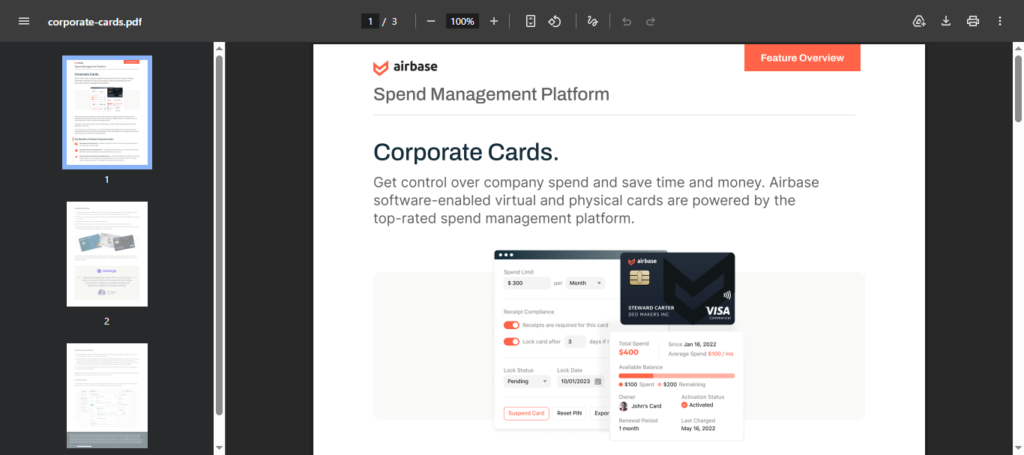
Best Virtual Corporate Cards for Global Tech Ad Spend Solutions are Airbase-type cards manage Ad spend, SaaS subscriptions, and vendors in systems with a high degree of approval control.
Airbase cards are designed to limit spend and provide advanced financial reporting, making them a great fit for mid- and large-sized tech companies operating cross-border.
Airbase Virtual Card Features, Pros & Cons
Features
- AP automation + cards
- Approval workflow
- Spend control dashboards
- Automated vendor payments
- ERP integrations
Pros
- Good financial governance
- Great for mid-large teams
- Less manual accounting
- Great compliance
- Centralized spend visibility
Cons
- High cost
- Complex to setup
- Not for startups
- Finance savvy needed
- Slow
4. Divvy Virtual Card (Bill.com)
Bill.com Virtual Card (Divvy) controls spend using a budget-based model where spend is controlled at the department, team, or project level. Divvy also enables expense visibility and automates employee reimbursements. This makes Divvy a favorite card among SMBs and budding startups.
Best Virtual Corporate Cards for Global Tech Ad Spend type cards enable Divvy-style spending controls to help companies limit Ad spend, control spend on digital, and even manage SaaS subscriptions.
Increased financial discipline with a reduced risk of overspending is what Divvy makes possible in the rapidly changing tech world with its real time dashboards.
Divvy Virtual Card Features, Pros & Cons
- Virtual cards based on budgets
- Instant expense tracking
- Department-level controls
- Automated receipt collection
- Expense report generation
Pros
- Option for a free plan
- Good for small to mid-size businesses
- Excellent control over budgets
- User-friendly
- Cards issued instantly
Cons
- Lacks enterprise features
- Basic analytics
- Limited foreign exchange services
- Very restrictive credit limits
- Average automation capabilities
5. Stripe Issuing Virtual Card
Stripe Issuing Virtual Card puts a developer-centric tool in the hands of businesses to build, control, and distribute virtual cards through API. It is fully customizable and gives the ability to build embedded finance directly in the business’s offering to the end user.
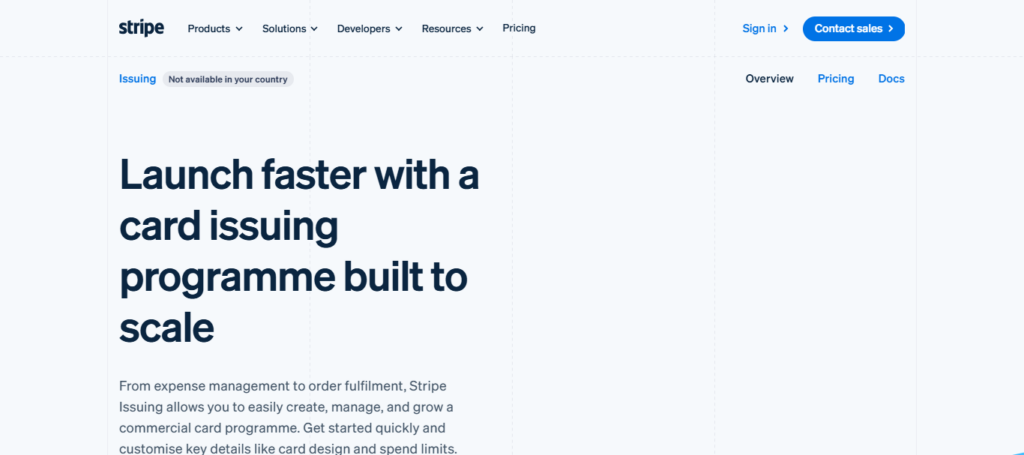
It controls real-time transactions and supports global card usage. Stripe Issuing, as the Best Virtual Corporate Cards for Global Tech Ad Spend solution, allows businesses to streamline and automate their spending on digital ads, infrastructure, and business-critical services.
As the Best Virtual Corporate Cards for Global Tech Ad Spend solution, Stripe Issuing is the perfect card for businesses in the tech space that are building flexible programmable finance systems and global payment workflows.
Stripe Issuing Virtual Card Features, Pros & Cons
Features
- APIs for card issuance
- Control transactions in real time
- Rules for programmable transactions
- Easy for developers to integrate
- Supports payments worldwide
Pros
- Excellent flexibility
- Ideal for fintech
- Provides a scalable business model
- Excellent developer support
- Flexible controls for cards
Cons
- Needs a developer to implement
- Poor usability for non-technical staff
- No finance UI integration
- Limited functionality without development
- Low end reporting
6. Payoneer Virtual Card
Payoneer Virtual Card is the Best Virtual Corporate Cards for Global Tech Ad Spend card solution that is ideal for businesses in the global digital space, specifically ecommerce.
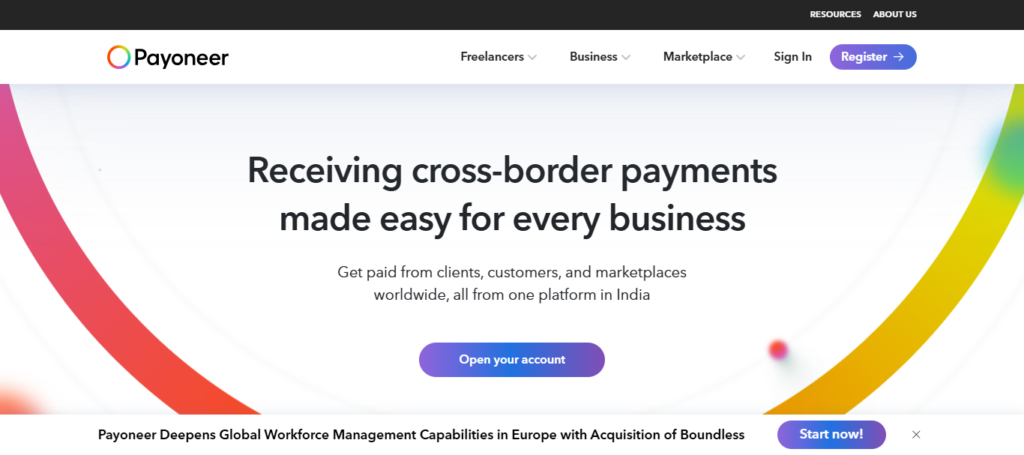
Payoneer Virtual Card is especially useful for cross-border payments, freelancer payouts, and global vendor transactions. It has excellent global card usage, is fully customizable, and offers a flexible solution that allows digital businesses to control their spend internationally without a complex banking setup.
Best Virtual Corporate Cards for Global Tech Ad Spend solutions like Payoneer help streamline spending for cross-border digital advertising, influencer payments, and remote contracting.
Payoneer Virtual Card Features, Pros & Cons
Features
- Accounts in multiple currencies
- Supports global payments
- Payouts to freelancers
- Cross-border payments
- Tools for online spending
Pros
- Good worldwide availability
- Good for freelancers
- International payments easy
- Multi-currency
- Highly accepted
Cons
- More expensive to use
- Limited control on spending
- Poor analytics
- Slow customer support
- Not focused on enterprise clients
7. Wise Business Virtual Card
Wise Business Virtual Card offers tools for low-cost global business spending. Wise uses real exchange rates with low foreign currency markup. It manages multi-currency accounts, which helps businesses hold and/or convert funds efficiently.
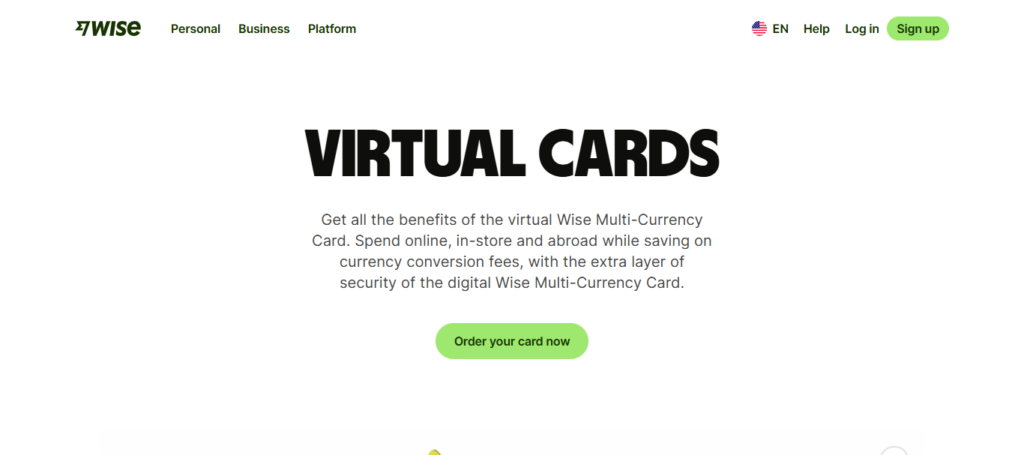
This card is ideal for remote teams and global startups, making it one of the Best Virtual Corporate Cards for Global Tech Ad Spend. Wise Business Virtual Card helps businesses manage corporate spending on global ads, SaaS, and international vendors by removing hidden costs of currency conversion.
The card’s low fee structure and global availability appeal to tech companies with a distributed workforce and cross-border operations.
Wise Business Virtual Card Features, Pros & Cons
Features
- Real exchange rate FX
- Multi-currency wallets
- Global card usage
- Low-cost transfers
- Transparent pricing
Pros
- Very low FX fees
- Excellent transparency
- Great for global teams
- Fast international payments
- Simple interface
Cons
- Limited credit features
- No advanced spend automation
- Basic corporate controls
- Not enterprise-heavy
- Limited approval workflows
8. Revolut Business Virtual Card
Revolut Virtual Card provides instant card creation with a powerful multi-currency framework. Its expense management and automated budget controls provide a solid foundation for managing global business operations. It generates various cards with customizable features and supports global payments.
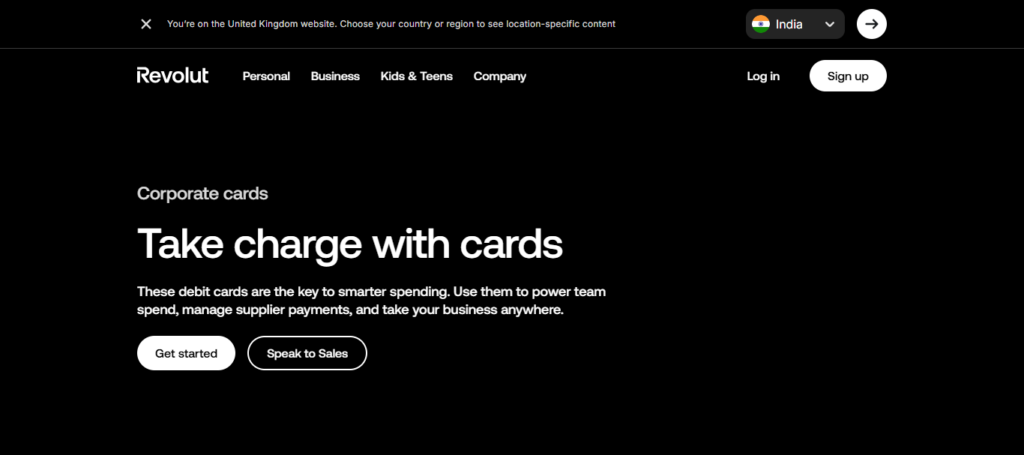
Best Virtual Corporate Cards for Global Tech Ad Spend provides excellent flexibility and controls on expenditures and foreign exchange for rapidly expanding tech firms. These features also make Revolut Virtual Card a good choice for businesses with significant international ad spend, SaaS subscriptions, and travel operations.
Revolut Business Virtual Card Features, Pros & Cons
Features
- Business accounts in multiple currencies
- Creation of cards is instant
- Budgeting
- Expense analytics
- Transfers worldwide
Pros
- Great flexibility abroad
- Quick to set up
- Competitive exchange rates
- Instant card creation
- Comprehensive finance app
Cons
- Accounts can be frozen
- Unresponsive customer support
- Ineffective corporate controls
- Higher tier plans have costs
- App restrictions based on region
9. Spendesk Virtual Card
The Spendesk Virtual Card is focused on automated financial governance. You’ll find approval workflows, receipts management, and budgeting and automated expense control. Spendesk helps finance teams see where all corporate spending is happening.
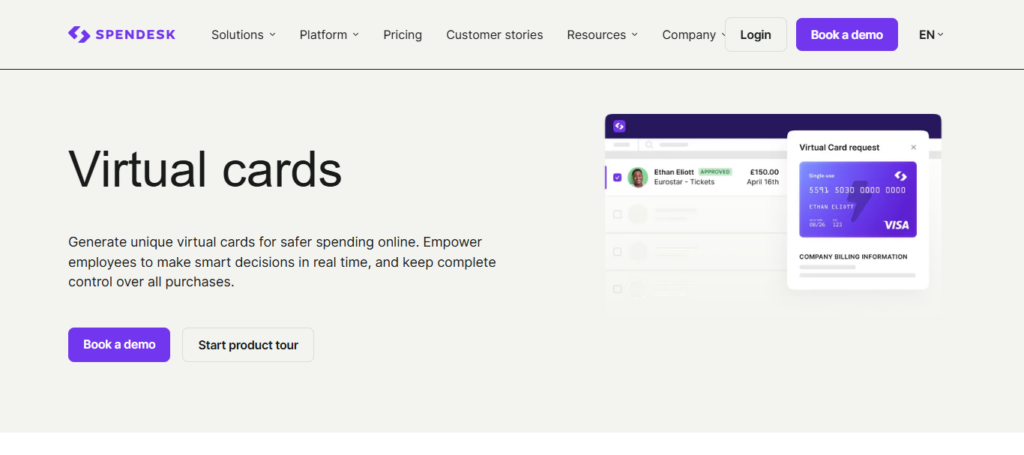
Best Virtual Corporate Cards for Global Tech Ad Spend solutions, including Spendesk, assists corporate clients with extensive control compliance needs over their digital corporate cards for managing digital marketing budgets and managing corporate software subscriptions and other operational expenses.
Spendesk is a great fit for digitally transforming clients with global tech operations and who need structured financial controls.
Spendesk Virtual Card Features, Pros & Cons
Features
- Spend management
- Approval workflows
- Automate receipt tracking
- Budget control
- Accounting integrations
- Spendesk card
Pros
- Excellent financial governance
- Workflow control is excellent
- Ideal for medium to large firms
- Expense chaos is greatly reduced
- Sophisticated reporting
Cons
- Not made for small firms
- Costly for small firms
- Difficult to learn
- Requires strong financial governance
10. Mesh Payments Virtual Card
Mesh Payments Virtual card streamlines expense control and payment management systems by using automated AI reconciliation. Users can track spending in real-time. Payments can be issued globally and controlled by many teams and vendors in differing currencies.
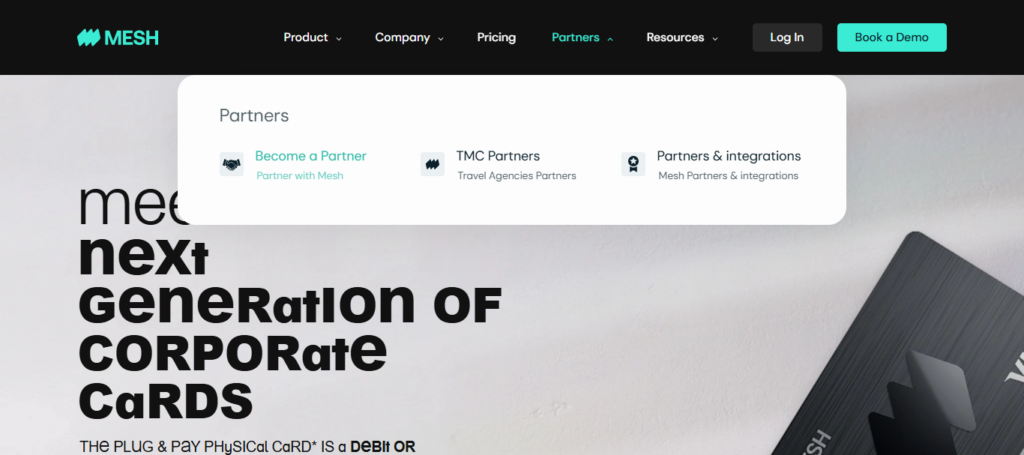
Mesh Payments, Best Virtual Corporate Cards for Global Tech Ad Spend solutions, focuses on easing financial operations for tech companies.
Its first approach to automation is useful to many rapidly growing companies in the tech space, especially those with distributed spending globally and a need for fine control on payment systems.
Mesh Payments Virtual Card Features, Pros & Cons
Features
- AI spend management
- Issue cards worldwide
- Control expenses in real-time
- Automated reconciliation
- Works with multiple entities
Pros
- Excellent automation
- Best for enterprise
- Transparency greatly improved
- Eliminates accounting
- Unrestricted scalability
Cons
- Lack of familiarity
- Not many people use it
- Costly and complicated to set up
- Enterprise only
Conclusion
In the rapidly evolving digital marketplace, the right financial infrastructure is key to optimizing marketing and operational costs. The best virtual corporate cards for global tech ad spend help companies control ad spend, SaaS subscriptions, and cross-border payments through spend controls and automated workflows.
Ramp, Brex, Stripe Issuing, Wise, and Revolut are just a few companies that allow spend at low foreign exchange fees and provide global currency solutions and developer APIs.
What is best really depends on your business needs. While Spend governance is critically needed in some areas, other areas need cross-border payment flexibility or programmable finance. Virtual corporate cards enable tech companies to remove wasted spend more easily and focus efforts on controlling finances when ad spends are scaled globally.
FAQ
What are virtual corporate cards for global tech ad spend?
Virtual corporate cards are digital payment cards issued to businesses for managing online expenses such as advertising, SaaS tools, and cloud services. The Best Virtual Corporate Cards for Global Tech Ad Spend help companies control budgets, track real-time spending, and manage global marketing campaigns more efficiently across multiple platforms like Google Ads, Meta Ads, and programmatic networks.
Why do tech companies use virtual corporate cards for ad spending?
Tech companies use virtual cards because they provide instant issuance, spending limits, and better control over marketing budgets. The Best Virtual Corporate Cards for Global Tech Ad Spend reduce financial risk, prevent overspending, and offer detailed analytics, making them ideal for scaling global digital ad campaigns and subscription-based SaaS ecosystems.
Which virtual corporate card is best for startups?
Startups often prefer Ramp, Brex, and Stripe Issuing because they offer flexible credit options, API access, and strong automation tools. These platforms are among the Best Virtual Corporate Cards for Global Tech Ad Spend, especially for fast-growing tech companies that need scalability and financial control.
Are virtual corporate cards safe for international transactions?
Yes, virtual corporate cards are highly secure for international payments. Providers like Wise and Revolut offer multi-currency support and fraud protection. The Best Virtual Corporate Cards for Global Tech Ad Spend also include real-time monitoring and customizable spending limits, reducing the risk of unauthorized transactions.
. Can virtual cards help reduce FX and transaction fees?
Yes, many platforms are designed to minimize foreign exchange costs. Solutions like Wise and Revolut provide real exchange rates, while others optimize global payments. The Best Virtual Corporate Cards for Global Tech Ad Spend help companies reduce hidden FX markups, making international ad spending more cost-efficient.