


This article will cover top Crypto KYC APIs Cryptocurrency exchanges, wallets, and Web3 platforms must use secure user verification APIs to remain compliant with laws and regulations.
APIs meet these needs through features like identity verification, AML screening, and biometric and fraud-related verification. This article examines support offered for safe crypto onboarding, as well as features, benefits, and coverage.
What is Crypto KYC APIs?
Automated user verification API solutions, or Crypto KYC APIs, assist businesses within the cryptocurrency ecosystem and associated KYC regulation & verification services. These APIs let businesses and services integrate the functions of identity document verification, facial recognition and verification, biometric verification, and AML fraud services, among others.
Using Crypto KYC APIs, businesses can streamline user onboarding and account verification, reduce the incidence of fraudulent accounts, and facilitate the digital asset ecosystem compliance with financial regulation.
Why Choose Best Crypto KYC APIs for Secure Compliance
Ensure Regulatory Compliance
The Best Crypto KYC APIs enable compliance with KYC, AML, and CFT global standards. They undertake automation of identity verification to assist crypto companies’ compliance with changing legislative requirements on digital assets.
Prevent Identity Fraud
Crypto KYC APIs are equipped with AI-driven Document Verification, Biometric Authentication, and Fraud Detection such that fake identities and documents, as well as suspicious users, are blocked from accessing crypto services.
Improve User Onboarding Experience
These APIs undertake automated identity verification, of which the verification completion time is only a matter of minutes. This malleability in service reduces the friction of time and enhances the experience of the customer.
Support Global User Verification
Most leading Crypto KYC APIs allow verification of users from multiple countries and support verification of different national identity documents in different languages.
Strengthen AML Protection
Some of the advanced KYC APIs are equipped with AML mechanisms and assist in monitoring suspicious activities by detecting users with higher risk profiles and thus reducing the threat of money laundering on a crypto platform.
Reduce Operational Costs
KYC APIs automate most of the work and reduce the need for an in-house manual verification team, thus significantly reducing costs. Compliance requirements for most crypto companies can be addressed with limited resources.
Increase Trust and Security
Verified identity creates a secured environment of utmost confidence for users, investors, and regulators in a verified background to undertake trade, payment, and transaction of digital and crypto assets.
Benefits Of Best Crypto KYC APIs for Secure Compliance
Automated Identity Verification
The Top Rated Crypto KYC APIs automate user verification by analyzing identity documents and biometrics and personal data. These APIs cut down the time and effort taken to onboard users to a crypto platform while also providing accurate results.
Improved Fraud Prevention
KYC APIs offer a suite of advanced identification verification, document authentication, and behavioral monitoring tools to assess the risk of user identity. Such tools help businesses prevent the risk of fraud and the threat of cyber related crimes.
Simplified Compliance
KYC APIs assist businesses to comply with the requirements of KYC, AML, and CFT regulations by automating the verification of users and the risk assessments mandated by financial supervision.
Customer Onboarding
The real-time identity verification made possible by contemporary Crypto KYC APIs helps users complete the account registration process. Positive user experience helps the crypto business grow its client base.
Multiple Identity Support
Krpto companies can service users in multiple jurisdictions by employing KYC API providers that support a variety of Government issued documents and comply with regional regulatory requirements.
Compliance Cost Effectiveness
The automation of KYC processes reduces the work and cost of a large team of verifiers. A firm can manage thousands of verification requests with minimal resources.
AML Compliance Risk Technologies
KYC Crypto APIs help clients maintain secure financial systems by providing technologies to assess and mitigate the risk of clients engaging in illicit transactions.
Key Point & Best Crypto KYC APIs
| Crypto KYC API Provider | Key Points |
|---|---|
| Sumsub | • AI-powered KYC, KYB, and AML verification platform• Supports identity checks across 220+ countries and territories• Provides document verification, biometric authentication, and fraud detection• Helps crypto businesses meet global compliance requirements• Offers automated risk scoring and transaction monitoring tools |
| Trulioo | • Global identity verification API for crypto and fintech companies• Provides access to worldwide identity data sources• Supports KYC, AML, and customer onboarding workflows• Uses machine learning for fraud prevention and verification accuracy• Enables scalable compliance solutions for global markets |
| Onfido | • AI-based identity verification with biometric face authentication• Provides document checks and digital identity verification APIs• Helps prevent identity fraud and account takeover attacks• Offers automated verification with human review options• Suitable for crypto wallets, exchanges, and financial platforms |
| Jumio | • Trusted digital identity verification provider for regulated industries• Uses AI, biometrics, and document authentication technology• Supports KYC, AML screening, and fraud prevention processes• Provides global identity verification coverage• Helps crypto platforms improve secure user onboarding |
| Shufti Pro | • Real-time KYC verification API with global document support• Offers facial recognition, OCR, and AML screening features• Provides fast automated identity verification solutions• Supports crypto exchanges, wallets, and DeFi platforms• Helps reduce fraudulent registrations and compliance risks |
| IDnow | • European-focused identity verification and compliance platform• Provides video identification, eID, and automated KYC solutions• Supports AML compliance and customer verification processes• Offers secure onboarding for crypto and financial services• Helps businesses meet regional regulatory standards |
| Passbase | • Privacy-focused identity verification API for digital businesses• Uses biometric authentication and encrypted identity data• Enables reusable digital identity verification solutions• Supports secure customer onboarding workflows• Reduces friction during crypto user registration |
| Persona | • Customizable identity verification platform with flexible workflows• Provides KYC, KYB, fraud prevention, and compliance tools• Supports document verification and biometric checks• Allows businesses to create tailored verification experiences• Used by fintech, crypto, and online platforms globally |
| Veriff | • AI-powered identity verification platform with fraud detection• Supports automated ID verification and biometric authentication• Provides fast onboarding experiences for crypto users• Uses machine learning to detect suspicious activity• Offers global identity coverage and compliance support |
| Authenteq | • Digital identity verification solution focused on privacy and security• Provides automated identity checks using blockchain-based technology• Supports reusable digital identities for online services• Helps reduce manual verification processes• Designed for secure and seamless customer authentication |
1. Sumsub
Sumsub offers one of the best Crypto KYC APIs and helps crypto exchanges, wallets, DeFi, and Web3 businesses buckle down on the secure identity verification and compliance. Sumsub sips on the juice of KYC automation, KYB, AML, transaction monitoring,
API fraud prevention and more. Coverage: Sumsub helps with identity verification in over 220 countries and territories and with thousands of document types.
Key Strengths: A few of these key strengths are AI Document Verification, Biometric Face Recognition, Deepfake Verification, Risk Scoring, and Compliance Workflows that can be tailored. With all the KYC simplification, Sumsub helps crypto clients achieve an easier onboarding process.
Sumsub Features, Pros & Cons
Features
- Solutions for KYC, KYB & AML for crypto platforms, powered by AI.
- Supports identity verification for 220+ Countries/Territories.
- Biometric face verification and document verification.
- Risk scoring, detection of fraud, and automation of compliance.
- Customizable onboarding through APIs.
Pros
- Ideal for international crypto business.
- Fraud prevention through strong AI technology.
- Multiple compliance requirements on a single platform.
- Automated verification is quick.
- Good for exchanges, wallets, and Web3 platforms.
Cons
- Price can be on the higher side for small businesses.
- May require a technical setup for advanced features.
- Some verification may be done manually.
- May be overwhelming for those just starting to use it.
- Development support may be required for custom integrations.
2. Trulioo
Trulioo is a well-known identity verification platform popular among the Best Crypto KYC APIs for companies that need verification at mass scale. Being integrated with international identity data sources, it helps crypto exchanges and financial platforms to verify users in a fast and safe manner. Coverage: with verification options for more than 195 countries, Trulioo offers vast global identity databases.

Key Strengths: This platform provides KYC, KYB, and AML screening, as well as fraud detection and digital identity verification. Crypto companies can establish a highly efficient user onboarding process with the help of this platform’s API, and at the same time, they can lower compliance risks and enhance trust of their global users.
Trulioo Features, Pros & Cons
Features
- Global identity verification API for KYC & AML.
- Worldwide identity data access.
- Customer and business verification.
- Fraud and risk assessment verification.
- Global onboarding.
Pros
- Excellent global identity coverage.
- Superior data verification.
- Ideal for large businesses.
- Supports multiple industries, even crypto and fintech.
- Compliance operations are made easier.
Cons
- Extensive data access can be expensive.
- May require a tech-savvy person for integrations.
- Verification is only as good as the regional data.
- Can be costly for small businesses.
- Enterprise-focused features.
3. Onfido
Onfido is an identity verification provider using AI technology. It is known to integrate well with fintech and cryptocurrency businesses to onboard customers safely. Combining identity document authentication with biometric verification and AI, Onfido is one of the Best Crypto KYC APIs for recognizing valid users and spotting fraudulent use cases.
Coverage: Onfido is highly available and supports identity verification for a multitude of regions worldwide with a significant document coverage. Key Strengths: Onfido’s advanced AI technology scans and analyzes identity documents and facial biometrics to measure and prevent the likelihood of fraud use cases.
Many crypto platforms implement Onfido to enhance user experience, automate compliance, and develop verification processes that are expedient, all the while satisfying critical industry regulations.
Onfido Features, Pros & Cons
Features
- AI-powered identity verification platform.
- Provides document verification and biometric authentication.
- Uses machine learning for fraud detection.
- Offers developer-friendly API integration.
- Supports automated identity decision-making.
Pros
- Strong facial recognition technology.
- Fast and smooth user verification experience.
- Reduces manual compliance workload.
- Good security and fraud prevention features.
- Easy integration for digital platforms.
Cons
- Pricing may not suit startups.
- Some regions have limited document support.
- AI verification may occasionally require human review.
- Advanced features require higher plans.
- Limited customization compared with some competitors.
4. Jumio
Jumio is one of the best digital identity verification providers for cryptocurrency exchanges, wallets and financial services. Jumio prides itself as one of the best Crypto KYC API solutions as it integrates AI, biometric and document verification.

Jumio KYC API is one of the most comprehensive and reliable solutions. Coverage: Jumio has global identity verification services for a number of jurisdictions as well as various identity document solutions.
Key Strengths: Jumio has automated KYC, and partnered with services to build a complete Anti-Money Laundering/Fraud Detection (AML) and Risk-Based Authentication (RBA) service. Jumio helps cryptocurrency businesses build secure onboarding and user verification systems to protect against identity, financial, and account fraud.
Jumio Features, Pros & Cons
Features
- AI-based identity verification and authentication.
- Biometric checks and document scanning.
- Global identity verification.
- KYC, AML, and fraud prevention.
- Risk-based verification.
- Checks and balances for comprehensive identity verification.
- Combines AI and human verification.
Pros
- Leading digital identity verification provider.
- Excellent fraud detection.
- Complies with most regulations globally.
- Authenticates documents accurately.
- Secure client onboarding.
Cons
- High enterprise pricing.
- May need technical set up.
- May take longer to verify some documents.
- May require some learning for complex features.
- May not be ideal for small crypto companies.
5. Shufti Pro
Shufti Pro is an identity verification system built specifically for crypto businesses and tailored to fast, automated, and protective compliance. One of the Best Crypto KYC APIs, Shufti Pro offers real-time identity verification, facial recognition, Optical Character Recognition technology, and Anti-Money Laundering screening.

Coverage: Shufti Pro aids customers in over 240 Countries and Territories and supports Thousand of identity document types. Key Strengths: The greatest benefits of Shufty Pro are the high verification speeds, global document support, AI-backed fraud detection, and flexible workflows.
Crypto exchanges and blockchain-based applications use Shufti Pro to streamline user onboarding and help maintain regulations and maximize the prevention of fraudulent sign-ups.
Shufti Pro Features, Pros & Cons
Features
- API for real-time KYC verification.
- Document verification and facial recognition.
- AML and fraud prevention screening.
- Global user base.
- Automated workflows for identity verification.
Pros
- Fast verification.
- Good country and document coverage.
- Cost effective
- Easy API integration
- Can be used for crypto exchanges and wallets
Cons
- User experience can be inconsistent
- Must pay extra for advanced compliance features
- Smaller provider ecosystem
- Has a manual verification process
- Brand recognition is low in several markets
6. IDnow
IDnow is a provider of identity verification services based in Europe that focuses on secure digital onboarding for cryptocurrency and financial services.

With its number of verification channels, including automated identity, video, and e-identity checks, it is considered one of the Best Crypto KYC APIs. Coverage: IDnow offers compliance-centric verification for customers throughout Europe and beyond.
Key Strengths: Regulatory support and secure authentication and verification methods are the foundations of the IDnow platform. Regional compliance and verification requirements are met by IDnow’s services for numerous Crypto clients.
IDnow Features, Pros & Cons
Features
- Compliant digital identity verification.
- KYC via video identification and automation.
- E-Id verification.
- Fraud prevention.
- Compliance verification for finance.
Pros
- Great compliance in Europe.
- Multiple ways to verify and authenticate.
- High security for identity verification.
- Good for regulated crypto.
- Trustworthy customer verification.
Cons
- Coverage in Europe the best.
- High cost for small businesses.
- Video verification slows down the process.
- Requires tech knowledge to integrate.
- Less flexible for compliance verification.
7. Passbase
Passbase is a privacy-centric KYC solution with a focus on the user experience when verifying digital identities. Passbase is among the Best Crypto KYC APIs because it allows privacy-preserving data security for crypto user verification. Coverage: Passbase provides global coverage for digital identity verification. Key Strengths:
Passbase is highly API-driven, provides biometric verification, encrypted identity storage, and the use of digital identities. Passbase allows blockchain companies to decrease element redundancy in the verification process, increase the quality of the user experience, and build secure user onboarding systems that do not show unnecessary user data.
Passbase Features, Pros & Cons
Features
- Identity verification API with identity privacy focus.
- Biometric authentication.
- Identity data management via encryption.
- Digital identity that is reusable.
- Verification API for developers.
Pros
- High user privacy focus.
- Reusable verification.
- Secure identity management.
- Easy API integration.
- Good for privacy focused Web3.
Cons
- Lesser known in the market.
- Limited features for enterprise.
- Global coverage may be limited.
- Less compliance compared to other providers.
- More may be needed for further expert AML requirements.
8. Persona
Persona is a platform enabling customizable identity verification. Crypto organizations can utilize Persona for building versatile compliance workflows.
It is considered among the Best Crypto KYC APIs because it lets enterprises outline a verification process that aligns with the company’s particular operational targets and regulatory stipulations. Coverage: Persona enables worldwide identity verification with document verification, biometrics, and fraud check features.
Key Strengths: The platform entails customizable frameworks, KYC automation, KYB verification, and AML screening with risk management. Crypto exchanges and Web3 platforms utilize Persona for secure and compliant tailored onboarding.
Persona Features, Pros & Cons
Features
- Workflows for flexible identity verification.
- KYC, KYB, and AML integrations.
- Documents and biometric verification.
- Fraud detection.
- Custom onboarding.
Pros
- Workflows for verification are highly flexible.
- Robust API and workflow management.
- Extensive fraud detection.
- Crypto and fintech friendly.
- Great for developers.
Cons
- More technical for extensive customization.
- Costs increase with more usage.
- Complex initial configuration.
- Extensive features are more technical.
- Not suited for simple verification.
9. Veriff
Veriff was constructed to prevent fraudulent activity and verify customers for companies in the crypto space. One of the biggest positives for Veriff is that they use automation and artificial intelligence. In other words, they take the burden of having to build an entire automated verification processor away.
Coverage: They verify the identities of companies in almost any market and are flexible with the documents they accept for verification. Key Strengths: Veriff combines all the best fraud prevention, verification and biometric authentication to build a seamless automated system to help companies be compliant and keep smooth user experiences in control.
Veriff Features, Pros & Cons
Features
- AI identity verification.
- Documents and biometrics.
- Fraud detection with machine learning.
- Global customer onboarding.
- Automated verification.
Pros
- Quick and precise verification.
- AI fraud detection is advanced.
- Great onboarding experience.
- Supports lots of documents.
- Great for large scale verifications.
Cons
- Cost is on the expensive side for startups.
- Manual reviews are needed for some verifications.
- Less customization when compared to Persona.
- Advanced features are behind a paywall.
- Performance is inconsistent across some regions.
10. Authenteq
Authenteq is a KYC verification platform that is automated and integrates Blockchain. It boasts a privacy-centric approach and reusable identity systems that align with its dedication to providing decentralized identity systems for secure user verifications.
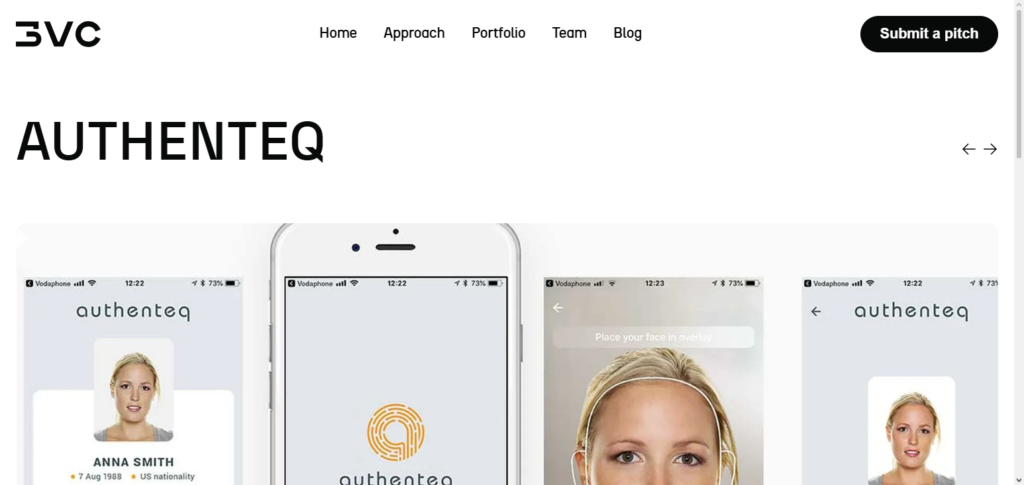
Coverage: Authenteq services result in the ability to conduct online business anywhere in the world. Key Strengths: This platform combines compliance technology, automated verification and Blockchain based identity technology to create a frictionless verification systems.
Crypto businesses benefit from reduced manual verification and an improvement of user privacy through the use of Authenteq to create secure, trusted digital identity solutions for Blockchain.
Authenteq Features, Pros & Cons
Features
- Privacy-preserving verification of digital identities.
- Uses blockchain and digital identity.
- Supports digital identities that are reusable.
- Automated verification.
- Online authentication security focus.
Pros
- Great for security and privacy.
- Less frequent KYC checks.
- Decentralized identity-friendly.
- Simplifies user authentication.
- Beneficial for Web3 and blockchain.
Cons
- Less developed network compared to big KYC vendors.
- Little adoption in enterprise.
- Not as many compliance features as larger competitors.
- May require teaching users KYC for blockchain.
- Coverage not as extensive.
Conclusion
Leading Crypto KYC APIs enable crypto exchanges, wallets, and Web3 platforms to build secure and compliant ecosystems resistant to fraud. Advanced identity verification with AML screening and biometric authentication, as well as global coverage, are available in solutions such as Sumsub, Trulioo, Onfido, Jumio, and Persona.
The development of KYC APIs has responded to changes in cryptocurrency regulations. The right Crypto KYC API offers fraud protection, compliance, and cultivated assurance to users in the expanding digital asset markets.
FAQ
What are Crypto KYC APIs?
Crypto KYC APIs are identity verification tools that help cryptocurrency exchanges, wallets, and blockchain platforms verify users’ identities. They automate processes such as document verification, facial recognition, AML screening, and fraud detection to ensure secure and compliant onboarding.
Why do crypto businesses need KYC APIs?
Crypto businesses use KYC APIs to comply with global regulations, prevent fraud, reduce money laundering risks, and build trust with customers. These APIs help platforms verify users quickly while maintaining security and regulatory standards.
Which are the Best Crypto KYC APIs in 2026?
Some of the Best Crypto KYC APIs include Sumsub, Trulioo, Onfido, Jumio, Shufti Pro, IDnow, Passbase, Persona, Veriff, and Authenteq. These providers offer reliable identity verification, AML compliance, and fraud prevention solutions.
How do Crypto KYC APIs improve security?
Crypto KYC APIs improve security by using AI-powered document checks, biometric verification, identity database matching, and fraud detection technologies. They help prevent fake accounts, identity theft, and unauthorized transactions.
What features should businesses look for in a Crypto KYC API?
Important features include global document coverage, biometric authentication, AML screening, API integration, fraud detection, automated verification, compliance support, and customizable verification workflows.