

In this article, I will talk about the Best Blockchain Games With Real-Time On-Chain Multiplayer that combine competitive gameplay, decentralized technology and player-owned digital currencies. I will explore their blockchain networks, multiplayer capabilities, on-chain mechanics, transaction speeds, entry costs, and unique gaming experiences. This will assist players in comparing various Web3 games and uncovering thrilling blockchain-powered virtual worlds.
Key Points
| Blockchain Game | Genre | Real-Time On-Chain Multiplayer Features |
|---|---|---|
| Sky Strife | Real-Time Strategy (RTS) | Fully on-chain RTS where 2–4 players compete in live multiplayer battles to control islands and destroy opponents’ castles. |
| Dark Forest | MMORTS / 4X Strategy | Decentralized massively multiplayer real-time strategy game where players explore, conquer planets, and battle in a persistent on-chain universe. |
| Pirate Nation | RPG / Adventure | Fully on-chain multiplayer pirate RPG featuring player-driven adventures, resource gathering, crafting, and shared online gameplay. |
| Influence | Space Strategy MMO | Persistent on-chain multiplayer economy where players collaborate and compete across asteroid colonies in real time. |
| EVE Frontier | Space Survival MMO | Blockchain-powered multiplayer universe featuring player ownership, real-time exploration, and emergent gameplay. |
| Parallel Colony | Autonomous AI Simulation | Multiplayer on-chain world where AI agents and players interact continuously within a persistent economy. |
| Primodium | Strategy MMO | Fully on-chain multiplayer strategy game focused on resource control, alliances, and real-time competition. |
| Kuroro Wilds | Multiplayer RPG | Blockchain-based online RPG featuring shared world interactions, progression, and player-owned assets. |
| Lords of the Void | Space Strategy | Real-time on-chain strategy gameplay with fleet management, territorial control, and multiplayer competition. |
| Eternal Legacy | On-Chain MMORPG | Persistent blockchain world with multiplayer quests, trading, and player-driven progression. |
1. Sky Strife
Sky Strife is a real-time strategy blockchain game by Lattice, focusing on competitive multiplayer battles and territory control. It uses the Redstone blockchain and MUD framework to provide on-chain game logic, shared game states and player actions.
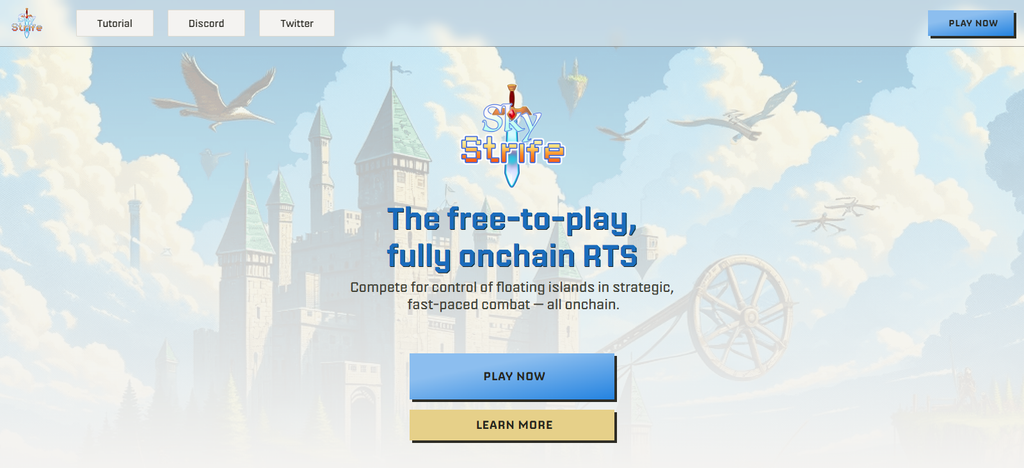
Gameplay has resource management, strategic positioning and controlling floating islands against rival players. Players can use Orbs to make matches and optional Season Passes provide extra access and features.
The game is free-to-play, but there may be requirements for match creation and blockchain transactions. Players should check current wallet and match-access requirements according to blockchain conditions and network confirmation times.
Features
- Real-Time Strategy Battles: Provides competitive RTS gameplay with players controlling units, managing resources and battling opponents to capture floating islands.
- Fully On-Chain Game Logic: Uses blockchain-based game rules and shared states, allowing for verification of major player actions and match outcomes.
- Redstone Blockchain Infrastructure: Using the Redstone and MUD framework to build programmable gaming environments and enable decentralized multiplayer interactions.
- Competitive Match System: enables player vs. player battles that reward tactical planning, resource management and strategic decision-making.
–Open Game Development: As an open protocol, it allows developers to explore alternative interfaces, build tools and create additional experiences around the game.
| Pros | Cons |
|---|---|
| Offers strategic real-time multiplayer battles. | Requires understanding of blockchain gaming mechanics. |
| Uses fully on-chain game logic. | Match creation involves Orb requirements. |
| Built on Redstone gaming infrastructure. | Network activity can affect transaction responsiveness. |
| Supports competitive player interactions. | Gameplay may feel complex for beginners. |
| Uses an open development framework. | Smaller audience than established mainstream RTS games. |
2. Dark Forest
Dark Forest is a multiplayer space-conquest strategy game, originally built on Ethereum, but later deployed on the Gnosis Chain. This uses zkSNARK cryptography to protect the secret coordinates of planets, while allowing intelligent contracts to verify the movement of players and other important game events.
It’s a mix of real-time strategy, exploration, resource management and competitive territory expansion. Players explore planets, build forces and fight for control in a procedurally generated universe.
On-chain movements require blockchain transactions, and confirmation delays and gas fees impact gameplay responsiveness. Historical versions involved cheap Gnosis transactions , but check current availability , network access , wallet requirements and entry costs before playing .
Features
- Zero-Knowledge Cryptography: Using zkSNARK technology, hides planet coordinates while allowing the blockchain network to verify legitimate player actions.
- Procedurally Generated Universe: Builds an explorable space environment with hidden planets, resources, and potential for territorial expansion.
- Strategic Gameplay on the Chain: Monitors significant moves and game state changes via intelligent contracts, enabling open competitive play.
- Space Conquest in Real-time: Players explore planets, expand territories, develop forces and compete with other participants for strategic control.
- Fog-of-War Mechanics: Enables hidden information and exploration-driven strategy, requiring players to make decisions without knowing the full locations of their opponents.
| Pros | Cons |
|---|---|
| Uses innovative zero-knowledge cryptography. | Gameplay requires strategic learning and patience. |
| Provides procedurally generated space exploration. | Hidden information can create a steep learning curve. |
| Supports verifiable on-chain player actions. | Blockchain transactions can interrupt gameplay flow. |
| Offers competitive territorial expansion. | Match availability depends on active deployments. |
| Introduces distinctive fog-of-war mechanics. | Requires understanding of blockchain and cryptographic concepts. |
3. The Pirate Nation
Pirate Nation is a blockchain based pirate RPG from Proof of Play, that combines exploration, ship development, crafting, resource collection, and competitive activities. Its ecosystem utilizes Ethereum and dedicated gaming infrastructure such as Apex and Boss. NFTs are used to represent player-owned pirates, ships and other digital items, and intelligent contracts underpin key gameplay systems and asset interactions.
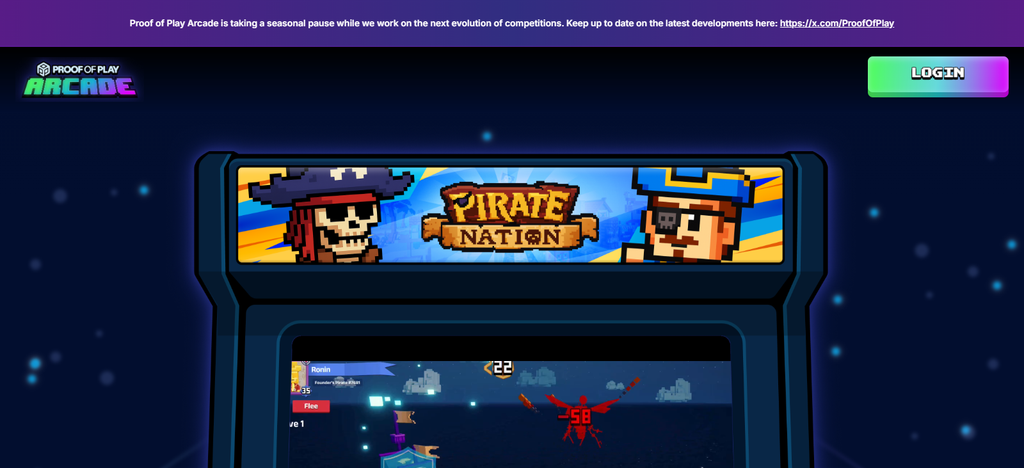
Its multi-player experience encompasses competitive battles, leaderboards and shared gaming activities. Pirate Nation is free-to-play, but it does allow for optional purchases and digital collectibles that can lead to extra spending.
Asset management accessibility depends on wallet requirements and supported marketplaces, and transaction performance depends on the underlying gaming network.
Features
- Pirate-Themed RPG Gameplay: Includes exploration, ship development, resource gathering, crafting and adventure-based progression in a shared gaming ecosystem.
- **Player Owned Digital Assets: ** Pirates, ships and other collectibles are NFTs allowing players to keep their blockchain based ownership.
- On-Chain Game Economy: Smart contract, digital currencies, and blockchain-backed systems are combined to manage the core functions of the game.
- Competitive multiplayer gameplay: This includes PvP battles, leaderboards and other competitive gameplay that encourages strategic participation from player.
- Multichain Gaming Infrastructure: Connects Ethereum with Proof of Play gaming infrastructure (Apex, Boss) to facilitate diverse gaming and asset operations.
| Pros | Cons |
|---|---|
| Combines exploration, crafting and pirate adventures. | Progression can require considerable time. |
| Supports player-owned NFT assets. | Optional digital assets can increase spending. |
| Offers competitive PvP activities. | Some activities depend on ecosystem-specific infrastructure. |
| Uses dedicated gaming blockchain infrastructure. | Multichain functionality can confuse beginners. |
| Provides free-to-play entry options. | Advanced progression may involve additional expenses. |
4. Influence
Influence is a space strategy MMO in the Adalian asteroid belt where players build industrial operations, manage crews, mine resources, produce goods and trade. It’s built on Starknet, an Ethereum Layer 2, which hosts the core game systems and the assets players own.
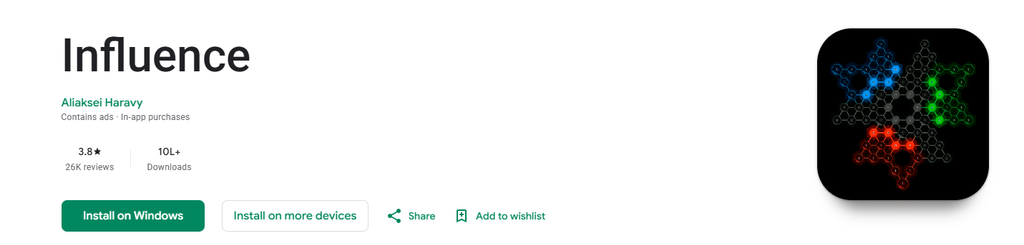
Multiplayer is born out of shared economy. Players work together, compete for resources, organize logistics, sell each other products. Extraction, construction, manufacturing, trade and ship travel are playable. Combat and research are planned for the future.
Actions take game time to resolve, rather than instantly. Starter packs give crewmates and allowances, check current store prices and wallet options before joining.
Features
- Persistent Space MMO: A sprawling sci-fi setting where players can build colonies, explore asteroids, and experience a shared universe.
- Player Owned Asteroids: Enables ownership of asteroid assets on the blockchain, allowing players to manage resources and develop industrial operations.
Resource Management and Manufacturing: Mining, production, crafting and logistics, creating interconnected economic activities between players. - Economy (player-driven): Allows trade, cooperation and competition via shared markets and economic interactions based on resources.
- Starknet Integration: Employs Ethereum Layer 2 infrastructure to support blockchain assets and core game systems with scalable transaction capabilities.
| Pros | Cons |
|---|---|
| Offers a persistent space strategy environment. | Complex systems may challenge new players. |
| Uses Starknet for blockchain integration. | Layer 2 wallet onboarding requires familiarity. |
| Supports player-owned asteroid assets. | Asset acquisition may involve additional costs. |
| Features resource management and manufacturing. | Economic progression can be time-consuming. |
| Encourages player-driven trading and cooperation. | Some anticipated gameplay features may not be available yet. |
5. EVE Frontier
EVE Frontier is a space survival MMO under development by CCP Games. It blends exploration, mining, base building, ship crafting and combat. It has transitioned from its own testnet to a blockchain network called Sui. Smart Assemblies allow players to build programmable structures, like storage, turrets and stargates, and public game data lets them build tools and economies.
Multiplayer allows you to join Tribes, trade, build infrastructure, and fight other players. Sui has sub-second transaction finality but that’s a network feature not a guarantyd latency in the gameplay. It is available for paid Founder Access, typically US$39.99 and up; release timing is still unannounced.
Features
- Persistent Space Survival: A large multiplayer science-fiction universe combining exploration, mining, resource gathering and survival gameplay.
- Programmable Smart Assemblies: Players can build and configure structures such as turrets, storage facilities, markets and defensive systems.
- Player Driven Economy: Trade networks, custom currencies, resource markets and economic relationships between player groups.
- Blockchain-Based Ownership: Leverages Sui infrastructure to enable programmable assets, digital ownership and persistent player contributions.
- – Tribe and Alliance Gameplay: Players are encouraged to unite, build infrastructure, compete for resources and develop cooperative survival strategies.
| Pros | Cons |
|---|---|
| Provides an expansive multiplayer space environment. | Requires substantial learning and strategic planning. |
| Supports programmable Smart Assemblies. | Advanced features may be difficult for beginners. |
| Uses Sui blockchain infrastructure. | Blockchain integration adds technical complexity. |
| Encourages player-driven economies and alliances. | Paid Founder Access creates an entry barrier. |
| Offers survival, exploration and construction mechanics. | Development-stage features may change over time. |
6. Colony in Parallel
Parallel Colony is a survival and colony simulation game powered by AI and connected to the Parallel ecosystem. Players control AI characters acting independently to gather resources, build settlements and react to changing conditions.
Its Web3 positioning links digital resources and participation in the ecosystem to blockchain technology but an execution network for all actions within the gameplay is not clearly defined in project information available. It is more of an AI colony simulation than a verified fully on-chain multiplayer game.
There’s no public evidence that the character decisions or simulation updates or encounters are decided on-chain. Until official documentation is available, transaction speed, wallet support, multiplayer scope and entry cost are to be considered unconfirmed.
Features
- AI Characters: AI-driven characters that can make decisions and engage in activities in a simulated survival environment.
- Colony Development: Gathering resources, building settlements and fulfilling the needs of an expanding colony.
- AI-Driven Interactions: Autonomous character behavior will be implemented to provide constantly evolving gameplay situations and strategic management challenges.
- Web3 Asset Integration – Incorporates online assets and blockchain ownership into the wider Parallel game ecosystem.
- Survival Sim: Mixes resource management, exploration, and settlement development. Not just pure traditional competitive multiplayer battles.
| Pros | Cons |
|---|---|
| Introduces autonomous AI-powered characters. | AI behavior may be unpredictable. |
| Combines survival and colony management. | Gameplay can require continuous resource management. |
| Offers AI-driven character interactions. | AI features may increase technical complexity. |
| Connects with the Parallel gaming ecosystem. | Blockchain functionality is not equally clear across all activities. |
| Introduces a different approach to Web3 gaming. | Real-time multiplayer capabilities need further verification. |
7. Primodium
Primodium is an empire-building strategy game in space, where you mine resources, build bases, expand your territory and compete for control. It is built on the MUD framework for on-chain worlds and was previously deployed on Base.
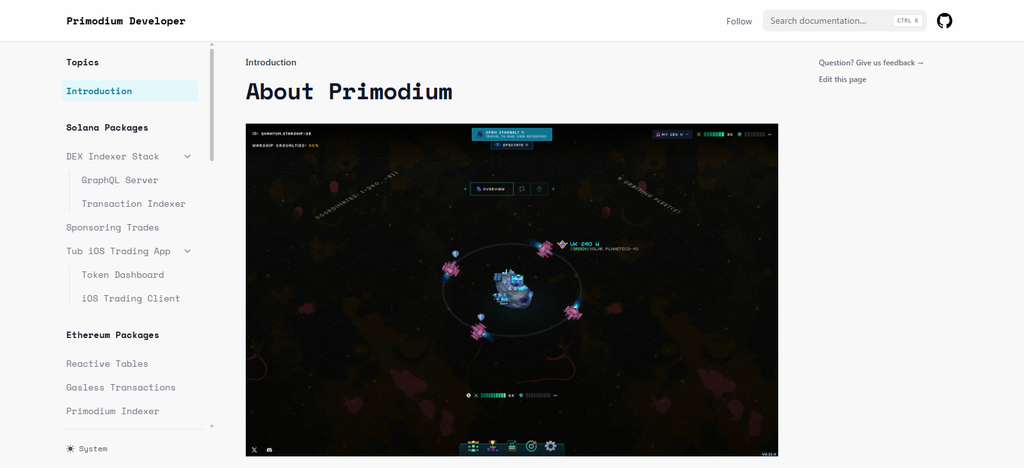
Core game rules, resource actions and shared state are handled by intelligent contracts to facilitate competitive and cooperative multiplayer experiences. Players build up empires and cooperate with other players .
The Empires mode is about competition between groups . Please be aware that transaction speed and fees depend on the network being used and its current conditions. Do not assume a generic confirmation time for the game. Check wallet requirements and entry costs and current version before playing.
Features
- Space Empire Building: Players can expand space territories, establish bases, and extend their influence in a competitive gaming environment.
- Resource Mining: This is gathering and managing resources, which provide important materials for construction and strategic purposes.
- Fully On-Chain Mechanics: Ability to support smart-contract based game logic and shared game-state interactions through MUD framework.
- Competitive Empire Gameplay: Players are encouraged to work with allies, compete with rival groups, and participate in territory-based actions.
- Strategic Base Building: Infrastructure Construction, Resource Management & Military Planning all come together for an interconnected, strategy-based gameplay experience.
| Pros | Cons |
|---|---|
| Provides strategic space empire-building gameplay. | Requires careful resource allocation. |
| Uses the MUD framework for on-chain mechanics. | Blockchain interactions can add complexity. |
| Encourages competitive and cooperative gameplay. | New players may face a learning curve. |
| Includes mining and base construction. | Progression can require significant time. |
| Supports programmable game-world mechanics. | Current deployment and activity levels need checking. |
8. Kuroro’s Wilds
Kuroro Wilds is an action role-playing game about collecting creatures within the Kuroro Beasts ecosystem, featuring exploration, team building, crafting, resource gathering, and combat. Ronin is the home of its own Web3 ecosystem where the blockchain enables ownership of digital resources and activities around it.
The game is about exploring the Kuroro Islands and building creature teams with separate competitive experiences in the larger ecosystem. This matters: just because PvP in other parts of Kuroro is real-time on-chain multiplayer doesn’t mean everything in the Wilds is.
The confirmation of the transaction and fees are subject to Ronin conditions and the action made. Wilds is providing free-to-play alpha access for players but NFT and asset costs are optional.
Features
- Creature Collection: Allows players to find, collect and grow various creatures for exploration and combat encounters.
- Action RPG Gameplay: Real-time combat mechanics, exploration and character progression in the Kuroro Islands.
- Team Building: Players are encouraged to form teams of creatures and make good combinations to solve various gameplay challenges.
- Ronin Blockchain Integration: Connects the Kuroro ecosystem to Ronin infrastructure, allowing digital asset ownership and Web3 gaming interactions.
- Resource Gathering and Crafting: Features resource gathering and crafting systems that enable player progression and equipment development.
| Pros | Cons |
|---|---|
| Combines creature collection with action RPG gameplay. | Some features may depend on game updates. |
| Offers exploration and combat mechanics. | Progression can involve repetitive activities. |
| Integrates with the Ronin ecosystem. | Wallet setup may challenge Web3 beginners. |
| Supports creature-based team development. | NFT-related expenses may apply to optional assets. |
| Provides free-to-play access options. | Wilds multiplayer features should not be confused with separate Kuroro PvP games. |
9. Lords of the Void
Lords of the Void is not a name with established factual blockchain-game profile support from the primary sources. Its blockchain network, developer, genre, multiplayer format, smart-contract design and the current playable status should be confirmed in the official documents.
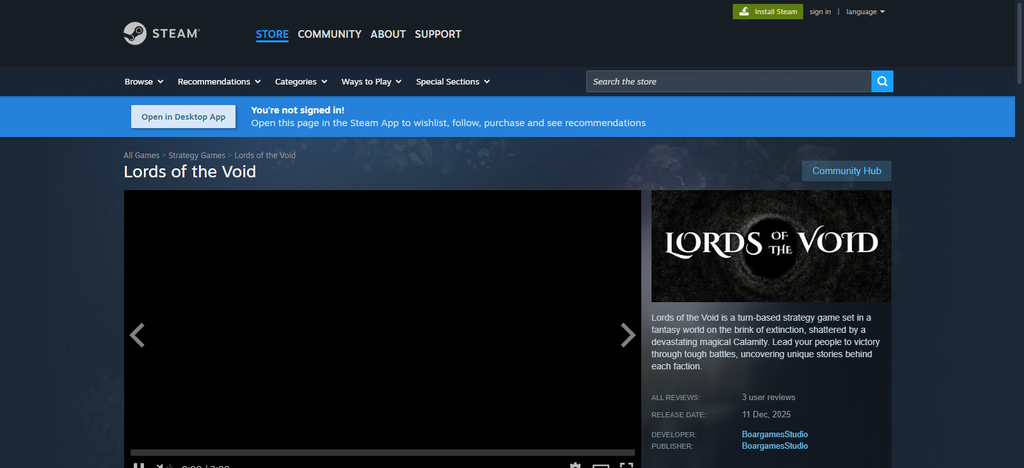
There is no established basis for the claim that battles, player movements, match results or game state updates are carried out on-chain. The speed of transactions can not be measured without knowing the network and the transactions used.
There is no information yet on the cost of entry, wallet compatibility, token requirements or supported devices. Check out its official website, playable build and technical documentation before adding it to real-time on-chain multiplayer games.
Features
- Game Genre: Must be verified from trusted project documentation as the official genre and gameplay classification of the project.
- Blockchain Infrastructure: The underlying blockchain network is not built on its own.
- On-Chain Mechanics: Technical confirmation is required for intelligent contracts and verifiable player interaction-based gameplay.
- Multiplayer Functionality: Real time PvP, cooperative and shared-world features should be verified before making claims.
- Player access: Check the compatibility of official wallets, entry requirements, digital resources, and current availability.
| Pros | Cons |
|---|---|
| Potential candidate for a niche blockchain gaming comparison. | Official gameplay details are not sufficiently verified. |
| Could offer opportunities for strategic gameplay. | Game genre requires confirmation. |
| May provide a Web3 gaming experience. | Blockchain network is unconfirmed. |
| Could support digital asset interactions. | On-chain mechanics are not established. |
| Worth investigating for additional coverage. | Multiplayer availability and entry costs are unknown. |
10. Eternal Legacy
Eternal Legacy is a name that needs to be established before being called a blockchain game. References link an Eternal Legacy project to AI-generated NFT card mechanics, but do not establish its current developer, live status or technical architecture.
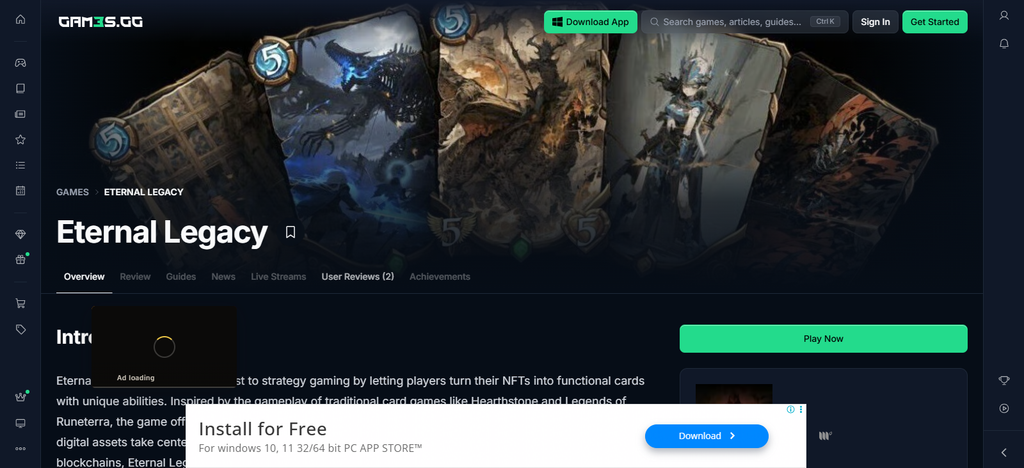
Ethereum, Arbitrum and Optimism may be relevant to NFT origins that are supported but that doesn’t confirm the chain processing gameplay. Please check its genre and competitive card features and asset utility against current official materials.
There is no specific entry cost or transaction speed that can be stated. Before you call it on-chain multiplayer, check wallet support, battle execution, fees and availability.
Features
- NFT-based Game Concept: The title is associated with NFT-based digital gaming assets as per available project references.
- AI-Driven Mechanics: Ideas floated include AI-generated traits for custom digital cards and creatures.
- Digital Asset Integration: Ethereum, Arbitrum and Optimism associated with NFT origins in descriptions available but gameplay execution network needs verification.
- Card Play Tactics: Mechanics reported include the collection of digital cards and forming strategic combinations for competitive play.
- Multiplayer and Ownership: Need to verify if battles work as of now, if assets can be transferred and if matches are actually being executed on-chain.
| Pros | Cons |
|---|---|
| Reported NFT-based gaming concept. | Current project status needs confirmation. |
| Associated with AI-powered card customization. | AI functionality requires official verification. |
| References multiple NFT blockchain ecosystems. | Actual gameplay execution network is unclear. |
| Reported strategic card-based mechanics. | Competitive multiplayer capabilities are not fully established. |
| Could offer digital asset-based gameplay. | Entry costs and wallet requirements remain unconfirmed. |
Conclusion
Real-time on-chain multiplayer blockchain games are transforming players’ experience of decentralized gaming with transparent interactions, digital asset ownership and blockchain-powered economies.
Games like Sky Strife, Dark Forest, Pirate Nation, Influence, and Primodium all explore different takes on on-chain gameplay, strategic competition, and shared virtual worlds. Not all blockchain games process all gameplay actions on-chain, however, some use hybrid infrastructure to improve performance and accessibility.
Before players choose a game, they should consider the game’s blockchain network, multiplayer features, transaction fees, gameplay performance, and entry requirements. These factors help identify games with real blockchain integration and engaging multiplayer experiences in 2026.
FAQ
What Are Blockchain Games With Real-Time On-Chain Multiplayer?
Blockchain games with real-time on-chain multiplayer use blockchain networks and smart contracts to manage game rules, player interactions, digital assets or selected gameplay actions. They enable players to participate in shared gaming environments with verifiable blockchain activity.
Which Are the Best Blockchain Games With On-Chain Multiplayer in 2026?
Some notable games include Sky Strife, Dark Forest, Pirate Nation, Influence, EVE Frontier, Parallel Colony, Primodium and Kuroro Wilds. Their blockchain integration and multiplayer capabilities differ, so players should compare their actual gameplay features.
How Does On-Chain Multiplayer Gaming Work?
On-chain multiplayer gaming uses smart contracts to execute or verify selected player actions, manage shared game states and record transactions. Players interact through connected wallets, while blockchain networks maintain verifiable game information.
Which Blockchain Networks Support On-Chain Multiplayer Games?
Popular blockchain networks and gaming infrastructures include Ethereum, Starknet, Redstone, Base, Sui, Ronin and Gnosis Chain. Each offers different transaction costs, scalability features and infrastructure for decentralized gaming applications.
Are Fully On-Chain Games Different From Hybrid Blockchain Games?
Yes. Fully on-chain games place their core game logic and state on blockchain networks. Hybrid games generally process real-time gameplay through conventional infrastructure while using blockchain for digital asset ownership, transactions or selected game activities.