

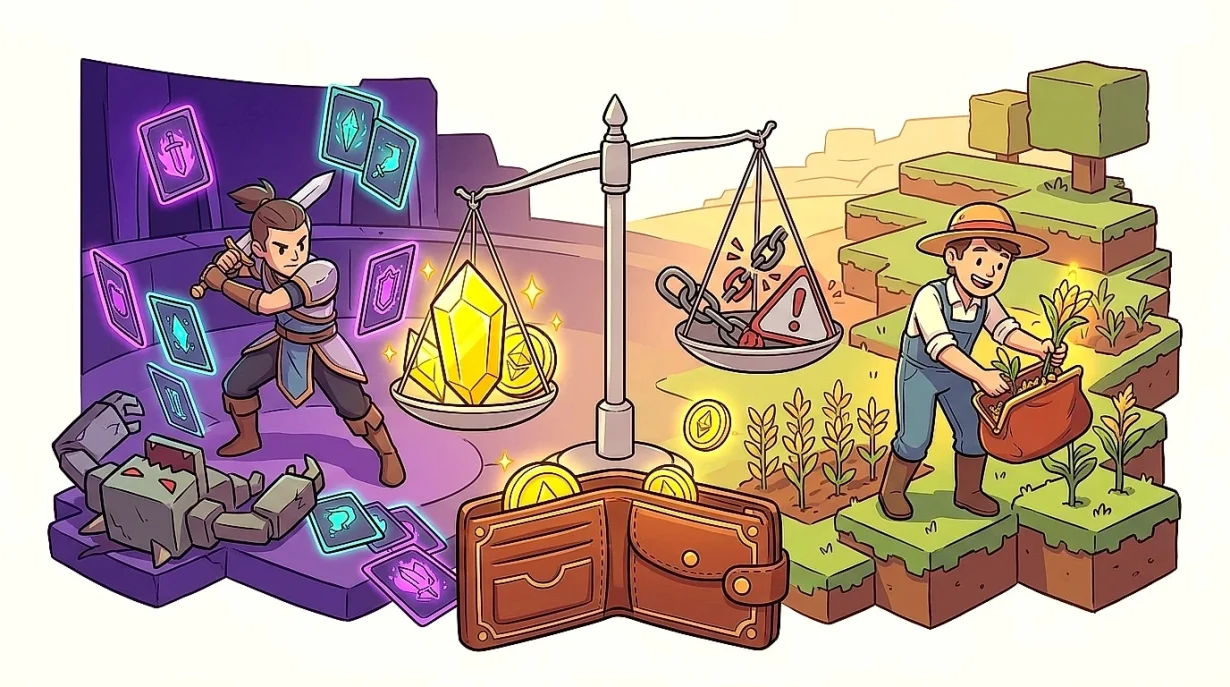
In this article, I will be talking about the Best Crypto Games With Sustainable Tokenomics. Platforms that combine exciting gameplay and balanced digital economies. We will go through their player-owned assets, marketplace systems, token utility, burning mechanisms, reward generation, and economic models to help players understand how these blockchain games incentivize long-term participation and ecosystem sustainability.
Why Choose Crypto Games With Sustainable Tokenomics
Key Points
| Game | Blockchain | Why It Stands Out |
|---|---|---|
| Axie Infinity | Ronin | Mature player-owned economy, revamped reward system, reduced token inflation, NFT ownership. |
| Pixels | Ronin | Large player-driven farming economy, accessible gameplay, balanced token rewards and crafting systems. |
| Illuvium | Immutable / Ethereum | AAA-quality ecosystem with resource-based economy, NFT asset ownership, and controlled token emissions. |
| Big Time | Ethereum-Based | Cosmetic-focused economy that limits inflation and emphasizes player-earned collectibles. |
| Star Atlas | Solana | Complex space economy with player-owned fleets, land, resources, and governance participation. |
| Gods Unchained | Immutable X | NFT card ownership, skill-based rewards, and a sustainable competitive marketplace. |
| The Sandbox | Ethereum | Creator-driven metaverse where players monetize land, experiences, and digital assets. |
| Splinterlands | Hive | Proven trading-card economy with staking, governance, and player-driven asset markets. |
| Parallel | Ethereum | Strategic card game with NFT ownership, competitive rewards, and carefully managed tokenomics. |
| Off The Grid | GUNZ Network | AAA shooter featuring tradable player-owned assets integrated into gameplay rather than pure speculation. |
1. Axie Infinity
Axie Infinity features a player-owned economy of digital creatures, called Axies, that users can breed, collect, trade and battle. Player Owned Assets are Axies, land and other collectibles that may have market value. The Marketplace Economy enables players to trade eligible assets. Its ecosystem uses AXS and SLP for different purposes.
Token Burning & Sinks SLP consumption related to breeding helps to tie token demand to gameplay activity. Its Tokenomics Model distinguishes AXS governance and ecosystem utility from the gameplay-related functions of SLP. Rewards are earned through eligible gameplay activities and ecosystem programs. Rewards, availability and earning rates may vary.
Axie Infinity
| Features | Details |
|---|---|
| Creature Battles | Players collect Axies and participate in strategic battles. |
| NFT Ownership | Eligible Axies and other digital assets can be player-owned. |
| Breeding System | Players can breed Axies using required resources. |
| Marketplace | Supports trading eligible Axies and digital collectibles. |
| Token Ecosystem | Uses AXS and SLP for governance and in-game utility. |
Pros
- Offers established blockchain gaming infrastructure.
- Supports player-owned NFT creatures.
- Provides strategic gameplay and breeding mechanics.
- Includes an active digital asset marketplace.
Cons
- Token prices can be volatile.
- Breeding and asset management require resources.
- Rewards depend on current game rules.
- Competition can make progression challenging.
2. Pixels
Pixels is a blockchain based farming and social game where players collect resources, craft, complete quests and engage in virtual land activities. Player Owned Assets are eligible digital items, resources and land related assets that the users are able to manage in its ecosystem.
Its Marketplace Economy connects players together through resource trading, crafting materials and collectible items. Token Burning & Sinks relate to activities in the ecosystem that burn resources or tokens based on the current game mechanics.
Its Tokenomics Model features PIXEL, supporting ecosystem utility, governance-related functions and selected in-game activities. Reward Generation can consist of quests, gameplay progression, and eligible events. However, earnings are subject to game rules, participation requirements, and reward availability.
Pixels
| Features | Details |
|---|---|
| Farming Gameplay | Players grow crops, collect resources, and complete activities. |
| Social Interaction | Supports community participation and multiplayer experiences. |
| NFT Assets | Includes eligible digital collectibles and land-related assets. |
| Marketplace | Supports trading eligible resources and collectibles. |
| Token Ecosystem | Uses PIXEL for selected ecosystem activities and utility. |
Pros
- Accessible farming-based gameplay.
- Offers social and community activities.
- Combines crafting with resource management.
- Provides blockchain-based asset ownership.
Cons
- Farming activities can become repetitive.
- Token rewards are not guaranteed.
- Some features require additional resources.
- Token value depends on market demand.
3. Illuvium
Illuvium is a blockchain gaming ecosystem that includes creature collection, exploration, and strategic battles. Player Owned Assets – Illuvials, equipment and qualifying digital collectibles that players can collect and trade. Its Marketplace Economy allows for the transaction of collectible assets and other eligible in-game items.
Token Burning & Sinks are critical to its economic design, with ILV buyback and distribution arrangements and in-game asset-related spending shaping token utility.
Its Tokenomics Model is built around ILV for governance and participation in the ecosystem, as well as game-specific currencies and mechanisms. Reward Generation may be earned through eligible gameplay competitions, staking-related arrangements and ecosystem activities, subject to the applicable rules and availability.
Illuvium
| Features | Details |
|---|---|
| Open-World Exploration | Players explore environments and discover creatures. |
| Creature Collection | Collects and develops Illuvials for gameplay. |
| Auto-Battler | Offers strategic team-building and competitive battles. |
| NFT Economy | Supports eligible collectible assets and marketplace transactions. |
| Token Ecosystem | Uses ILV for governance and ecosystem participation. |
Pros
- High-quality visual presentation.
- Combines exploration and strategic combat.
- Offers collectible digital creatures.
- Provides multiple interconnected gameplay experiences.
Cons
- Requires suitable gaming hardware.
- Learning the ecosystem can take time.
- Some gameplay features have access limitations.
- Asset values and token rewards can fluctuate.
4. Big Time
Big Time is a multiplayer action RPG that combines fast-paced combat, exploration, and equipment collection with blockchain-enabled digital ownership. Player-Owned Assets consist of eligible cosmetic collectibles, SPACE-related items, and other tradable digital resources.
Its Marketplace Economy utilizes Open Loot to allow players to trade and sell supported collectibles. Token Burning & Sinks are connected to crafting, upgrading, and consuming resources in the game economy. Its Tokenomics Model features BIGTIME as the ecosystem token with a maximum supply of five billion tokens and utility tied to gameplay.
Reward Generation may include eligible gameplay activities and token drops, depending on player participation, reward eligibility and the distribution rules of the game. Not all earned items in the game are automatically tradable NFTs.
Big Time
| Features | Details |
|---|---|
| Action RPG | Features fast-paced combat and dungeon exploration. |
| Multiplayer Gameplay | Allows players to participate in cooperative adventures. |
| NFT Collectibles | Supports eligible cosmetic and digital collectibles. |
| Crafting System | Players create and upgrade supported game items. |
| Token Economy | Uses BIGTIME for ecosystem-related utility and rewards. |
Pros
- Combines action combat with multiplayer gameplay.
- Provides free-to-play access.
- Supports collectible digital assets.
- Includes crafting and customization features.
Cons
- Primarily focused on PC gameplay.
- Some earning mechanics require additional resources.
- NFT demand can fluctuate.
- Progression may require considerable playing time.
5. Star Atlas
Star Atlas is a space-themed blockchain game focused on exploration, resource management, spacecraft, and player-driven economic activities. Player-Owned Assets are spaceships, land, equipment and other NFT-based collectibles that players can own and use in supported game modes.
Its Marketplace Economy allows trading of eligible spacecraft, resources and digital goods. Token Burning & Sinks are implemented via economic activities, crafting, consumption of resources and other ecosystem transactions.
Its Tokenomics Model uses ATLAS as an in-game economic currency, and POLIS for governance and political participation. There are lots of different uses of these tokens in the ecosystem. Reward Generation may involve resource extraction, missions, and economic gameplay, depending on the available features and the participation requirements. Rewards are not assured income.
Star Atlas
| Features | Details |
|---|---|
| Space Exploration | Players explore a science-fiction universe. |
| NFT Spaceships | Supports ownership of eligible spacecraft and equipment. |
| Resource Economy | Includes resource collection and management. |
| Marketplace | Supports trading eligible digital assets. |
| Token Ecosystem | Uses ATLAS and POLIS for economic and governance functions. |
Pros
- Ambitious space-themed gaming environment.
- Offers blockchain-based asset ownership.
- Includes resource management and exploration.
- Provides a player-driven economic concept.
Cons
- Complex gameplay mechanics.
- Some features remain under development.
- Requires understanding of blockchain assets.
- Long-term ecosystem development carries uncertainty.
6. Gods Unchained
Gods Unchained is a competitive digital trading card game where players build decks, play matches, and collect blockchain-based cards. Player-Owned Assets are eligible NFT cards that players can hold, trade and use in supported game play formats. Its Marketplace Economy allows users to buy and sell eligible cards, building value around rarity, demand and competitive usefulness.
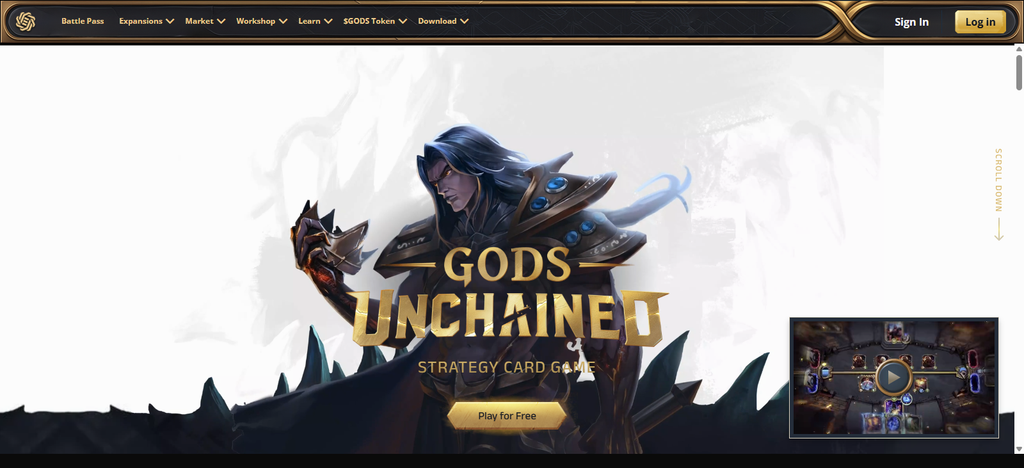
Token Burning & Sinks Card forging and other ecosystem mechanisms that burn resources or tokens. Its Tokenomics Model uses GODS as an ecosystem utility and governance token, whilst cards have their own collectible economy. Reward Generation can include ranked-play rewards, seasonal activities, and qualifying token or card distributions. Actual rewards depend on current game programs and eligibility requirements.
Gods Unchained
| Features | Details |
|---|---|
| Trading Card Battles | Players compete using strategic card decks. |
| NFT Card Ownership | Supports ownership of eligible blockchain-based cards. |
| Card Marketplace | Allows eligible cards to be bought and sold. |
| Forging System | Combines eligible cards through resource-based mechanics. |
| Token Economy | Uses GODS for ecosystem utility and governance. |
Pros
- Strategic and competitive card gameplay.
- Supports digital card ownership.
- Offers a player-driven card marketplace.
- Accessible free-to-play entry.
Cons
- Competitive decks can require investment.
- Card values depend on market demand.
- Gameplay requires strategic experience.
- Rewards depend on eligibility and current programs.
7. The Sandbox
The Sandbox is a virtual world based on the blockchain, where users can create experiences, build environments and develop digital resources. Player-Owned Assets includes LAND virtual real estate, ASSET collectibles and other eligible NFTs that can be owned by creators and players.
Its Marketplace Economy allows trade of digital creations, virtual land and eligible collectibles. Token Burning & Sinks. These have to do with ecosystem transactions and token activities that can decrease circulating supply, or create demand, depending on the mechanisms that are put in place.
Its Tokenomics Model uses SAND as the primary utility and governance token to facilitate transactions, staking-related participation and ecosystem activities. Reward Generation can be earned via creator programs, game experiences, and qualifying seasonal campaigns, as determined by program rules for participation and reward availability.
The Sandbox
| Features | Details |
|---|---|
| Virtual Land | Players can own eligible LAND NFTs. |
| Asset Creation | Supports creating digital objects and collectibles. |
| Game Development | Allows users to build interactive experiences. |
| Marketplace | Supports trading eligible digital assets. |
| Token Economy | Uses SAND for ecosystem utility and governance. |
Pros
- Provides creative freedom.
- Supports user-generated gaming experiences.
- Offers virtual land ownership.
- Includes digital asset trading opportunities.
Cons
- Creating experiences requires learning tools.
- LAND ownership can involve substantial costs.
- Experience quality varies between creators.
- Marketplace demand is not guaranteed.
8. Splinterlands
Splinterlands is a digital collectible card game where players create teams for battle, compete in strategic matches and collect blockchain-based cards. Player-Owned Assets are eligible monster cards, summoner cards, land and other digital collectibles that players can hold or trade.
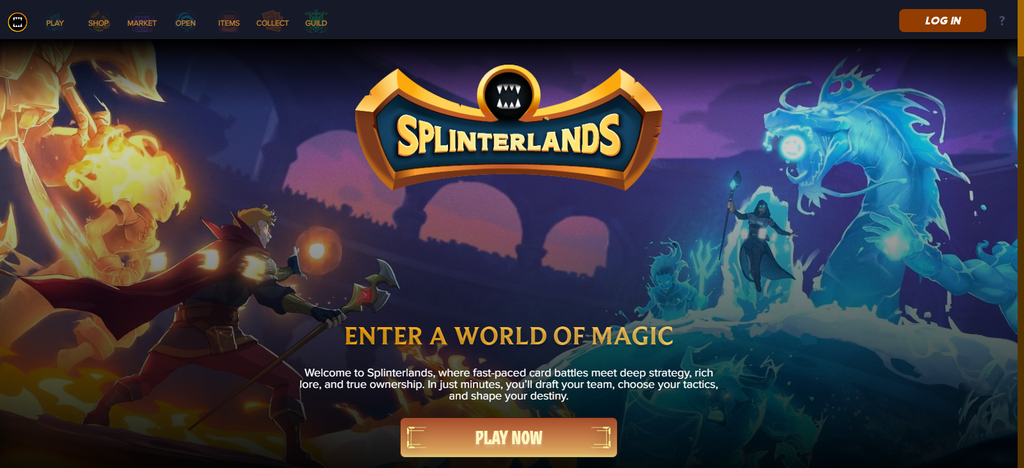
Its Marketplace Economy allows card rentals, purchases, sales and selected asset transactions, allowing players to participate without necessarily having to permanently buy every card. Token Burning & Sinks Card related transactions, merging or upgrading eligible cards and other resource consuming activities.
Its Tokenomics model uses SPS tokens for governance and ecosystem participation, and DEC is an important in-game currency. Reward Generation may include ranked battles, tournaments, seasonal rewards and eligible staking distributions, subject to the current rules and performance of the player.
Splinterlands
| Features | Details |
|---|---|
| Card Battles | Offers strategic collectible card gameplay. |
| NFT Ownership | Supports eligible monster and summoner cards. |
| Card Rentals | Allows players to rent supported cards. |
| Marketplace | Supports card purchases and sales. |
| Token Economy | Uses SPS and DEC for different ecosystem functions. |
Pros
- Offers fast strategic battles.
- Provides collectible card ownership.
- Supports card rental opportunities.
- Includes tournaments and ranked gameplay.
Cons
- Strong decks may require investment.
- Reward systems have changing requirements.
- Competitive gameplay requires strategic planning.
- Card values can fluctuate.
9. Parallel
Parallel is a science-fiction trading card game that merges strategic deck building, competitive battles, and blockchain-based digital collectibles. Player-Owned Assets are collectible NFT cards representing characters and objects that players can own and trade on supported marketplaces. Marketplace Economy – Users can trade eligible collectibles and buy single cards or card packs.
Token Burning & Sinks includes card replication and other ecosystem activities that require PRIME and other resources. Its Tokenomics Model is built around PRIME, which enables ecosystem rewards, staking activities and governance participation through the broader Echelon ecosystem.
Reward Generation may include ranked matches, tournaments, eligible gameplay activities, and caching collectibles. Distribution and reward opportunities for PRIME are governed by current program rules and eligibility.
Parallel
| Features | Details |
|---|---|
| Trading Card Game | Provides competitive science-fiction card battles. |
| Faction System | Includes different factions with distinct strategies. |
| NFT Collectibles | Supports eligible collectible digital cards. |
| Marketplace | Allows trading supported digital collectibles. |
| Token Economy | Uses PRIME within the wider Echelon ecosystem. |
Pros
- Offers strategic deck-building gameplay.
- Features distinctive science-fiction artwork.
- Supports digital collectible ownership.
- Provides competitive gameplay opportunities.
Cons
- Learning card combinations takes time.
- Competitive decks require careful planning.
- Marketplace liquidity can vary.
- Reward opportunities depend on current programs.
10. Off The Grid
Off The Grid is a cyberpunk battle royale and extraction shooter that blends competitive gameplay with optional blockchain-based asset ownership. Player-Owned Assets include eligible weapons, character customizations, cyberlimbs and other in-game collectibles that players can exchange for tradable NFTs.
Its Marketplace Economy is based on the GUNZ ecosystem where players can trade supported items with other users. Token Burning & Sinks – GUN fees from NFT minting, marketplace transactions, and other ecosystem activities.
GUN is the primary currency in the GUNZ ecosystem and the in-game currency in its Tokenomics Model, allowing transactions, validator actions, and platform services. Revenue generated by the ecosystem can be used to fund the distribution of platform rewards and rewards for gameplay performance. Players do not need to interact with the blockchain.
Off The Grid
| Features | Details |
|---|---|
| Battle Royale | Offers competitive multiplayer shooting gameplay. |
| Extraction Mechanics | Combines survival, combat, and item collection. |
| Digital Assets | Supports eligible blockchain-based in-game collectibles. |
| Marketplace | Uses the GUNZ ecosystem for supported asset transactions. |
| Token Economy | Uses GUN for ecosystem transactions and utility. |
Pros
- Combines shooter gameplay with blockchain features.
- Offers competitive multiplayer experiences.
- Supports eligible digital asset ownership.
- Keeps blockchain features separate from core gameplay for accessibility.
Cons
- Requires suitable gaming hardware.
- Blockchain features may involve additional complexity.
- Asset demand can fluctuate.
- Game features and economy may change during development.
Conclusion
The gaming industry is being transformed by crypto games, which blend traditional gameplay with blockchain technology, digital ownership and token-based economies. Axie Infinity, Pixels, Illuvium, Big Time, Star Atlas, Gods Unchained, The Sandbox, Splinterlands, Parallel, and Off The Grid are a few platforms that provide unique opportunities with player-owned assets, marketplace economies,
tokenomics models, and reward-generation mechanisms. Each game has unique features like NFT trading, resource collection, competitive battles, crafting and ownership of virtual assets. Before selecting a platform, players should look at gameplay quality, token utility, marketplace activity, asset ownership, and reward structures.
FAQ
What are crypto games?
Crypto games are blockchain-powered video games that use cryptocurrencies, NFTs, and digital ownership systems. Players can collect assets, trade items, participate in virtual economies, and potentially earn eligible rewards through gameplay.
Which crypto games offer player-owned assets?
Axie Infinity, Illuvium, Big Time, Star Atlas, Gods Unchained, The Sandbox, and Splinterlands offer blockchain-based digital assets that players can own and trade through supported marketplaces.
How do crypto game marketplaces work?
Crypto game marketplaces allow players to buy, sell, and exchange eligible digital assets, including NFT characters, cards, weapons, virtual land, and collectibles using supported cryptocurrencies or in-game currencies.
What is token burning in crypto games?
Token burning is a mechanism that permanently removes tokens from circulation. Games may use burning mechanisms for crafting, breeding, upgrading assets, or completing specific in-game transactions.