

I will examine the Best Multi-Chain APIs that assist in the development of robust Web3 applications that operate across multiple blockchain networks.
For developers trying to integrate blockchain technology into their applications quickly and easily, these APIs enable developers to interact reliably with the blockchain and access services via RPC, real-time data, wallets, NFTs, and smart contracts.
I will detail their features and all the chains they support, as well as their advantages, and provide some examples on how to most effectively use them in contemporary blockchain development.
What is Multi-Chain APIs?
Multi-Chain APIs are developer tools that allow seamless interaction with multiple blockchains using just one API. Building integrations for each Blockchain individually is no longer necessary. APIs can interact with Blockchain data, transactions, wallet addresses, smart contracts, tokens, NFTs, etc.
Multi-Chain APIs are Blockchain integrations for Ethereum, Polygon, Solana, BNB Chain, Avalanche, and EVM compatible chains. Because of their advanced infrastructure, Multi-Chain APIs improve scalability and ease the complexity of Web3 development. Businesses are able to develop cross-chain applications in a fraction of the time.
Benefits Of Multi-Chain APIs
Eases Blockchain Integration
Developers can incorporate several blockchain networks via a single API interface using Multi-Chain APIs. Separate infrastructure to be built and maintained becomes unnecessary, which simplifies the development process and reduces the workload considerably.
Works With Multiple Blockchain Networks
APIs provide support to many blockchain ecosystems, such as Ethereum, Polygon, Solana, BNB Chain, Avalanche, etc. Many blockchain networks can be utilized to create applications, and no additional solutions are required.
Cuts Down Development Costs
Using a Multi-Chain API eliminates the need to purchase and maintain the resources to provide the infrastructure to support individual blockchain networks. Managed infrastructure for Multi-Chain APIs provides solutions that decrease costs for even the most resource intensive operations.
Advanced Application Scalability
Multi-Chain APIs provide high volume transaction capability via scalable RPC endpoints and load balancing and flexible infrastructure that Web3 applications can rely on.
Access to Blockchain Data
APIs provide developers the ability to view real time data surrounding transactions, transfers, activities, and events pertaining to smart contracts. Responsive applications along the lines of analytics can be created via the additional capabilities this data provides.
Improved Cross-Chain Development
Building multi-blockchain applications using cross-chain APIs becomes much easier, as they support data transfer among several ecosystems, and provide useful interoperability amongst blockchain networks.
Accelerates Web3 Development
Pre-built APIs mean that developers can integrate wallets, tokens, NFTs, and blockchain data faster and more easily into decentralized applications. Development teams can place more resources towards DAPP product functionality and features, and less on worrying about supporting large scale blockchain infrastructure.
Increases Reliability and Performance
Leading Multi-Chain API providers build and curate high uptime nodes and offer optimized global infrastructure. This results in faster and reliable blockchain connectivity for applications.
Friendly to DeFi and NFT Use Cases
Multi-Chain APIs have token tracking, transaction monitoring and smart contract interactions which can all be applied to countless use cases, from DeFi and NFT and other crypto and gaming applications.
Simplifies Security and Infrastructure
Professional Multi-Chain API providers take care of node security, updating, monitoring, and maintenance. This allows businesses to tap into different blockchain networks in a secure manner without having to deal with difficult and complicated infrastructure on their end.
Key Point & Best Multi-Chain APIs
| Multi-Chain API Provider | Key Points |
|---|---|
| Alchemy | Provides powerful blockchain APIs, enhanced node infrastructure, NFT APIs, token APIs, and developer tools. Supports multiple networks including Ethereum, Polygon, Arbitrum, Optimism, and Solana. Best suited for Web3 apps, DeFi platforms, and enterprise blockchain projects. |
| Infura | Offers reliable Ethereum and multi-chain APIs with scalable node access, IPFS services, wallet infrastructure, and blockchain data solutions. Widely used by developers building decentralized applications and Web3 platforms. |
| QuickNode | Delivers high-performance multi-chain RPC APIs, blockchain nodes, streams, and developer tools. Supports 50+ blockchain networks and enables fast transaction processing for DeFi, gaming, and NFT applications. |
| Moralis | Provides unified APIs for blockchain data, wallets, NFTs, tokens, and real-time events. Helps developers create cross-chain applications with reduced backend complexity and faster development cycles. |
| Chainstack | Offers managed blockchain nodes, RPC endpoints, and enterprise-grade APIs across major networks. Supports permissioned and public blockchains with flexible deployment options for businesses. |
| Blockdaemon | Provides institutional-grade blockchain APIs, node management, staking infrastructure, and validator services. Designed for enterprises, financial institutions, and large-scale Web3 applications. |
| Figment | Focuses on blockchain infrastructure, staking APIs, validator services, and network participation. Supports institutional users requiring secure blockchain access and staking solutions. |
| Pocket Network | Provides decentralized RPC infrastructure powered by a global network of independent nodes. Enables reliable multi-chain access while reducing dependency on centralized blockchain providers. |
| Tatum | Offers simplified multi-chain APIs for wallets, transactions, NFTs, tokens, and blockchain data. Supports multiple networks and helps developers build Web3 applications without managing complex infrastructure. |
| Nodereal | Provides blockchain RPC APIs, node services, data APIs, and infrastructure solutions. Supports networks such as BNB Chain, Ethereum, and other ecosystems for scalable Web3 development. |
1. Alchemy
Alchemy is one of the most reputable Best Multi-Chain APIs providers. Offering powerful APIs and scalable infrastructures, Alchemy allows developers, startups, and enterprises to access the blockchain effortlessly.
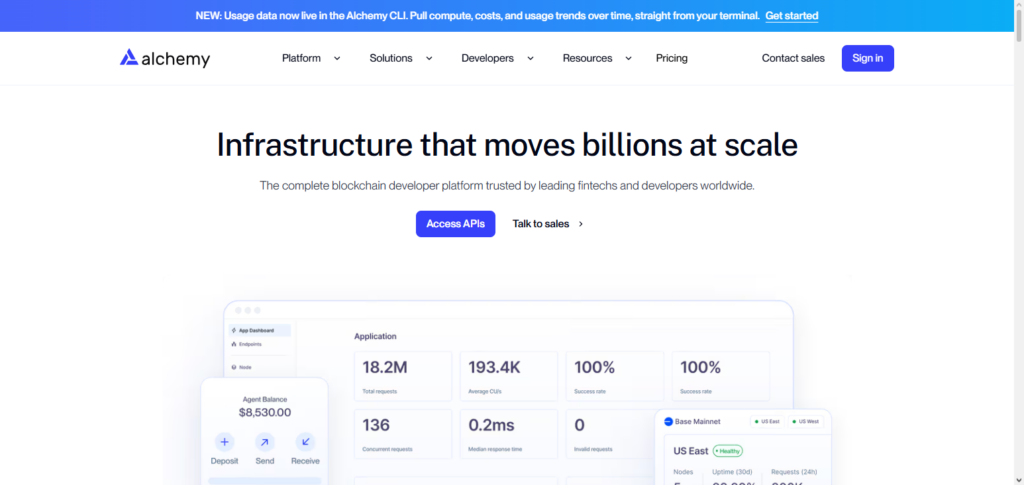
Alchemy supports developers in building DeFi applications, gaming, Web3, NFT, and marketplace applications seamlessly and enhances network performance.
The chains supported include Ethereum, Polygon, Arbitrum, Optimism, Base, Astar, Starknet, Solana, and other prominent chains in Web3. Alchemy’s Key Features include enhanced RPC APIs, Supernode infrastructure, NFT APIs, Token APIs, Notify webhooks, and debugging tools for real-time blockchain data.
| Feature Category | Details |
|---|---|
| Supported Chains | Ethereum, Polygon, Arbitrum, Optimism, Base, Solana, Starknet, Astar, and other major Web3 networks. |
| RPC Infrastructure | High-performance blockchain RPC endpoints with reliable node connectivity and low-latency access. |
| Blockchain Data APIs | Provides real-time blockchain data, transaction details, wallet activity, token information, and smart contract data. |
| NFT APIs | Enables NFT discovery, metadata retrieval, ownership tracking, and marketplace data integration. |
| Token APIs | Supports ERC-20 token balances, transfers, pricing data, and wallet token analytics. |
| Developer Tools | Offers debugging tools, SDKs, dashboards, webhooks, and monitoring solutions for Web3 developers. |
| Scalability | Enterprise-grade infrastructure designed for high-volume decentralized applications. |
| Best For | DeFi platforms, NFT marketplaces, gaming applications, wallets, and enterprise Web3 projects. |
2. Infura
Infura is one of the top providers of infrastructure in blockchain technologies. Offering the most secure and scalable Best Multi-Chain APIs, Infura has addressed one of the biggest challenges facing developers: the need to operate nodes.
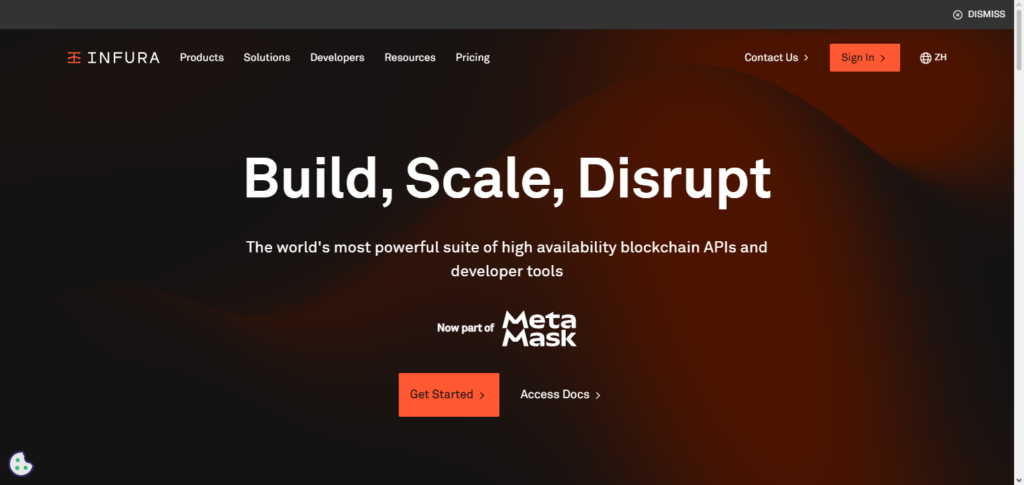
The chains that Infura supports include Ethereum, Polygon, Arbitrum, Optimism, Avalanche, Celo, Filecoin, IPFS, and other chains in Web3.
Some of Infura’s Key Features are APIs for Ethereum, RPC endpoints for blockchain, IPFS storage APIs, and tools for enterprise transaction and wallet infrastructure. Because of its high reliability and rapid accessibility, Web3 developers, DeFi applications, exchanges, and wallets depend on Infura.
| Feature Category | Details |
|---|---|
| Supported Chains | Ethereum, Polygon, Arbitrum, Optimism, Avalanche, Celo, Filecoin, IPFS, and other blockchain networks. |
| Blockchain APIs | Provides reliable RPC APIs for interacting with blockchain networks without running personal nodes. |
| Ethereum Infrastructure | Specialized Ethereum node infrastructure with high availability and scalable access. |
| IPFS Storage | Offers decentralized storage APIs for Web3 applications requiring distributed data management. |
| Transaction Management | Supports blockchain transaction requests, smart contract interactions, and network monitoring. |
| Security Features | Provides enterprise security, authentication controls, and reliable infrastructure protection. |
| Developer Support | Includes SDKs, documentation, dashboards, and development resources. |
| Best For | dApps, crypto wallets, DeFi platforms, and Web3 developers requiring stable blockchain access. |
3. QuickNode
QuickNode, one of the leading competitors currently on the market, offers top notch multi-chain APIs. QuickNode focuses on performance and ease of use when building scalable blockchain apps. QuickNode provides fast RPC endpoints and blockchain data APIs that aid developers in easier Web3 development across ecosystems.
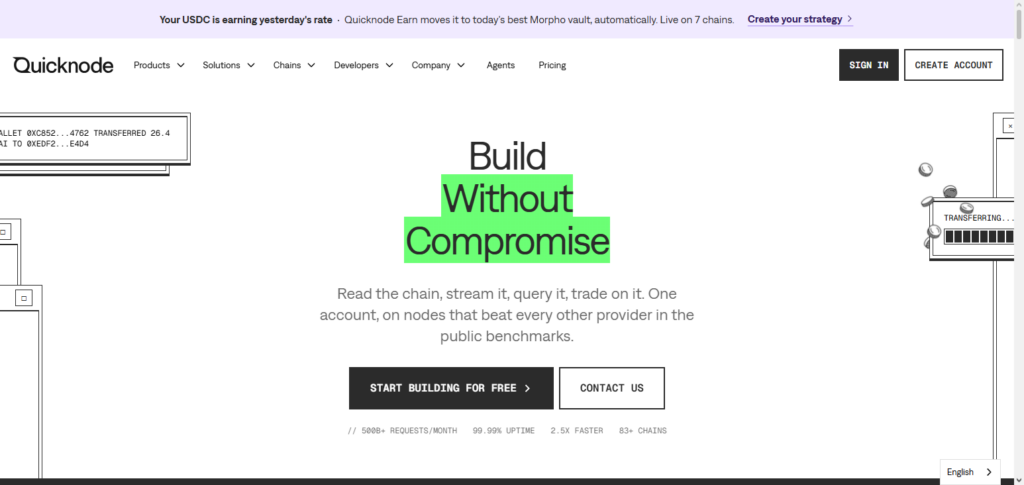
QuickNode APIs are compatible with the following chains: Ethereum, Bitcoin, Solana, Polygon, BNB Chain, Arbitrum, Optimism, Avalanche, Base, Aptos, Sui, among others. QuickNode also offers QuickNode Streams, NFT APIs, token APIs, WebHooks, global node infrastructure, and built-in enterprise scalability. QuickNode APIs are particularly useful to the creators of DeFi, blockchain games, and NFTs and integrated trading and Web3 tools.
| Feature Category | Details |
|---|---|
| Supported Chains | Ethereum, Bitcoin, Solana, Polygon, BNB Chain, Avalanche, Arbitrum, Optimism, Base, Aptos, Sui, and more. |
| RPC Nodes | Provides fast and scalable blockchain RPC endpoints with global node coverage. |
| Streams API | Enables real-time blockchain event monitoring and data streaming. |
| NFT APIs | Offers NFT ownership tracking, metadata retrieval, and marketplace data solutions. |
| Token APIs | Provides token balances, transfers, and blockchain asset tracking. |
| Web3 Developer Tools | Includes SDKs, analytics dashboards, debugging tools, and blockchain monitoring. |
| Enterprise Performance | Supports high-demand applications with reliable uptime and optimized performance. |
| Best For | DeFi apps, gaming platforms, exchanges, NFT projects, and enterprise Web3 solutions. |
4. Moralis
Moralis focuses on aiding developers by providing the fastest and simplest API solutions on the market. Moralis boasts unified APIs, allowing data to be pulled from all supported blockchains with a single integration.
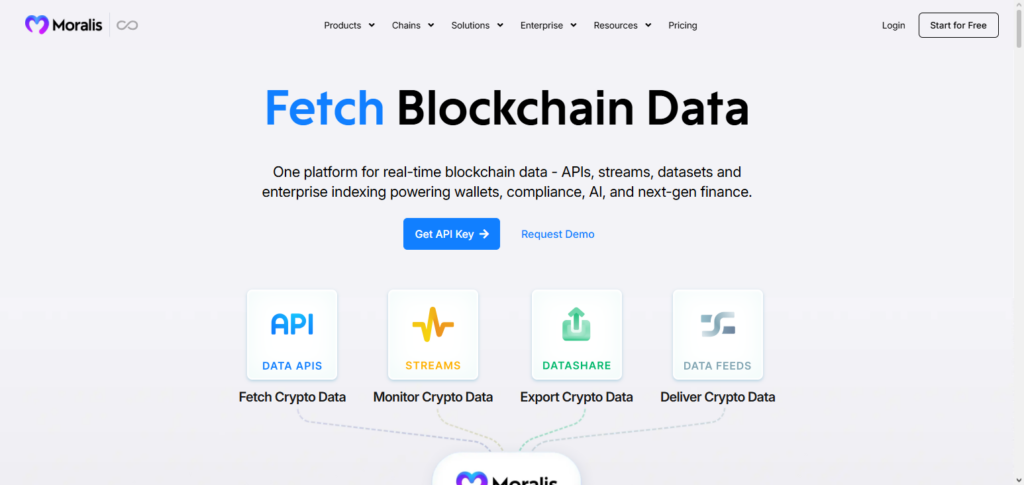
Moralis APIs currently support Ethereum, Polygon, BNB chain, Solana, Avalanche, Arbitrum, Optimism, Fantom, Cronos, and all EVM compatible blockchain chains. Moralis APIs support a vast array of developer tools such as Wallet APIs, NFT APIs, Token APIs, and a plethora of Blockchain Data APIs.
Moreover, they provide real-time streams, transaction tracking APIs, and wallet authentication tools. Moralis aids developers in building frameworks for decentralized applications, crypto dashboards, and marketplace and analytics solutions by greatly reducing the backend of these applications.
| Feature Category | Details |
|---|---|
| Supported Chains | Ethereum, Polygon, BNB Chain, Solana, Avalanche, Arbitrum, Optimism, Fantom, Cronos, and other EVM chains. |
| Unified APIs | Provides single API access for multiple blockchain networks, reducing development complexity. |
| Wallet APIs | Enables wallet balance tracking, transaction history, portfolio data, and wallet authentication. |
| NFT APIs | Supports NFT metadata, ownership details, transfers, and collection analytics. |
| Token APIs | Provides token prices, balances, transfers, and ERC token information. |
| Real-Time Data | Offers blockchain event streams and instant notifications for transactions. |
| Authentication Tools | Provides Web3 login and wallet authentication solutions. |
| Best For | Web3 apps, crypto dashboards, NFT platforms, and blockchain startups. |
5. Chainstack
Best Multi-Chain APIs from Chainstack come with managed nodes and robust RPC infrastructure. They are already multi-chain. Enterprises and Developers using this API do not need to perform complex operations for node management.
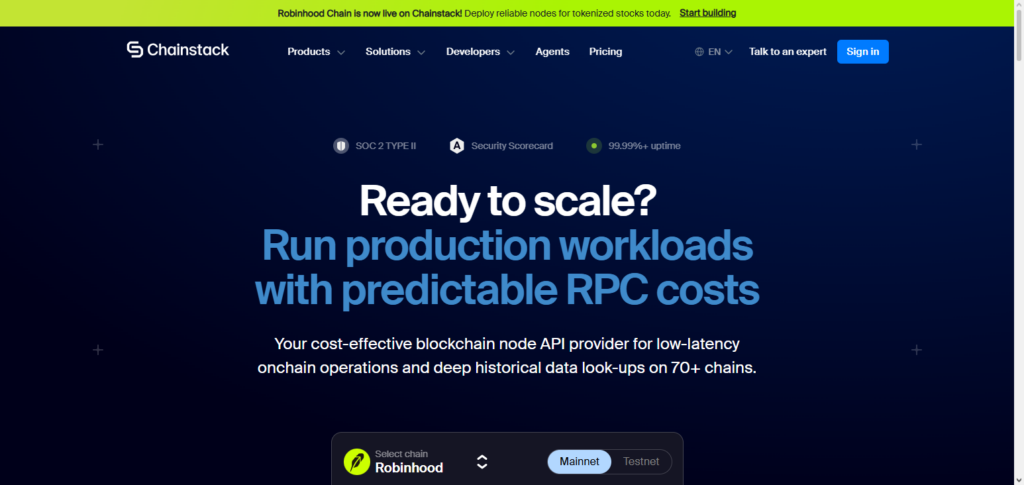
Chainstack’s Supported Chains are Ethereum, Polygon, BNB Chain, Avalanche, Arbitrum, Optimism, Solana, Bitcoin, Hyperledger Fabric, and many more. Chainstack’s Key Features managed nodes, dedicated RPC, choice of deployment in cloud, monitored nodes, enterprise security, blockchain-as-a-service, and more.
Chainstack fits companies designing DeFi, financial, enterprise blockchain, and Web3, and also companies building flexible and scalable infrastructure.
| Feature Category | Details |
|---|---|
| Supported Chains | Ethereum, Polygon, BNB Chain, Avalanche, Arbitrum, Optimism, Solana, Bitcoin, Hyperledger Fabric, and others. |
| Managed Blockchain Nodes | Provides fully managed blockchain nodes without requiring infrastructure management. |
| RPC Endpoints | Offers secure and scalable RPC connections for decentralized applications. |
| Deployment Options | Supports cloud deployment across multiple environments and regions. |
| Enterprise Security | Includes access controls, monitoring, and infrastructure protection features. |
| Node Management | Provides dashboards for node performance tracking and maintenance. |
| Blockchain-as-a-Service | Helps enterprises launch blockchain applications faster. |
| Best For | Enterprises, financial applications, DeFi projects, and private blockchain solutions. |
6. Blockdaemon
Blockdaemon also provides Best Multi-Chain APIs with institutional grade blockchain infrastructure solutions. Blockdaemon serves enterprises, financial institutions, and Web3 companies. Blockdaemon’s Strengths are secure node management, staking infrastructure, and blockchain connectivity.
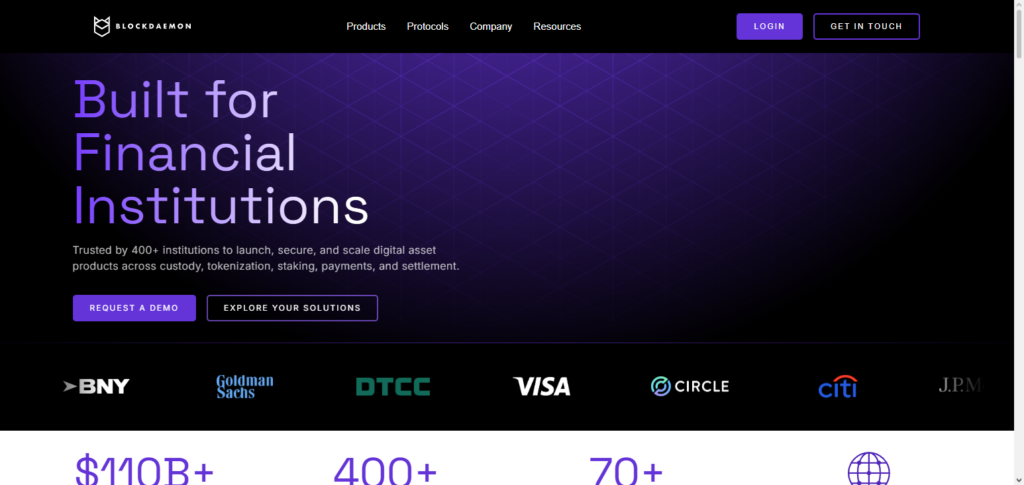
Blockdaemon’s Supported Chains Include Ethereum, Bitcoin, Solana, Polygon, Avalanche, Polkadot, Cardano, Cosmos, Near, and the majority of the leading networks. Blockdaemon’s Key Features are node APIs, staking, and validator infrastructure, Wallet infrastructure, compliance tools, and enterprise security.
Blockdaemon provides a reliable, scalable, and operationally controlled infrastructure for institutional crypto services and DeFi.
| Feature Category | Details |
|---|---|
| Supported Chains | Ethereum, Bitcoin, Solana, Polygon, Avalanche, Polkadot, Cardano, Cosmos, Near, and other networks. |
| Blockchain Infrastructure | Provides institutional-grade blockchain nodes and network connectivity. |
| Staking Services | Offers validator infrastructure and staking management solutions. |
| Node APIs | Enables secure access to blockchain nodes and network data. |
| Wallet Infrastructure | Provides enterprise wallet solutions for digital asset management. |
| Security Features | Includes compliance-focused infrastructure and institutional security controls. |
| Enterprise Support | Designed for banks, financial institutions, and large Web3 organizations. |
| Best For | Institutional investors, exchanges, custodians, and enterprise blockchain users. |
7. Figment
Figment provides professional multi-chain APIs for infrastructure and blockchain-enabled institutional access with a focus on staking and validation. This infrastructure allows organizations to participant in blockchain networks while secure managing digital assets.
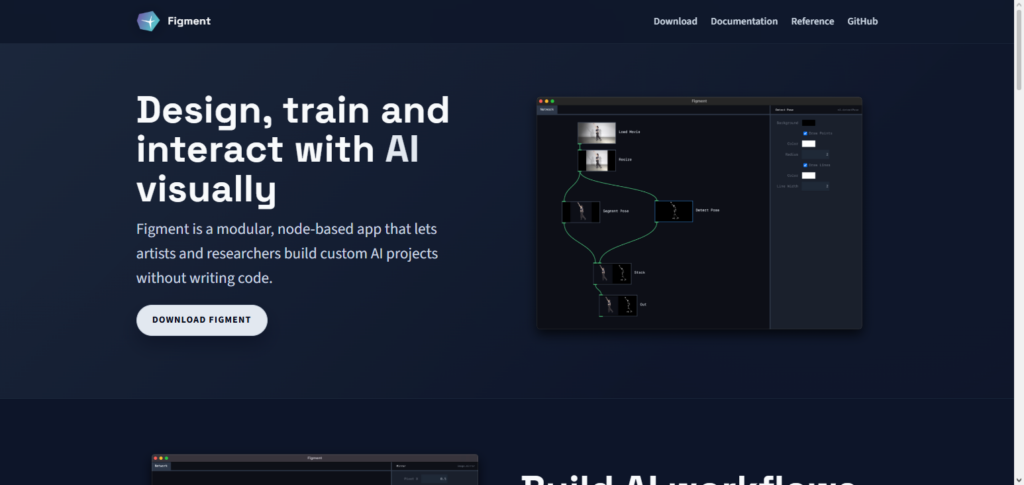
Supported Chains: Ethereum, Solana, Cosmos, Polkadot, Near, Tezos, Avalanche, Polygon, and other proof-of-stake networks. Key Features: Staking APIs, validation infrastructure, institutional blockchain analytics, and custody and participation services.
Figment’s target customers are enterprises, asset managers, and Web3 companies that are interested in secure multi-chain staking and blockchain operations.
| Feature Category | Details |
|---|---|
| Supported Chains | Ethereum, Solana, Cosmos, Polkadot, Near, Avalanche, Polygon, Tezos, and proof-of-stake networks. |
| Staking Infrastructure | Provides secure validator services for blockchain staking participation. |
| Blockchain APIs | Offers infrastructure access for institutional blockchain operations. |
| Validator Management | Supports professional validator operations and network participation. |
| Institutional Security | Provides secure asset management and operational controls. |
| Analytics Tools | Offers staking performance monitoring and blockchain insights. |
| Enterprise Services | Designed for asset managers, institutions, and Web3 companies. |
| Best For | Staking providers, institutional crypto investors, and blockchain networks. |
8. Pocket Network
Pocket Network’s multi-chain APIs are decentralized and derived from a global network of independent blockchain nodes. Pocket Network differentiates from traditional centralized providers by employing a distributed network infrastructure to increase reliability and reduce the risk of censorship.
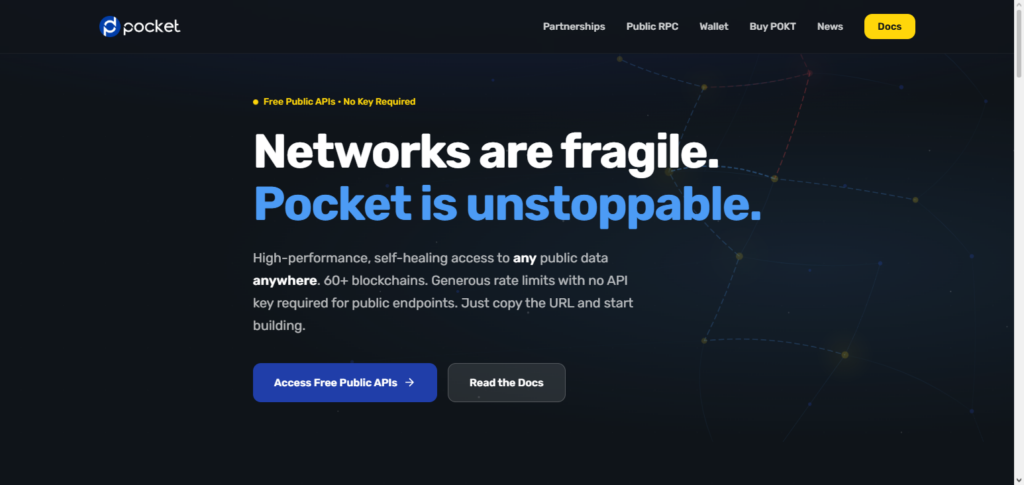
Supported Chains: Ethereum, Polygon, BNB Chain, Avalanche, Harmony, Gnosis, Fantom, Optimism, and numerous EVM-compliant networks. Key Features: Decentralized RPC access,
multi-chain node connectivity, a privacy-preserving infrastructure, and economical blockchain access. Pocket Network services are ideal for Web3 applications, wallets, and DeFi and for developers looking for decentralized alternatives for blockchain data and RPC.
| Feature Category | Details |
|---|---|
| Supported Chains | Ethereum, Polygon, BNB Chain, Avalanche, Harmony, Gnosis, Fantom, Optimism, and EVM-compatible networks. |
| Decentralized RPC Network | Provides blockchain access through a distributed network of independent nodes. |
| Multi-Chain Access | Enables developers to connect with multiple blockchains through one infrastructure layer. |
| Privacy Features | Reduces dependency on centralized blockchain data providers. |
| Developer APIs | Provides RPC access for decentralized applications and Web3 platforms. |
| Network Reliability | Uses distributed node operators to improve uptime and resilience. |
| Cost Efficiency | Offers scalable blockchain connectivity with optimized infrastructure costs. |
| Best For | Decentralized applications requiring reliable and censorship-resistant RPC access. |
9. Tatum
Tatum’s user-friendly Best Multi-Chain APIs make developing business applications on blockchains easier for both developers and businesses. APIs for transactions, wallets, tokens, NFTs, and Blockchain’s data are made available.
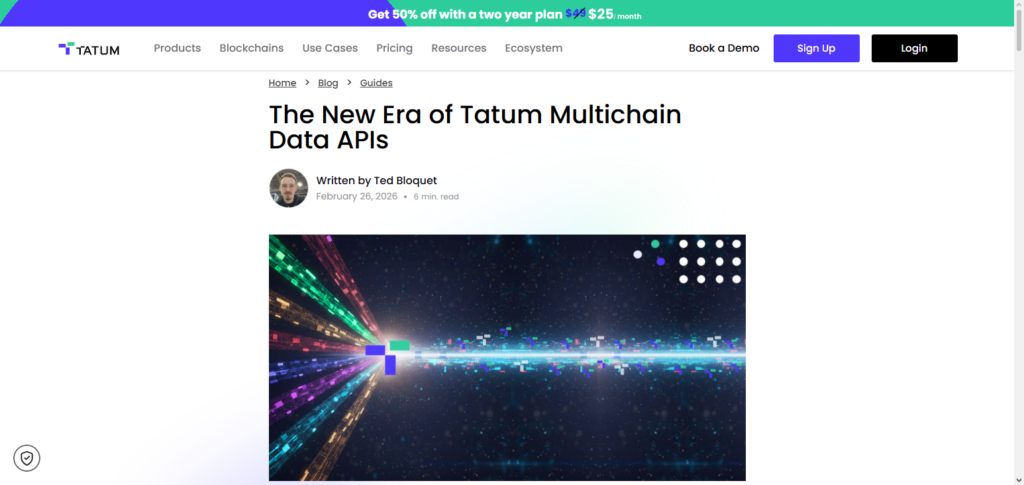
Supported Chains include Bitcoin, Ethereum, Polygon, BNB Chain, Solana, Cardano, Dogecoin, Litecoin, XRP, Tron, and most other major chains. Its Key Features include APIs for wallets, APIs for transactions on Blockchains, management of NFTs, tools for token creation, webhooks, and multi-chain development.
Tatum simplifies the creation of business wallets, payment solutions, NFT marketplaces, and Blockchain apps to businesses by making Tatum’s APIs available.
| Feature Category | Details |
|---|---|
| Supported Chains | Bitcoin, Ethereum, Polygon, BNB Chain, Solana, Cardano, Litecoin, Dogecoin, XRP, Tron, and more. |
| Blockchain APIs | Provides APIs for transactions, wallets, tokens, NFTs, and blockchain data. |
| Wallet Infrastructure | Enables developers to create and manage crypto wallets. |
| NFT Management | Supports NFT creation, transfers, metadata, and ownership tracking. |
| Token APIs | Provides tools for creating and managing blockchain tokens. |
| Webhook Notifications | Offers real-time blockchain event alerts and transaction updates. |
| Cross-Chain Development | Allows applications to work across multiple blockchain ecosystems. |
| Best For | Crypto payments, wallets, NFT platforms, and blockchain startups. |
10. Nodereal
Nodereal offers scalable Best Multi-Chain APIs and Blockchain infrastructure solutions that focus on building high-performance Web3 applications. Fast and efficient access to the network is made available through Blockchains’ data APIs and RPC developer tools and offered by the platform.
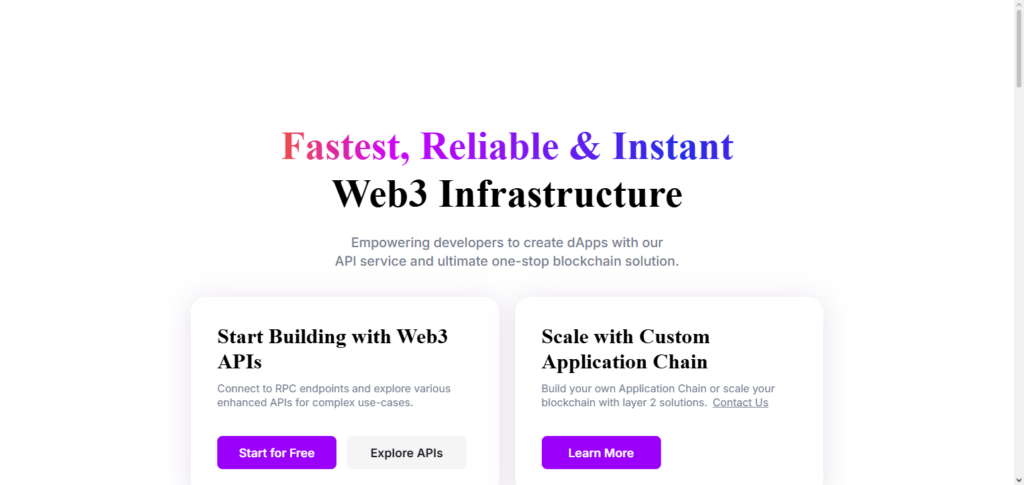
Supported Chains include BNB Chain, Ethereum, Polygon, Arbitrum, Optimism, Aptos, Solana, and other Blockchain ecosystems.
Its Key Features include fast RPC nodes, APIs for NFTs, data services for Blockchains, infrastructure for MEV, enterprise Blockchain solutions, and real-time monitoring. Nodereal is favored by developers, exchanges, DeFi, and Web3 solutions due to the innovative and advanced infrastructure solutions that solve Blockchains’ connectivity.
| Feature Category | Details |
|---|---|
| Supported Chains | BNB Chain, Ethereum, Polygon, Arbitrum, Optimism, Aptos, Solana, and other Web3 networks. |
| RPC Services | Provides high-speed blockchain RPC endpoints for decentralized applications. |
| Blockchain Data APIs | Offers blockchain analytics, transaction data, and network information. |
| NFT APIs | Supports NFT data access, tracking, and application integration. |
| MEV Infrastructure | Provides solutions for optimized transaction processing and blockchain efficiency. |
| Real-Time Monitoring | Enables blockchain activity tracking and performance monitoring. |
| Enterprise Infrastructure | Supports scalable applications requiring reliable blockchain connectivity. |
| Best For | DeFi applications, exchanges, Web3 developers, and BNB Chain ecosystem projects. |
Conclusion
Multi-chain APIs are a critical step toward abstracting multi-chain development for both builders and businesses. By simplifying RPC infrastructure, Multi-chain APIs allow builders to focus on application development.
Alchemy, Infura, QuickNode, Moralis, and Chainstack are all RPC services and blockchain data APIs accompanied by developer tools for building Web3 applications, and have a Multi-Chain offering.
Blockdaemon and Figment are more enterprise focused, decentralized infrastructure blockchain and staking solutions, while Pocket Network offers decentralized RPC access.
Tatum and Nodereal have multi-chain APIs with ready to use solutions to address multi-chain development conveniently. When selecting a Multi-Chain API, consider the networks supported, performance, security, and scalability.
FAQ
What are Multi-Chain APIs?
Multi-Chain APIs are developer tools that allow applications to connect with multiple blockchain networks through a single interface. They provide access to blockchain data, transactions, wallets, tokens, NFTs, and smart contract functions.
Why use Multi-Chain APIs for Web3 development?
Multi-Chain APIs reduce development complexity by eliminating the need to manage separate blockchain nodes. They help developers build scalable applications with faster integration, reliable data access, and support for multiple networks.
Which are the Best Multi-Chain APIs in 2026?
Some of the Best Multi-Chain APIs include Alchemy, Infura, QuickNode, Moralis, Chainstack, Blockdaemon, Figment, Pocket Network, Tatum, and Nodereal.
Which Multi-Chain API supports the most blockchain networks?
QuickNode, Chainstack, and Tatum support a wide range of blockchain networks, including Ethereum, Bitcoin, Solana, Polygon, BNB Chain, Avalanche, and many EVM-compatible chains.
Are Multi-Chain APIs useful for DeFi applications?
Yes, Multi-Chain APIs are widely used in DeFi platforms for accessing wallet balances, transaction history, smart contract data, token prices, liquidity information, and blockchain events.