


This article will discuss the best crypto node APIs. APIs help developers and small businesses access blockchain networks quickly and securely.
These APIs streamline Web3 development by giving access to reliable node infrastructure and blockchain data. I will evaluate the best Crypto Node API vendors and their usefulness. While looking at their Modern Blockchain features, I will also explain the benefits.
What is Crypto Node APIs?
Crypto Node APIs offer developers and businesses a way to integrate blockchain networks into their applications without the complexities of setting up and maintaining their own nodes.
These APIs help access key blockchain functionalities through API requests and cover many forms. Because of that, they help with transaction processing, wallet data, smart contract data, and offer more real-time network data.
Crypto Node APIs have useful integrations to help with the development of Web3 applications and DeFi solutions like NFT marketplaces and crypto wallets. They are cost-effective blockchain solutions and offer reliable integrations into other systems in the Web3 ecosystem.
Why Use Crypto Node APIs for Blockchain Developers
Simplification of Blockchain Connectivity: Developers can use Crypto Node API to connect applications to a blockchain without going through the process of building a node.
Lower Infrastructure Spending: Using a Crypto Node API means developers won’t have to spend money on servers or on the maintenance of the nodes themselves.
Faster Development Speed: APIs save developers time by providing data and the means for transactions and interactions with smart contracts.
High Scalability: Crypto Node APIs can support high-volume transactions with many users without developers having to upgrade infrastructure.
Reliable Access to a Blockchain: Crypto Node APIs offer reliable endpoints for remote procedure calls (RPC) so that applications and blockchains can communicate.
Multichain Support: Many Crypto Node APIs support multiple networks on one API, including Ethereum, Bitcoin, Polygon, Solana, BNB Chain, and Layer 2s.
Access to Real-Time Data: Developers have the ability to see real-time data including the status of transactions, wallet balances, token data, and smart contract activity.
Improved Security: Crypto Node APIs provide secure connections and monitoring of blockchain activity.
Simplified Smart Contract Use: APIs provide the means to deploy and interact with smart contracts without the need of a complex blockchain node.
Better Performance: Optimized networks of nodes provide faster and better data responses for decentralized applications.
Less Node Management: Developers can spend more time working on the development of their Web3 product rather than the management of the nodes.
Key Point & Best Crypto Node APIs
| Crypto Node API | Key Points |
|---|---|
| Infura API | • Provides reliable blockchain node infrastructure for Ethereum, Polygon, and other networks.• Offers scalable RPC access for Web3 applications.• Supports developers with APIs, monitoring tools, and enterprise-grade security.• Widely used for wallets, DeFi platforms, and dApps. |
| Alchemy API | • Provides high-performance blockchain APIs with enhanced developer tools.• Supports multiple networks including Ethereum, Polygon, Arbitrum, and Optimism.• Offers advanced features like NFT APIs, Token APIs, and debugging tools.• Designed for scalable Web3 application development. |
| QuickNode API | • Delivers fast and secure blockchain node access through global infrastructure.• Supports 50+ blockchain networks with customizable RPC endpoints.• Provides developer tools, analytics, and add-on services.• Suitable for DeFi, gaming, NFTs, and enterprise applications. |
| Chainstack API | • Offers managed blockchain node infrastructure with easy deployment.• Supports public, private, and consortium blockchain networks.• Provides automated node management and cloud-based scalability.• Helps businesses build and run blockchain applications efficiently. |
| Moralis API | • Provides Web3 APIs for blockchain data, wallets, tokens, and NFTs.• Supports multiple chains including Ethereum, BNB Chain, Solana, and Polygon.• Simplifies blockchain development with ready-to-use APIs.• Ideal for dApps, wallets, and Web3 analytics platforms. |
| Blockdaemon API | • Offers institutional-grade blockchain node infrastructure and APIs.• Supports staking, node management, and blockchain connectivity.• Provides secure infrastructure for enterprises and financial institutions.• Enables reliable blockchain operations at large scale. |
| Ankr API | • Provides decentralized RPC infrastructure for multiple blockchains.• Supports fast access to blockchain data and node services.• Offers tools for Web3 development, staking, and infrastructure solutions.• Helps developers reduce blockchain hosting complexity. |
| GetBlock API | • Provides instant access to full blockchain nodes through RPC and REST APIs.• Supports major networks like Bitcoin, Ethereum, and Litecoin.• Offers affordable and scalable node solutions for developers.• Suitable for wallets, exchanges, and blockchain applications. |
| POKT Network API | • Provides decentralized blockchain RPC infrastructure powered by a global node network.• Enables reliable and censorship-resistant blockchain access.• Supports multiple blockchain networks through a unified API.• Helps developers achieve scalable Web3 connectivity. |
| Figment API | • Provides blockchain infrastructure focused on staking and node operations.• Supports institutional-grade validator services and blockchain networks.• Offers secure APIs for blockchain participation and rewards management.• Designed for enterprises, funds, and Web3 infrastructure providers. |
1. Infura API
One of the best crypto node APIs is the Infura API, and for good reason. Infura API offers developers building Web3 applications reliable scalable RPC access across various blockchains as well as blockchain layers such as Ethereum and Polygon.
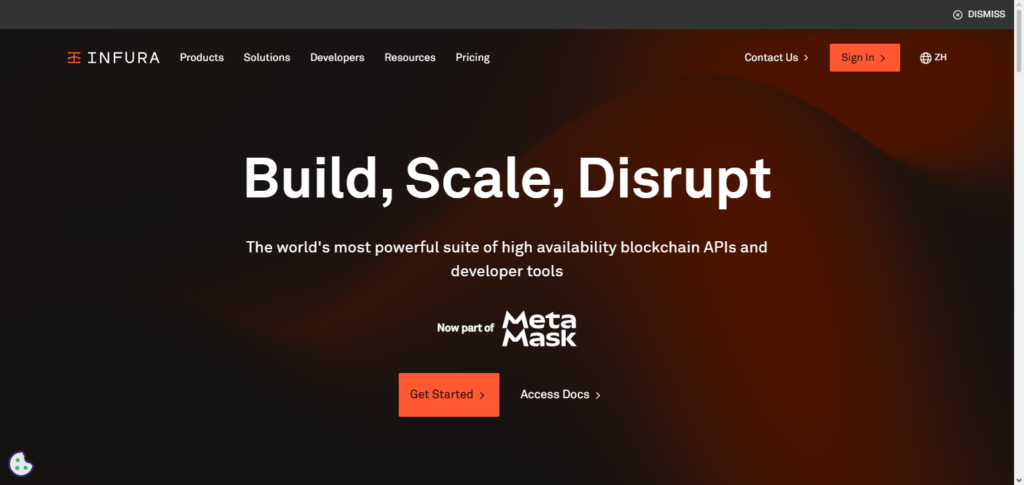
Developers no longer have to use internal nodes to make secure connections as Infura provides them. Infura API also provides support for wallets, DeFi, DApps, NFT markets, and enterprise blockchains. Infura API has solid uptime, monitoring, and developer tools.
It helps businesses reduce their costs associated with building an infrastructure and makes accessing the information they need from a blockchain fast.
Infura API
Features
- Compatible with Ethereum, Polygon and other major Layer 2 networks.
- RPC endpoints provided.
- Various developer tools.
- Can support high-traffic apps.
- Simplifies integration with wallets, dApps and DeFi.
Pros
- Excellent reliability and even better uptime.
- Simple API management and documentation.
- No need to maintain personal blockchain nodes.
- Popular choice for Web3 developers and services.
- Secure and reliable blockchain integration.
Cons
- Less control compared to personal nodes.
- Costs can get high compared to competitors.
- Focus on only specific blockchain services.
- Advanced features locked behind paywall.
- Dependence on third-party services.
2. Alchemy API
Another one of the best crypto node APIs is the Alchemy API. Alchemy API has powerful tools for blockchain development and enables high-performance node infrastructure. It has support for multiple networks such as Ethereum, Polygon, and Arbitrum as well as Optimism and other blockchains.
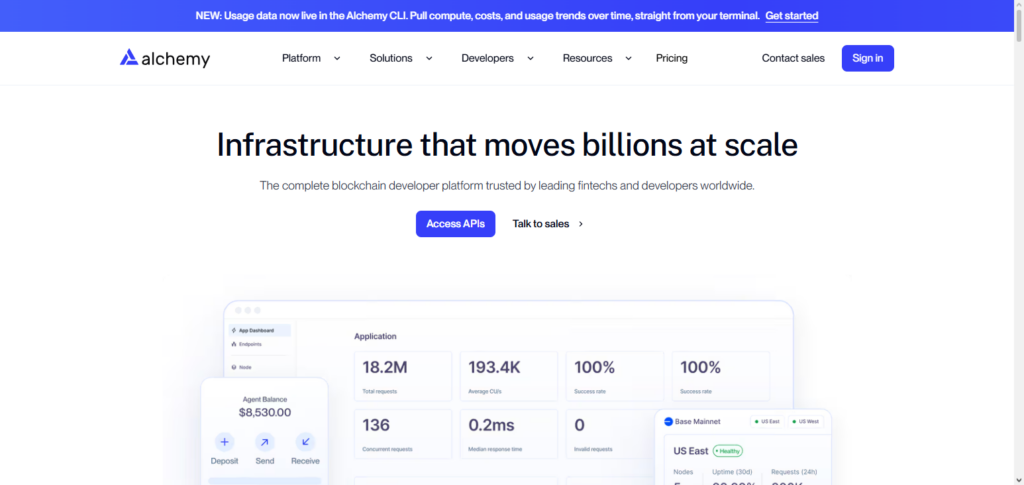
Alchemy also has advanced APIs for blockchain analytics, transaction monitoring, and token and NFT data. Alchemy API is used around the world by blockchain developers and DeFi, NFT, and gaming applications because of its node operations and enterprise grade infrastructure and built in debugging tools.
Alchemy API
Features
- Multi-chain blockchain APIs.
- APIs for NFTs, tokens, and transactions.
- Great debugging and monitoring tools.
- Scalable infrastructure.
- Advanced data indexing.
Pros
- Leads Web3 developer solutions.
- Simple user interface.
- Large scale enterprise friendly.
- Excellent analytics and dev tools.
- APIs are fast.
Cons
- Some features require higher plans.
- Less control of nodes.
- Some networks may not be supported.
- Can become expensive.
- Learning tools is a must.
3. QuickNode API
QuickNode API is one of the Best Crypto Node APIs as it offers developers and enterprises secure connectivity to fast blockchains. QuickNode provides access to numerous blockchains via reliable RPC endpoints with dedicated global high-performance infrastructure.
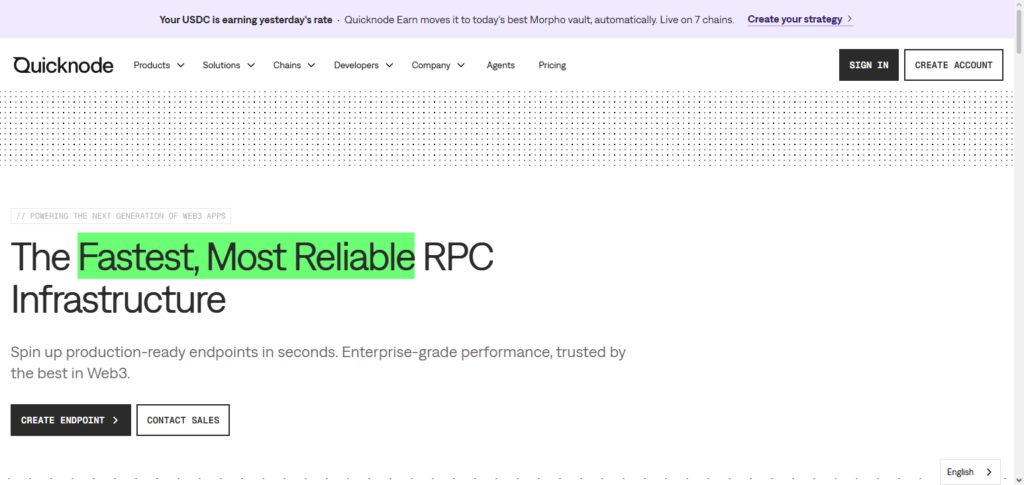
QuickNode is compatible with decentralized apps, crypto wallets, NFT marketplaces, exchanges, and all DeFi. QuickNode provides developer tools, analytics, and blockchain add-ons to simplify the dev process.
QuickNode API provides low latency, scalable solutions, and enterprise blockchain-grade security. QuickNode API is the best choice for developers to create fast, secure Web3 apps as it eliminates the hassles of hosting and managing personal blockchain nodes.
QuickNode API
Features
- Fast, global RPC endpoints.
- Additional blockchain networks and ecosystems are supported.
- Developer tools and blockchain add-ons are available.
- Scalable node infrastructure for Web3 apps is available.
- Performance monitoring & analytics are built in.
Pros
- Global infrastructure gives fast response times.
- Many blockchain networks are supported.
- API integration is easy.
- Works for enterprise and developer projects.
- Great reliability and uptime.
Cons
- Increasing usage may lead to higher costs.
- Premium subscriptions may be needed for advanced tools.
- Less control compared to having your own private nodes.
- Pricing may be complicated.
- Some features are only available for specific networks.
4. Chainstack API
Chainstack API is one of the Best Crypto Node APIs. It manages the setup of public, private, and consortium blockchain nodes for developers and enterprises. Chainstack decreases the complexity of setting up the infrastructure to support Web3 apps and automatically manages the nodes.
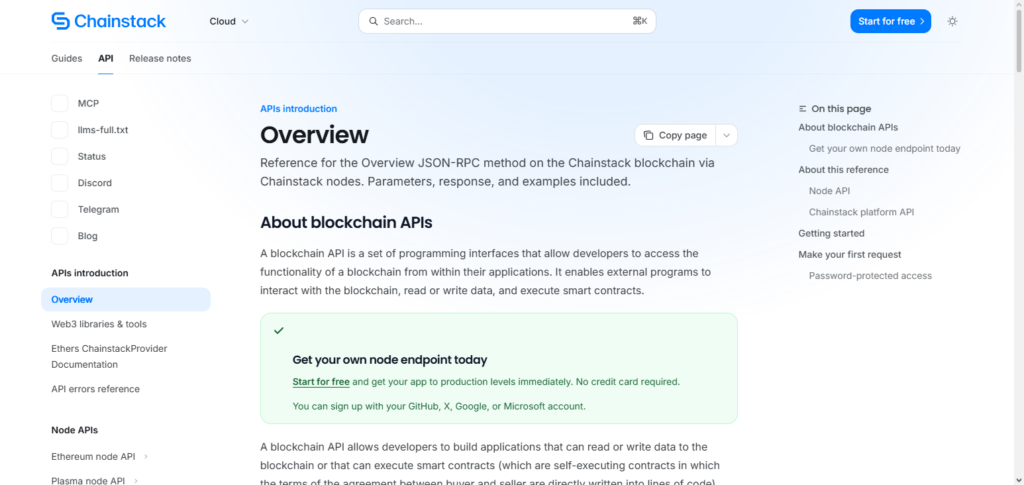
Chainstack offers cloud hosting and easy monitoring. Chainstack API is ideal for enterprises, financial services, DeFi, and developers requiring reliable and flexible managed blockchain services.
Chainstack API
Features
- Lets you deploy managed blockchain nodes.
- Public, private, and consortium blockchains are supported.
- Automated management of nodes is available.
- Infrastructure for cloud-based blockchains is available.
- Monitoring and scaling are included.
Pros
- Easy deployment of blockchain nodes.
- Supports enterprise blockchains.
- Lowers the workload of managing your own infrastructure.
- Many options for deployment.
- Private blockchains are well supported.
Cons
- May be too costly for small projects.
- Advanced features may need a lot of tech knowledge.
- Less ability to customize compared to having your own nodes.
- Performance may be impacted by the infrastructure you choose.
- Some features are only available for paid plans.
5. Moralis API
The Moralis API is on the list of the Best Crypto Node APIs and for good reason. They make it really easy to get different types of blockchain data and utilize it during your development process with a variety of APIs. Some offerings include wallet tracking, token stats, NFT data, transactions, and blockchain events.
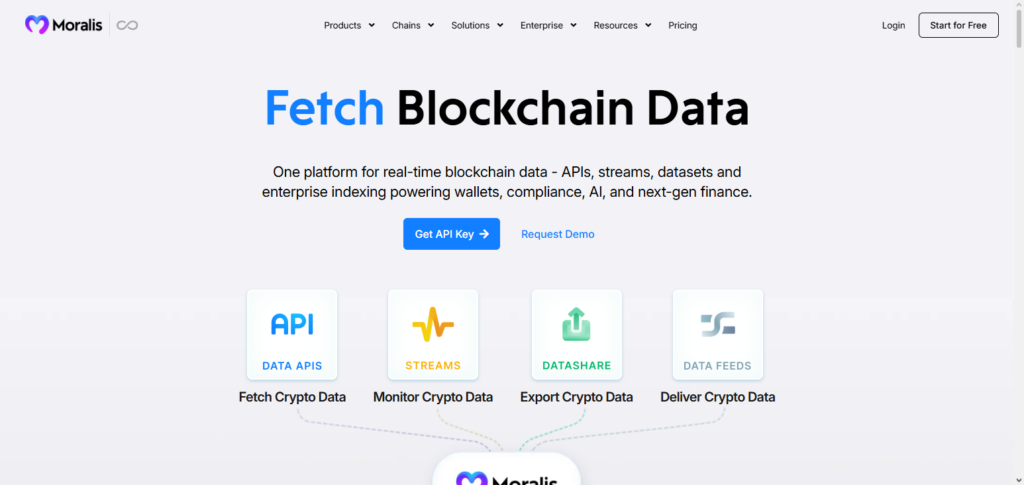
Moralis also helps developers build cross-chain applications by streamlining the process and offering support for additional networks like Polygon, BNB, and Solana. Getting dApps, games, and NFTs up and running on the blockchain with Moralis is also a great option, due to their reliable service.
Moralis API
Features
- Provides APIs for blockchain data, wallets, tokens, and NFTs.
- Supports multiple blockchain networks.
- Offers real-time blockchain event tracking.
- Simplifies Web3 application development.
- Provides ready-to-use developer APIs.
Pros
- Easy integration for Web3 developers.
- Saves development time with pre-built APIs.
- Supports NFT and DeFi applications.
- Provides comprehensive blockchain data.
- Suitable for beginners and startups.
Cons
- Less flexibility than custom blockchain solutions.
- Advanced usage may require paid plans.
- Depends on third-party infrastructure.
- Some features may have usage limitations.
- Not ideal for highly customized blockchain requirements.
6. Blockdaemon API
The Blockdaemon API also makes our list of the Best Crypto Node APIs and for great reasons. Blockdaemon also offers a secure way to stake and connect to different blockchains.
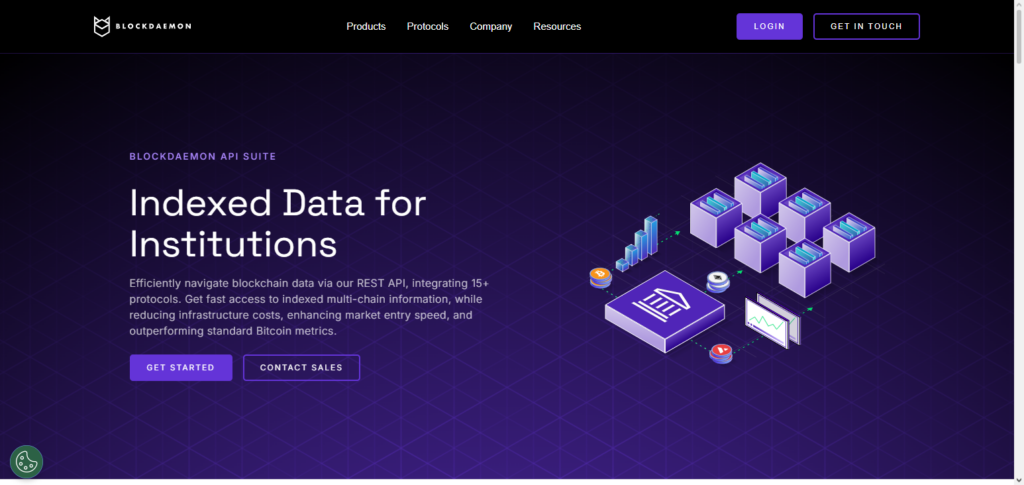
They stand out for blockchain enterprises and financial organizations due to their extensive support for various networks and the ability to have a presence on the blockchain without the burdens of technical operations.
Blockdaemon makes crypto really easy to use for on-demand services with a focus on security and compliance. If an organization sees a need for a large-scale crypto application, they can trust that quickly connecting to Blockdaemon will improve a lot of the operations.
Blockdaemon API
Features
- Provides institutional blockchain node infrastructure.
- Supports staking and validator management.
- Offers secure blockchain connectivity.
- Provides enterprise-grade monitoring tools.
- Supports multiple blockchain networks.
Pros
- Designed for institutional and enterprise users.
- Strong security and compliance features.
- Reliable validator infrastructure.
- Supports large-scale blockchain operations.
- Provides professional infrastructure services.
Cons
- Mainly targeted toward enterprises.
- Pricing may be high for small developers.
- More complex compared to beginner platforms.
- Limited focus on consumer applications.
- Requires technical knowledge for advanced features.
7. Ankr API
Ankr API is among the Best Crypto Node APIs. Ankr API provides decentralized blockchain infrastructure and RPC services. Ankr API is among the fastest options to access a blockchain without the need to host a full node.
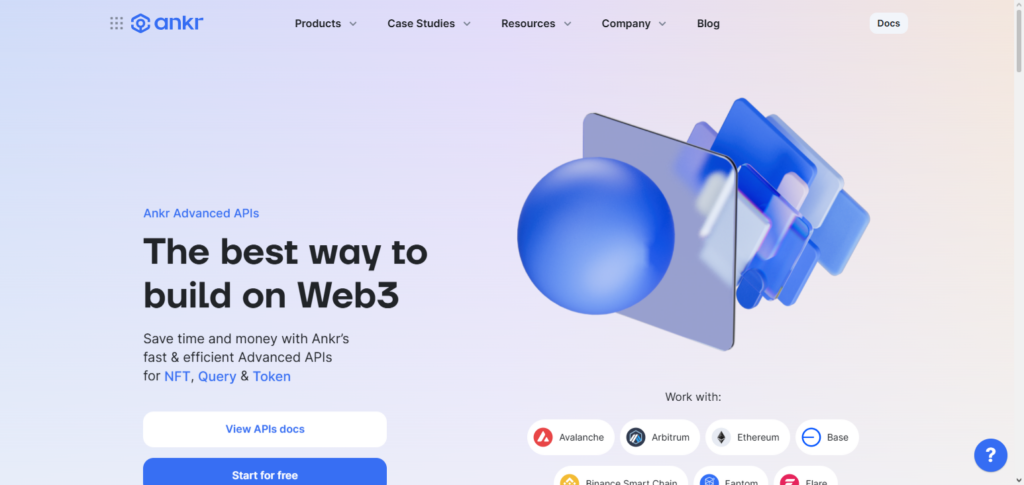
Ankr API provides support to a multitude of blockchain ecosystems and provides tools to support Web3, DeFi, and gaming, as well as distributed services.
With Ankr API’s distributed node network, interactions with a blockchain become more reliable, faster, and more scalable. Ankr API provides flexible, developer-focused APIs that allow businesses to address the infrastructure pains of multi-chain, high performance, and high value blockchain applications.
Ankr API Review
Features
- Decentralized Blockchain RPC.
- Multi-chain support.
- Web3 Building tools.
- Node infrastructure with scalability.
- Fast access to blockchain data.
Pros
- Many blockchain ecosystems supported.
- Infrastructure at a low cost.
- Decentralized = Always available.
- Easy to use for Web3 apps.
- Developers and startups.
Cons
- Performance may vary across different networks.
- Advance features are behind a paywall.
- Small ecosystem compared to leading providers.
- Limited focus on enterprises.
- No low cost blockchain infrastructure.
8. GetBlock API
GetBlock API is a deserving candidate in the Best Crypto Node APIs. GetBlock API provides instant access to blockchain nodes and uses RPC and REST API to do so. GetBlock API supports the popular blockchain networks of Bitcoin, Ethereum, and Litecoin, as well as other networks.
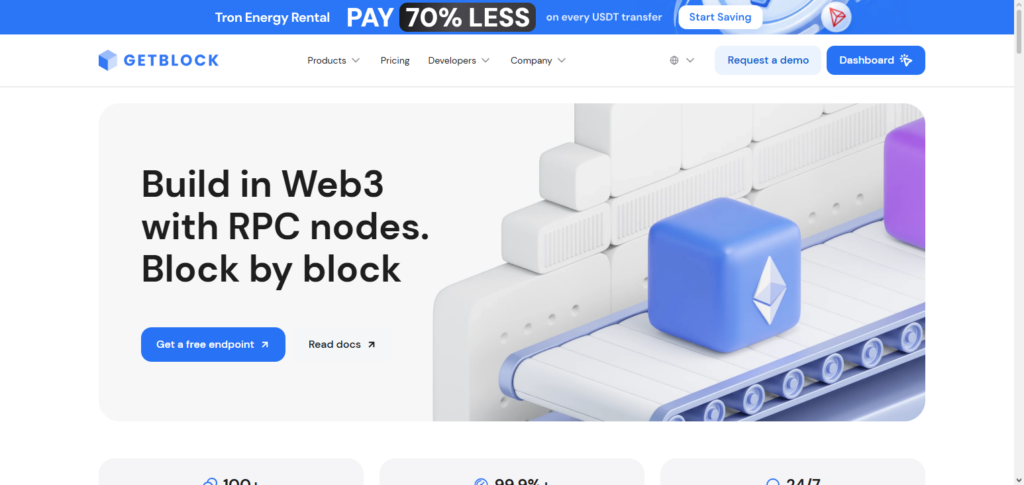
GetBlock API supports the infrastructure to access blockchain data, submit transactions, and build crypto applications, thus eliminating the burden of hosting a node.
The scalable solutions of GetBlock API support wallets, exchanges, payments, and DApps. GetBlock API’s reliable, performant nodes, and competitive pricing, allow developers to build blockchain solutions with peace of mind.
GetBlock API
Features
- RPC and REST API for blockchain node access.
- Supports several blockchain networks, including Bitcoin, Ethereum and Litecoin.
- Blocks are instantly available and connect nodes instantly.
- Designed for scalable blockchain systems.
- Supports wallets, exchanges and decentralized applications.
** Pros **
- API is super easy to integrate.
- Multi-chain network support.
- Cost effective for developers.
- Node maintenance nearly eliminated.
- Small and medium scale projects are supported.
Cons
- Lacks advanced developer tools.
- Limited enterprise functions.
- Performance is network demanding.
- Smaller ecosystem when compared to leading competitors.
- May need upgrades for high frequency usage.
9. Pokt Network API
Distinguished among the Best Crypto Node APIs, the POKT Network API offers decentralized blockchain solutions. It allows independent node operators distributed globally to provide RPC access across numerous blockchains. It’s an excellent choice for developers seeking DApps.
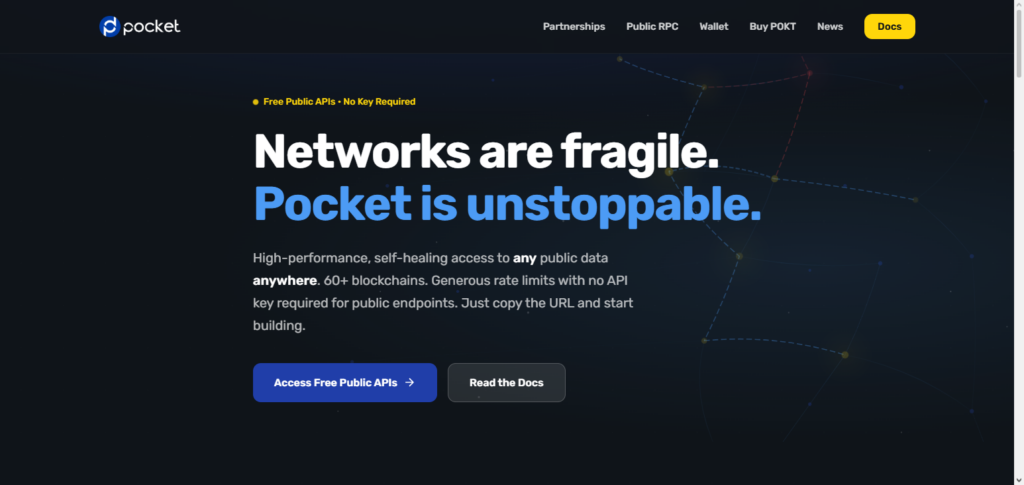
Using POKT Network provides less reliance on centralized solutions while enhancing scalability for blockchains. Incorporating POKT into your decentralized application promotes improved network reliability, availability, and resistance to censorship.
This API is best suited for Web3 developers and for DeFi and blockchain projects that require steady access to blockchain data.
POKT Network API
Features
- Centralized RPC services supported by many node operators.
- Relies on decentralized network of operators.
- Direct access to reliable blockchain data.
- Centralized Web3 connectivity is aimed.
Pros
- Decentralized model of infrastructure.
- Access to blockchain data is more reliable.
- Decentralization reduces reliance on central providers.
- Supports multiple blockchain networks.
- Ideal for decentralized applications.
Cons
- Uneven performance is the trade off of decentralization.
- There is a learning curve when using decentralized systems.
- Developing ecosystem is small.
- Limited enterprise use.
- Advanced features are few.
10. Figment API
The Figment API is one of the Best Crypto Node APIs with an emphasis on blockchain infrastructure and the management of staking and validating services.
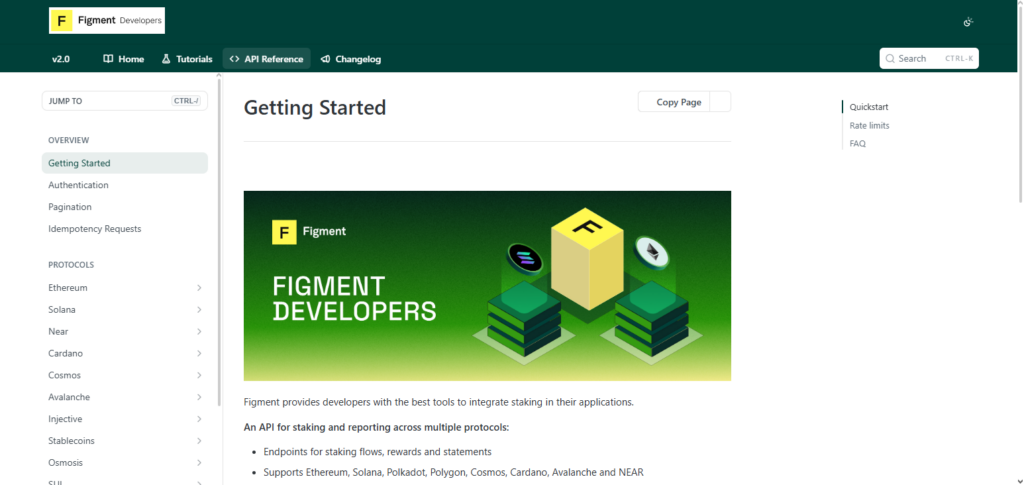
This API offers a secure option for institutions, crypto funds, and businesses that want to engage with the proof-of-stake ecosystem and participate in blockchain networks.
Using Figment, customers can easily manage all aspects of staking, monitor the status of various blockchains, and have dependable access to the underlying network. Since Figment has an enterprise focus, it provides the security and operational efficiency needed for high participation in large-scale blockchains.
Figment API
Features
- Infrastructure for staking on Blockchains.
- Supports operation of validator nodes.
- Services for institutional blockchains.
- Advanced monitoring and reporting on the staking.
- Participation on blockchains are done safely.
Pros
- Great focus on institutional clients.
- Secure staking is a solid offering.
- Market leading validator management services.
- Proof-of-stake networks are supported.
- Facilitates organizational participation in blockchain.
Cons
- Primarily built for large institutions.
- Small use for developing APIs.
- Price is steep for small blockchain projects.
- Sight is on staking vs building applications.
Conclusion
The best Crypto Node APIs offer developers and companies safe and dependable connectivity to the blockchain that is easily scalable and doesn’t require the hassle of managing complicated node infrastructure.
APIs from Infura, Alchemy, QuickNode, Chainstack, Moralis, and others provide great resources for Web3 development and building DeFi, wallet, and NFT solutions. Using the best Crypto Node API can increase the performance and lower the costs of development and improve the reliability and access speed of the blockchain applications designed.
FAQ
What are Crypto Node APIs?
Crypto Node APIs are blockchain infrastructure services that allow developers to connect applications with blockchain networks without running and maintaining their own nodes.
Why are Crypto Node APIs important for Web3 development?
Crypto Node APIs provide fast blockchain access, reliable data retrieval, transaction processing, and scalable infrastructure for building decentralized applications.
Which are the Best Crypto Node APIs in 2026?
Some of the Best Crypto Node APIs include Infura API, Alchemy API, QuickNode API, Chainstack API, Moralis API, Blockdaemon API, Ankr API, GetBlock API, POKT Network API, and Figment API.
How do Crypto Node APIs work?
Crypto Node APIs connect Web3 applications to blockchain networks through RPC endpoints, allowing developers to request blockchain data, send transactions, and interact with smart contracts.
Are Crypto Node APIs suitable for DeFi applications?
Yes, Crypto Node APIs are widely used by DeFi platforms for accessing real-time blockchain data, monitoring transactions, managing wallets, and interacting with smart contracts.