


This article explores Best Crypto Bridges Supporting NFT Transfers and the bridge solutions that enable interoperability in different blockchain ecosystems.
With the growing NFT space requiring solutions that cross single chains, cross-chain bridges provide collectors and developers the opportunity to move assets with lowered fees, access enhanced utility, and tap into diversified marketplaces.
These advanced solutions contribute to a limitless multichain Web3 environment.
What is Crypto Bridges Supporting NFT Transfers?
Crypto bridges that support the transfer of NFTs are protocols that allow non-fungible tokens to shift between different chains while maintaining their ownership, metadata, and functionality.
With NFTs being stuck to a particular blockchain, bridges maintain interoperability by locking the original asset on the native chain, and minting a wrapped version on the new chain.
This provides users access to different marketplaces, decreased transaction costs, and enhanced utilities like gaming and integration with DeFi on other chains.
These bridges increase the liquidity of NFTs and broaden the access of collectors to different ecosystems, thus contributing to the future of a more interconnected digital asset world that is multi-chain.
Why Use Crypto Bridges Supporting NFT Transfers
Cross-Chain Interoperability: Utilize NFTs on different blockchains for diversified applications in DeFi, gaming, and the metaverse.
Access to Lower Transaction Fees: Transfer NFTs to blockchains with lower gas fees to reduce costs associated with gaming and trading.
Increased Market Reach and Liquidity: NFTs can be offered on additional marketplaces, attracting more buyers and increasing liquidity.
Increased Utility and Functionality: Bridges enable NFTs to tap into features provided by different chains, such as staking, gaming, and advanced smart contracts.
Reduce Network Risks and Dependencies: Adapt quickly to avoid congestion on slow chains; move NFTs to fast, efficient networks.
Future-Ready NFTs: NFTs that are available on multiple chains will be more viable as the blockchain technology ecosystem develops.
Key Point & Best Crypto Bridges Supporting NFT Transfers
| Bridge / Protocol | Key Point |
|---|---|
| LayerZero V2 | Enables secure cross-chain messaging and NFT transfers using Ultra Light Nodes for minimal trust assumptions. |
| Wormhole | Widely adopted bridge supporting seamless NFT movement across major chains like Ethereum, Solana, and BNB Chain. |
| Stargate Finance | Offers fast finality NFT bridging with liquidity pools built on LayerZero for smooth cross-chain transfers. |
| Axelar Network | Provides decentralized interoperability with smart contract–powered NFT routing across multiple ecosystems. |
| Across Protocol | Known for low-cost and fast withdrawals using relayers and optimistic security for NFT and asset transfers. |
| Synapse Protocol | Supports cross-chain swaps and NFT bridging with scalable security mechanisms and high liquidity. |
| deBridge Finance | Delivers secure NFT transfers via decentralized validation and flexible cross-chain messaging. |
| Router Protocol | Integrates NFTs with multi-chain dApps, enabling asset movement and cross-chain utilities for Web3 apps. |
| Orbiter Finance | Specializes in fast, cheap NFT bridging across L1 and L2 networks without wrapping through a peer-to-peer model. |
| Celer cBridge | Uses the Celer Inter-chain Messaging Framework to safely bridge NFTs and unlock multi-chain utilities. |
1. LayerZero V2
LayerZero V2 is an example of an advanced interoperability protocol connecting multiple blockchains. Using Ultra Light Nodes, it provides efficient cross-chain messaging, enabling developers to create seamless multi-chain NFT applications without centralized intermediaries.
Best Crypto Bridges Supporting NFT Transfers focus on breaking down barriers to ensure NFTs can move freely, and so does LayerZero V2. Its trust-minimized architecture guarantees secure wrapped NFT transfers.
The protocol includes powerful features like omnichain fungible tokens (OFTs) and omnichain NFTs (ONFTs), allowing collectors to access different utilities across multiple marketplaces. LayerZero V2 provides optimal security, scalability, and future interoperability required for Web3 assets.
LayerZero V2 – Key Features
- Omnichain NFT Support (ONFTs): NFTs can move natively between chains without the need for wrapping.
- Trust-Minimized Security: Messages are verified using decentralized oracles and other decentralized means.
- Developer-Friendly SDKs: dApps and marketplaces can adopt multichain NFT utility more easily.
2. Wormhole
Wormhole has become one of the most popular cross-chain bridges supporting the transfer of NFTs between top ecosystems such as Ethereum, Solana, BNB Chain, Polygon, and Avalanche.
For the verification and securing of cross-chain transactions, it uses a decentralized network of Guardians. In contrast to other bridges, Wormhole truly shines in maintaining provenance and authenticity of the NFTs.
It allows for multi-chain trading, the portability of game assets, and interoperability between various Web3 applications. Wormhole’s high-volume bridging capabilities provide speed, liquidity, and seamless integration with Defi and NFT ecosystems which draws in developers.
Wormhole – Key Features
- Guardian Validator Network: Secure messaging for NFT transfers across different blockchains.
- Wrapped NFT Transfers: Locks original assets while keeping the metadata on the destination chain.
- Wide Network Connectivity: Bridges Ethereum, Solana, Aptos, Avalanche, and more.
3. Stargate Finance
Stargate Finance is designed as a liquidity transport protocol on LayerZero and facilitates instant, final NFT transfers across different blockchains. Each use case enjoys liquidities adaptable toward the pools which are designed and engineered to prevent bridging delays and risks that wrapped assets emit.

For NFT transfers, Stargate Finance is among the Best Crypto Bridges Supporting NFT Transfers, and its core focus designed seamless user transitions toward cheaper and quicker transfer target networks. Stargate eliminates the risk of no custody. Cash is accessible throughout the NFT collections and the liquidity flexibility is prominent from the liquidity pools.
Stargate Finance – Key Features
- Unified Liquidity Pools: Instant finality is guaranteed and liquidity is not fragmented.
- LayerZero-Powered Interoperability: LayerZero messaging enables ONFT movements.
- Low Slippage Transfers: Efficient cross-chain asset movement is prioritized.
4. Axelar Network
Axelar Network is a strong figure in offering blockchain inter-operability through its Axelar General Cross-Chain Message Passing. Axelar is able to safely direct the transfer of NFTs and other assets across multiple chains like Ethereum, Avalanche, and Cosmos.
Axelar General Cross-Chain Message Passing is highly decentralized. There is full asset visibility and functionality. Developers can leverage Axelar for multi-chain use in NFT minting, trading, staking, and gaming.
Trustless and rapid bridging are delivered through Axelar’s unique model of Validator Security. Axelar is one of the key layers of infrastructure supporting Web3 multi-chain NFT ecosystems for the Cosmos.
Axelar Network – Key Features
- General Message Passing (GMP): Full NFT metadata and utility transfers across chains.
- Decentralized Validators: NFT interoperability and comms are secured by PoS consensus.
- Cross-Ecosystem Support: EVM and Cosmos networks are interconnected easily.
5. Across Protocol
Across Protocol prioritizes secure and cost-effective asset bridging. It’s among the most trusted platforms for asset transfers, including NFTs, across Ethereum and Layer 2 networks, Arbitrum and Optimism.
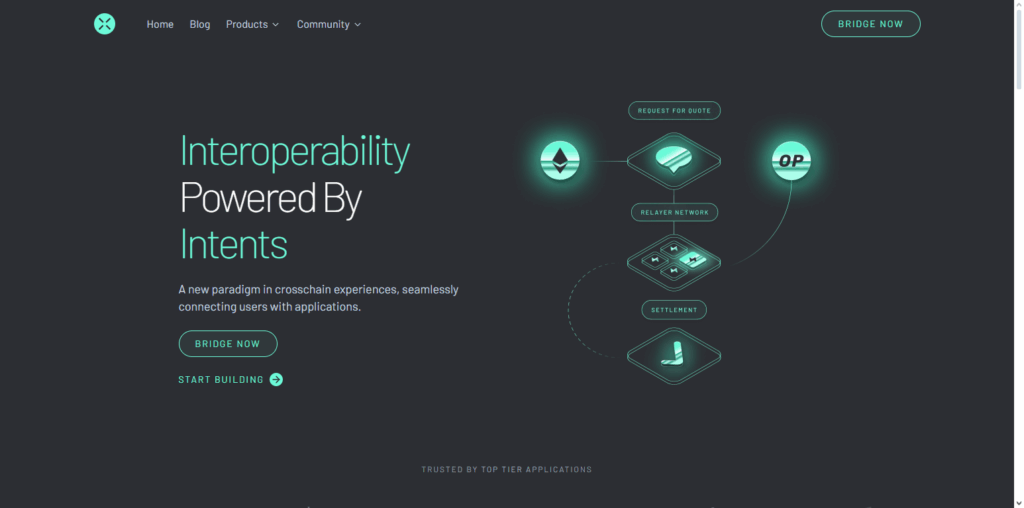
As described in the Best Crypto Bridges Supporting NFT Transfers section, Across is designed to keep speed and cost under control to facilitate low-cost transfers. It is able to provide cost-effective transfers by allowing instant exits and letting final verification complete later.
Across is governed by a decentralized DAO, improving the system’s transparency and reliability for users and developers. With the growing NFT adoption on Layer 2 networks, Across greatly enhances accessibility and the scalability of blockchains.
Across Protocol – Key Features
- Fast Rollup Transfers: Optimized for L2-to-L2 migration, ideal for NFT gaming assets.
- Optimistic Verification: Reduces trust assumptions while keeping gas fees low.
- Single Liquidity Pool Model: Enhances capital efficiency and reduces bridge risks.
6. Synapse Protocol
In 2023, Synapse Protocol continues to build on the initial pioneering work in cross-chain messaging, offering new ways to provide liquidity, and enabling the seamless bridging of NFTs within and across the major blockchains.
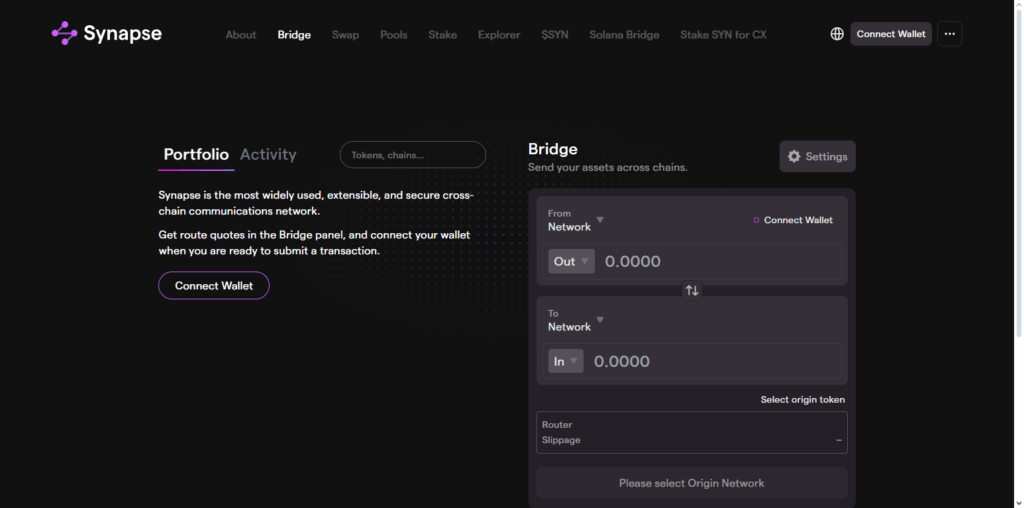
Synapse Protocol upholds asset interoperability with a focus on safe and scalable cryptographic proof. Best Crypto Bridges Supporting NFT Transfers expands marketplaces and user participation through cross-chain swapping, wrapped asset support, and DeFi protocol interoperability.
Synapse is becoming a go-to option for NFT holders in liquidity-rich environments, offering enhanced cross-metaverse and Web3 utility. More chains mean better access for multichained digital creators and traders.
Synapse Protocol – Key Features
- Multi-Chain Integration: Bridges 20+ networks while supporting liquid NFT movement.
- MPC & Liquidity Security: Protects assets through decentralized cryptography and pools.
- Cross-Chain Messaging Layer: Enables NFT utilities to function on destination chains.
7. deBridge Finance
DeBridge Finance specializes in cross-chain data transfers using a decentralized bridging approach, including NFTs. It employs a multi-validator approach to ensure secure and tamper-proof transfers between Ethereum, Arbitrum, and Polygon.
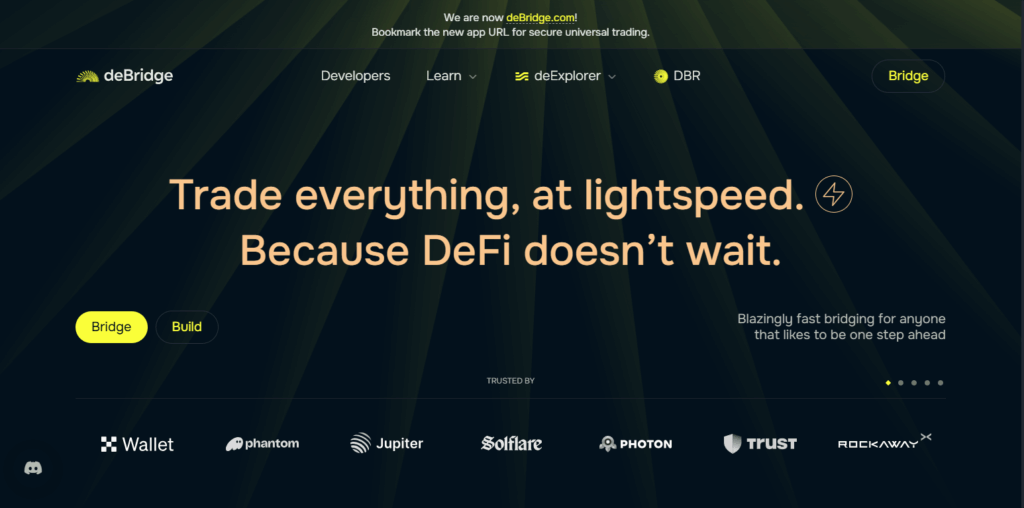
Best Crypto Bridges Supporting NFT Transfers ensures digital collectibles crossing the bridge will maintain authenticity and traceability. Combining secure smart messaging and transfer customization,
DeBridge sets the standard in cross-chain liquidity access and NFT capabilities. Developers can design NFT cross-chain marketplaces, and DeBridge is committed to blockchain interoperability to enhance utility for users. Lastly, DeBridge continues to innovate and add utility to users seeking trusted interoperability in Web3.
deBridge Finance – Key Features
- Cross-Chain Smart Contract Calls: Preserves NFT royalties, metadata, and functionality.
- Signature Aggregation Security: Ensures decentralized validation without relying on a single party.
- High Throughput Transfers: Designed for marketplaces and metaverse scalability needs.
8. Router Protocol
Router Protocol provides cross-chain infrastructure to facilitate the moving of assets and operating multi-chain dApps. It makes moving NFTs between Ethereum, Polygon, Avalanche, and BNB Chain more straightforward.
Best Crypto Bridges Supporting NFT Transfers enhance the opportunities for the use of Router NFTs, which are able to keep their metadata while unlocking additional gaming and DeFi opportunities, and use utilities in the NFTs.
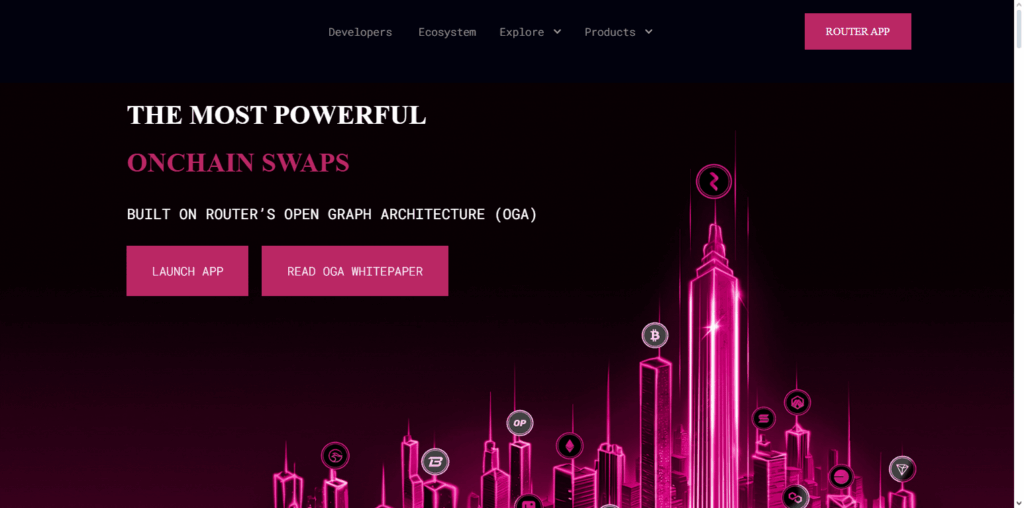
Its “Path Finder” technology safely and quickly manages NFT transit on optimized routes. Router Protocol makes fragmented cross-chain app interoperability smoother for developers.
Its growing integrations within Web3 cross-chain Router Protocol makes cross-chain Router Protocol integrations within the Web3 eco-system Router Protocol makes Web3 cross-chain eco-system integrations within the Router Protocol.
Router Protocol – Key Features
- Chain Abstraction UX: Lets users bridge NFTs without manually switching networks.
- Modular Interop Layer: Supports composable NFT features across multichain dApps.
- EVM + Non-EVM Coverage: Connects Polygon, BNB, Arbitrum, Cosmos ecosystems, and more.
9. Orbiter Finance
Across Layer 1 and Layer 2 networks, Orbiter Finance transfers assets (including NFTs) and retains ownership on the original chain without minting wrapped versions.
Since Best Crypto Bridges Supporting NFT Transfers necessitate. Orbiter Finance outstanding services, flexibility, and speed develops a peer-to-peer transfer mechanism. Their low fee and rapid transaction processing set them apart.
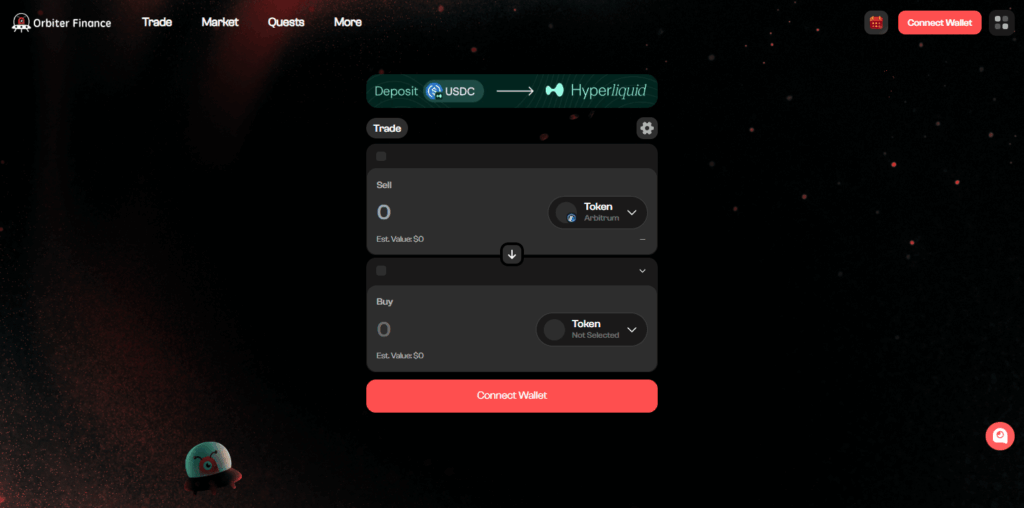
Arbumn, zkSync, Optimism, and Ethereum are current Orbiter networks, appealing to users invested in scaling solutions.
With layer-optimized interoperability, Orbiter is enhanced NFT utilization in the metaverse, gaming, and real-time applications and transcends the-layer-defi with built-on interoperability.
Orbiter Finance – Key Features
- L2-Focused Transfers: Specializes in Ethereum rollups like zkSync, Arbitrum, and Starknet.
- Custody-Free Model: Helps mitigate lock-and-mint risks by keeping assets user-controlled.
- Ultra-Low Fees: Designed for rapid NFT transactions and responsive gaming actions.
10. Celer cBridge
Celer cBridge employs the Inter-Chain Messaging Framework (IMF) to enable secure NFT interchangeability across varying ecosystems.
It allows developers to create complex cross-chain NFT applications that incorporate staking, lending, and gaming functionalities. Best Crypto Bridges Supporting NFT Transfers requires metadata-accurate handling and cBridge upholds complete compute and data integrity.
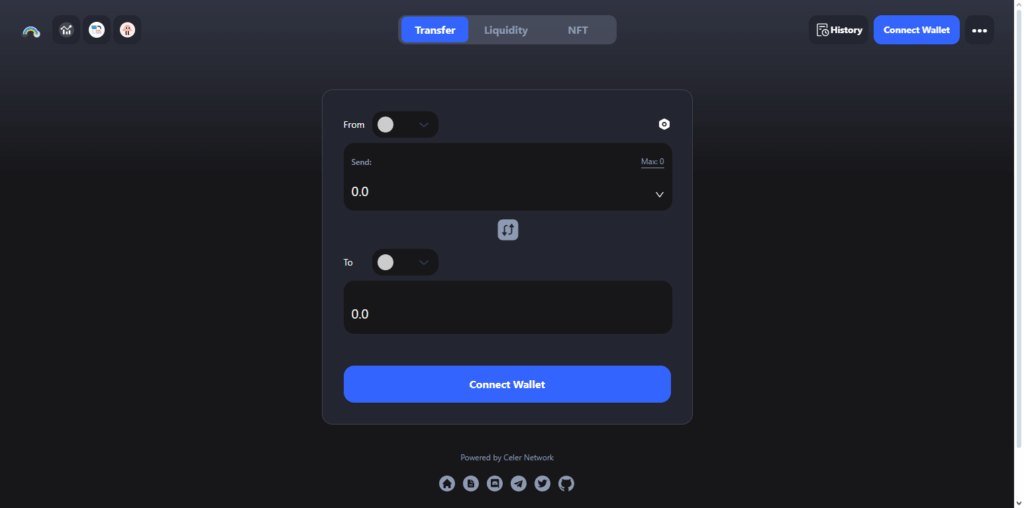
It provides service to Ethereum, BNB Chain, Polygon, and Arbitrum thus achieving a high degree of adoption. Celer assuages congestion and high gas fees while facilitating the the unobstructed movement of assets.
Its dependability and efficiency establish it as a crucial infrastructural complete Web3 multichain future cross-platfroms to connected NFTs. cross-platfroms Web3 connected to NFTs.
Celer cBridge – Highlights
- Inter-Chain Messaging (IM): Preserves NFTs’ identity, rarity, and ownership verification.
- Multi-Chain Deployment (40+ Networks): Best network coverage among the key bridges.
- Decentralized Guardian Network: Real-time watching and validating of transfer pairs.
Pros & Cons
Pros
- Expanding NFT ecosystem accessibility: Users are able to transfer NFTs to chains with more marketplaces, cheaper gas fees, or richer utilities.
- Increased liquidity: The NFTs are more likely to sell since each cross-chain transfer opens up more potential buyers. This increases the trading volume and aids price discovery.
- Multichain gaming & metaverse utility: The same NFT character or asset can be used simultaneously in multiple blockchain environments.
- Cost-effective operations: Gas fees are significantly reduced when NFTs are transferred to chains with cheaper gas fees, such as Polygon or zkRollups.
- Increased Developer Freedom: NFT projects can operate multiple chains and still keep ownership and associated metadata consolidated.
- More Unique Use Cases: The potential for ONFTs (Omnichain NFTs), cross-chain royalties, and other dynamic assets that change as they move across networks.
- Lowered Network Congestion: Distributing transactions across multiple blockchains relieve scalabilities within the NFT ecosystems.
Cons
- Security Threats: Bridges are enticing targets for hackers since they carry lots of value. Exploits can lead to the loss of multiple NFTs.
- The Complications of Wrapped NFTs: Some bridges mint wrapped NFTs that are likely to lose value, lose provenance, and gain unmarketable support.* User Experience Complexity: Beginners may find gas/token approvals and cross-chain interactions perplexing.
- Delays in Receiving NFTs: NFTs might arrive late due to security verification mechanisms such as optimistic and MPC.
- Interoperability Issues: Different metadata standards may lead to missing visuals and utility across ecosystems.
- Bridging Fees During Peak Times: During gas spikes, transferring assets may cost more than selling/minting locally.
- Uncertainty in Protocol and Regulation: Bridging may be halted unexpectedly due to system upgrades, outages, or policy changes.
Conclusion
Cross-chain NFTs wouldn’t be possible without crypto bridges. LayerZero V2, Wormhole, Celer cBridge, and Axelar all provide important functionality for a liquid and accessible multichain future. For asset developers or holders, the ability to cross bridges means better marketplace visibility, utility in various games, and lower fees in different ecosystems.
The downside are the security concerns, fees, and limitations on wrapped NFTs. That being said, the value being added to the multichain ecosystem by bridges supporting NFT transfers is priceless and creating a true interoperable version of Web3. The NFT space is truly borderless in ownership and creativity.
FAQ
Will NFT royalties still apply after bridging?
Royalties are usually preserved if the receiving marketplace supports them. However, wrapped NFTs may experience inconsistent royalty enforcement depending on the chain.
Are there fees for cross-chain NFT transfers?
Yes. Fees include gas, bridge charges, and sometimes relayer costs. Using cheaper Layer-2 networks helps reduce expenses.
Can beginners use NFT bridges easily?
Most bridges offer user-friendly interfaces, but transactions still require knowledge of wallets, gas, and chain switching. Tutorials and test transfers are recommended.